








Keep the hierarchy visible
Define the required readings for A and B incomers, UPS input and output, RPP or PDU panels, branch circuits and rack or equipment loads so that upstream totals and downstream records can be reconciled.

YTL provides compact and accurate energy meters for data center power distribution, supporting feeder monitoring, PDU measurement, branch circuit monitoring and detailed energy visibility.
Define the required readings for A and B incomers, UPS input and output, RPP or PDU panels, branch circuits and rack or equipment loads so that upstream totals and downstream records can be reconciled.
Assess sensor approach, conductor access, cabinet geometry, electrical clearance and installation sequence before specifying a compact route.
Assign each meter a verified circuit label, communication address and defined DCIM, EMS, gateway or monitoring destination.Test timestamps, missing records and recovery after a planned communication interruption.
The right selection differs by level. Provide the electrical single-line diagram, panel schedule and monitoring architecture before choosing the product route.
Confirm 3P3W or 3P4W, direct or CT/PT input, current-transformer details, required display or power parameters, and the cabinet cutout or DIN-rail space.
Confirm circuit density, conductor routing, current range, sensor arrangement, available space, labelling and the desired relationship between a branch record and a rack or load.
Confirm the platform, gateway, data model, polling interval, network topology, register requirements and the handover test for complete readings.
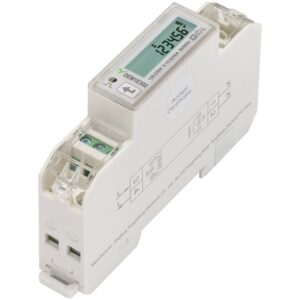
45 A Single-Phase DIN-Rail Energy Meter with RS485 and TOU
View Products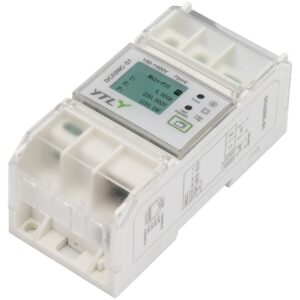
75 mV External-Shunt DC Energy Meter with RS485 and Ethernet
View Products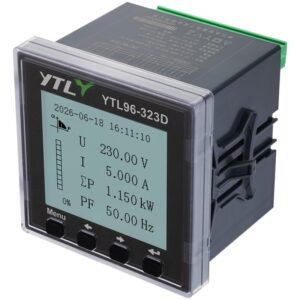
96 mm Panel-Mount Multifunction Power Meter with RS485, Y-Bus, Tariff and Harmonic Analysis
View Products
200–2400 A Single-Module Anti-Reverse-Flow Energy Meter with Rogowski Coil and WiFi/Bluetooth
View Products
45 A Single-Phase DIN-Rail Energy Meter with SO Pulse Output
View Products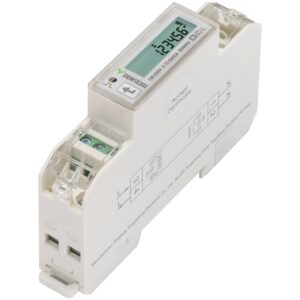
45 A Single-Phase DIN-Rail Energy Meter with RS485
View Products 45 A Single-Phase DIN-Rail Energy Meter with RS485 and TOU
View Products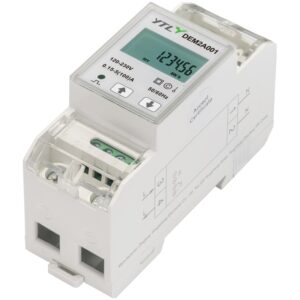
100 A Single-Phase DIN-Rail Energy Meter with SO Pulse Output
View Products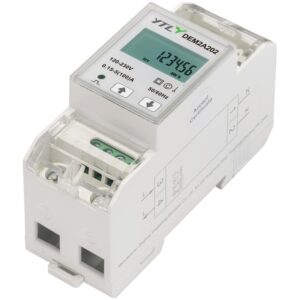
100 A Single-Phase DIN-Rail Energy Meter with RS485
View Products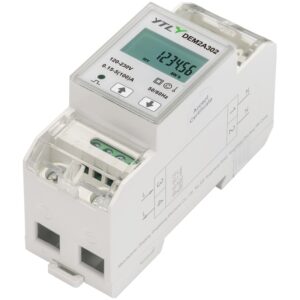
100 A Single-Phase DIN-Rail Energy Meter with RS485 and TOU
View Products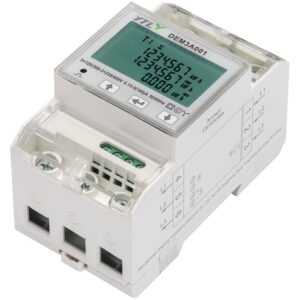
100 A Three-Phase DIN-Rail Energy Meter with SO Pulse Output
View Products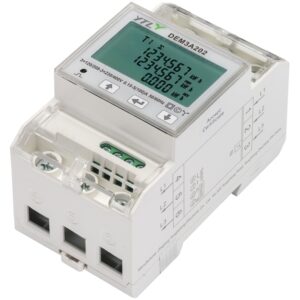
100 A Three-Phase DIN-Rail Energy Meter with RS485
View Products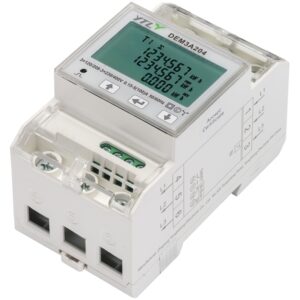
DEM3A204 100 A Three-Phase DIN-Rail Energy Meter with M-Bus
View Products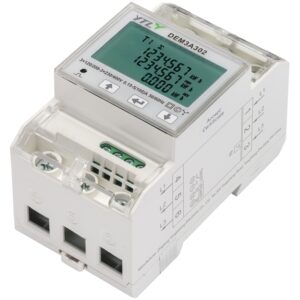
DEM3A302 100 A Three-Phase DIN-Rail Energy Meter with RS485 and TOU
View Products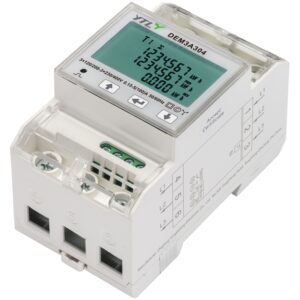
DEM3A304 100 A Three-Phase DIN-Rail Energy Meter with M-Bus and TOU
View Products
DEM3K001 6 A Three-Phase CT-Operated DIN-Rail Energy Meter with SO Pulse Output
View Products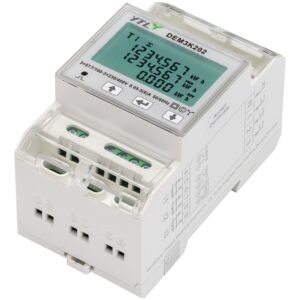
DEM3K202 6 A Three-Phase CT-Operated DIN-Rail Energy Meter with RS485
View Products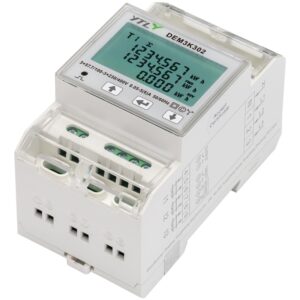
6 A Three-Phase CT-Operated DIN-Rail Energy Meter with RS485 and TOU
View Products 75 mV External-Shunt DC Energy Meter with RS485 and Ethernet
View Products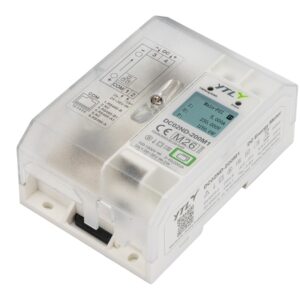
200 A Integrated-Shunt DC Energy Meter with RS485 and Ethernet
View Products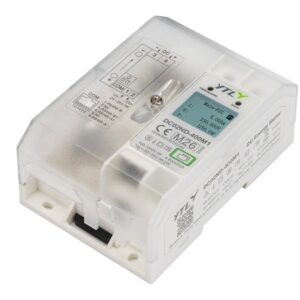
400 A Integrated-Shunt DC Energy Meter with RS485 and Ethernet
View Products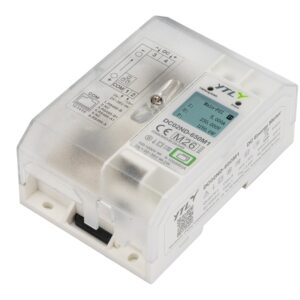
650 A Integrated-Shunt DC Energy Meter with RS485 and Ethernet
View Products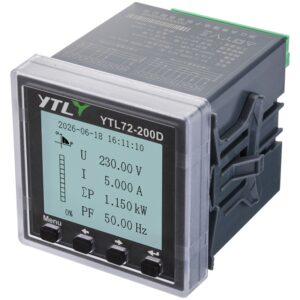
72 mm Panel-Mount Multifunction Power Meter with RS485
View Products 72 mm Panel-Mount Multifunction Power Meter with RS485 and DI/DO
View Products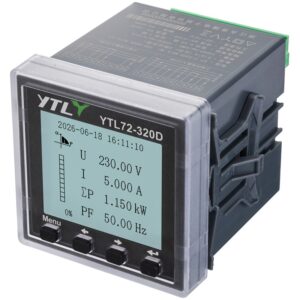
72 mm Panel-Mount Multifunction Power Meter with RS485, Y-Bus and DI/DO
View Products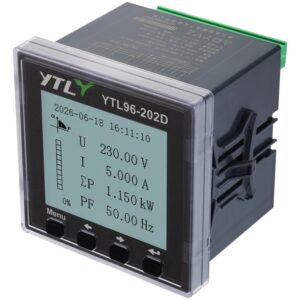
96 mm Panel-Mount Multifunction Power Meter with RS485 and Harmonic Analysis
View Products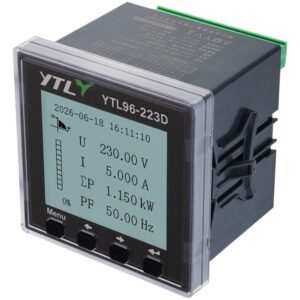
96 mm Panel-Mount Multifunction Power Meter with RS485, Y-Bus and Harmonic Analysis
View Products 96 mm Panel-Mount Multifunction Power Meter with RS485, Y-Bus, Tariff and Harmonic Analysis
View Products
100 A Single-Phase DIN-Rail Energy Meter with Dual SO Pulse Output
View Products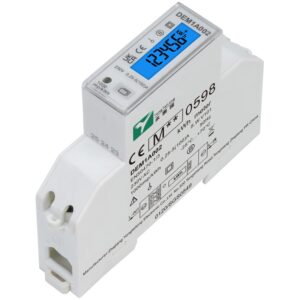
100 A Single-Phase DIN-Rail Energy Meter with RS485
View Products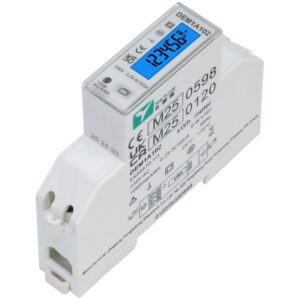
100 A Single-Phase DIN-Rail Energy Meter with RS485 and Multi-Tariff
View Products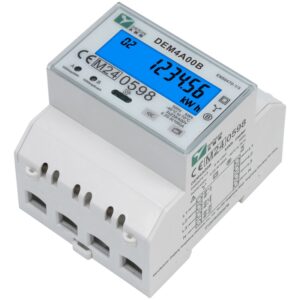
100 A Three-Phase DIN-Rail Energy Meter with RS485 and Dual SO Output
View Products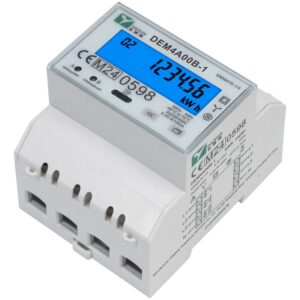
100 A Three-Phase DIN-Rail Energy Meter with RS485 (Bottom-to-Top Wiring)
View Products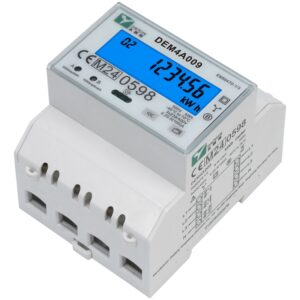
100 A Three-Phase DIN-Rail Energy Meter with IR and Dual SO Output
View Products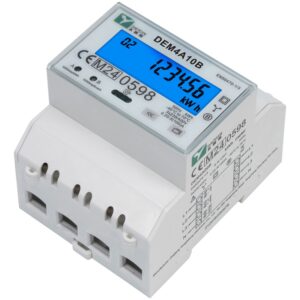
100 A Three-Phase DIN-Rail Energy Meter with RS485, Multi-Tariff and Dual SO Output
View Products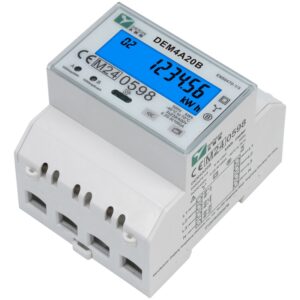
100 A Three-Phase DIN-Rail Energy Meter with RS485, SO Output and Signal Input
View Products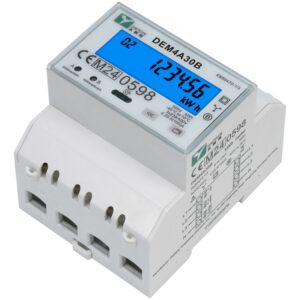
100 A Three-Phase DIN-Rail Energy Meter with RS485, Multi-Tariff, SO Output and Signal Input
View Products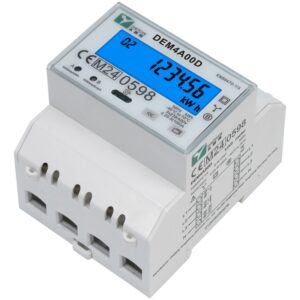
100 A Three-Phase DIN-Rail Energy Meter with M-Bus and Dual SO Output
View Products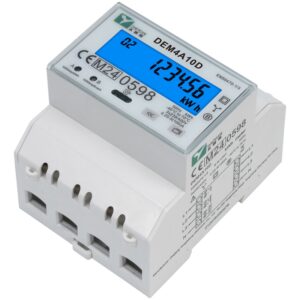
100 A Three-Phase DIN-Rail Energy Meter with M-Bus, Multi-Tariff and Dual SO Output
View Products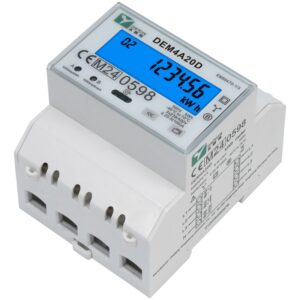
100 A Three-Phase DIN-Rail Energy Meter with M-Bus, SO Output and Signal Input
View Products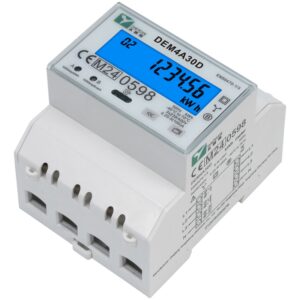
100 A Three-Phase DIN-Rail Energy Meter with M-Bus, Multi-Tariff, SO Output and Signal Input
View Products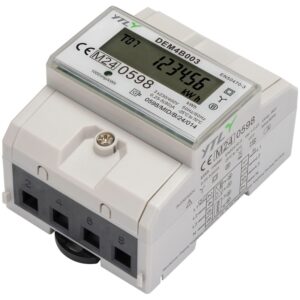
80 A Three-Phase DIN-Rail Energy Meter with RS485
View Products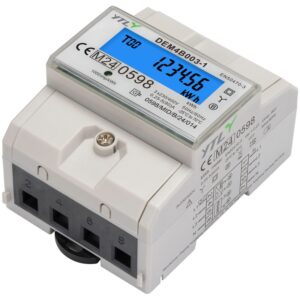
80 A Three-Phase DIN-Rail Energy Meter with RS485 and LCD Backlight
View Products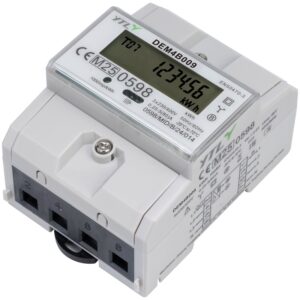
80 A Three-Phase DIN-Rail Energy Meter with Infrared Communication
View Products
80 A Three-Phase DIN-Rail Energy Meter with Infrared Communication and LCD Backlight
View Products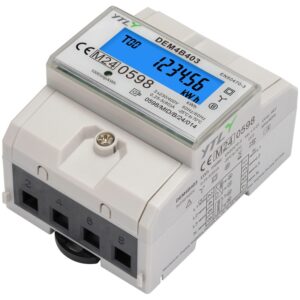
80 A Three-Phase DIN-Rail Energy Meter with RS485 and Power Outage Display
View Products
80 A Three-Phase DIN-Rail Energy Meter with RS485 and Power Outage Display
View Products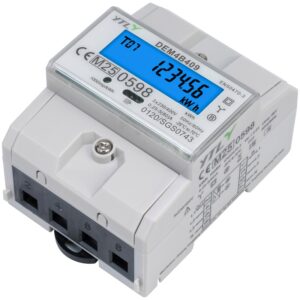
80 A Three-Phase DIN-Rail Energy Meter with Infrared Communication and Power Outage Display
View Products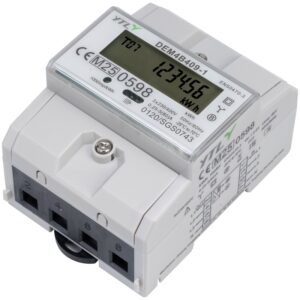
80 A Three-Phase DIN-Rail Energy Meter with Infrared Communication and Power Outage Display
View Products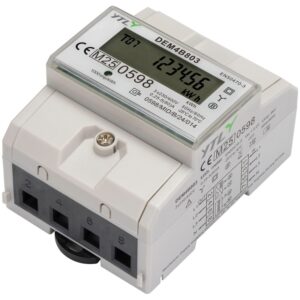
80 A Three-Phase DIN-Rail Energy Meter with RS485, RTC and Multi-Tariff
View Products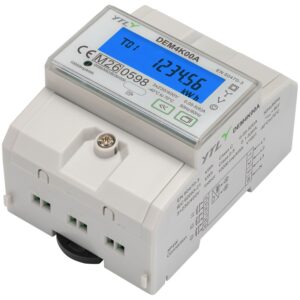
6 A Three-Phase CT-Operated DIN-Rail Energy Meter with Infrared Communication
View Products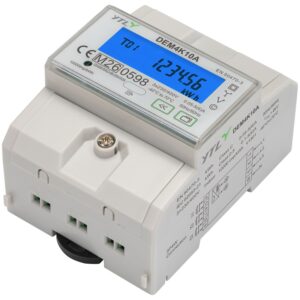
6 A Three-Phase CT-Operated DIN-Rail Energy Meter with Infrared Communication, RTC and Multi-Tariff
View Products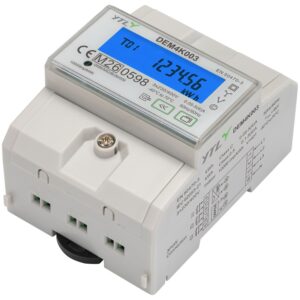
6 A Three-Phase CT-Operated DIN-Rail Energy Meter with RS485
View Products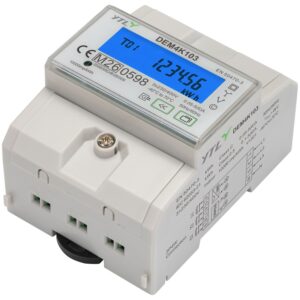
6 A Three-Phase CT-Operated DIN-Rail Energy Meter with RS485, RTC and Multi-Tariff
View Products
100 A Single-Module Anti-Reverse-Flow Energy Meter with CT and WiFi/Bluetooth
View Products 200–2400 A Single-Module Anti-Reverse-Flow Energy Meter with Rogowski Coil and WiFi/Bluetooth
View Products
200–2400 A Single-Module Anti-Reverse-Flow Energy Meter with Rogowski Coil and 4G
View Products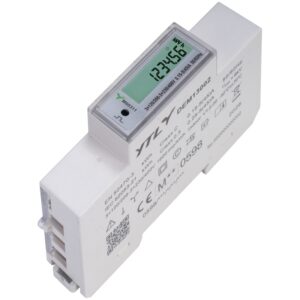
45 A Three-Phase Four-Wire DIN-Rail Energy Meter for EV Charging
View Products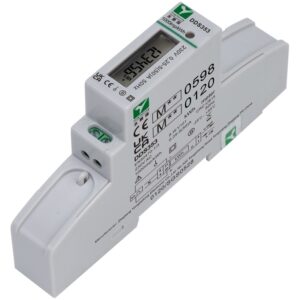
50 A Single-Phase DIN-Rail MID Sub-Billing Energy Meter
View Products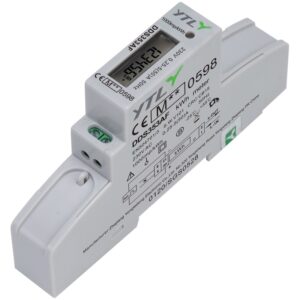
50 A Single-Phase DIN-Rail MID Sub-Billing Energy Meter
View Products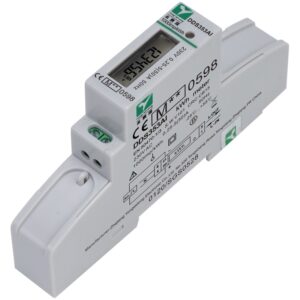
50 A Single-Phase DIN-Rail MID Sub-Billing Energy Meter
View Products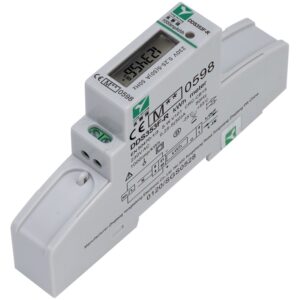
50 A Single-Phase DIN-Rail MID Sub-Billing Energy Meter
View Products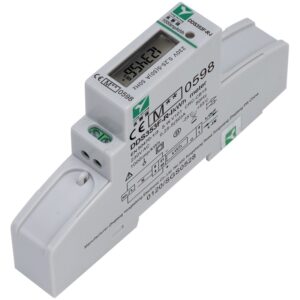
50 A Single-Phase DIN-Rail MID Sub-Billing Energy Meter
View Products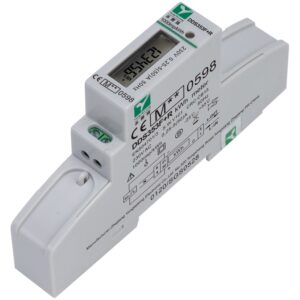
50 A Single-Phase DIN-Rail MID Sub-Billing Energy Meter
View Products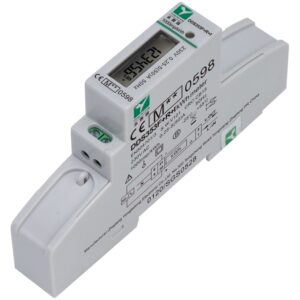
50 A Single-Phase DIN-Rail MID Sub-Billing Energy Meter
View Products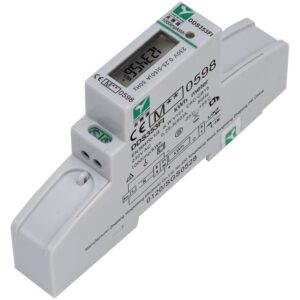
50 A Single-Phase DIN-Rail MID Sub-Billing Energy Meter
View Products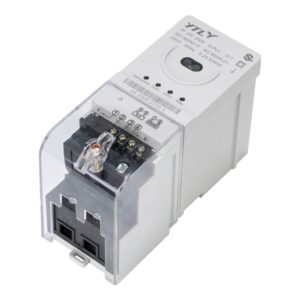
80 A Single-Phase DIN-Rail Prepayment Meter with G3 PLC
View Products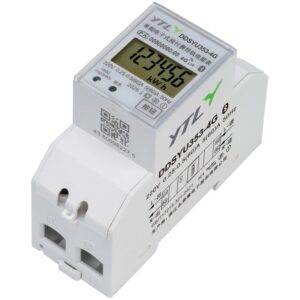
Single-Phase Prepaid Power Data Collector with 4G
View Products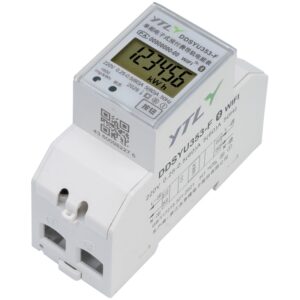
Single-Phase Prepaid Power Data Collector with WiFi
View Products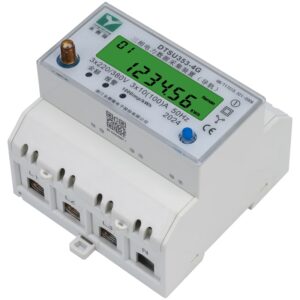
Three-Phase Prepaid Power Data Collector with 4G
View Products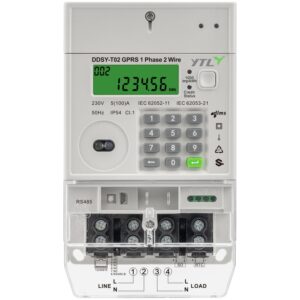
Single-Phase Two-Wire Wall-Mounted 4G Smart Prepayment Meter
View Products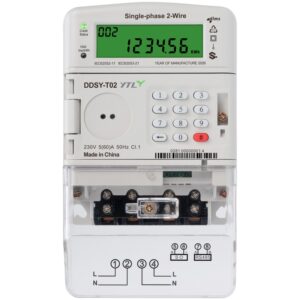
GPRS Single-Phase STS Wall-Mounted Prepayment Meter
View Products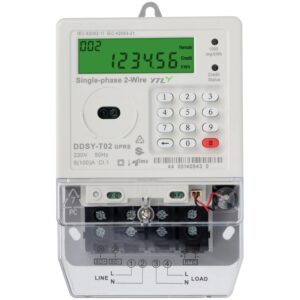
Single-Phase STS Prepayment Meter
View Products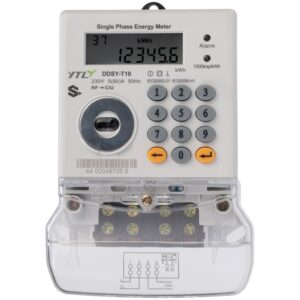
Single-Phase Prepayment Meter with WiFi and Bluetooth
View Products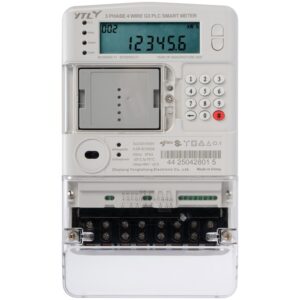
Three-Phase STS Wall-Mounted Prepayment Meter
View Products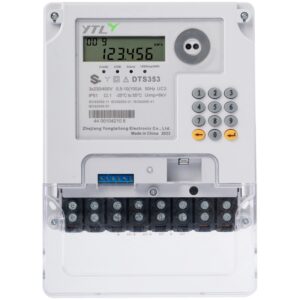
Three-Phase Prepayment Meter with WiFi and Bluetooth
View Products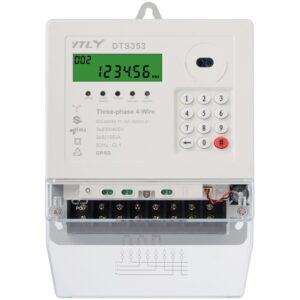
Three-Phase STS Prepayment Meter
View Products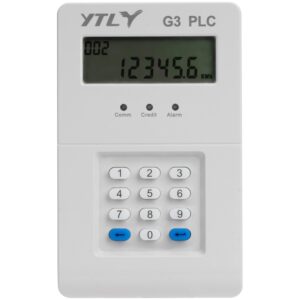
G3-PLC In-Home Display (IHD)
View Products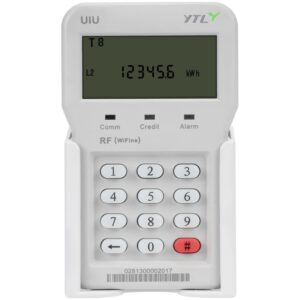
RF In-Home Display (CIU)
View Products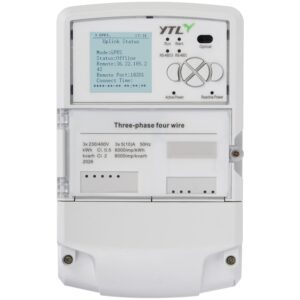
Smart Data Concentrator Unit (DCU) for AMI
View Products Smart Data Concentrator Unit (DCU) for AMI
View Products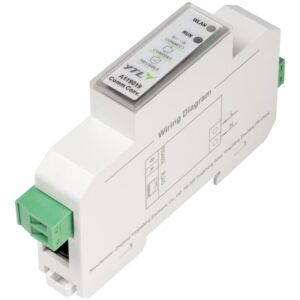
RS485 to Ethernet/WiFi Converter
View ProductsList every required level and power path: A or B incomer, UPS input or output, RPP or PDU, panel, branch, rack or defined equipment group.
Provide the branch count, conductor arrangement, available mounting area and maintenance access for each panel.
Confirm phase, voltage, current, CT/PT or sensing route, fault-related constraints and the single-line reference.
Define the measurements required by the dashboard, alarm logic or reporting process before identifying registers or gateway capacity.
Document RS485 or other model-specific interface routes, address plan, gateway quantity, cable run and data interval.
Agree how readings are compared, how device and circuit labels are checked, and how lost communication or missing records are handled.
Data center metering should follow the electrical power hierarchy and the visibility required by the project. Typical measurement points include A and B incomers, UPS input and output, RPP or PDU panels, branch circuits and rack or defined equipment loads. The electrical single-line diagram and panel schedule should be used to define which levels need to be measured and reconciled.
Energy metering provides the electrical data needed to compare upstream and downstream loads, identify where energy is being used and support monitoring at feeder, panel, branch and rack level. Depending on the project, the data can support load visibility, allocation, capacity analysis, alarm logic and integration with DCIM, EMS or other monitoring platforms. The meter provides measurement data; analysis and operational decisions are handled by the higher-level system.
The choice depends on the measurement level, circuit density, conductor access, available cabinet space, display requirements and the required data destination. Panel meters are typically used where front-panel indication and multifunction measurement are needed, DIN-rail meters suit compact distribution-level installations, and compact sensing approaches may be considered where branch density or installation constraints make conventional meter placement difficult. Final selection should be based on the actual panel and circuit architecture. Dark Red Hare
Selected YTL meters can be evaluated for integration with DCIM, EMS, gateways or other monitoring platforms. Integration depends on the meter interface, communication protocol, register map, required data points, network topology, addressing, polling interval and platform acceptance requirements. Compatibility should be verified for the selected meter and host system rather than assumed from the communication interface alone.
Tell us your requirements and our team will provide a professional solution and quotation within 24 hours.
 Optimized by Seraphinite Accelerator