









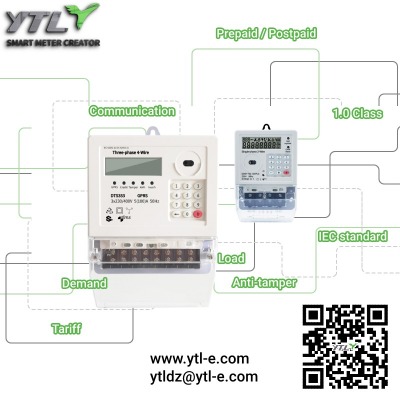
Due to the advancement of technology and the increasing demand for energy efficiency, the use of energy meters has become essential in monitoring and managing energy consumption. Among the different types of energy meters available in the market, two commonly used ones are the wall-mounted energy meter and the Din rail energy meter.
The wall-mounted energy meter is a compact and easy-to-install device that is typically mounted on a wall or a panel. It is designed to measure the amount of electricity consumed by a specific area or building. The wall-mounted energy meter is equipped with various features such as an LCD display, data logging capabilities, and communication interfaces for remote monitoring and control. This type of energy meter is commonly used in residential buildings, commercial establishments, and industrial facilities to monitor electricity usage and track energy consumption patterns.
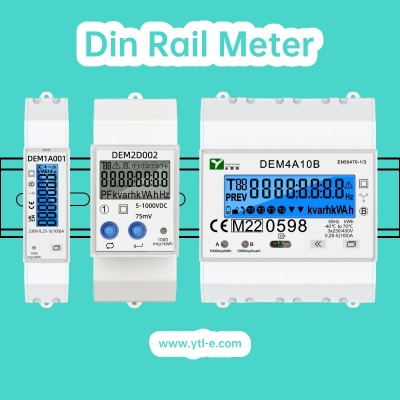 On the other hand, the Din rail energy meter is a more versatile and flexible energy monitoring device that is designed to be mounted on a standard Din rail within an electrical panel. The Din rail energy meter is commonly used in industrial applications and large-scale energy monitoring systems. It is capable of measuring and recording various parameters such as voltage, current, power factor, and energy consumption. The Din rail energy meter is also equipped with advanced communication protocols such as Modbus, Ethernet, and wireless connectivity for seamless integration with building management systems and energy monitoring software.
Both the wall-mounted energy meter and the Din rail energy meter play a crucial role in promoting energy efficiency and sustainability. By accurately measuring and monitoring energy consumption, these devices help identify energy wastage, optimize energy usage, and reduce electricity costs. In addition, the data collected by these energy meters can be used to analyze energy consumption patterns, set energy saving targets, and implement energy conservation measures.
In conclusion, the wall-mounted energy meter and the Din rail energy meter are important tools in the field of energy management and conservation. With their advanced features and capabilities, these energy meters provide valuable insights into energy usage and help promote a more sustainable and energy-efficient future. By incorporating these devices into energy monitoring systems, individuals, businesses, and industries can take proactive steps towards reducing their carbon footprint and contributing to a greener environment.
