







Measurement Accuracy Stability: The Cornerstone of Smart Meter Performance
Environmental Adaptability Performance: The Reliable Guarantee of Smart Meters
Communication Reliability Metrics: The Lifeline of Smart Meter Data
Service Life and Durability: The Long-Term Value of Smart Meters
Operation and Maintenance Convenience Features: The Hidden Cost of Smart Meters
Comprehensive Evaluation Methodology
Technological Innovation and Development Trends
Practical Application Verification
Selection Suggestions and Guidance
Conclusion
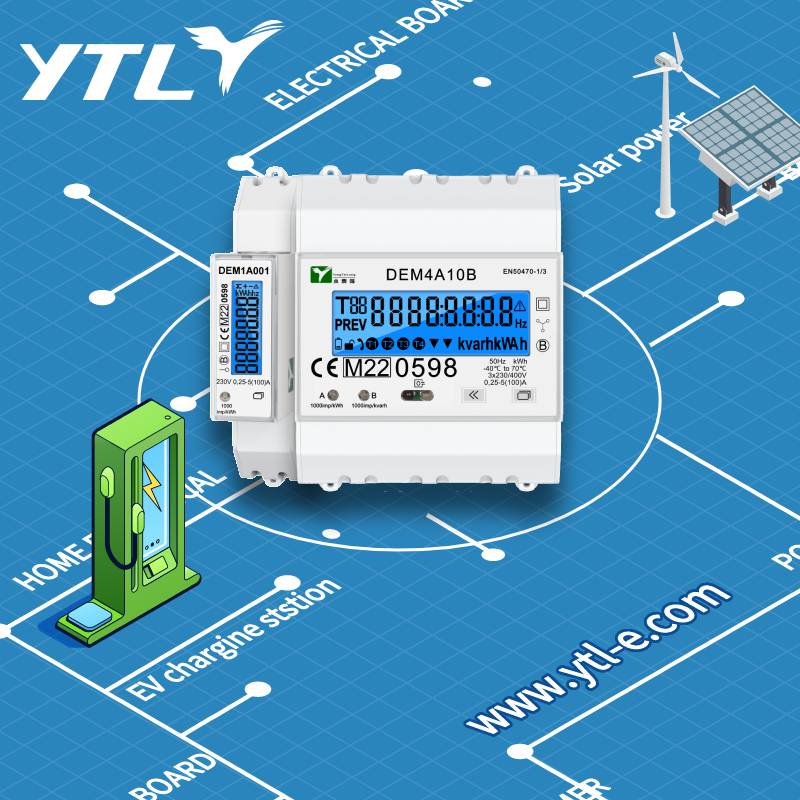
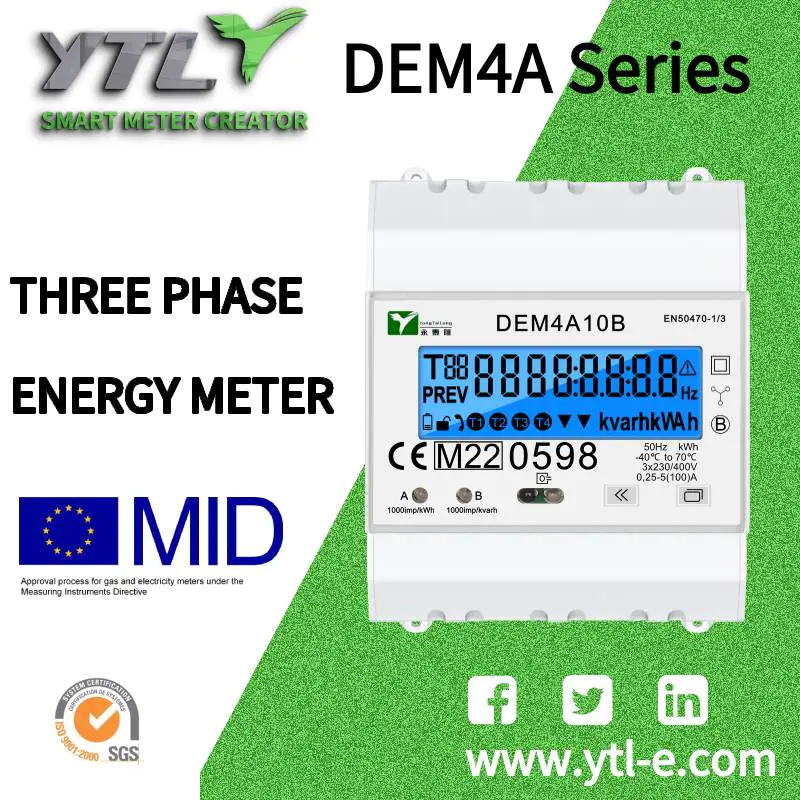
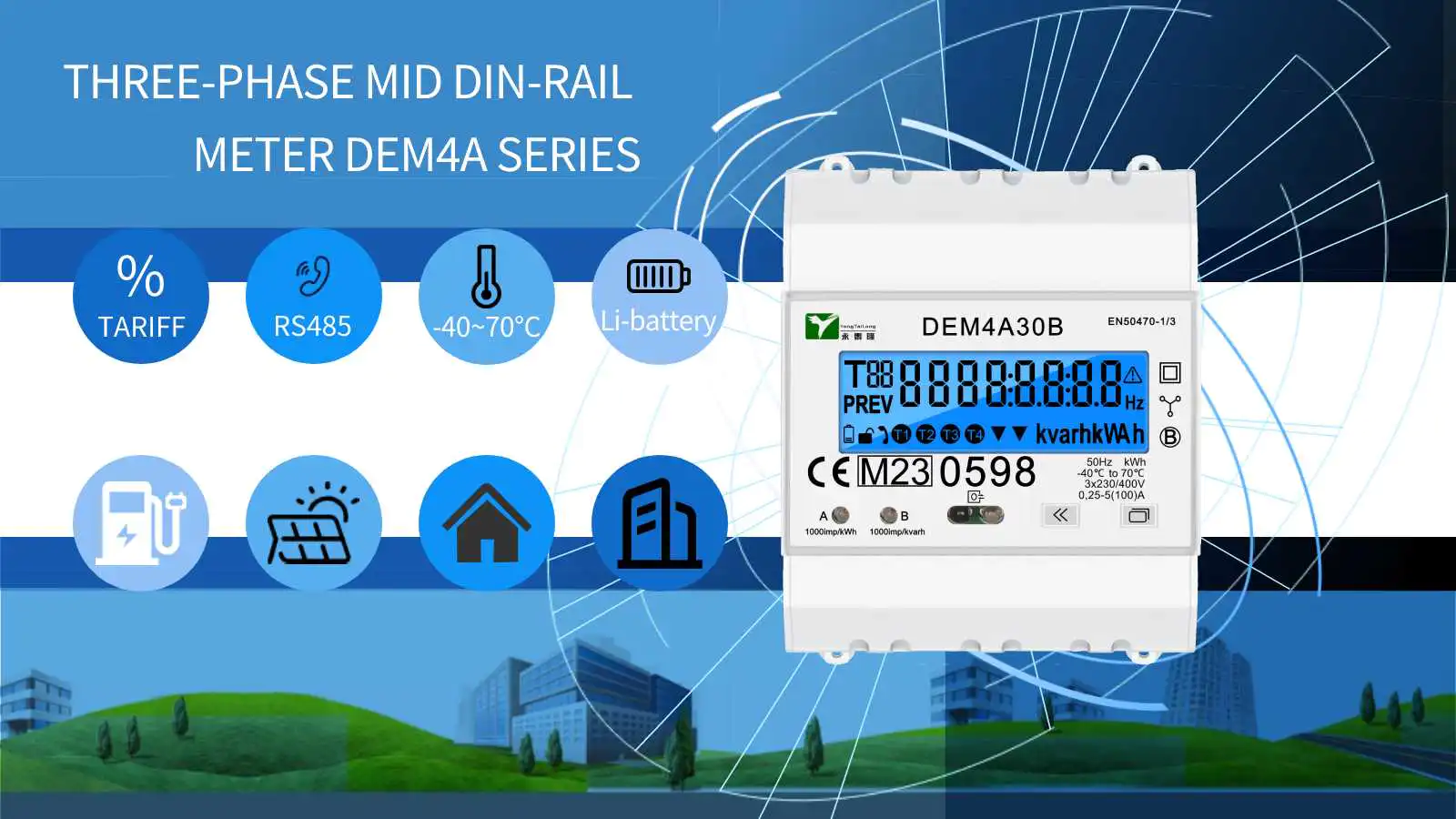
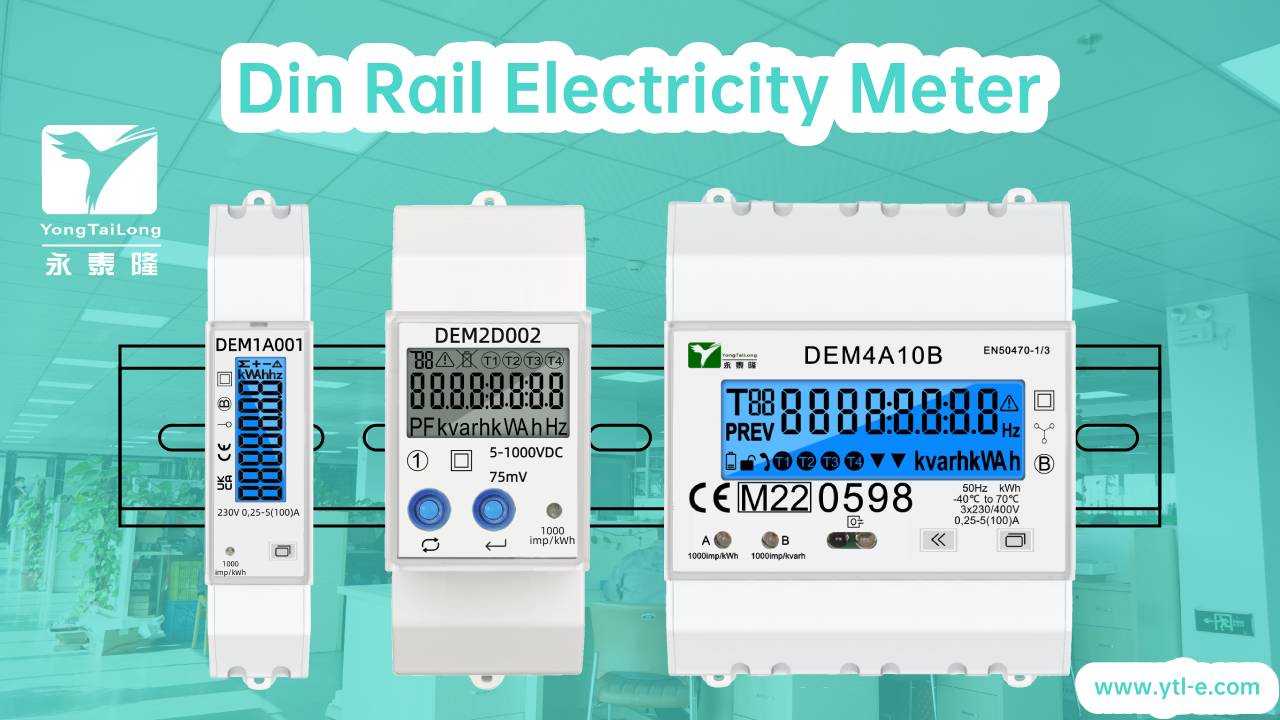
# “Cost-Effectiveness” Does Not Mean Compromise: 5 Key Metrics for Evaluating High-Stability Smart Meters In the process of smart meter selection, “cost-effectiveness” is often misunderstood as a compromise on performance and quality. In fact, a truly cost-effective smart meter achieves the optimal total cost of ownership on the premise of ensuring excellent performance and reliable quality. This article will delve into the five key metrics for evaluating high-stability smart meters, helping users make informed decisions during selection. ## Measurement Accuracy Stability: The Cornerstone of Smart Meter Performance Measurement accuracy is the most core indicator of a smart meter, and the long-term stability of accuracy is the key to measuring the quality of a smart meter. An excellent smart meter should maintain stable measurement accuracy throughout its service life, without being affected by changes in ambient temperature and humidity. In practical use, the accuracy performance of a smart meter should always comply with its nominal accuracy class, which is the basis for ensuring fair measurement and accurate settlement. When selecting a smart meter, it is necessary to focus on the accuracy stability data of its long-term operation, rather than just the initial accuracy at the factory. ## Environmental Adaptability Performance: The Reliable Guarantee of Smart Meters Smart meters need to adapt to various complex working environments, and their environmental adaptability is directly related to the reliability of the equipment. High-quality smart meters should have good temperature adaptability and can still work normally in extreme high and low temperature environments. At the same time, smart meters should also have excellent dustproof and waterproof performance to ensure stable operation in harsh environments such as humidity and dust. These environmental adaptability indicators not only reflect the product quality of smart meters, but also directly affect the service life and maintenance costs of the equipment. ## Communication Reliability Metrics: The Lifeline of Smart Meter Data In modern energy management, the communication reliability of smart meters is crucial. An excellent smart meter should have stable communication performance to ensure the integrity and timeliness of data collection. This includes indicators such as the communication success rate of smart meters in various environments, the real-time performance of data transmission, and the service life of communication modules. Meanwhile, smart meters should support multiple communication methods to meet the needs of different application scenarios. Communication reliability is directly related to the overall operation effect of the smart meter system. ## Service Life and Durability: The Long-Term Value of Smart Meters The service life of a smart meter is an important indicator for evaluating its cost-effectiveness. High-quality smart meters should have a long designed service life, which is usually guaranteed through strict accelerated aging tests and reliability verification. When evaluating the service life of a smart meter, it is necessary to pay attention to the quality grade of its key components, the overall process level of the meter, and the effectiveness of protection measures. In addition, the mechanical durability and electrical durability of smart meters are also important considerations, and these indicators together determine the long-term use value of smart meters. ## Operation and Maintenance Convenience Features: The Hidden Cost of Smart Meters The operation and maintenance convenience of smart meters is often an overlooked but very important indicator. An excellent smart meter should have convenient installation characteristics, simple maintenance procedures and a user-friendly operation interface. This includes the modular design of smart meters, remote management capabilities, fault self-diagnosis functions, etc. These features can not only reduce the installation and maintenance costs of smart meters, but also improve the operation efficiency of the system. When evaluating smart meters, it is necessary to comprehensively consider their operation and maintenance needs and related costs throughout the entire life cycle. ## Comprehensive Evaluation Methodology When evaluating the cost-effectiveness of smart meters, it is necessary to establish a systematic evaluation system. In addition to focusing on the initial procurement cost of smart meters, more attention should be paid to the total cost of ownership throughout their service life. This includes multiple dimensions such as the energy efficiency, maintenance costs, and upgrade and expansion potential of smart meters. By establishing a scientific evaluation model, users can be helped to select truly cost-effective smart meter products. ## Technological Innovation and Development Trends With the continuous advancement of technology, the performance indicators of smart meters are also continuously improving. The new generation of smart meters has made significant improvements in measurement accuracy, communication capabilities, and intelligence level. At the same time, the manufacturing cost of smart meters is also constantly optimized, providing users with more cost-effective choices. Understanding the technological development trends of smart meters helps users make more forward-looking procurement decisions. ## Practical Application Verification In practical applications, high-stability smart meters show significant value. From the operation data of multiple projects, it can be seen that high-quality smart meters have obvious advantages in reducing operation and maintenance costs and improving management efficiency. These practical application cases provide strong evidence for evaluating the cost-effectiveness of smart meters. ## Selection Suggestions and Guidance When selecting smart meters, it is recommended that users formulate clear evaluation criteria according to specific application needs. Focus on the long-term performance and total cost of ownership of smart meters, rather than just comparing the initial price. At the same time, choosing suppliers with a good reputation and a complete service system is also an important factor to ensure the cost-effectiveness of smart meters. ## Conclusion Cost-effectiveness is by no means a simple price comparison, but a comprehensive evaluation of the overall value of smart meters. By focusing on the five key indicators of measurement accuracy stability, environmental adaptability, communication reliability, service life and operation and maintenance convenience, users can select smart meter products that are truly value for money. We believe that a scientific and rational evaluation method will help users make the best decisions in the process of smart meter selection and achieve long-term return on investment. With the continuous advancement of technology, the cost-effectiveness of smart meters will continue to improve, creating more value for users. — 我可以帮你整理这份英文译文的**专业术语对照表**,方便你在海外市场推广时统一用词,需要吗?