
 English
 简体中文
简体中文



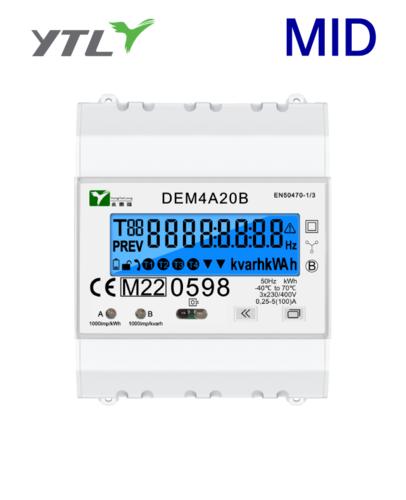
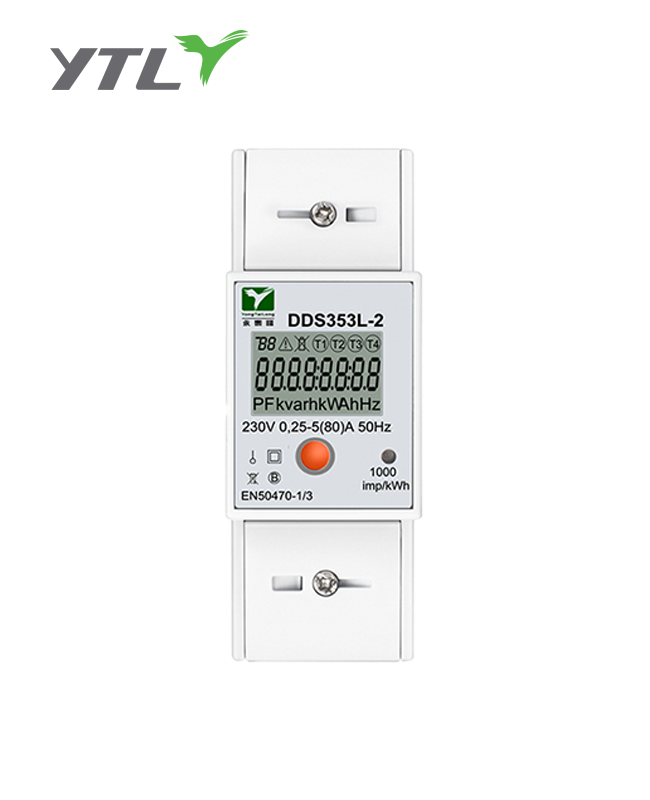
Introduction to Electric Meter
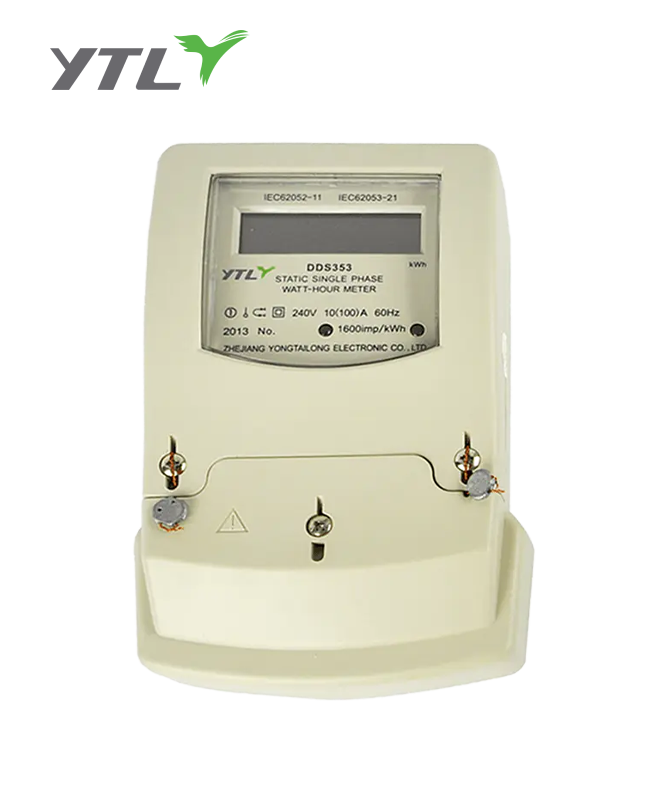
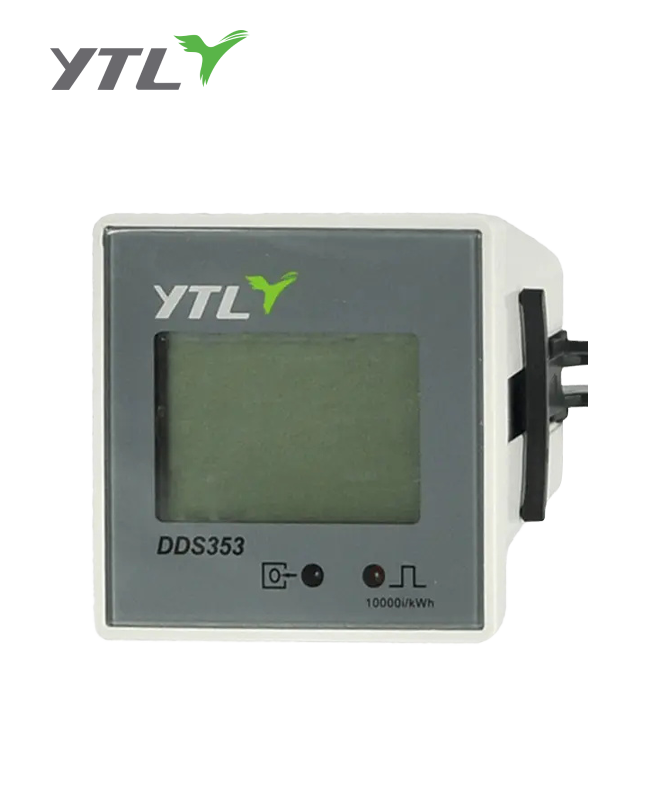
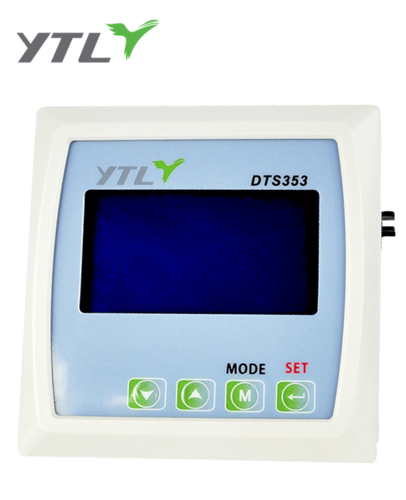
An electric meter, also known as an electricity meter, energy meter or kilowatt-hour meter, is a device designed to measure the amount of electrical energy consumed by a residence, business, or any electrically powered equipment over a specific time interval. It serves as the core terminal for electricity measurement in the power grid, providing accurate data for utility companies to calculate electricity bills and for users to monitor their energy consumption. With the acceleration of new power system construction and the in-depth transformation of energy digitalization, electric meters are no longer just simple measurement tools, but have evolved into key nodes for energy management, data collection and quality monitoring on the user side.
Common Types of Electric Meters and Their Applications
The electric meter market offers a variety of types, each tailored to different application scenarios and user needs. The following table summarizes the main types of electric meters, their core features and typical applications:
| Electric Meter Type | Core Features | Typical Applications |
|---|---|---|
| Electromechanical Electric Meter | Simple structure, low cost, reliable operation, measures basic electricity consumption | Residential areas with basic measurement needs, old community renovation |
| Electronic Electric Meter | High measurement accuracy, digital display, supports peak/off-peak monitoring | Modern residential buildings, small commercial stores, office buildings |
| Smart Electric Meter | Remote data transmission, real-time monitoring, bidirectional metering, supports IoT connection | Smart communities, industrial parks, new energy supporting projects |
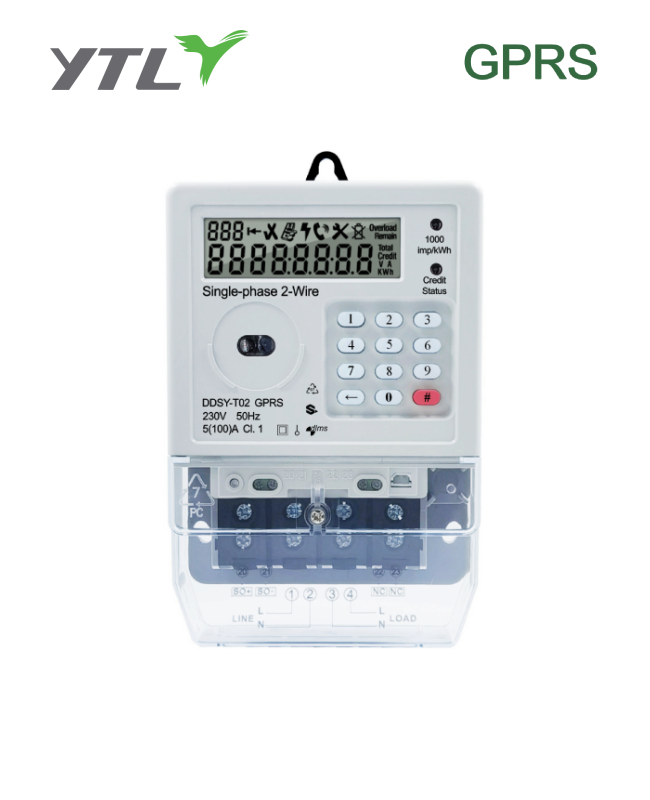
| Prepaid Electric Meter | Prepaid recharge, automatic power cut when balance is insufficient, easy to manage | Rental housing, schools, public facilities, areas with difficult meter reading |
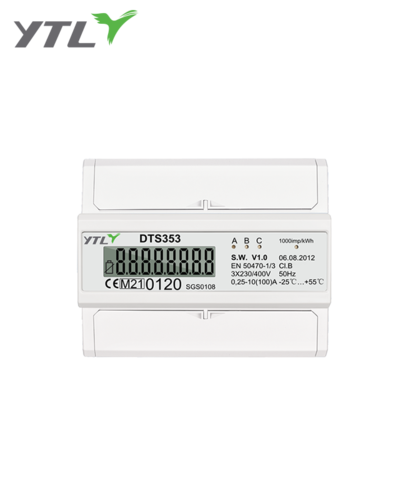
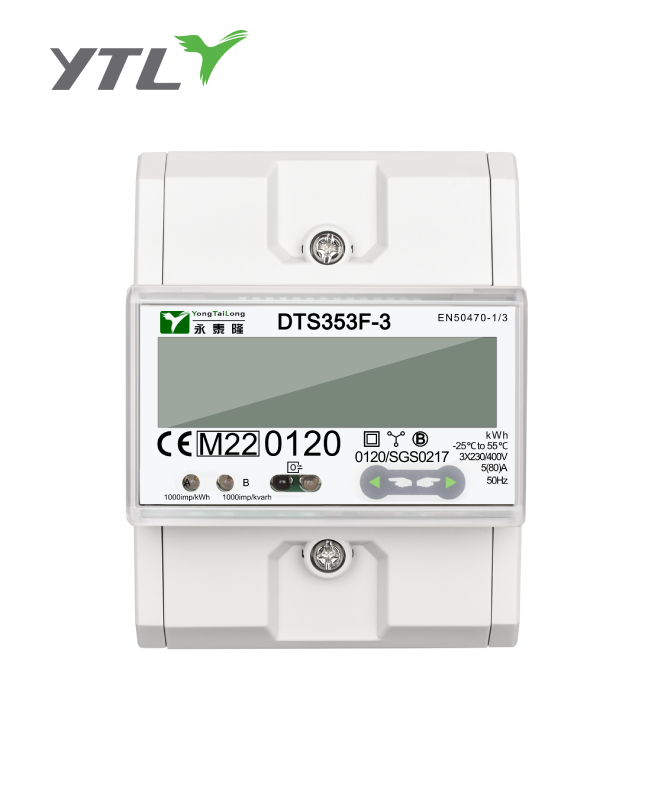
| Three-Phase Electric Meter | High power-bearing capacity, suitable for three-phase power supply, high efficiency | Industrial workshops, large commercial buildings, manufacturing plants |
2026 Electric Meter Industry Trends: Price Recovery and Technological Upgrade
1. Price Recovery: From Low-Price Involution to Value Return
In recent years, the domestic electric meter industry has been trapped in a dilemma of low-price involution due to intensified homogeneous competition and continuous pressure on bidding prices, which has squeezed the profit space of enterprises. However, with the full implementation of the 2025 version of the smart electric meter new standard and the adjustment of State Grid bidding policies, the electric meter market has ushered in a price recovery trend. In the supplementary bidding of the 2026 State Grid metering equipment project, the prices of various types of smart electric meters have increased by more than 20% compared with the second batch of 2025, marking the comprehensive easing of the industry price war and the formal confirmation of the profit bottom line.
2. Technological Upgrade: The Transformation of Electric Meters into Core Energy Management Terminals
The 2025 version of the new smart electric meter standard has promoted a comprehensive technological upgrade of electric meters, changing their product positioning from a single measurement tool to a core terminal for user-side energy management in the new power system. Compared with the old standard, the new standard has higher requirements in terms of measurement accuracy, function expansion, performance adaptation and communication interaction: it can accurately monitor advanced electrical parameters such as harmonics and voltage imbalance, automatically record power faults and abnormal usage, support two-way metering and distributed photovoltaic grid-connected metering, and has stronger stability in extreme environments.
3. Market Demand: Concentration of Inventory Replacement and Supplementary Demand
In 2026, the demand for the electric meter industry will be concentrated, driven by three core factors: inventory replenishment, cycle replacement and new standard promotion. According to the conventional 8-10 year replacement cycle of electric meters, a large number of inventory electric meters have approached the replacement period, and the unfulfilled demand from the failed bidding batches in 2025 has also formed a strong supplementary demand. It is expected that the total bidding amount of smart electric meters of the State Grid in 2026 will increase by more than 40% year-on-year, and the demand for high-value-added products such as smart IoT electric meters and guide rail type electric meters will grow rapidly.
4. Global Market Expansion: Overseas Demand Becomes a New Growth Engine
With the acceleration of global energy transformation, the demand for smart electric meters in overseas markets is continuing to explode, becoming a second growth curve for domestic electric meter manufacturers. Europe has clearly proposed to complete the full replacement of smart electric meters by 2030, and the penetration rate of smart electric meters in emerging markets such as Southeast Asia and Latin America is rising rapidly. In 2025, the export volume of China's smart electric meters exceeded 4.5 billion US dollars, a year-on-year increase of 58%, showing strong growth momentum. Domestic enterprises are actively exploring overseas markets through localized production, obtaining international certifications and joint ventures and cooperation.
Key Considerations for Choosing High-Quality Electric Meters
For manufacturers, distributors and end users, choosing a high-quality electric meter is crucial to ensuring accurate measurement, safe operation and long-term use. The following are the key considerations:
- Measurement Accuracy: Choose products that meet national or international standards, with accuracy levels matching the application scenario (e.g., 0.2S level for industrial use, 0.5S level for commercial use).
- Compliance with Standards: Ensure the product complies with the 2025 version of the smart electric meter new standard and relevant certification requirements to avoid being eliminated due to non-compliance.
- Product Durability: Select products with strong stability, corrosion resistance and anti-interference ability, which can adapt to different working environments such as high and low temperatures.
- Function Matching: According to the application scenario, select electric meters with corresponding functions, such as bidirectional metering for new energy projects and remote monitoring for smart communities.
- Manufacturer Strength: Choose manufacturers with mature R&D capabilities, large-scale production capacity and perfect after-sales service to ensure product quality and technical support.
FAQ About Electric Meters
- Q: What is the main function of an electric meter? A: The main function of an electric meter is to measure the amount of electrical energy consumed by a residence, business or electrical equipment over a specific period, which is the basis for utility companies to calculate electricity bills and for users to monitor energy consumption.
- Q: What is the difference between a smart electric meter and a traditional electric meter? A: Compared with traditional electric meters, smart electric meters have functions such as remote data transmission, real-time monitoring, bidirectional metering and IoT connection, which can realize automatic meter reading, peak/off-peak pricing and energy management, while traditional electric meters only have basic measurement functions and require manual meter reading.
- Q: How often should electric meters be calibrated? A: According to relevant national regulations, the calibration cycle of electric meters is generally 5-10 years, depending on the type of meter and the application scenario. Industrial electric meters with high precision requirements need more frequent calibration to ensure measurement accuracy.
- Q: Why is the 2025 version of the smart electric meter new standard important for the industry? A: The 2025 version of the new standard has upgraded the technical requirements of electric meters in many aspects, promoting the transformation of electric meters from single measurement tools to core energy management terminals, which helps optimize the industry competition pattern, improve product quality and promote the intelligent upgrading of the power grid.
- Q: What are the development prospects of the global electric meter market? A: The global electric meter market is showing a steady growth trend, with a CAGR of 8.94% from 2024 to 2032. Driven by the global energy transformation and the promotion of smart grid construction, the demand for smart electric meters will continue to grow, and emerging markets such as Southeast Asia and Latin America will become important growth points.
References
- Zhejiang Yongtailong Electronic Co., Ltd. Power Meters 101: Everything You Need to Know to Choose, Use, and Train, 2025.
- Fortune Business Insights™. Smart Electric Meter Market Size, Share, & Industry Analysis, By Type, By Application, and Regional Forecast, 2024-2032, 2025.
- PV Solarize. Exploring Different Types of Electricity Meter – Your Guide, 2025.
- Eastron Electronic Co., Ltd. Understanding How Energy Meters Work and Why It Matters for Your Home or Business, 2025.
- Wikipedia. Electricity Meter, 2026.
.png?imageView2/2/w/500/h/500/format/png/q/100 "YTL China Single Phase IC card Prepayment Electricity Meter")