
 English
 简体中文
简体中文



Recently, the European prepaid electricity meter market has shown a strong development momentum. With the growing demand for intelligent energy management, prepaid electricity meters, as an efficient tool for electricity consumption management, are attracting increasing attention.
In terms of technological innovation, European electricity meter manufacturers have actively invested in research and development to continuously enhance the functions and performance of prepaid electricity meters. For instance, some new-generation meters are equipped with advanced communication modules, supporting multiple communication methods such as Bluetooth, Wi-Fi, 4G/5G, and industrial Ethernet. This enables users to monitor electricity consumption in real time, recharge and pay bills remotely via mobile apps, computer software, or cloud platforms, significantly improving the convenience of energy management.
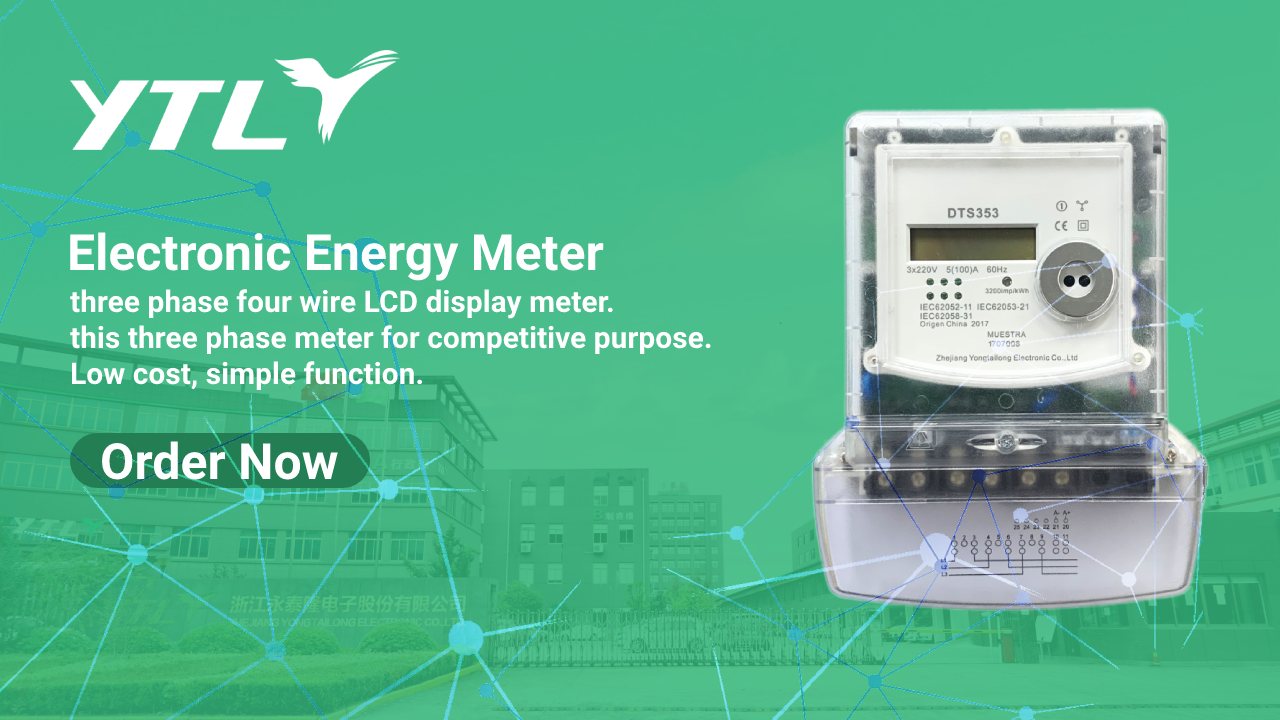
Meanwhile, these meters also possess powerful data processing capabilities, which can accurately collect and analyze power data including voltage, current, power factor, and harmonics. They provide users with detailed power quality reports, helping enterprises implement preventive maintenance and reduce operating costs.
From the perspective of market application, prepaid electricity meters have been widely used in multiple fields across Europe. In the residential sector, particularly in rental houses and apartment buildings, prepaid electricity meters allow landlords and tenants to gain a clearer understanding of electricity usage, effectively avoiding disputes over electricity bills. Tenants can purchase electricity in advance according to their own needs and flexibly control electricity costs; landlords, on the other hand, can keep track of the electricity consumption status of the property in real time through remote monitoring, simplifying the management process. Commercial buildings such as shopping malls and office buildings have also adopted a large number of prepaid electricity meters. By accurately measuring and managing electricity consumption in different areas, they realize optimized energy allocation and reduce overall energy consumption. Additionally, in the industrial sector, prepaid electricity meters can help enterprises monitor the electricity usage of production equipment in real time, arrange production plans rationally, improve energy utilization efficiency, and lower production costs.
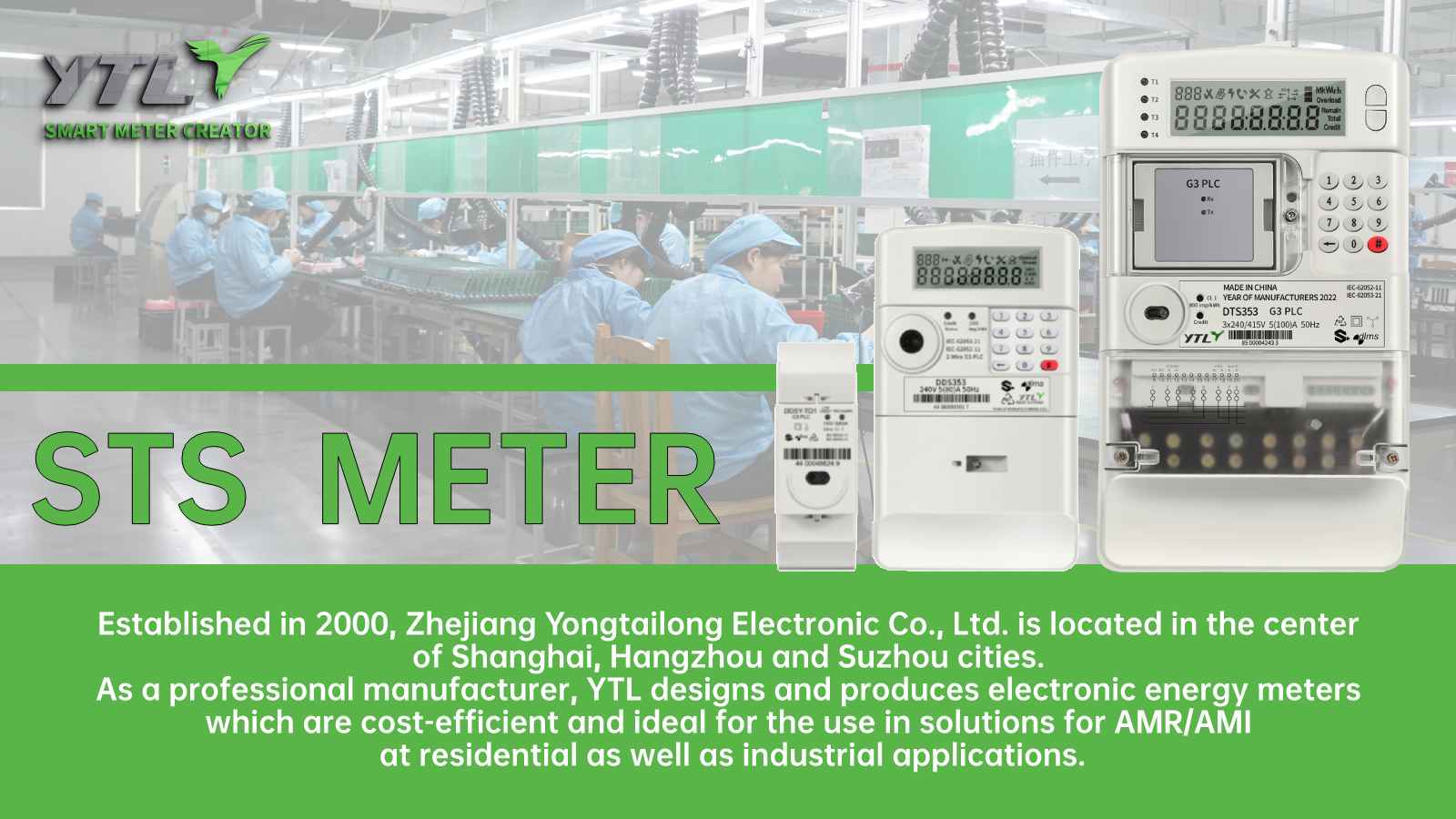
Data from market research institutions shows that over the past few years, the scale of the European prepaid electricity meter market has continued to expand, with a growth rate significantly higher than that of the traditional electricity meter market. It is expected that in the next few years, as Europe continues to advance its energy conservation and emission reduction goals and accelerate the construction of smart grids, the prepaid electricity meter market will maintain a growing trend.
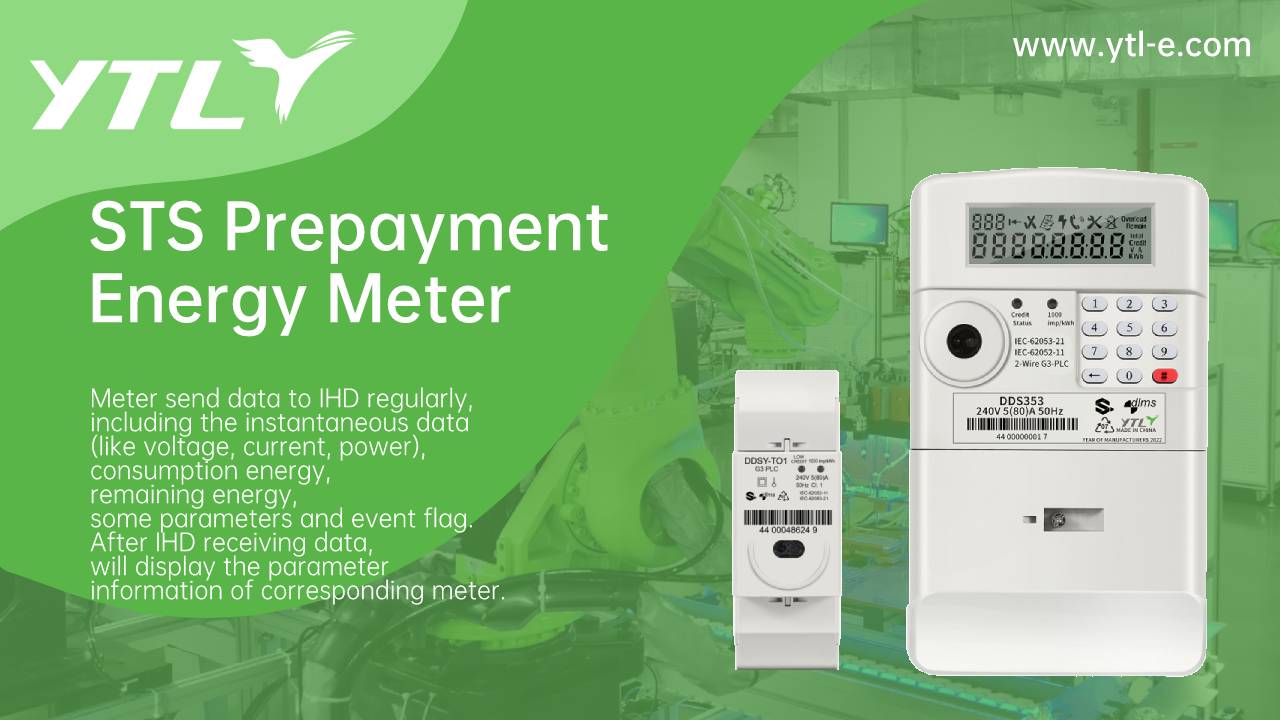
Industry experts point out that the widespread application of prepaid electricity meters not only helps users better manage energy consumption but also provides power companies with more efficient billing and management methods, reducing the risk of unpaid fees and improving operational efficiency. At the same time, it is also a crucial part in promoting the transformation of Europe's energy industry towards intelligence and green development. With the further maturity of technology and the continuous release of market demand, prepaid electricity meters are expected to play a more critical role in Europe's energy management sector, providing strong support for building a sustainable energy system.
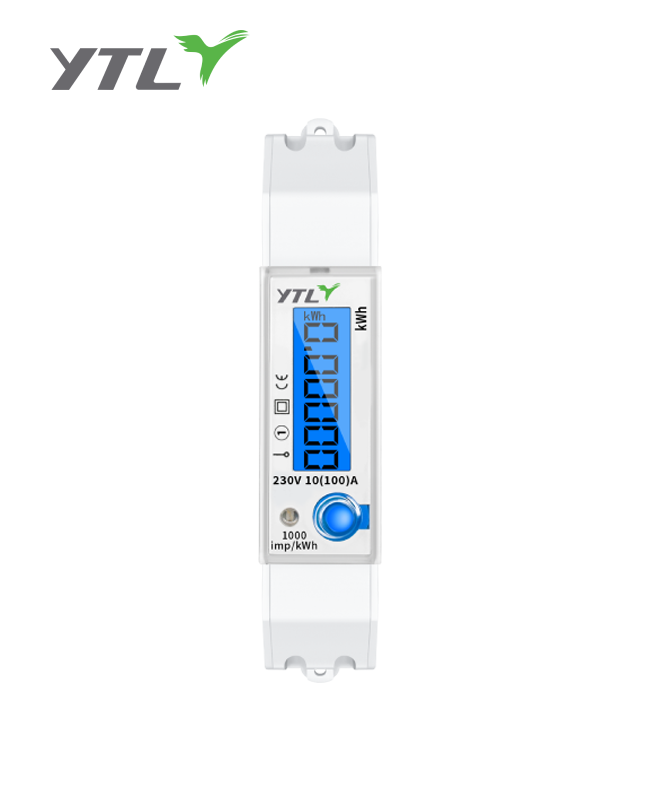
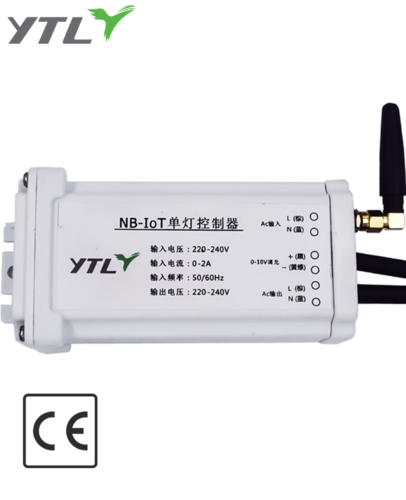
.png?imageView2/2/w/500/h/500/format/png/q/100 "YTL STS Prepaid Wi-Fine Energy Meter Single Phase Wall")
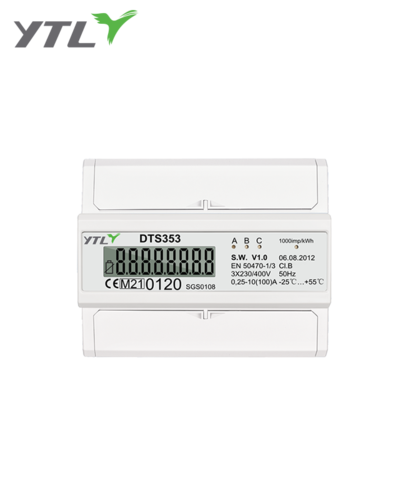
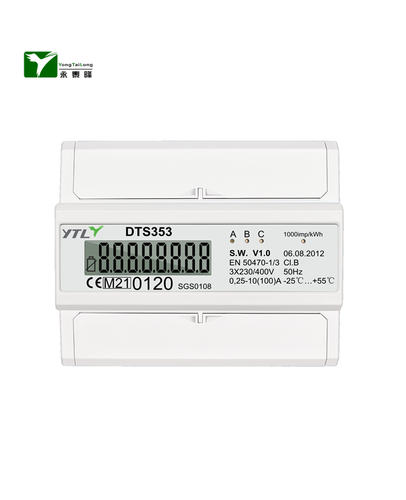
.jpg?imageView2/2/w/500/h/500/format/png/q/100 "YTL Company DTS353C DIN Rail 3P 4 Model Electricity Meter MID")
.png?imageView2/2/w/500/h/500/format/png/q/100 "YTL Two Phase Three Wire Big counter Electricity Meter")