
 English
 简体中文
简体中文



A. The core needs of photovoltaic power generation and the natural adaptability of DC meters
The photovoltaic system directly converts solar energy into direct current (DC) through photovoltaic modules. Its output characteristics (such as voltage and current fluctuations) are essentially different from alternating current (AC). As a photovoltaic equipment manufacturer, we are well aware that DC meters are the "first checkpoint" for power monitoring in photovoltaic power generation systems. Its necessity is reflected in the following core links:
1. Source matching
If the DC power output by photovoltaic modules is directly connected to the AC meter, it must first be converted into AC power through an inverter, but DC side monitoring before inversion is crucial for system efficiency evaluation. For example, in a string photovoltaic system, a DC meter can monitor the output power of each string of modules in real time (unit: kW), helping to quickly locate faults such as shadow obstruction and module damage (reference: IEC 62446-1 standard requires DC side power measurement).
2. Efficiency optimization needs
The DC meter directly measures the DC current and voltage through a high-precision shunt or Hall sensor, and combined with the MPPT (maximum power point tracking) algorithm, it can optimize the energy utilization rate at the input end of the inverter. The measured data of a commercial and industrial photovoltaic power station showed that after the use of DC meters, the overall power generation efficiency of the system increased by 3%-5% (case source: a manufacturer's 2022 power station operation report).
B. Application limitations and pain points of AC meters on the DC side of photovoltaics
Although some users have tried to use AC meters to indirectly calculate DC power generation, from the practical experience of manufacturers, this method has significant defects:
1. Conversion loss and error superposition
AC meters need to rely on external current transformers (CT) or voltage converters, resulting in additional energy loss (typical value 0.5%-1%), and multi-level signal conversion will accumulate measurement errors (the error chain may exceed ±2%).
2. Lack of fault diagnosis capability
DC meters can capture abnormal current-voltage (I-V) curves at the string level (such as PID effect, hot spot effect), while AC meters can only monitor comprehensive data after inversion and cannot locate the specific fault location. Statistics from a European photovoltaic operation and maintenance company show that systems using DC meters can shorten troubleshooting time by more than 60%.
For photovoltaic systems, DC meters are not only measurement tools, but also core equipment for improving power generation efficiency and reducing operation and maintenance costs. As a professional DC meter manufacturer, we continue to provide more reliable DC metering solutions to global customers through technological innovation and customized services. For detailed technical parameters, please contact our engineering team.
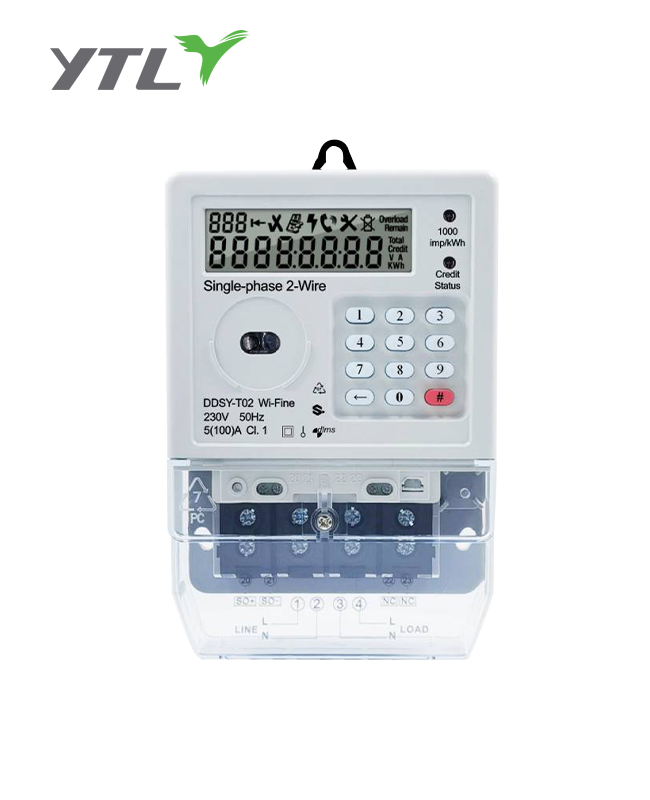
.png?imageView2/2/w/500/h/500/format/png/q/100 "YTL China Single Phase IC card Prepayment Electricity Meter")