

 English
 简体中文
简体中文


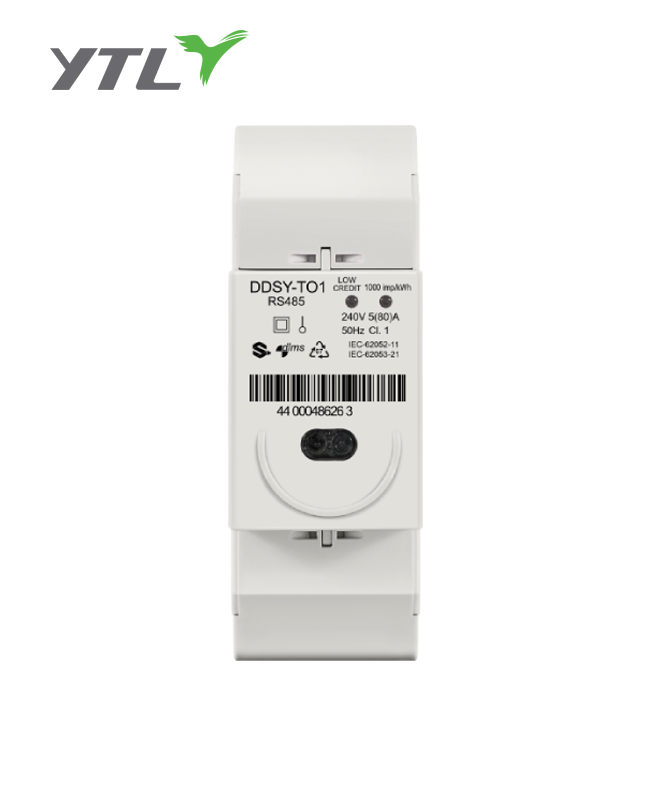
Established in 2000, Zhejiang Yongtailong Electronic Co., Ltd. is located in the center of Shanghai, Hangzhou and Suzhou cities. As a professional China Data center manufacturers and Data center Factory, YTL designs and produces electronic energy meters which are cost-efficient and ideal for the use in solutions for AMR/AMI at residential as well as industrial applications.YTL was one of the first companies in the domestic market with which had an internal R&D department as well as international sales business. YTL is devoted to develop and design all types of wholesale Data center, concentrators and solution applications. At present our export volume makes us a leading company for technology and product export to more than 50 countries throughout the world.
Data center Factory
Data center manufacturers
In the past 20 years, YTL have been committed to the development and provision of cost-effective products and services in the fields of smart metering, energy saving, and power monitoring.
Welcome To A National High-tech Enterprise
-
2000
Established In
-
500+
Employees
-
50+
Export Country
-
350+
Design Right Patent

YTL Honor
-
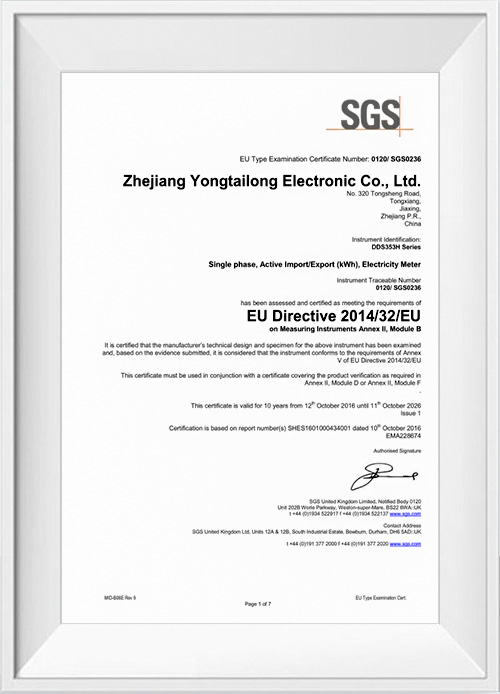
MID
-
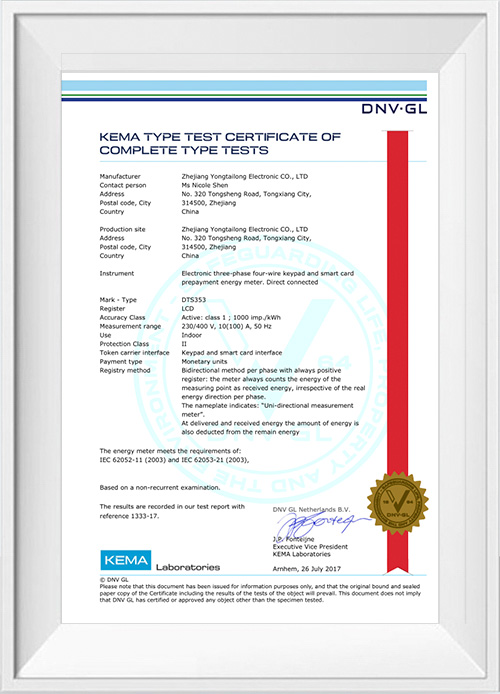
KEMA
-
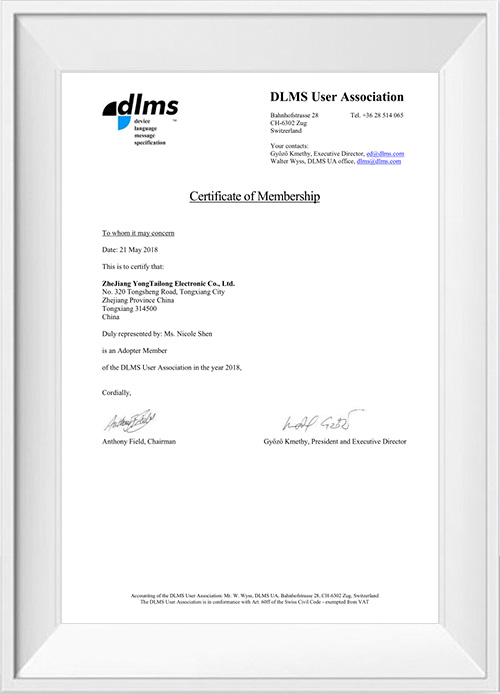
DLMS
-
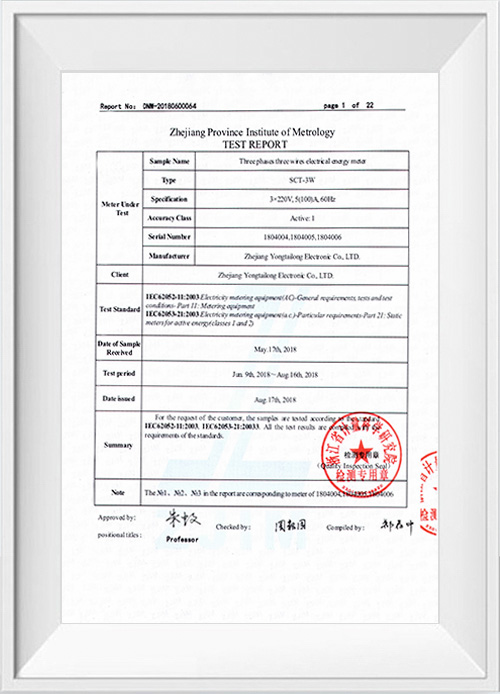
IEC
-
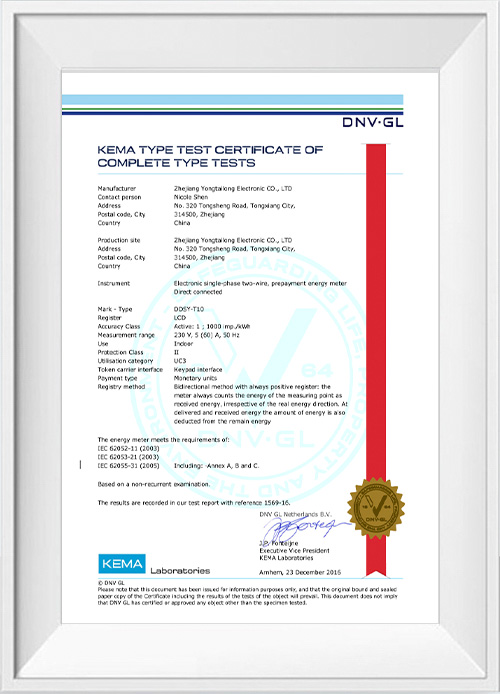
KEMA
-
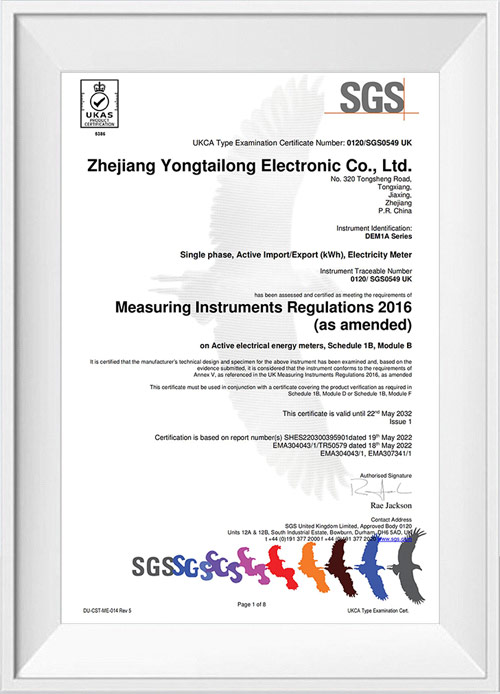
SGS
YTL News
View All News-
Smart Meter Solution for Industrial Parks
2026-04-28Driven by industrial digital transformation and green low-carbon development, industrial parks, as core carriers of industrial aggregation, rely on refined and intelligent power management to directl...
-
Energy Management of Prepaid Meters
2026-04-27Against the backdrop of increasingly popular digital energy management and control, prepaid meters, as core terminals in the energy management system, are gradually replacing traditional power meters...
-
Professional Selection and Technical Comparison of Modern Smart Meters
2026-04-26Introduction to Intelligent Metering Systems The global industrial landscape is undergoing a significant transition from traditional mechanical metering to advanced smart metering infrastructure. For ...
-
Working Principle of Prepaid Meters & Comparative Analysis of DC Meters and Smart Meters
2026-04-25I. Working Principle and Technical Architecture of Prepaid Meters 1.1 Basic Definition A prepaid meter is an electric energy metering device adopting the "purchase electricity first, consume later" m...
Industry Knowledge Extension




-
Mobile
-

Wechat
-

Whatsapp
-
- ABOUT YTL
- About YTL
- Factory
- Honor
- Development
-
- YTL culture
- Culture
- Values
- Advantage
- Three Phase kWh Meter
-
- products
- Single Phase Din Rail Meter
- Three Phase Smart APS Electric Energy Meters
- Three Phase Multi Function Electronic Energy Meter
- Digital Electric Meters
- Electronic Energy Meter
- Electronic Energy Meters
- Three Phase Keypad split type Energy Meter
- Single Phase IC Card Prepayment Energy Meters
- Three Phase Anti-tamper Suspension Energy Meters
-
- Information Activity
- Exhibition News
- Blog
- Knowledge
- Staff Activity
- Industry news
- Single Phase Smart Watt Hour Meter
COPYRIGHT © 2020 Zhejiang Yongtailong Electronic Co., Ltd. ALL RIGHTS RESERVED .  Wholesale Data center Manufacturers