1. What Is an EV Charging Energy Meter?
An EV charging energy meter is an AC or DC energy-measuring device used within an electric vehicle charging system to measure electrical energy at a defined measurement point.
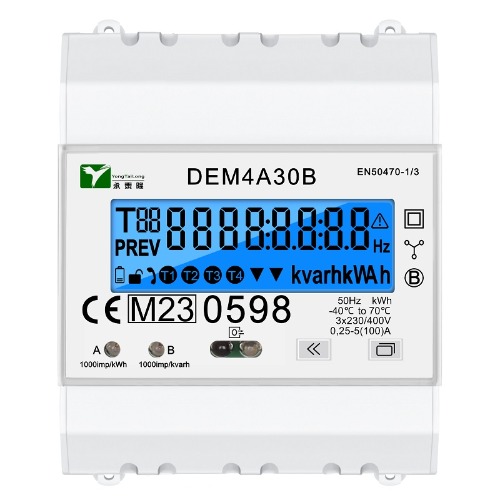
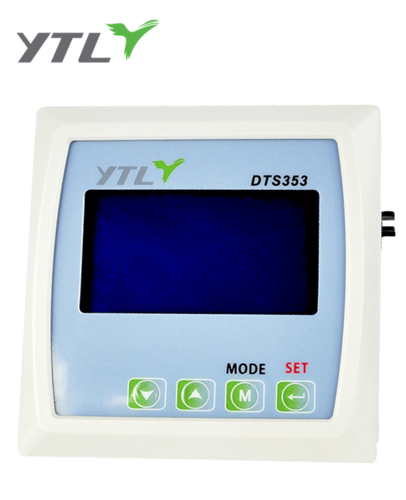
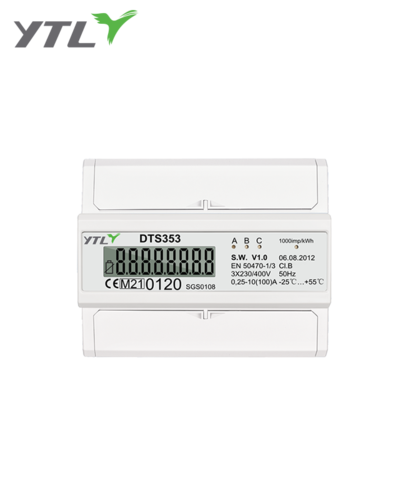
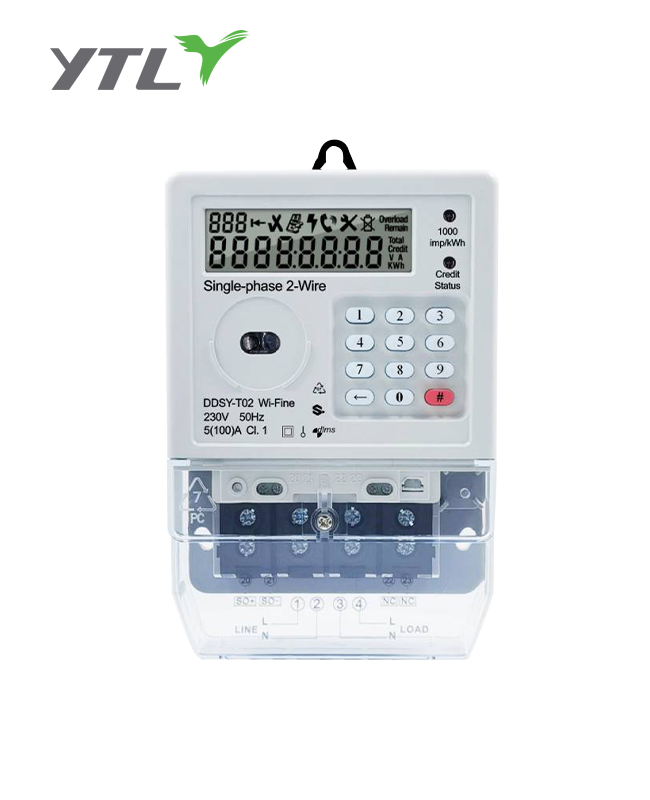
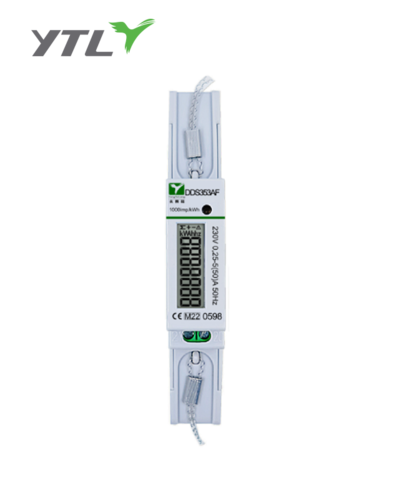
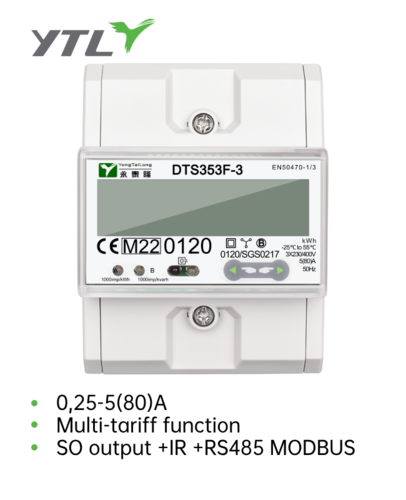
An EV charging energy meter may be a general-purpose or EVSE-oriented AC/DC energy meter supplied as a DIN rail device, a panel-mounted instrument or an embedded metering module integrated into EVSE hardware.
The meter provides electrical measurement data. Its physical location determines what the device directly measures.
Where MI-011 applies, the legally relevant result depends on the specified transfer point and the complete EVSE measuring-system architecture. Other legal-metrology frameworks may define different measurement boundaries and assessment requirements.
Not every energy meter used in EV charging is intended or assessed for regulated billing. Billing suitability depends on the meter model, conformity-assessment scope, metering boundary, complete EVSE measuring-system architecture and target-market requirements.
2. An EV Charging Meter Is Not a Control System
An EV charging energy meter is primarily a measurement device. It does not independently determine charging strategy, customer tariffs or load-control actions.
Depending on the selected model, it may provide:
- Energy
- Voltage
- Current
- Active power
- Reactive power, frequency and power factor for AC meters, where supported
- Import and export registers
- Per-phase measurements for AC polyphase meters, where supported
- Meter status or alarms
Higher-level functions are performed by:
- The charger controller
- Charging-station software within the EVSE
- A Charging Station Management System (CSMS)
- An Energy Management System (EMS)
- A billing, payment or settlement platform
These systems may use meter values for monitoring, energy allocation, transaction processing, reporting, billing calculations or energy optimization.
3. What Data Does an EV Charging Energy Meter Provide?
3.1 Meter-provided electrical values
Depending on the selected model, the meter may provide:
- Cumulative active energy
- Voltage
- Current
- Active power
- Reactive power, frequency and power factor for AC meters, where supported
- Import and export energy
- Per-phase measurements for AC polyphase meters, where supported
- Meter status or alarms
These electrical values originate from the metering device.
3.2 System-derived or session-associated data
The charger controller or charging-station software may capture, calculate or associate meter values with:
- Transaction-start meter values
- Transaction-stop meter values
- Calculated session energy
- Timestamps
- EVSE or connector association
- Transaction identifiers
- Stored session records
- Data transmitted to a CSMS
These fields may be captured, calculated or associated at system level. They are not all direct meter outputs or internal meter registers.
4. EV Charging Meter Data Flow
An EV charging system combines electrical measurements from the meter with transaction and communication data handled by the controller and charging-station software.
A simplified data flow is:
Energy Meter
→ Charger Controller
→ Charging-Station Software
→ OCPP Communication
→ CSMS
Depending on the architecture, selected data may also be shared with an EMS or energy optimization platform.
OCPP standardizes communication between a Charging Station and a CSMS. Metering accuracy and legal relevance depend on the metering hardware, the complete EVSE measuring-system architecture and the applicable legal-metrology framework. OCPP conformity is a separate communication-layer consideration.
5. Metering Point versus Specified Transfer Point
The meter provides electrical measurement data at a defined measurement point within the EVSE system.
The metering point is the physical location where electrical quantities are measured.
Where MI-011 applies, the specified transfer point is the point at which the electric vehicle is connected to the measuring system for EVSE.
The specified transfer point determines the legally relevant measurand and the point at which measuring-system accuracy is evaluated. Other applicable metrological requirements apply to the complete EVSE measuring-system configuration.
The meter may be located upstream of the transfer point. Its physical location determines what it directly measures, while the complete system architecture determines how the legally relevant result is measured, processed, protected and presented.
AC charging systems
In an AC charging system, the specified transfer point is the point at which the electric vehicle is connected to the EVSE measuring system and AC energy is transferred.
AC input metering measures energy supplied to the EVSE and may include auxiliary consumption located downstream of the meter.
The selected meter location determines whether EVSE control electronics, communication modules, displays or other auxiliary loads are included in the measured result.
DC fast-charging systems
A DC fast-charging system may use AC input metering, DC output metering or both.
AC input metering measures energy supplied to the DC charger and may include auxiliary consumption located downstream of the meter.
DC output metering measures DC energy at the defined output-side measurement point, in either direction where bidirectional vehicle charging is supported.
AC input and DC output measurements represent different energy boundaries and should not be treated as interchangeable.
Where cables, connectors or other metrologically relevant components are located between the measurement point and transfer point, their effects must be addressed in the complete measuring-system design where applicable.
6. Common EV Charging Meter Categories
AC energy meters
Used in AC charging circuits or EVSE input circuits.
DC energy meters
Used on the DC side of charging equipment, including output-side and internal monitoring architectures.
Measurement architectures
- Direct-connected meters
- CT-operated meters
- Shunt-based DC meters
- Embedded metering modules
Application-based classification
- Monitoring applications
- Energy allocation applications
- Billing-related architectures where the applicable legal-metrology and conformity-assessment requirements are satisfied
Installation forms
- DIN rail devices
- Panel-mounted instruments
- Embedded EVSE modules
7. What EV Charging Meter Data Can Be Used For
Depending on system design, EV charging meters support:
- Energy monitoring
- Load visibility
- Internal energy allocation
- Charging session analytics
- Billing-related architectures where the applicable legal-metrology and conformity-assessment requirements are satisfied
- System-level energy analysis
They do not perform:
- Charging control
- Tariff decisions
- Load optimization
- Charging scheduling
- CSMS-level management
8. Key Selection Considerations
When selecting an EV charging energy meter, the following should be confirmed:
- Charging architecture (AC or DC)
- Metering point (input, circuit or output)
- Specified transfer point (where applicable)
- Measurement method (direct, CT, shunt, embedded)
- Electrical range (voltage and current)
- Required measured values
- Intended application (monitoring, allocation, billing-related)
- Meter accuracy class and, where applicable, complete-system accuracy requirements
- Communication interface and protocol (RS485 with Modbus RTU)
- Data format (register map, scaling, units)
- Timing and refresh requirements
- Installation constraints
- Conformity-assessment or certificate scope and target-market requirements
- Integration testing requirements
9. FAQ
What is the difference between AC and DC EV charging meters?
AC meters measure AC active energy at a defined point in an AC charging circuit or at the AC input of charging equipment. DC meters measure DC energy at a defined point on the DC side of charging equipment. The two types measure different electrical quantities and may represent different energy boundaries.
Does an EV charging meter directly provide session energy?
Not always. Session energy is typically derived from start and stop readings captured by the charging system.
Where should an EV charging meter be installed?
It depends on system architecture. It may be placed at the input, internal circuit or DC output depending on the required measurement boundary.
Does Modbus guarantee compatibility with an EVSE controller?
No. Compatibility depends on register mapping, scaling, data types, communication settings and controller implementation.
Can any energy meter be used for EV charging billing?
No. Suitability depends on conformity-assessment scope, metering boundary, complete EVSE measuring-system architecture and target-market requirements.
Does an EV charging energy meter communicate directly with an OCPP platform?
Normally, no. The meter typically communicates with the EVSE controller through a local interface or protocol such as RS485/Modbus. The charging station then exchanges transaction and metering data with the CSMS through OCPP. The exact architecture depends on the charger design.
Learn more about OCPP and EV charging meter data
10. Conclusion
An EV charging energy meter provides the electrical values required for energy monitoring, charging-session processing and system integration.
The selected meter must match the AC or DC charging architecture, physical metering point, electrical range, measurement method, communication requirements and intended application.
Where billing or legal-metrology requirements apply, the meter must be evaluated as part of the complete EVSE measuring-system architecture. A suitable meter is an important measurement component, but it does not by itself establish complete-system conformity.
11. YTL Support
Zhejiang Yongtailong Electronic Co., Ltd. (YTL) can support the initial technical evaluation of AC and DC metering solutions for EV charging projects.
Support includes:
- Initial model selection
- Electrical range and architecture review
- Communication and register-map evaluation
- Sample testing
- Meter-to-controller interface review
- Project-specific technical discussion
Product capabilities vary by model, hardware, firmware, communication interface and conformity-assessment scope. Suitability for regulated billing or use within an MI-011 EVSE measuring-system project must be confirmed according to the selected meter and complete-system assessment route.

English
简体中文


.png?imageView2/2/w/500/h/500/format/png/q/100)


.png?imageView2/2/w/500/h/500/format/png/q/100)