
 English
 简体中文
简体中文



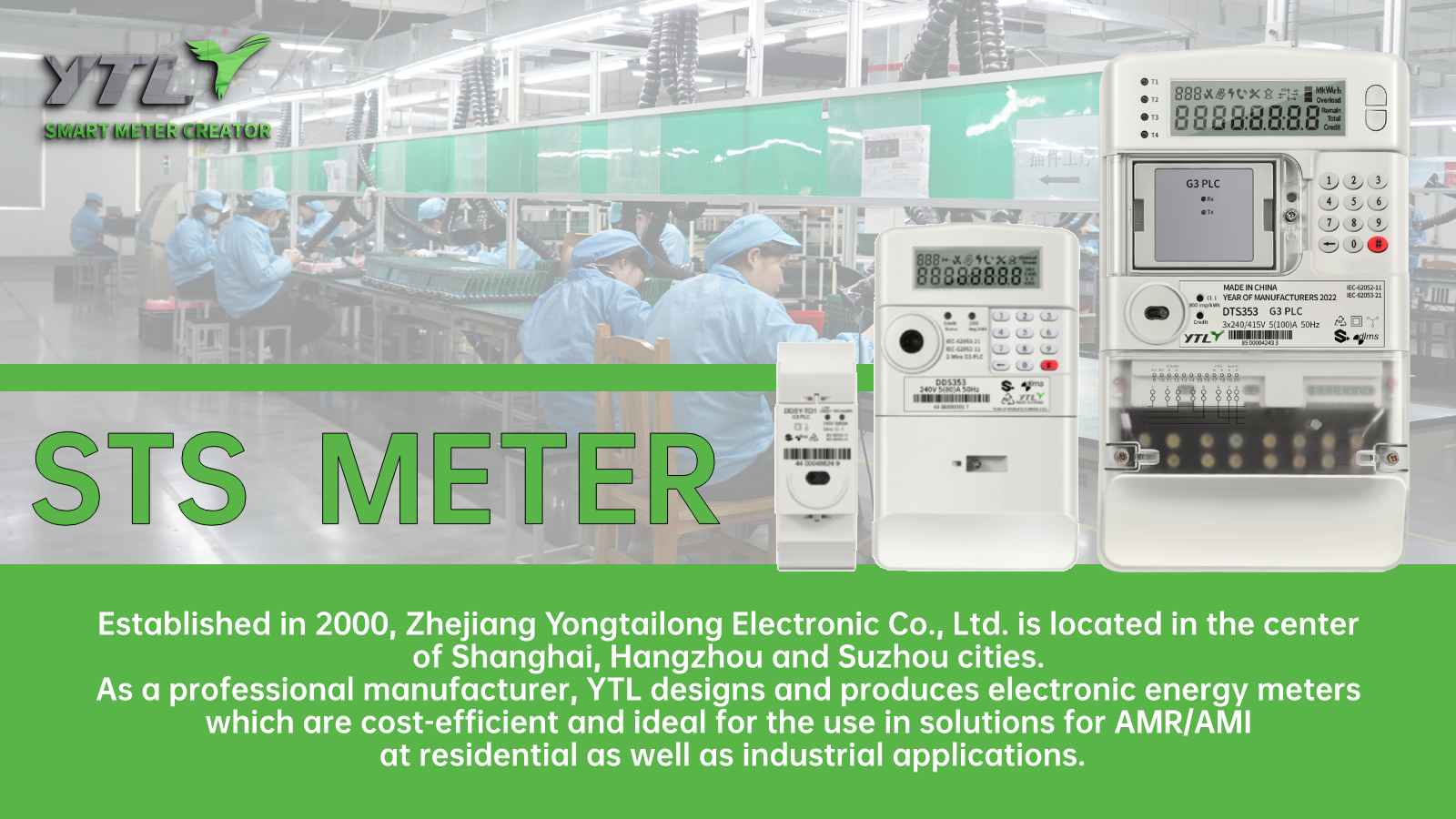
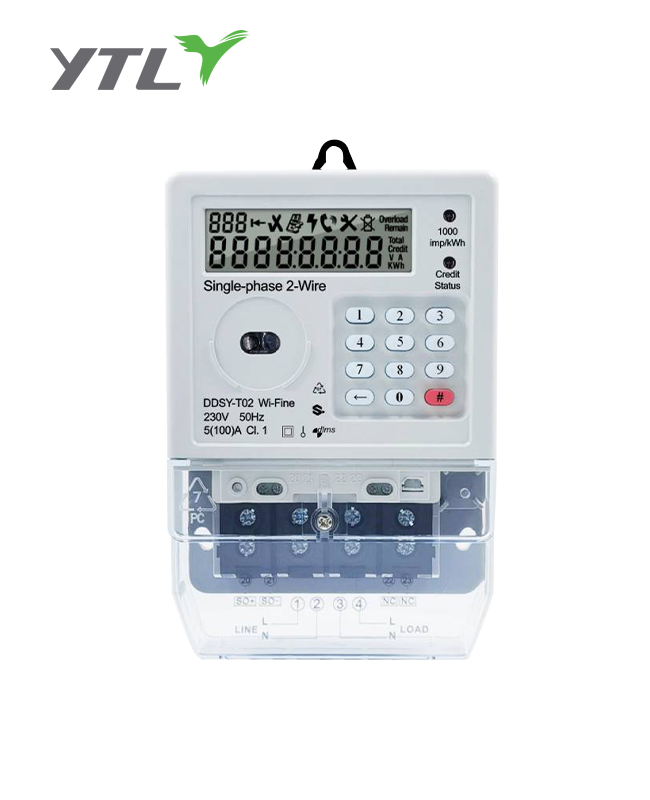
In the field of modern electric energy management, as an innovative metering device, prepaid electricity meters have completely revolutionized the traditional "consume first, pay later" model. Many users are curious about their operating mechanism. Understanding their working principle can not only dispel doubts but also help us recognize the value of their efficient management. The operation of a prepaid electricity meter is an automated closed-loop process integrating electric energy metering, expense calculation, communication and control functions. Its core lies in achieving precise control and management of electricity consumption through a prepayment model.
I. Core Mechanism of Electric Energy Metering and Fee Deduction
The foundation of a prepaid electricity meter’s operation is its accurate electric energy metering unit. Like ordinary meters, its internal sensors continuously monitor voltage and current in the circuit, and an embedded processor calculates real-time active power and cumulative consumed electric energy in real time. This metering process strictly complies with national metering standards to ensure accurate and impartial data.
At the same time, valid current electricity price parameters are stored inside the meter. As electricity is consumed, the meter’s microprocessor synchronously deducts funds from the user’s pre-deposited balance based on the formula: electricity consumed × current electricity price. This process is real-time and automatic. Users can check the remaining balance or electricity quantity on the meter’s display at any time, enjoying full transparency regarding their electricity consumption. This design, which directly converts physical power consumption into financial expenditure, forms the basis for the prepaid model to effectively manage energy use.
II. Communication Process of Electricity Purchase and Data Loading
The key to "purchasing electricity first" is secure and reliable data exchange. After a user pays via an online platform or an offline agent, the electricity purchase system generates a set of encrypted data containing information about the purchased electricity quantity or amount. This data must be loaded into the meter through a secure medium.
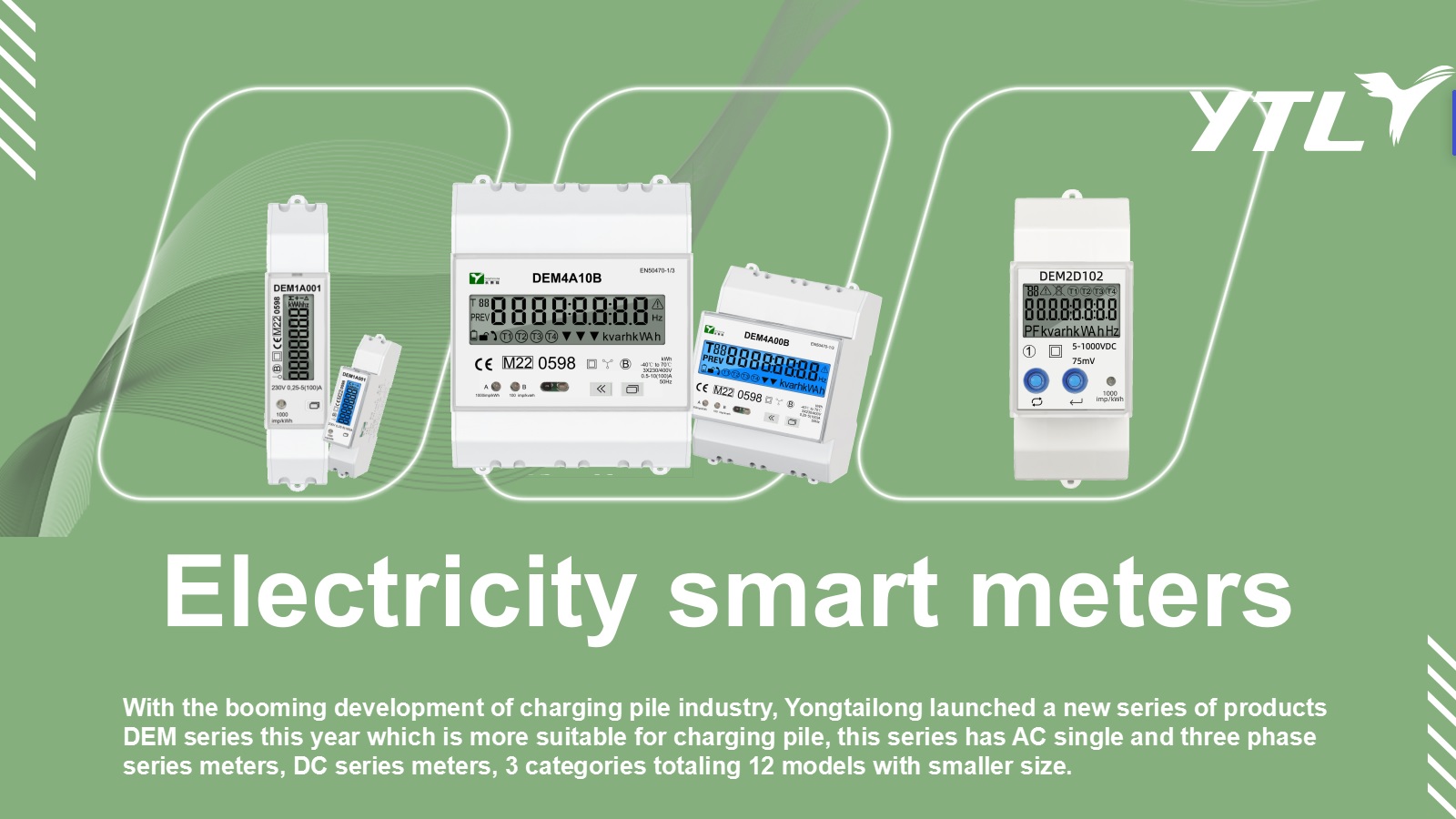
In the earlier IC card model, this data was written into a dedicated IC card. Users completed recharging by inserting the card into the meter’s card reader; after verifying the password, the meter stored the amount in its internal memory. Modern mainstream remote prepaid electricity meters are more convenient: they are equipped with built-in wireless communication modules (such as NB-IoT, 4G or LoRa) and can securely connect to the back-office management system directly via mobile networks. Once the user completes payment, the system issues encrypted recharging instructions to the meter through the cloud, completing top-up instantly without manual intervention. This remote communication capability is the core technology for building an intelligent prepaid system.
III. Automatic Management of Balance Warning and Arrears Control
A prepaid electricity meter is not only a metering device but also an automatic electricity consumption manager. To provide users with sufficient buffer time, a balance warning threshold is set inside the meter. When the remaining balance falls below the preset value, the meter actively issues an alert—usually by flashing the screen, beeping, or sending a reminder to the bound mobile phone—to prompt the user to purchase electricity in a timely manner.
If the user fails to recharge promptly and the balance drops to zero, the meter’s control unit automatically actuates its internal latching relay upon receiving instructions, cutting off the power supply circuit for automatic power outage. This control mechanism fundamentally eliminates electricity arrears. After the user successfully recharges, whether by card insertion or remote command, the meter immediately actuates the relay to close again and restore power once the data is verified as valid. The entire process of warning, power cutoff and restoration is fully automated, greatly improving the efficiency of electricity management and reducing the administrative cost of manual payment reminders.
Conclusion
In summary, the working principle of a prepaid electricity meter is a closed-loop system integrating accurate metering, real-time fee deduction, secure communication and intelligent control. By linking financial expenditure to physical energy consumption in real time, it grants users autonomous control over their energy use while providing managers with an efficient, dispute-free billing tool. Understanding this workflow helps us make better use of this intelligent device to achieve more scientific, transparent and efficient energy management.
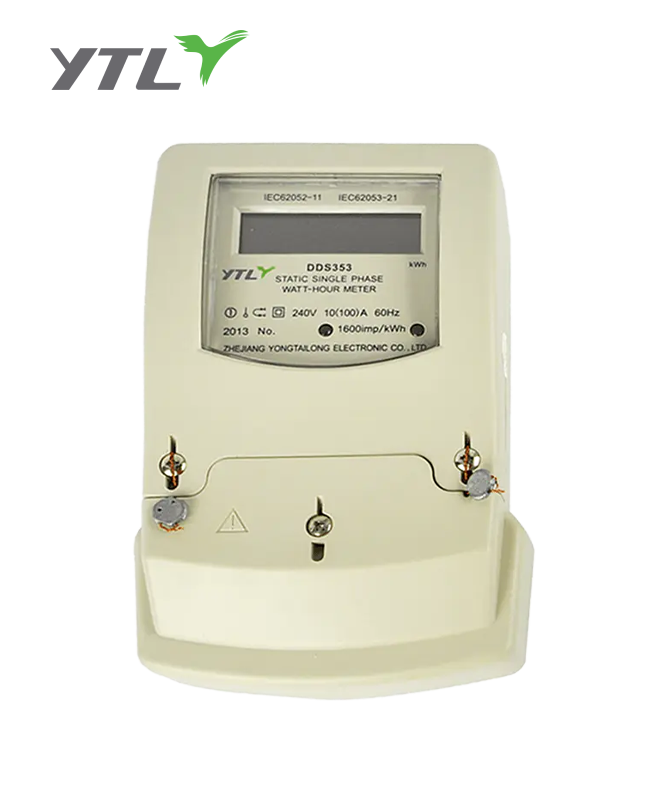

.png?imageView2/2/w/500/h/500/format/png/q/100 "YTL Single Phase Active Electronic Electricity Meter")