
 English
 简体中文
简体中文



In the most inconspicuous corner of the home, it hangs quietly on the wall. Behind its glass window lies the energy story of a household. It is neither an ornament nor a tech gadget, but a window through which the home converses with the energy world — the electricity meter.
Every early morning, before the first ray of sunlight pierces the curtain, it begins recording the soft hum of the coffee machine. Late at night, when all is still, it silently watches the warmth under the reading lamp. Within this simple square box beats the truest pulse of modern life.
Poetic Resonance of the Mechanical Age
Old induction electricity meters carry the unique aesthetic rhythm of the industrial era. Its spinning disc, like a wheel of time, turns steadily under electromagnetic force. Each rotation is a visual ode to Faraday’s Law of Electromagnetic Induction.
The gentle meshing of gears and the mechanical rhythm of moving pointers form the most constant background sound of a home. This direct correspondence between physical motion and energy consumption makes invisible electricity tangible. People can intuitively sense the flow of energy in their home by the speed of the spinning disc.
The Language of Energy in the Digital Age
As technology advances, electricity meters have learned new ways to express themselves. Numbers shift quietly on LCD screens, driven by high-speed sampling microprocessors and precision metering chips.
Smart electricity meters no longer merely record passively. They interpret consumption patterns, distinguish the energy signatures of different appliances, and even predict future energy demand. This evolution transforms the electricity meter from a passive recorder into an active analyst, telling deeper energy stories in the language of data.
The Civilizational Cornerstone of Fair Measurement
Before the electricity meter, measuring electricity consumption was more art than science. Early estimates based on the number of light bulbs or hours of use were neither fair nor accurate.
The widespread adoption of electricity meters shifted energy transactions from rough estimation to precise metering, laying the foundation for trust between suppliers and consumers. This precision is not only about commercial fairness but also a mark of civilizational progress. It signifies that human society has reached a new level in quantifying and managing intangible resources, enabling large-scale energy distribution.
Visual Enlightenment of Energy Conservation
Energy education often begins in front of the meter box. Parents point to the spinning disc and tell their children, “Look — that is electricity flowing.”
For many, reading the meter in youth is their first lesson in household chores. In adulthood, comparing monthly electricity usage becomes part of family budgeting. The electricity meter passes on energy awareness across generations in the most intuitive way.
Smart meters go further: they visualize real-time consumption data via mobile apps, giving instant feedback on conservation efforts and turning sustainable living from an ideal into daily practice.
Energy Imprints of Social Change
Changes in electricity meter readings reveal the trajectory of social evolution. During periods of economic growth, meters spin faster across society. In times of energy crisis, public attention turns to that rotating disc. As environmental awareness rises, differences between peak and off-peak usage become increasingly pronounced.
On a more intimate level, every household meter records shifts in lifestyle — from CRT TVs to ultra-thin displays, from fixed-speed air conditioners to smart appliances, from basic lighting to whole-home intelligence. Every technological iteration leaves a unique energy fingerprint on the meter.
A Hub in the Future Energy Landscape
In the blueprint of the energy internet, electricity meters take on an even greater mission. They will serve as interfaces for distributed energy networks, coordinating energy exchange between rooftop photovoltaics, energy storage systems, electric vehicles, and the main grid.
Future electricity meters may be more than metering devices — they could become intelligent dispatch centers for home microgrids. They will automatically optimize household energy flow based on electricity price signals, weather forecasts, and usage habits, maximizing both economic and environmental benefits.
The Art of Balancing Privacy and Transparency
The data-collecting capabilities of smart meters also raise new questions. They can detect when appliances turn on and off, infer household routines, and reveal patterns of daily life. Such data can improve energy services but may also cross into privacy.
Finding balance between energy efficiency and personal privacy has become an ethical imperative in electricity meter development. Ideal design gives users control over their data, protecting the privacy of home life while delivering intelligent services.
A Cross-Cultural Symbol of Energy
Across cultures, the electricity meter carries rich symbolic meaning. In resource-scarce regions, the first meter installed with access to electricity marks a milestone of modernization. In developed cities, sleek, concealed smart meters represent seamless technological integration.
Artists create installations inspired by meters; environmental groups use meter readings to advocate conservation; sociologists view meters as windows into household consumption patterns. This functional device has become a multifaceted text for interpreting modern civilization.
A Silent Epic of Energy
From early Edison-era prototypes to today’s bidirectional smart meters, the electricity meter has witnessed electricity evolve from a luxury to a necessity, and from a simple commodity to a manageable resource.
Its history reflects a profound shift in humanity’s relationship with energy — from reckless extraction from nature to learning to coexist harmoniously with it. Next time you pass a meter box, you may realize this humble device records more than kilowatt-hours. It preserves the collective memory of how civilization understands energy.
The electricity meter will continue to evolve, yet its core mission remains unchanged: to translate invisible energy flow into information that humans can understand, manage, and optimize.
In this era of energy transition, this quiet device on the wall is partaking in a silent yet profound revolution — one not only about technological upgrading, but about redefining our relationship with energy, and embracing gentle responsibility toward our planet while enjoying modern life.
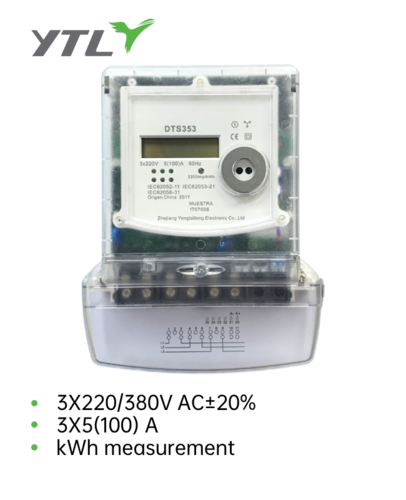
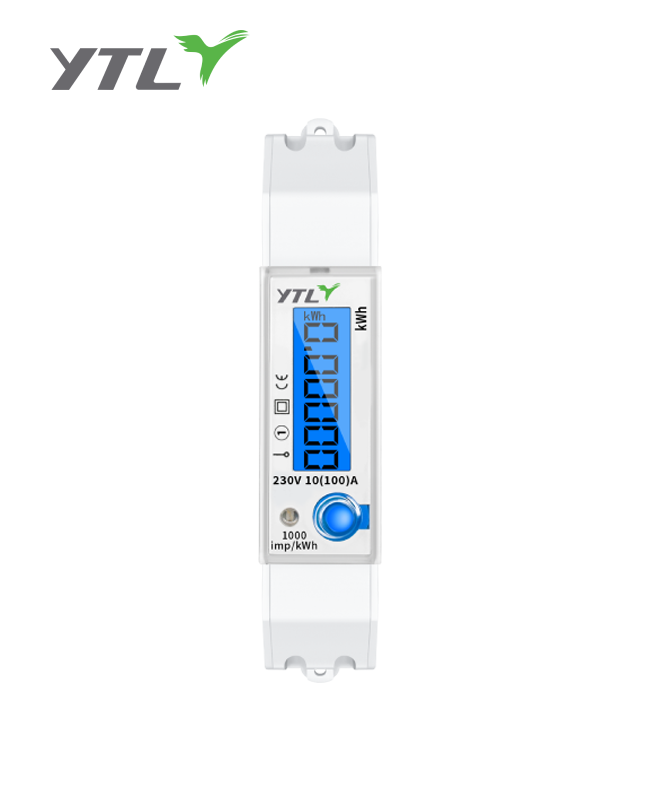
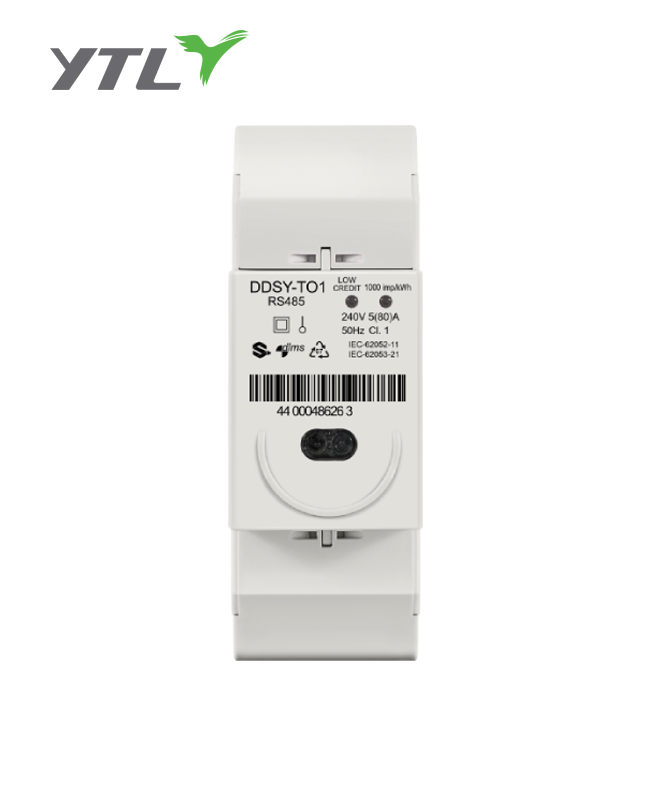
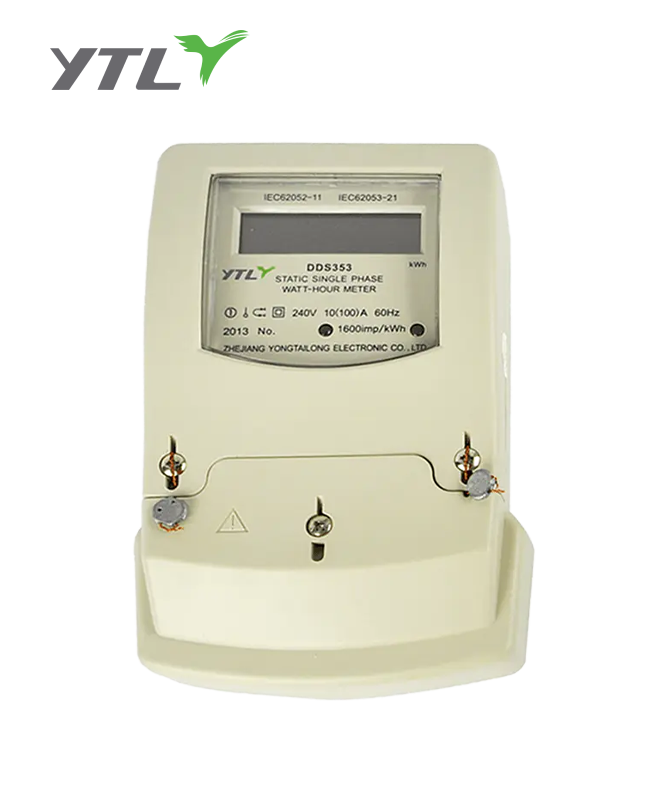
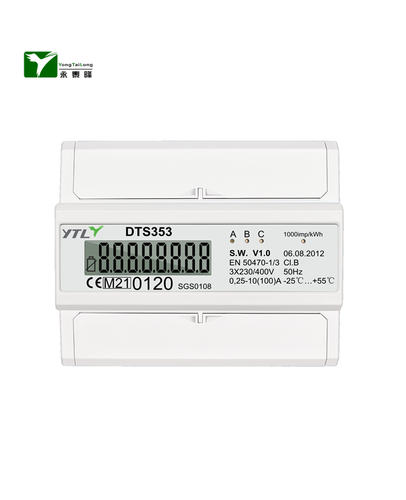
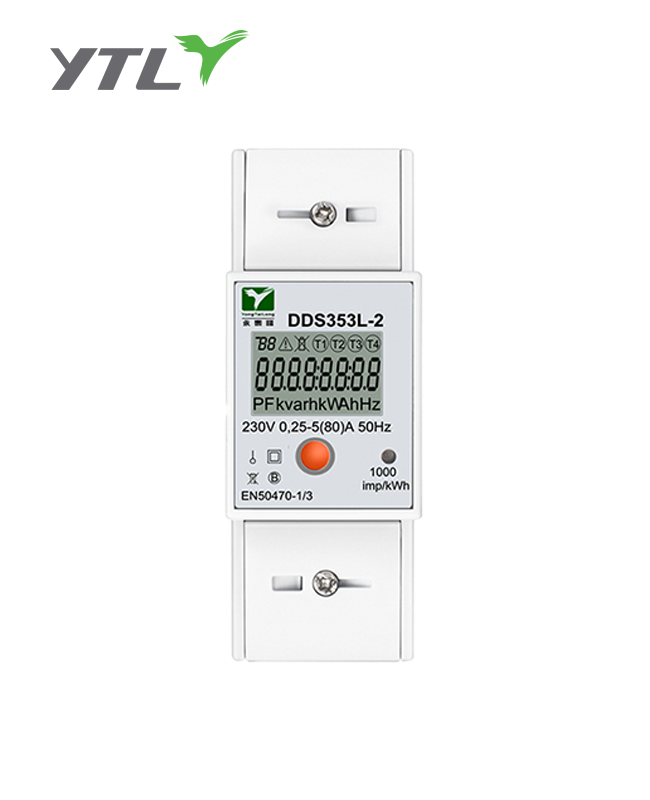
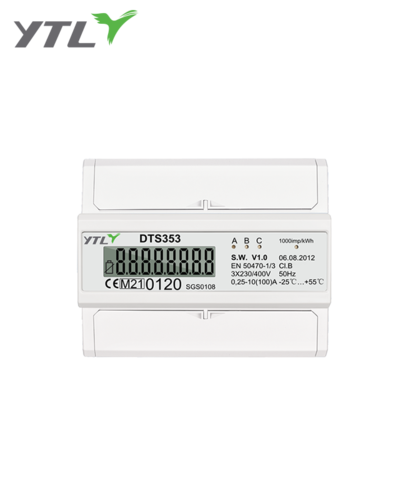
.jpg?imageView2/2/w/500/h/500/format/png/q/100 "YTL Company DTS353C DIN Rail 3P 4 Model Electricity Meter MID")
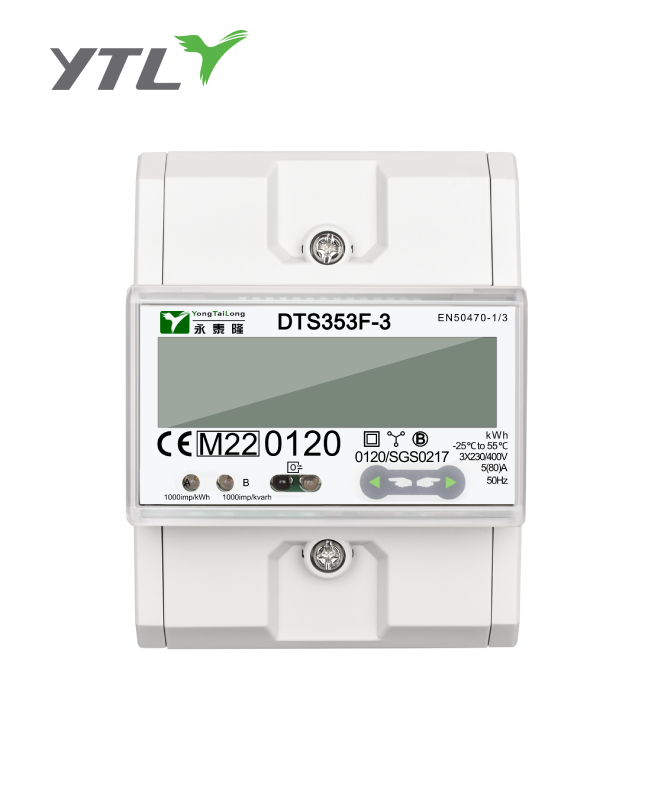
.png?imageView2/2/w/500/h/500/format/png/q/100 "YTL Two Phase Three Wire Big counter Electricity Meter")