
 English
 简体中文
简体中文



As we strive to create a more sustainable energy future, it is important to understand the differences between DC and AC energy meters. Both of these energy meters are used to measure the amount of energy that is being consumed by different appliances and devices. However, there are some distinct differences between the two types of energy meters that are worth exploring.
YTL DEM2D series DC energy meters are designed for measuring and monitoring in DC systems.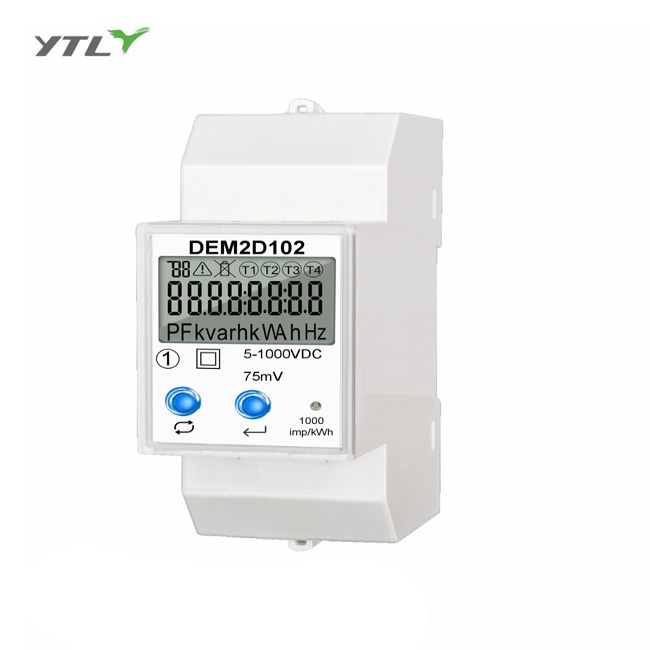
above all, DC energy meters are used to measure direct current (DC) energy, while AC energy meters are used to measure alternating current (AC) energy. The common source of DC energy is batteries, while AC energy is typically generated by power plants and transported to our homes through power grids. Consequently, the type of energy meter that is used will depend on the type of energy being measured.
Secondly, the way that these energy meters measure energy is also different. DC energy meters typically use a shunt resistor, which is placed in series with the load being measured. The voltage drop across the resistor is proportional to the amount of current flowing through it, and this can be used to calculate the amount of energy being consumed. AC energy meters, on the other hand, use either a current transformer or a voltage transformer to measure the energy. The transformer steps down the current or voltage being measured, allowing it to be measured more easily.
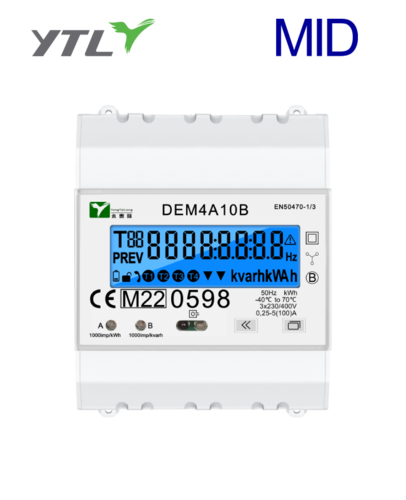
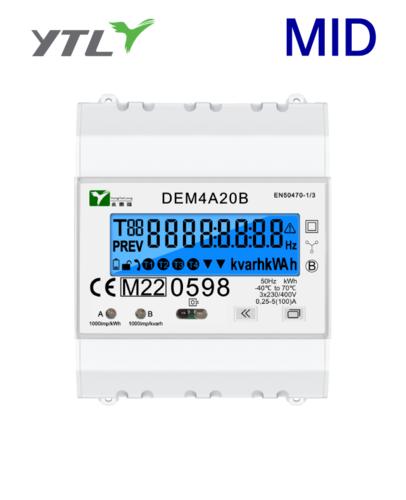
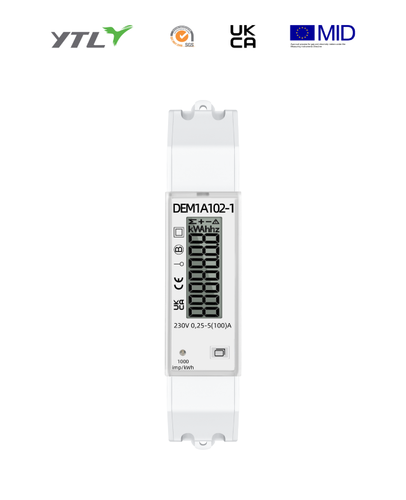
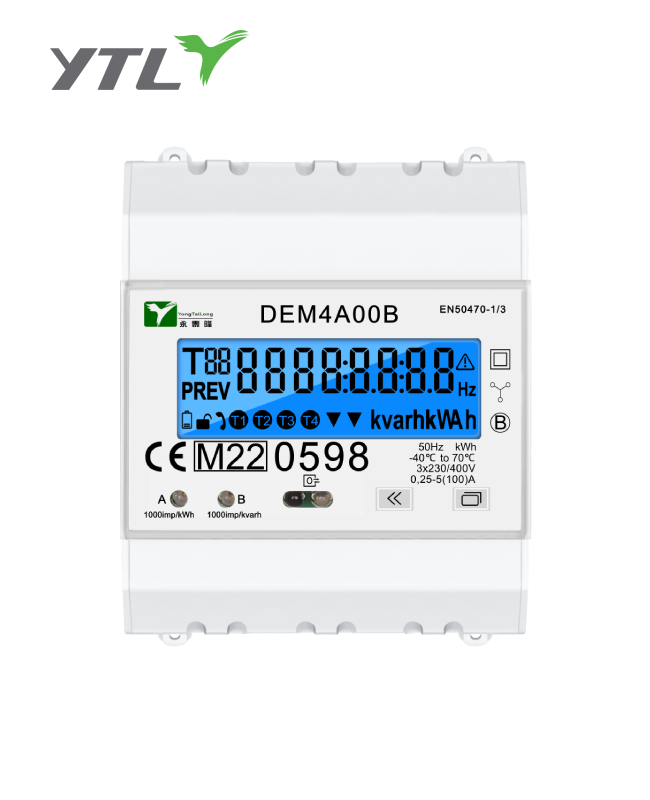
YTL DEM1A / DEM4A series AC energy meters are designed for measuring and monitoring in AC systems.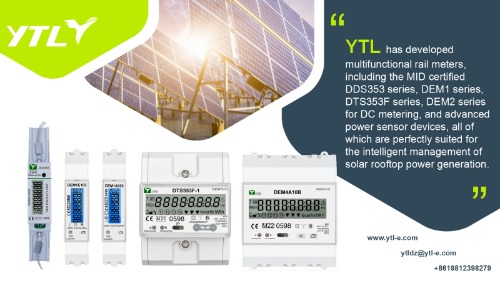
Thirdly, the way that these energy meters are calibrated is also different. DC energy meters typically rely on a reference voltage that is provided by the manufacturer. This reference voltage is used to calibrate the shunt resistor, ensuring that the readings are accurate. AC energy meters, however, are typically calibrated using a voltage standard or a current standard. The calibration process is more complex for AC energy meters, as the voltage and current must be matched very precisely in order to ensure accurate readings.
Finally, there are some practical differences between these two types of energy meters. DC energy meters are typically simpler and more robust than AC energy meters, making them suitable for use in harsh environments or in mobile applications. Additionally, DC energy meters are often used in applications where the load being measured is not constant, such as in solar panel arrays or wind turbines. AC energy meters, on the other hand, are more complex and can be more expensive than DC energy meters. They are typically used in applications where a constant and predictable load is being measured, such as in residential or commercial applications.
In conclusion, DC energy meters and AC energy meters are both important tools for measuring energy consumption. While they are both used to measure energy, they differ in the type of energy being measured, the way that energy is measured, how they are calibrated, and their practical applications. Understanding these differences is essential for selecting the appropriate energy meter for a given application and for ensuring accurate readings. As we continue to move towards a more sustainable energy future, the importance of accurate energy measurement will only increase, making these energy meters even more important.
.png?imageView2/2/w/500/h/500/format/png/q/100 "YTL China Single Phase IC card Prepayment Electricity Meter")
.png?imageView2/2/w/500/h/500/format/png/q/100 "YTL Single Phase Active Electronic Electricity Meter")