
 English
 简体中文
简体中文



Introduction to Intelligent Metering Systems
The global industrial landscape is undergoing a significant transition from traditional mechanical metering to advanced smart metering infrastructure. For procurement managers and utility engineers, the challenge is no longer just about measuring consumption, but about selecting a system that ensures long-term reliability, data integrity, and operational efficiency. Smart meters serve as the terminal nodes of the Advanced Metering Infrastructure (AMI), providing the granular data necessary for leak detection, load balancing, and accurate billing. This guide explores the critical technical differences between leading smart meter categories to facilitate informed purchasing decisions.
Core Measurement Technologies: Ultrasonic vs. Electromagnetic
When evaluating smart meters for water or thermal energy, two dominant electronic technologies emerge: Ultrasonic and Electromagnetic (Magmeters). Each operates on distinct physical principles that dictate their suitability for specific environments.
1. Ultrasonic Flow Measurement
Ultrasonic smart meters utilize the transit-time principle. They feature pairs of transducers that send sound waves through the fluid. By measuring the time difference between signals traveling upstream and downstream, the meter calculates the flow velocity with extreme precision. Since there are no moving parts, these meters are immune to mechanical wear and tear, making them ideal for long-term deployment in residential and industrial water networks.
2. Electromagnetic Flow Measurement
Electromagnetic meters, or magmeters, function based on Faraday’s Law of Induction. When a conductive liquid moves through a magnetic field, it generates a voltage proportional to its velocity. While exceptionally accurate for conductive fluids, they cannot measure non-conductive liquids like pure distilled water or oils.
| Feature | Ultrasonic Smart Meters | Electromagnetic Meters |
|---|---|---|
| Moving Parts | None | None |
| Fluid Compatibility | Conductive and Non-conductive | Conductive Only |
| Pressure Loss | Negligible | Low to Zero |
| Installation | Horizontal or Vertical | Primarily Vertical for Full Pipe |
| Maintenance | Extremely Low | Low (Requires electrode cleaning) |
| Low-Flow Sensitivity | High | Medium |
Communication Protocols: The Backbone of Smart Metering
A smart meter is only as effective as its ability to transmit data. In the B2B sector, the choice of communication protocol impacts battery life, signal penetration, and infrastructure costs.
- NB-IoT (Narrowband Internet of Things): Utilizing licensed cellular spectrum, NB-IoT offers superior indoor and underground penetration. It is the preferred choice for massive deployments where existing cellular infrastructure can be leveraged.
- LoRaWAN (Long Range Wide Area Network): Operating on unlicensed frequencies, LoRaWAN allows utilities to build private networks. It is highly power-efficient and cost-effective for rural or remote areas where cellular coverage is spotty.
- M-Bus (Wired/Wireless): A classic European standard for meter reading. Wireless M-Bus is widely used for sub-metering in commercial buildings due to its simplicity and proven reliability.
Durability and Material Science in Meter Manufacturing
The longevity of a smart meter is heavily influenced by its housing and internal components. Industrial manufacturers focus on high-grade materials to prevent corrosion and sustain accuracy over a 10 to 15-year lifecycle.
- Brass and Composite Bodies: For standard water metering, high-quality lead-free brass remains the industry standard for durability. However, reinforced engineering composites are gaining traction due to their resistance to chemical corrosion and lower cost.
- Battery Technology: Most smart meters rely on Lithium Thionyl Chloride (Li-SOCl2) batteries. These provide high energy density and low self-discharge rates, essential for devices that must remain functional for over a decade without maintenance.
Critical Selection Criteria for Bulk Procurement
When sourcing smart meters from a manufacturer, several technical parameters must be scrutinized beyond the initial price point:
- Turndown Ratio ®: This indicates the meter’s ability to measure across a wide range of flow rates. A higher R-value (e.g., R250 or R400) means the meter can accurately track very low flow rates, which is crucial for identifying leaks.
- Ingress Protection (IP) Rating: For underground or outdoor installation, an IP68 rating is mandatory to ensure the electronics remain waterproof and dustproof.
- Data Security: Advanced Encryption Standard (AES-128) is the baseline for securing meter data during transmission to prevent unauthorized access or tampering.
Economic Impact and ROI for Utilities
Switching to smart meters is a capital-intensive project, but the Return on Investment (ROI) is realized through the reduction of Non-Revenue Water (NRW). By identifying discrepancies between the water pumped into a system and the water billed to consumers, utilities can pinpoint leaks and illegal connections almost in real-time. Furthermore, automated reading eliminates the labor costs and human errors associated with manual meter data collection.
Conclusion
The selection of a smart meter system is a strategic decision that influences the operational efficiency of a utility for decades. While ultrasonic meters offer versatility and precision for various fluids, electromagnetic meters provide robust performance for high-conductive industrial applications. By aligning technical specifications—such as turndown ratios and communication protocols—with specific local infrastructure needs, manufacturers and distributors can ensure a future-proof metering solution.
FAQ
1. Can smart meters detect leaks automatically?
Yes, smart meters with high turndown ratios can detect continuous low-volume flow, which often indicates a leak. When integrated with a management system, they can trigger alerts for immediate inspection.
2. Is WiFi required for smart meter communication?
Generally, no. Most industrial and utility-grade smart meters use specialized IoT protocols like NB-IoT, LoRaWAN, or cellular networks (4G/5G) rather than standard consumer WiFi, as these offer better range and lower power consumption.
3. What is the typical lifespan of a smart meter battery?
Under standard operating conditions (e.g., daily data transmission), a high-quality smart meter battery is designed to last between 10 and 15 years, matching the metrological life of the device.
4. How do smart meters handle data privacy?
Modern smart meters use end-to-end encryption, typically AES-128, to ensure that consumption data is protected from the moment it leaves the meter until it reaches the utility’s secure server.
5. Are ultrasonic meters more accurate than traditional mechanical meters?
Yes, especially over time. Mechanical meters have moving parts that wear down, leading to decreased accuracy. Ultrasonic meters have no moving parts, maintaining their precision throughout their entire lifecycle.
References
- International Organization for Legal Metrology (OIML) R49: Water meters intended for the metering of cold potable water and hot water.
- ISO 4064:2014: Water meters for cold potable water and hot water - Part 1: Metrological and technical requirements.
- LoRa Alliance Technical Specifications for LPWAN Utility Applications.
- 3GPP Standards for Narrowband IoT (NB-IoT) Connectivity in Smart Cities.
- IEEE 802.15.4: Standard for Low-Rate Wireless Networks.
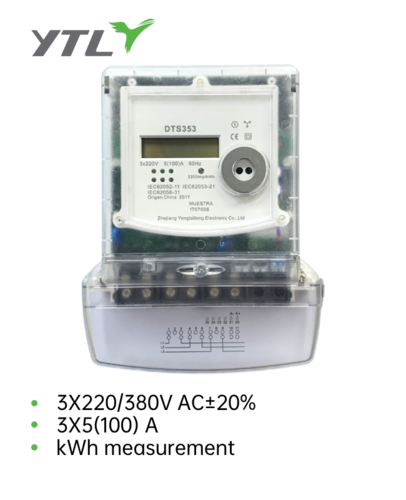
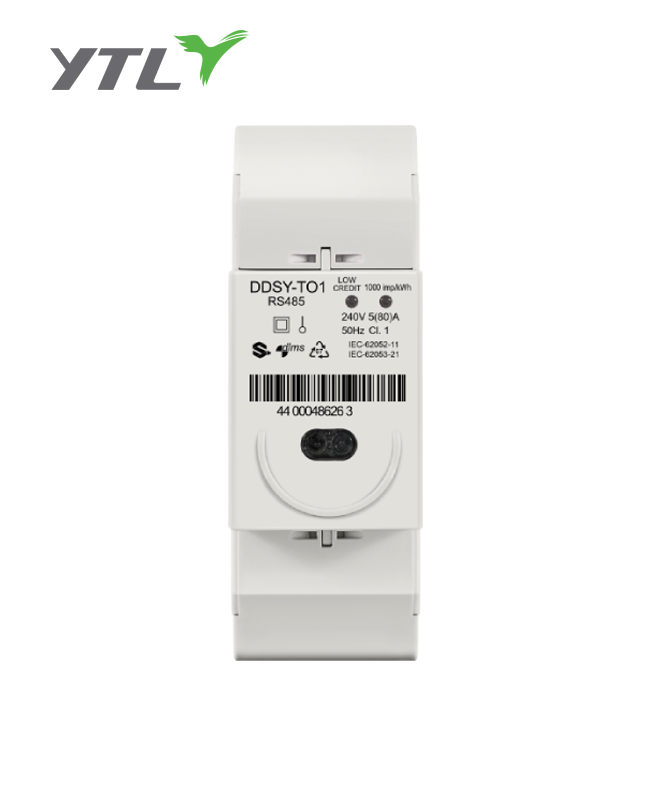
.png?imageView2/2/w/500/h/500/format/png/q/100 "YTL STS Prepaid Wi-Fine Energy Meter Single Phase Wall")
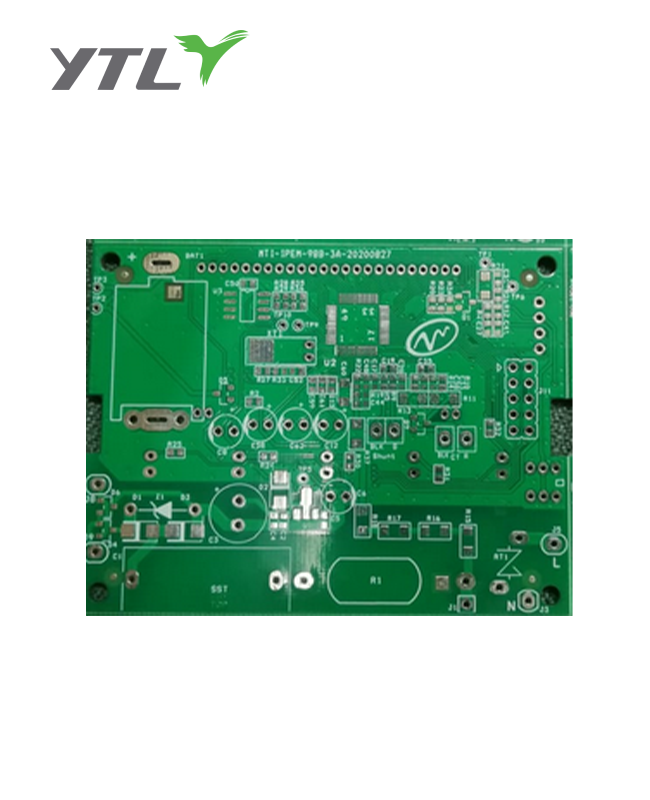
.jpg?imageView2/2/w/500/h/500/format/png/q/100 "YTL Company DTS353C DIN Rail 3P 4 Model Electricity Meter MID")