
 English
 简体中文
简体中文



I. Working Principle and Technical Architecture of Prepaid Meters
1.1 Basic Definition
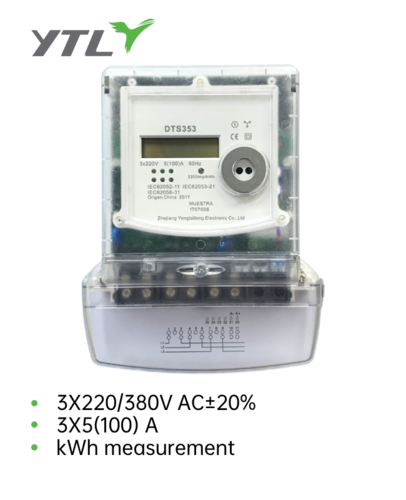
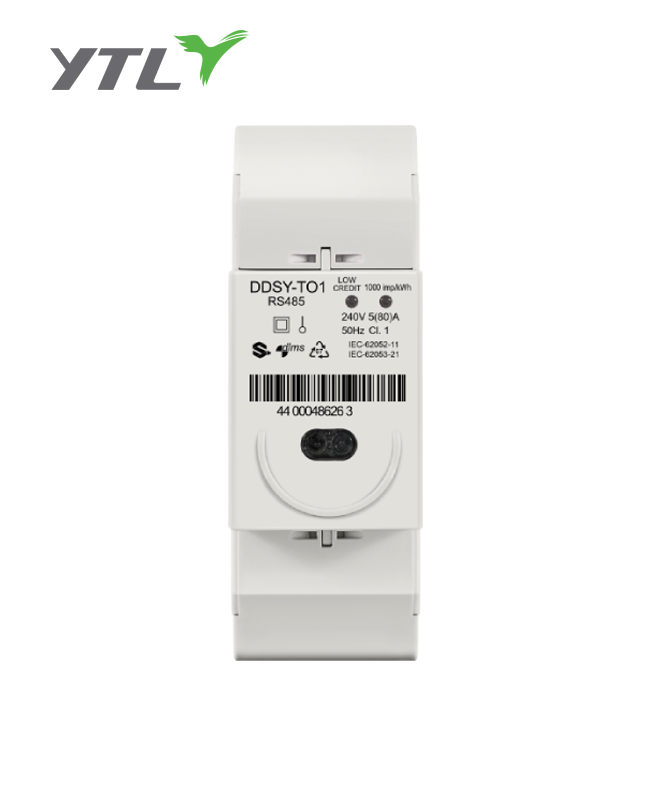
A prepaid meter is an electric energy metering device adopting the "purchase electricity first, consume later" mode, serving as an important branch of smart meters. This type of product collects power consumption data in real time through metering chips and realizes electricity management in combination with the cost control module.
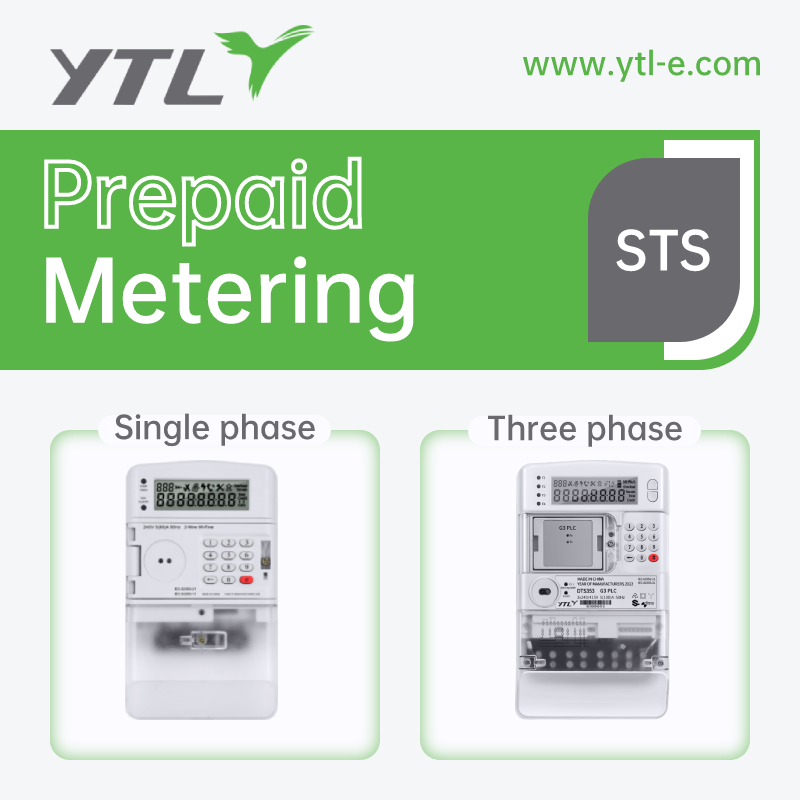
1.2 Core Technical Process
- Metering Link: The built-in metering chip samples voltage and current to calculate active power consumption. The metering accuracy shall comply with IEC 62053-21 (AC active meters) or corresponding national standards.
- Cost Calculation: The meter converts power consumption into monetary amount based on preset electricity tariffs (flat rate or tiered pricing) and deducts charges from the user’s account balance.
1.3 Compliance Notes
Important Notice: The remote power cut function is restricted by regulations in some markets. Strict restrictions apply to remote disconnection in regions under EU MID certification and certain Southeast Asian countries. Local power regulations must be confirmed prior to bidding. It is recommended to clearly mark the optional configuration of the power cut function in product specifications.
1.4 Typical Application Scenarios
- Electricity fee management for rental housing
- Individual metering for commercial properties
- Energy consumption control in industrial parks
- Power utilization management for campus dormitories
II. Technical Features of DC Meters
2.1 Product Positioning
A DC meter is an electronic instrument specially designed for DC electric energy metering. Unlike AC meters, it requires no AC-DC conversion and directly samples and measures DC voltage and current.
2.2 Major Application Fields
- Photovoltaic Systems: DC-side energy metering to evaluate the power generation efficiency of photovoltaic arrays. DC meters shall be installed at the inverter input terminal.
- Energy Storage Systems: Battery charging and discharging operate on DC power; DC meters record energy flow direction and cumulative power consumption.
- EV Charging: DC fast charging piles (60kW and above) are equipped with DC metering modules to ensure accurate billing.
- Communication Base Stations: Some communication devices adopt -48V DC power supply, with DC meters for energy consumption monitoring.
2.3 Selection Recommendations
When selecting a DC meter, clarify key parameters including DC voltage level, maximum current, accuracy class (common 0.5S / 1.0 class), and communication interface requirements. Priority is recommended for products with DC meter type approval certificates.
III. Functional System of Smart Meters
3.1 Definition and Standards
A smart meter is a modern electric meter integrated with two-way communication, data collection, event recording and other functions. In terms of international standards, IEC 62056 (DLMS/COSEM) defines data exchange protocols for smart meters; the EU MID Directive (2014/32/EU) stipulates statutory metering requirements.
3.2 Core Functional Modules
- Metering Functions: Active/reactive energy metering, demand measurement, power quality monitoring (voltage deviation, frequency deviation, harmonics, etc.).
- Communication Capabilities:
- Local communication: RS485, Infrared, M-Bus
- Remote communication: NB-IoT, Cat.1, 4G LTE, LoRaWAN
- Power line communication: G3-PLC, PRIME
- Data Management: Load profile recording (15/30/60-minute intervals commonly adopted), event logs (power failure, meter cover opening, magnetic interference, etc.), and tariff configuration (multi-time period / multi-rate).
- AMI Integration: As terminal equipment of Advanced Metering Infrastructure (AMI), smart meters work with concentrators and master station systems to form a complete remote meter reading solution.
IV. Comparative Analysis of Three Types of Electric Meters
4.1 Market Positioning
- Prepaid Meters: Mainly applied to commercial and civil projects in emerging markets (Africa, Southeast Asia, South Asia), as well as the global rental property management market. The market shows high price sensitivity and obvious demand for customized functions.
- DC Meters: Belong to a segmented professional market, with core customers including PV system integrators, energy storage equipment manufacturers and charging facility operators. It features high technical barriers and clear certification requirements.
- Smart Meters: Boast the widest market coverage, including state grid bidding, power company AMI projects, and large industrial & commercial users. The market is highly competitive, with brand influence and technical accumulation as core competitive advantages.

Conclusion
Prepaid meters, DC meters and smart meters differ significantly in technical principles, application scenarios and compliance requirements. Proper product selection requires comprehensive consideration of project demands, local market regulations, system architecture and other key factors.
As a professional provider of electric meter solutions, we recommend purchasers to conduct in-depth communication with the technical team of smart meter manufacturers at the early project stage, so as to realize precise matching between product selection and project demands. For further inquiries on electronic instrument specifications or technical solution support, feel free to contact our professional team.
.jpg?imageView2/2/w/500/h/500/format/png/q/100 "YTL Company DTS353C DIN Rail 3P 4 Model Electricity Meter MID")