
 English
 简体中文
简体中文



From electromechanical meters to electronic meters, and now to smart meters, power metering technology has undergone multiple transformations. Today, the Advanced Metering Infrastructure (AMI) built around smart meters is reshaping the connection between power grids and users, laying a solid foundation for a more efficient, transparent, and interactive electricity experience.
Accurate Metering: The Reliable Starting Point of All Experiences
The core value of smart meters lies first and foremost in accuracy. Equipped with high-precision sensors and digital processing technology, they can stably and reliably record total power consumption and time-of-use electricity data. Such precise data serves as an absolute prerequisite for ensuring fair billing, supporting optimal grid operation, and providing users with in-depth insights into their electricity usage.
Data Transparency: A Bridge Connecting Users and Electricity Information
Through user service platforms authorized by power utilities (such as mobile apps or websites), you can access electricity usage reports based on smart meter data at any time. Whether checking total consumption from the previous day or reviewing monthly usage trends, information is clear and intuitive. This eliminates the "information gap" that users face regarding their own electricity use under traditional models, makes electricity bill components fully understandable, and enhances users' sense of control and trust.
Enhanced Security: From Passive Response to Active Monitoring
Smart meters do not only record power consumption; they also monitor key power quality parameters such as voltage and current. Persistent abnormal data (e.g., overload, undervoltage) is recorded and uploaded to the grid management system. This enables power utilities to detect potential line issues earlier and prevent faults, thereby improving overall power supply reliability and security for all users.
Energy Efficiency Empowerment: Data Support for Energy-Saving Choices
Clear electricity usage data is the first step toward energy conservation. By analyzing time-of-use reports from smart meters, users can better leverage time-of-use pricing policies and rationally schedule the operation of high-power electrical appliances. For households and businesses seeking in-depth energy management, the standard data interfaces of smart meters also support connection with professional Home Energy Management Systems (HEMS) for refined energy efficiency control.
Future-Oriented: An Open Platform Supporting Energy Transition
Compliant with international standards such as DLMS/COSEM, smart meters feature excellent openness and scalability. More than just metering terminals, they will evolve into local information hubs connecting distributed energy resources including rooftop photovoltaic systems, residential energy storage batteries, and electric vehicle charging stations. They provide critical data and control nodes for future power grids accommodating high-penetration renewable energy integration.
Our Commitment
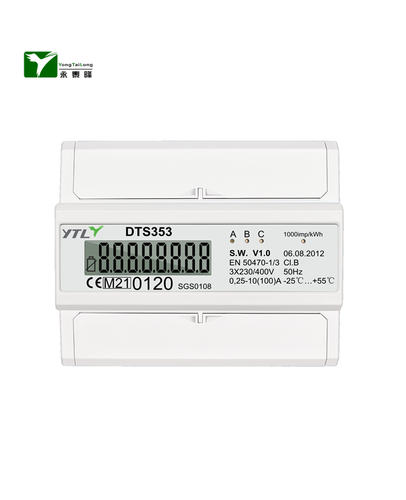
As a provider of smart metering solutions, we focus on developing robust, accurate, secure, and compliant smart meter products. We understand that reliable data underpins all future smart energy services. We work hand in hand with power utility partners worldwide to drive the digital and intelligent transformation of power grids.
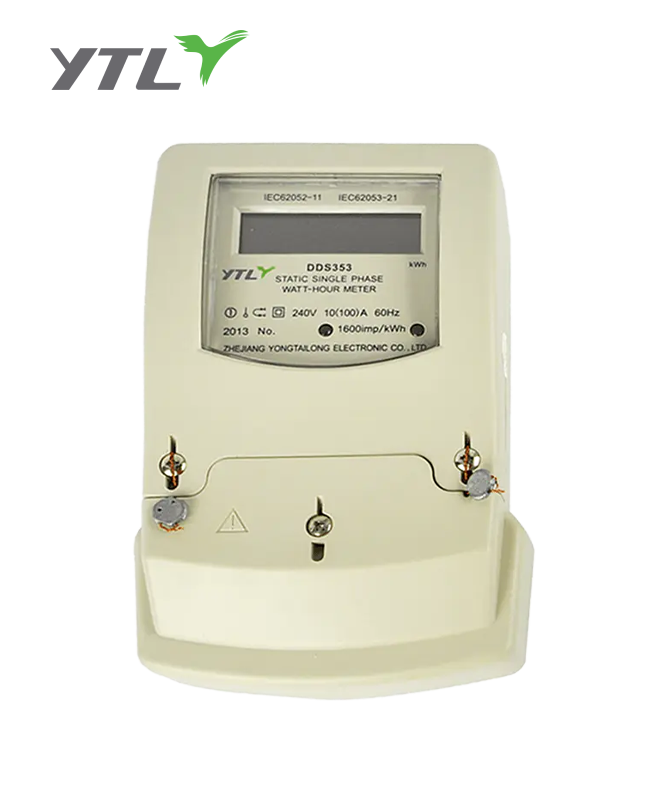
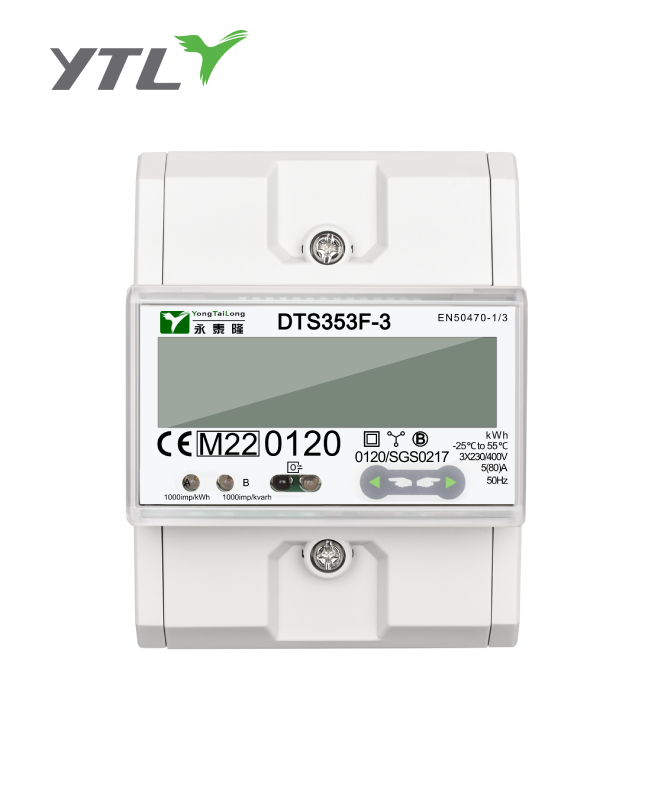
.jpg?imageView2/2/w/500/h/500/format/png/q/100 "YTL Company DTS353C DIN Rail 3P 4 Model Electricity Meter MID")