
 English
 简体中文
简体中文



With the rapid development of technology and the increasing refinement of energy management, smart electricity meters are quietly entering millions of households and becoming an indispensable part of modern life. Far beyond the basic function of traditional electricity meters that only record total electricity consumption, they have evolved into an intelligent terminal integrating accurate metering, real-time communication and data analysis. This seemingly minor equipment upgrade is actually reshaping our electricity consumption patterns, consumption concepts and the way we interact with energy in a profound way, laying a solid foundation for building an energy-efficient and smart society.
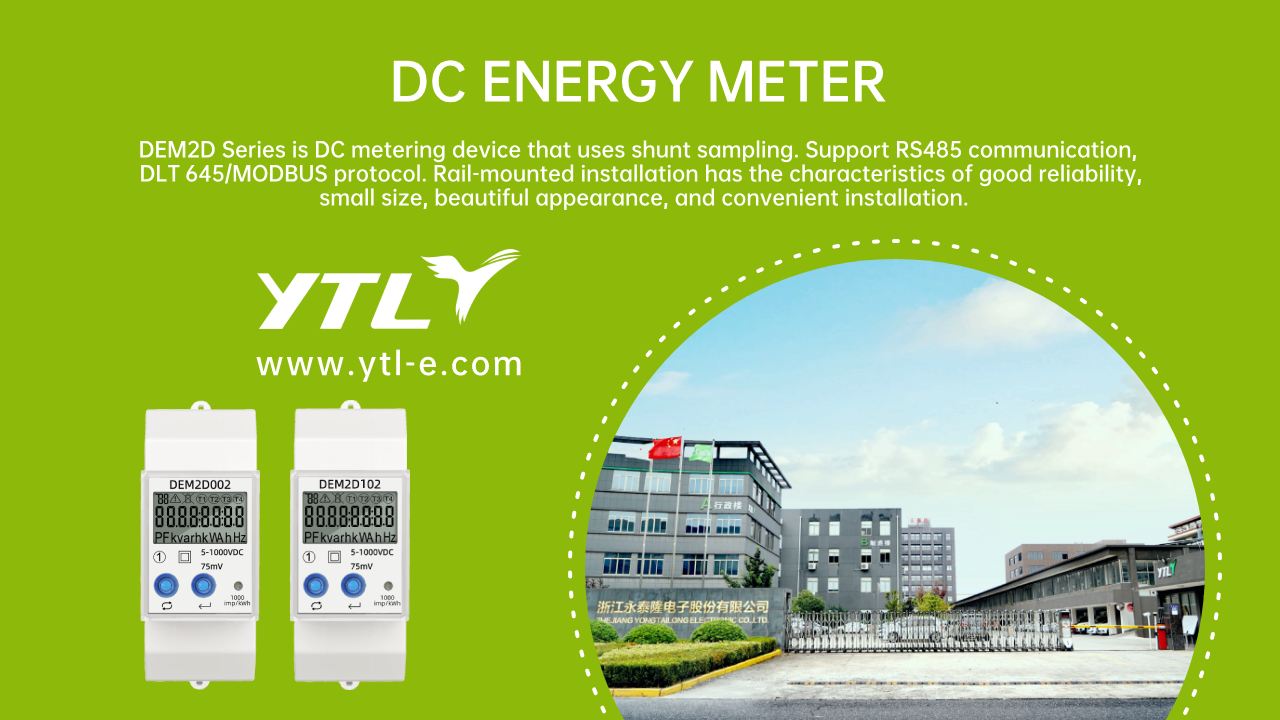
I. Electricity Management Shifts from Vague Estimation to Precision and Transparency
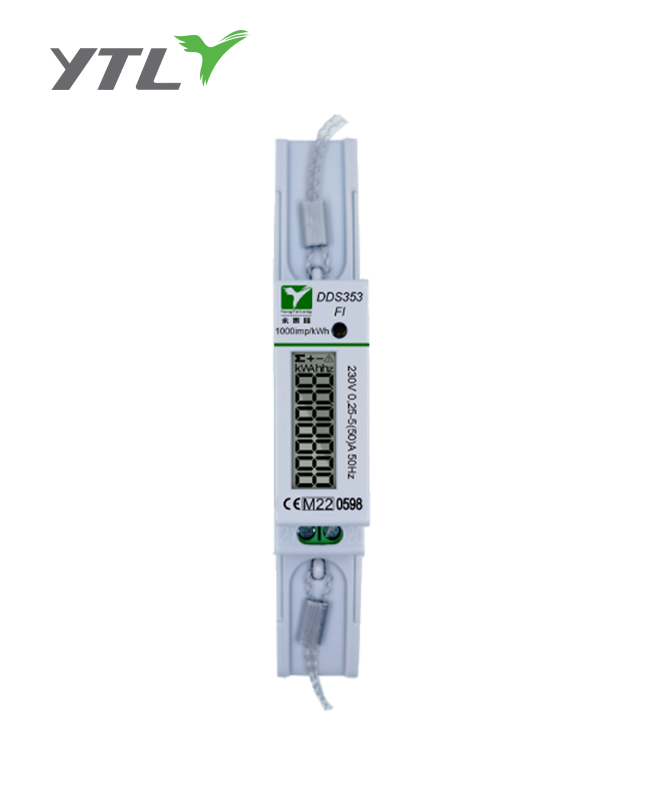
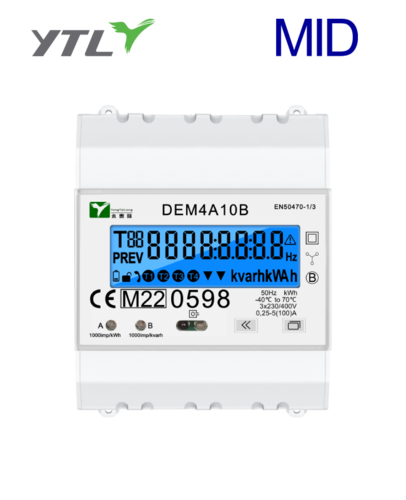
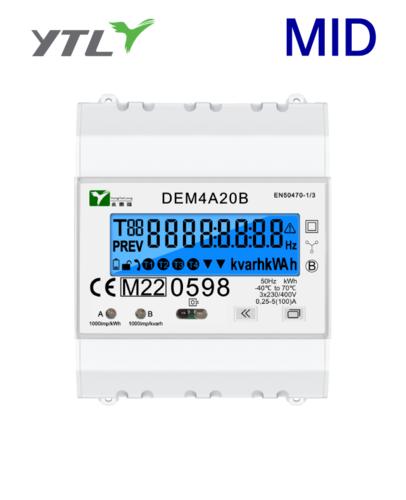
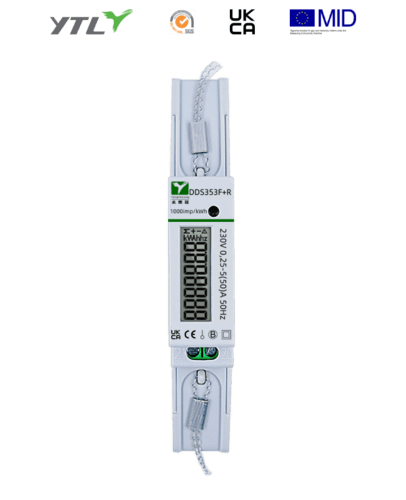
The most direct change brought by smart electricity meters is the complete end of the "black box" era of electricity consumption. Traditional electricity meters only provide accumulated total electricity consumption, and users usually only learn about their electricity usage when receiving monthly or quarterly bills, unable to establish a direct connection between specific electricity consumption behaviors and expenses. By contrast, smart electricity meters, through their digital display screens and supporting online service platforms, can provide users with near real-time electricity consumption data. Users can check the current power, remaining balance, and even daily and hourly electricity consumption at any time. This unprecedented transparency makes the composition of household energy consumption crystal clear.
When users can clearly see the changes in power and the increase in electricity bills corresponding to the on and off of different electrical appliances, they will naturally begin to pay attention to electricity consumption details and take the initiative to adjust bad electricity usage habits, such as turning off standby appliances in a timely manner and using high-power equipment during off-peak hours. This data-driven self-optimization has greatly raised the whole society's awareness of active energy conservation, driving a profound shift in electricity management from passive payment to proactive planning.
II. Electricity Services Upgrade from One-way Supply to Two-way Interaction
The popularization of smart electricity meters marks a revolutionary change in the power supply service model, shifting from the traditional one-way electricity supply to a two-way, interactive modern service. The built-in remote communication module is the technical core of this transformation. It enables remote automatic meter reading, completely liberating human resources, avoiding errors and intrusions that may result from manual meter reading, and ensuring absolute accuracy of settlement data.
More importantly, this two-way communication capability underpins an entirely new service ecosystem. The system can proactively send reminder messages to users in case of arrears or equipment malfunctions, and promptly notify them after power supply is restored, significantly improving service response speed and user experience. In addition, smart electricity meters provide technical support for the implementation of refined electricity pricing policies such as tiered electricity pricing and time-of-use electricity pricing. These policies encourage users to voluntarily shift adjustable loads to off-peak periods with lower electricity prices, which not only saves users on electricity bills but also optimizes the power grid's load curve as a whole, narrows the peak-valley difference, and ensures the stable and economical operation of the power system.
III. The Energy Ecosystem Moves from Isolation and Closure to Open Interconnection
The large-scale deployment of smart electricity meters provides a key data entry and control node for the construction of a future open and interconnected energy ecosystem. With the rapid popularization of distributed energy sources such as distributed photovoltaics, household energy storage and electric vehicles, energy flow in the future will be two-way. Smart electricity meters can accurately measure the electricity users draw from the power grid and the excess electricity fed back to the grid by users' own photovoltaic systems, paving the way for fair and transparent "net metering" or two-way settlement.
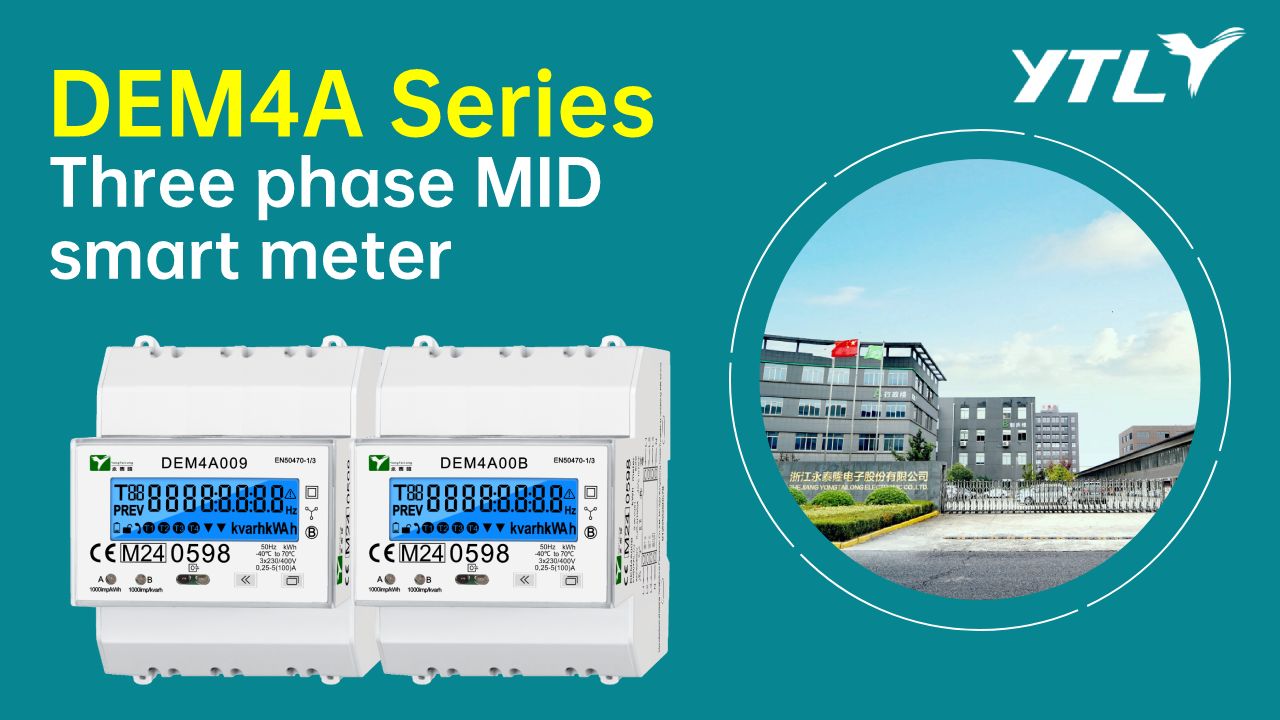
On this basis, smart electricity meters will become the core of household energy management systems. They can be deeply integrated with smart home platforms to optimally control high-power electrical equipment such as air conditioners and water heaters according to real-time electricity prices or preset energy-saving strategies, maximizing energy efficiency. From a more macro perspective, the massive electricity consumption data collected by countless smart electricity meters is a valuable resource for power grid companies to conduct load forecasting, network planning, fault analysis and energy efficiency management, providing strong decision support for the intelligent and green transformation of entire cities and societies.
In summary, the changes that smart electricity meters bring to our lives are systematic and far-reaching. They are not merely a metering tool, but an energy steward guiding us towards a smart life. By endowing users with the right to know, they have stimulated the whole nation's awareness of energy conservation; by enabling two-way communication, they have brought unprecedented convenience in energy use; by integrating into a larger energy network, they have underpinned a sustainable future energy ecosystem. This quiet transformation is leading us into a new era of electricity use that is more efficient, transparent and interactive.
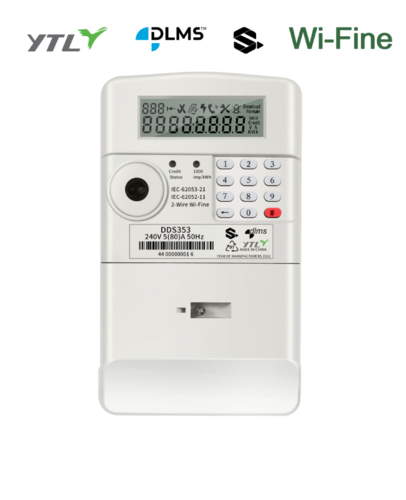
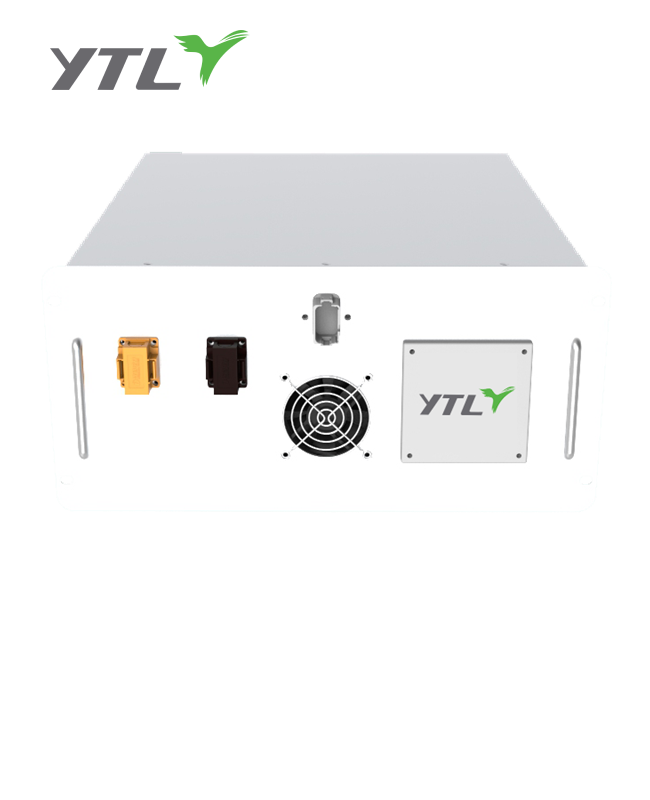
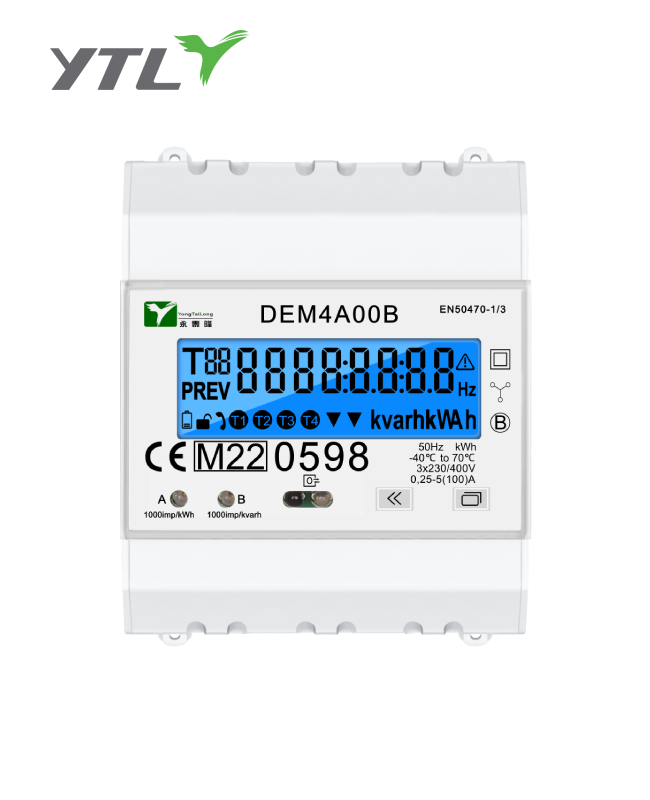
.png?imageView2/2/w/500/h/500/format/png/q/100 "YTL Two Phase Three Wire LCD Shunt sampling Energy Meter")
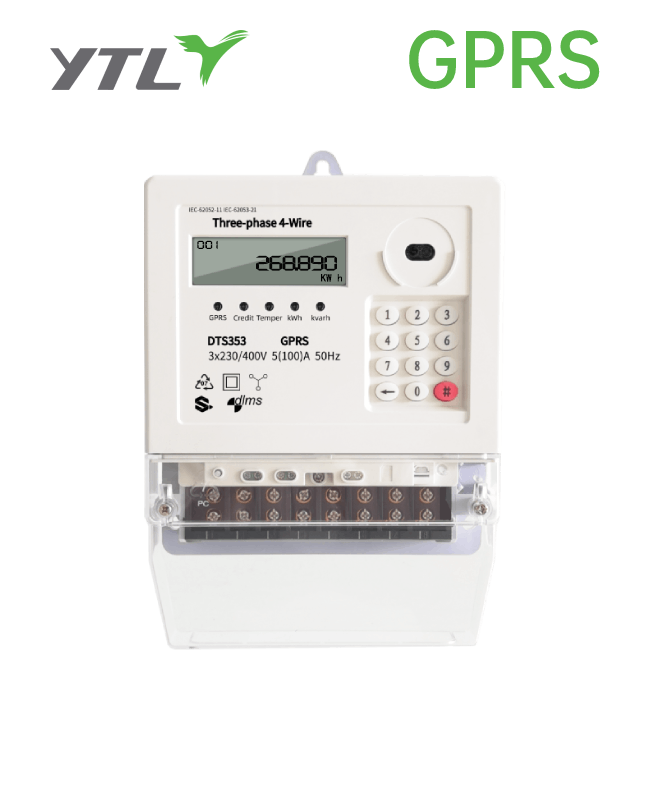
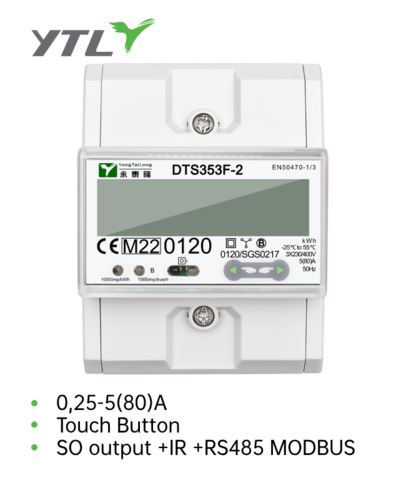
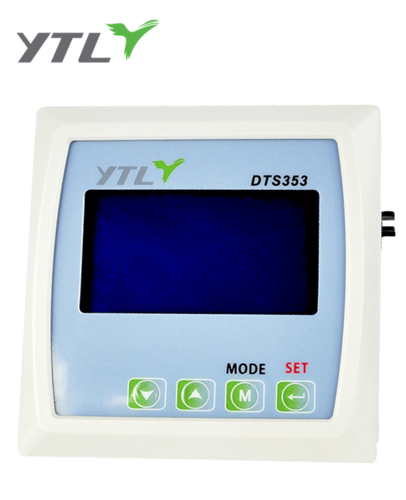
.png?imageView2/2/w/500/h/500/format/png/q/100 "YTL China Single Phase IC card Prepayment Electricity Meter")