
 English
 简体中文
简体中文



In the modern field of electric power metering, DC and AC electric meters, as two basic electrical energy metering devices, each undertake a unique mission. Although their ultimate goal is to accurately measure power consumption, there are fundamental differences in their inherent working principles, technical designs and applicable scenarios. Understanding these core differences is of important guiding significance for the correct selection and use of electric meters and ensuring the efficient and reliable operation of various power systems.
I. Differences in Current Properties Determine Fundamental Variations in Working Principles
The most essential difference between DC and AC electric meters stems from the different properties of the currents they measure. Direct current (DC) has a constant direction and magnitude, much like a steadily flowing river, while alternating current (AC) sees its direction and magnitude change periodically over time, more analogous to the regularly pulsating tides. This fundamental difference leads to a divergence in their measurement principles.
AC electric meters typically adopt a watt-hour meter structure based on the principle of electromagnetic induction, or use electronic technology to integrate the product of instantaneous voltage and current. However, their algorithms must take into account the power factor issue unique to alternating current and handle the phase difference between voltage and current to accurately calculate the actual active power consumed.
In contrast, the measurement task of DC electric meters is theoretically more straightforward. Since the voltage and current of direct current have a constant direction and are in phase, its power calculation is simplified to the direct product of DC voltage and DC current. Nevertheless, achieving high-precision DC measurement is quite challenging in practice, especially in high-current and wide-range applications. It is necessary to adopt technologies such as precision shunts or magnetic modulation to accurately capture DC signals and avoid losses and errors during the measurement process.
II. Divergent Focuses in Internal Structure and Technical Design
Based on the differences in measurement principles, DC and AC electric meters exhibit distinct focuses in their internal structure and technical design.
The design of AC electric meters needs to focus on the accurate sampling and analysis of AC waveform parameters, including effective value calculation, frequency tracking and harmonic impact processing. Their internal components usually include complex signal conditioning circuits and dedicated computing units for processing AC parameters. Modern intelligent AC electric meters are also often integrated with advanced functions such as power factor measurement and reactive energy metering.
The structure of DC electric meters is developed around the stable and accurate measurement of DC parameters. Since there are no concepts of phase and frequency in DC measurement, the core of its design is centered on maintaining the stability of the measurement reference over a wide temperature range and during long-term operation. DC electric meters generally use precision sampling resistors with high stability and low temperature coefficient, and are equipped with advanced temperature compensation circuits to counteract the impact of environmental changes on measurement accuracy. In terms of anti-interference, DC electric meters need to specially guard against ripple interference and common-mode noise that may occur in DC systems, ensuring reliable metering data output even in complex electromagnetic environments.

III. Clear Division in Applicable Scenarios and Industrial Sectors
The differences in working principles and structural design naturally lead to a relatively clear division of DC and AC electric meters in application scenarios.
As the mainstream metering equipment in the current power system, AC electric meters are applied in almost all general power fields. From power plants and power transmission and distribution networks to residential electricity use in every household, from industrial production to commercial operations, AC electric meters are required for electrical energy metering in all occasions powered by the AC grid. They are the omnipresent "energy accountants" in the modern AC-dominated power world.
DC electric meters, on the other hand, focus on specific DC power supply and application fields, and their role is equally indispensable. In the booming photovoltaic power generation industry, DC electric meters are used to measure the DC electrical energy generated by solar panels; in DC fast charging piles for electric vehicles, DC electric meters accurately measure the DC power charged into vehicle batteries directly; in rail transit, telecommunication base stations, electrochemical industry, as well as the emerging DC microgrids and energy storage systems, DC electric meters are all key equipment for realizing energy management, cost accounting and system control. The common feature of these application scenarios is that their core energy form is direct current, where direct metering is the most accurate and economical option.
In summary, DC and AC electric meters are not simply substitutable for each other, but two parallel technical routes developed based on different current properties and application requirements. AC electric meters are the standard configuration in the AC-dominated public power system, while DC electric meters are irreplaceable precision measuring tools in specific DC energy systems and electrical equipment. Recognizing the core differences between the two and selecting the appropriate type of electric meter according to the inherent characteristics of the power consumption system is a solid foundation for ensuring accurate metering, efficient system operation and fair trade settlement.
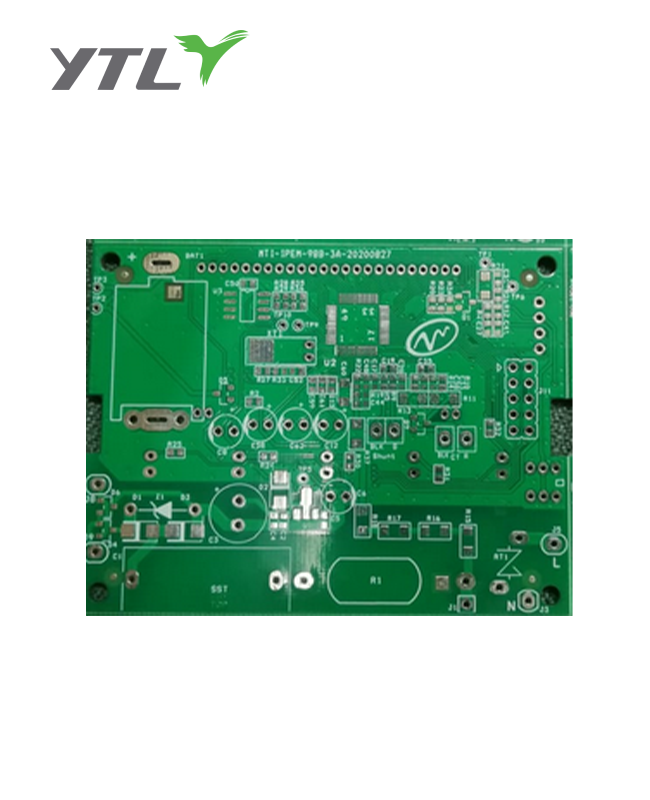
.png?imageView2/2/w/500/h/500/format/png/q/100 "YTL Two Phase Three Wire LCD Shunt sampling Energy Meter")