
 English
 简体中文
简体中文



An Inevitable Choice of Technological Evolution
In industrial measurement and civil metering, electronic instruments have gradually become the core of modern measurement systems. Compared with traditional mechanical instruments, electronic instruments adopt advanced electronic technologies to achieve comprehensive improvements in measurement accuracy, response speed and functional integration. Understanding the working principle of electronic instruments helps us better recognize the value this technology brings to various industries.
Analysis of Core Components
Electronic instruments generally consist of three basic units:
- The sensing moduleconverts the measured quantity into an electrical signal.
- The signal processing unitconditions and converts the original signal.
- The output and display modulepresents the processed information in an intuitive form.
This modular design allows electronic instruments to adapt to diverse measurement scenarios.
The Key Role of Sensor Technology
Sensing technology marks the starting point of electronic instruments. Depending on the measurement target, sensors may operate based on electromagnetic induction, piezoelectric effect, photoelectric conversion and other physical principles. These sensors convert physical quantities such as temperature, pressure, flow and electric energy into electrical signals processable by electronic circuits. Their performance directly determines the measurement capability of the entire instrument.
The Core Process of Signal Processing
The original signal output by a sensor is usually weak and noisy, requiring elaborately designed signal processing circuits. This process includes key steps such as signal amplification, filtering and noise reduction, and analog-to-digital conversion. Modern electronic instruments widely use high-performance integrated circuits to complete these tasks with extremely high precision, ensuring reliable measurement results.
Unique Advantages of Digital Processing
Unlike traditional mechanical instruments, electronic instruments convert analog signals into digital signals for processing. This digital approach not only improves anti-interference ability but also lays the foundation for intelligent functions. Microprocessors can perform complex operations on these digital signals, realizing advanced functions such as automatic calibration, error compensation and data storage.
Path to Intelligent Functions
Supported by digital processing capabilities, modern electronic instruments generally feature a certain degree of intelligence. With built-in algorithms and software systems, instruments can automatically identify measurement status, diagnose anomalies, and trigger corresponding actions according to preset conditions. These intelligent functions greatly expand the application scope and practical value of instruments.
Integrated Development of Communication Capabilities
Most electronic instruments are equipped with standard communication interfaces to transmit measurement data to monitoring systems in real time. This communication capability breaks the information isolation of traditional instruments, enabling measurement data to be integrated into larger management systems for analysis and utilization, providing technical support for system optimization and remote management.
Design Considerations for Environmental Adaptability
Electronic instruments are designed to withstand actual operating environments. Through temperature compensation, electromagnetic shielding, protective structural treatment and other measures, instruments maintain stable measurement performance under various working conditions. Such environmental adaptability is essential for the reliable operation of electronic instruments.
Technical Measures for Sustained Accuracy
To ensure long term measurement accuracy, electronic instruments adopt multiple technological innovations, including regular self calibration, reference source temperature control, and optimized digital filtering algorithms. Together, these measures maintain excellent metering characteristics throughout the instrument’s service life.
Ongoing Innovative Development Trends
With the development of semiconductor and Internet of Things technologies, electronic instruments are evolving toward higher integration, lower power consumption and stronger intelligence. The integration of new sensor technologies, advanced processing algorithms and wireless transmission is continuously expanding the functional boundaries and application scenarios of electronic instruments.

Conclusion: Technology Empowers Precision Measurement
The working principle of electronic instruments embodies the essence of modern measurement technology: transforming various parameters in the physical world into actionable digital information through precise sensing, intelligent processing and reliable transmission. Understanding these principles helps us not only use electronic instruments correctly but also recognize their important role in the digital transformation of all industries. As technological advances continue to drive product innovation, electronic instruments will surely exert unique value in broader fields, contributing significantly to improving production efficiency, optimizing resource management and promoting technological innovation.
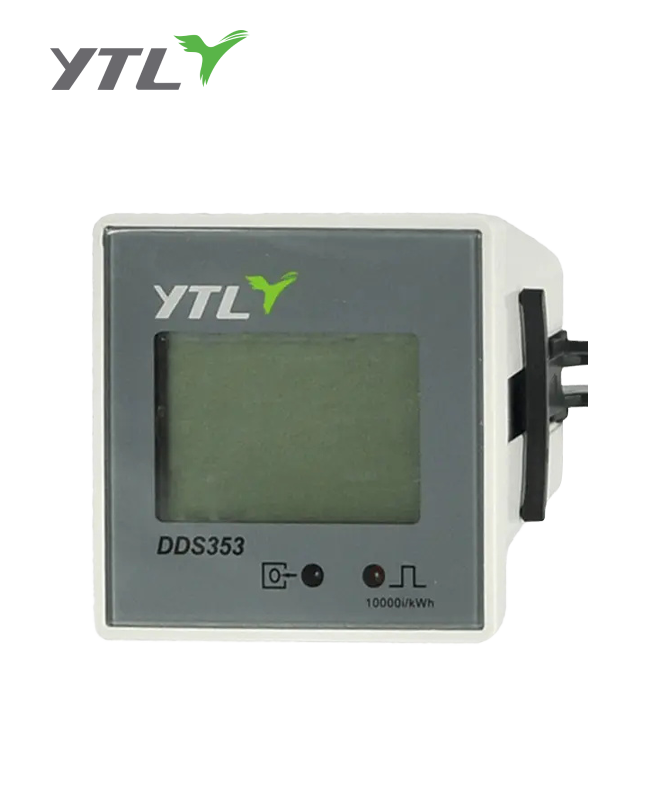
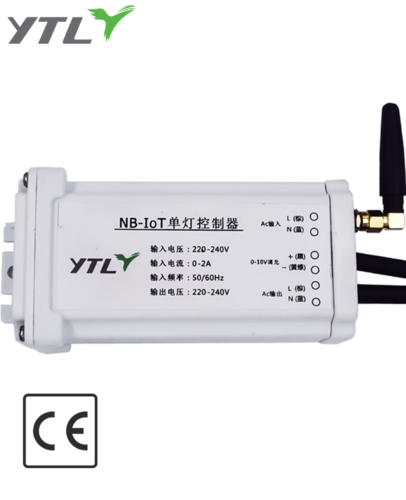
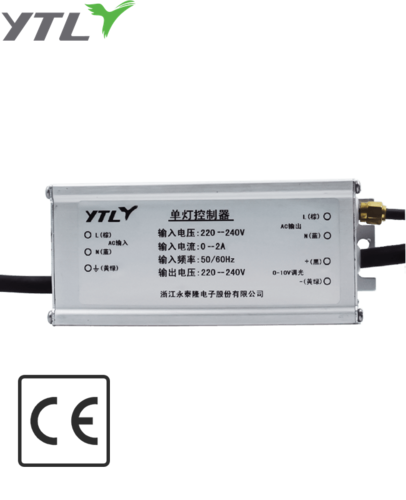
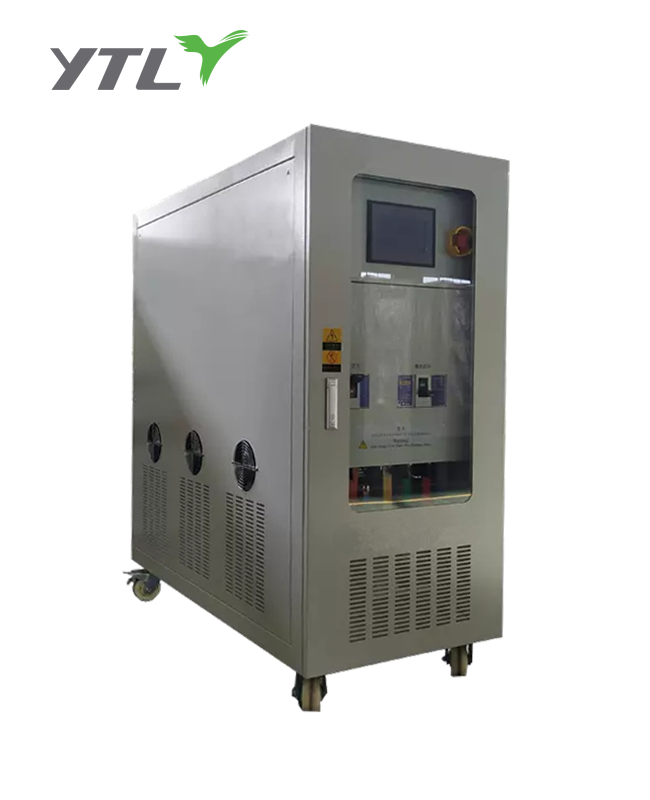
.png?imageView2/2/w/500/h/500/format/png/q/100 "YTL China Single Phase IC card Prepayment Electricity Meter")