
 English
 简体中文
简体中文



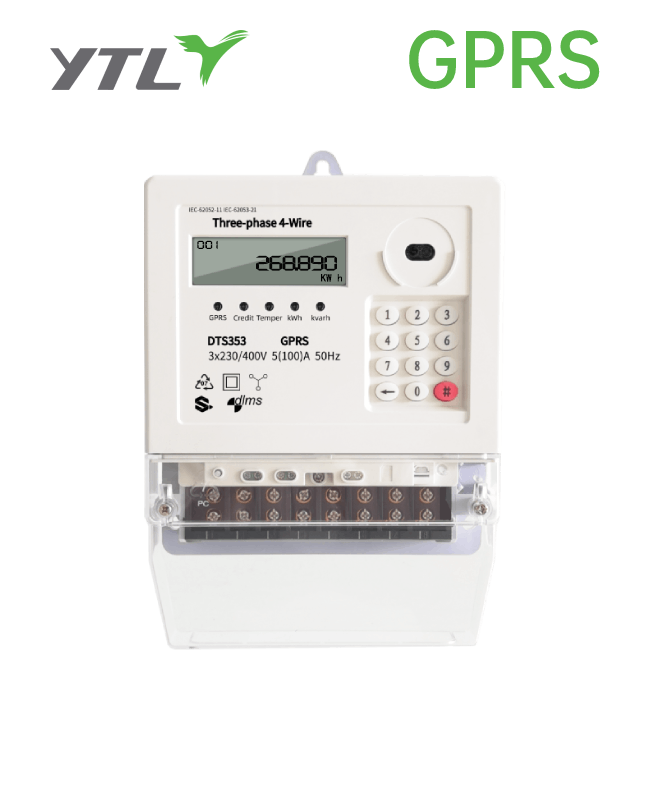
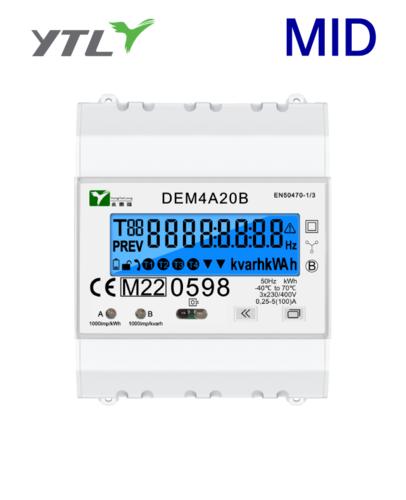
In the development of smart communities, there is an easily overlooked yet critical component: the smart electricity meter.No longer an isolated metering device, it acts as the energy nerve connecting households, property management, and power grids. Through data integration, it improves community energy efficiency, enhances convenience for residents, and jointly builds a green and harmonious community ecosystem.

Property Management: Doubled Efficiency, Reduced Hassle
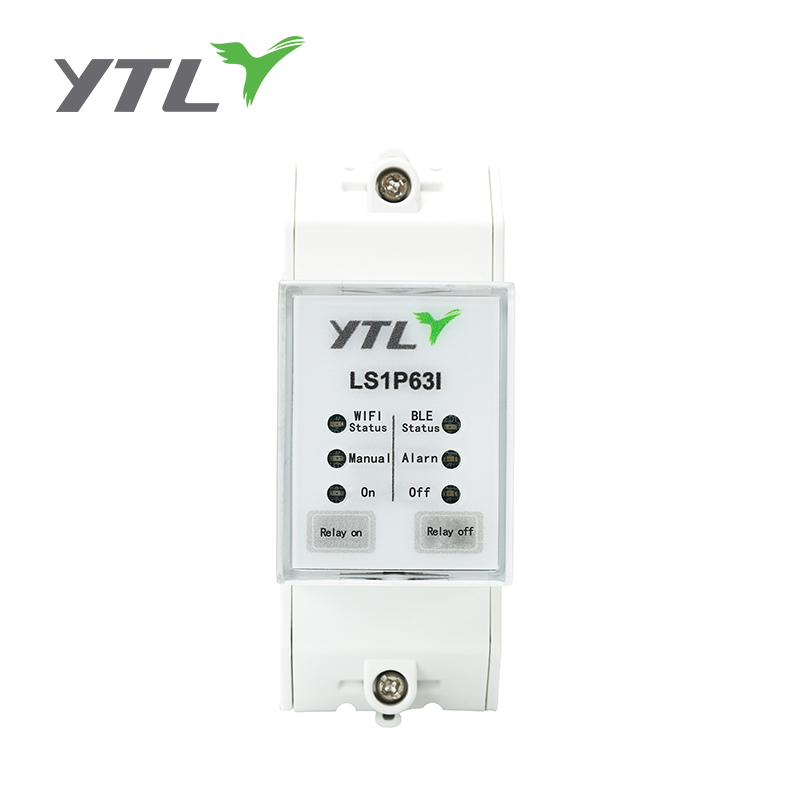
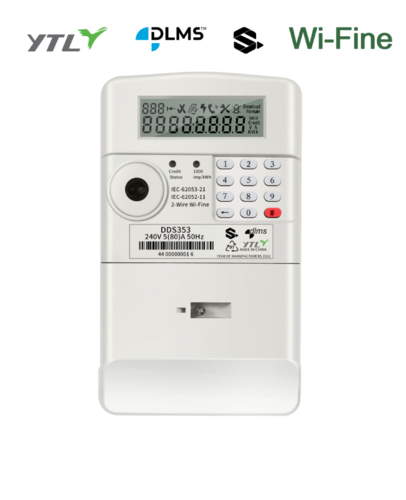
For property managers, smart meters have completely transformed traditional management.In the past, manual on-site meter reading and fee collection consumed huge human and material resources, and often caused conflicts with homeowners.Today, smart meters support remote automatic meter reading, accurate and timely billing, prepaid electricity, and remote power control—especially ideal for rental properties.More importantly, they can quickly locate power outages, distinguish between individual household issues and line faults, assist power departments in rapid repairs, and greatly improve property service efficiency.
Community Energy: Recyclable and Eco-Friendly
In green community construction, smart meters serve as the core hub for distributed energy utilization.Many communities are equipped with photovoltaic power systems, and smart meters enable bidirectional metering, accurately recording residents’ self-consumption and surplus power fed back to the grid, making green power benefits clear and traceable.Furthermore, a community power-sharing scheme can be established through the meter network, allowing residents to sell excess photovoltaic electricity to neighbors, increasing renewable energy utilization and enabling green energy to circulate within the community.
Neighborhood Connection: Co-construction and Sharing for a Warmer Community
Smart meters also bring warmth to community life through data linkage.For example, energy-saving competitions can be held on smart community platforms using meter data to encourage low-carbon electricity habits.For elderly residents, proactive care is achieved by monitoring electricity usage patterns—abnormal consumption triggers timely alerts to family members and property management.
This data-driven connection model not only optimizes community energy allocation but also strengthens neighborhood bonds, making the community a genuine shared living circle.Meanwhile, based on electricity consumption profiles collected by smart meters, communities can accurately match power supply and demand, dynamically adjust public facility power strategies, and improve overall energy efficiency.Residents gain not only financial incentives but also a stronger sense of belonging and participation in community governance, truly achieving an integrated blend of smart living, green living, and humanistic care.
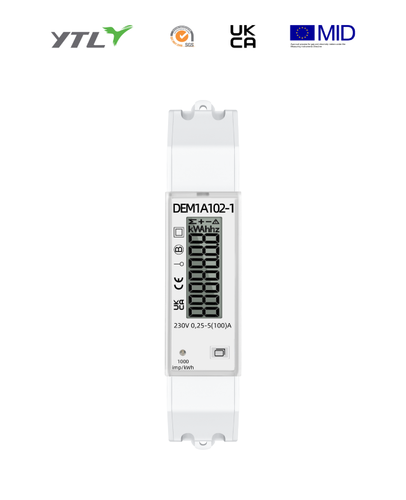
.png?imageView2/2/w/500/h/500/format/png/q/100 "YTL STS Prepaid Wi-Fine Energy Meter Single Phase Wall")