
 English
 简体中文
简体中文



In the grand symphony of humanity’s history of energy utilization, electricity meters record the flow of every electron with their unique rhythm. This seemingly ordinary device embodies the wisdom of measurement science and the evolutionary code of energy civilization. From precision instruments in laboratories to everyday appliances in millions of households, the evolution of electricity meters blends engineering ingenuity with humanistic thinking.

The Philosophical Foundation of Metrology and the Birth of the Electricity Meter
The essence of metrology lies in establishing a reliable mapping between the physical world and the digital world. As electricity evolved from scientific discovery to commercial application, pricing this intangible commodity became an urgent challenge. Early inventors faced the task of designing a device that could measure accurately and operate stably over the long term.
The triumph of the electromagnetic induction principle among numerous technical paths was no accident. This law not only reveals the intrinsic connection between electricity and magnetism but also lays the theoretical foundation for the visual measurement of electric energy. Designers of the first-generation induction electricity meters had to solve a series of complex problems: how to achieve stable rotation of the aluminum disk with minimal driving force, how to eliminate the effects of friction, and how to design a mechanical structure that could count while preventing reverse rotation.
Solutions to these problems demonstrate the charm of interdisciplinary thinking. Precision machining ensures smooth gear transmission; special alloy materials guarantee dimensional stability under temperature changes; and optimized magnetic circuit design reduces energy loss. Every detail reflects engineers’ profound understanding of physical laws and exquisite craftsmanship.
The Evolution of Meter Dial Art: From Functional Design to Aesthetic Expression
Early electricity meter dials were designed purely for functionality—clear and legible digits, explicit range markings, and intuitive measurement units. As electricity meters entered households, manufacturers began to focus on appearance. Decorative frames, refined glass covers, and elegant color schemes gradually emerged, integrating electricity meters into interior environments.
Distinct design languages took shape in different regions. European electricity meters tend toward minimalist industrial design, balancing function and aesthetics; North American designs emphasize practicality and durability; early Asian products reflect a pursuit of precision workmanship. These differences are not merely aesthetic choices but also reflect cultural interpretations of technological products.
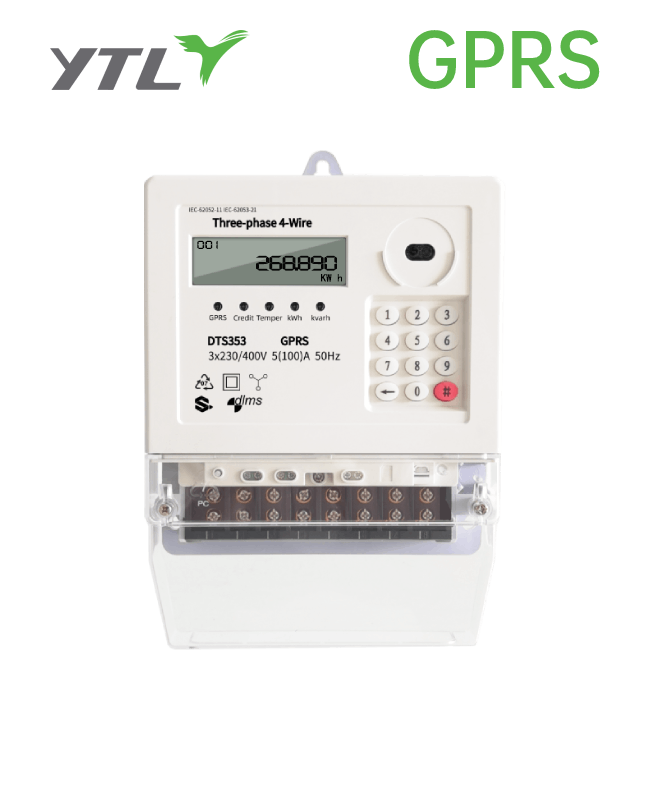
The advent of digital display technology transformed electricity meters. From mechanical digital wheels to LED displays and modern LCD screens, each innovation has improved user experience. Displays on modern smart meters not only show energy consumption but also visualize usage trends through graphics, making invisible electricity perceptible and understandable.
Engineering Wisdom for Environmental Adaptability
Electricity meters operate in vastly diverse environments—from the extreme cold of the Arctic Circle to the intense heat of the equator, from high-salt marine atmospheres to chemically polluted industrial zones, from low-pressure plateaus to electromagnetically dense urban areas. Addressing these extreme conditions requires comprehensive engineering design.
Temperature adaptability represents a fundamental challenge. Engineers developed temperature-compensated circuits that monitor ambient temperature using thermistors and automatically adjust metrological parameters. Advances in materials science have opened new possibilities: special engineering plastics resist UV aging, surface treatments enhance corrosion resistance of metal components, and improved sealing preserves dry conditions for internal electronics.
Electromagnetic compatibility design further illustrates the complexity of systems engineering. Multi-layer printed circuit boards, sophisticated grounding layouts, and innovative shielding structures ensure accurate measurement even in complex electromagnetic environments. Test engineers have built laboratories simulating extreme interference scenarios to verify performance under the harshest conditions.
Multiple Dimensions of Intelligence: Beyond Measurement
The intelligence of modern electricity meters manifests on multiple levels. In measurement, digital signal processing enables higher-precision calculations; in communication, compatibility with multiple protocols ensures interoperability; in data, powerful processing supports sophisticated analysis and storage.
The application of edge computing has empowered electricity meters with new capabilities. Localized data processing reduces network transmission pressure; real-time event detection responds to anomalies within milliseconds; and advanced security algorithms protect data integrity. These functions rely on rapid improvements in microprocessor performance and continuous breakthroughs in algorithm optimization.
The pursuit of interoperability has driven standardization. Organizations such as the International Electrotechnical Commission have established standards governing communication protocols, data formats, security mechanisms, and more. Standardization unifies technologies and builds an open, collaborative ecosystem, allowing products from different manufacturers to work together and create greater value for users.
Social Dimensions: Fairness, Privacy, and Inclusivity
As a basis for trade settlement, the fairness of electricity meters carries profound social significance. Measurement deviations affect not only economic interests but also public trust in energy systems. Therefore, third-party calibration supervision, periodic mandatory verification, and transparent error assessment systems form multiple lines of defense for metrological justice.
Privacy protection has emerged as a critical issue in the intelligent era. High-frequency electricity data can reflect lifestyle, daily routines, and even appliance usage. Balancing data utilization and privacy protection tests the ethical wisdom of designers. Cutting-edge approaches such as differential privacy and federated learning offer potential solutions.
Inclusive design also deserves attention. For elderly users, meters require clearer displays and simpler interfaces; for medical facilities, uninterrupted power supply and precise measurement are essential; for remote regions, low-power design and long-distance communication capabilities are crucial. These diverse needs drive electricity meter design toward greater humanization.
The Convergence of Art and Technology: Cultural Significance of Electricity Meters
To historians of technology, electricity meters are not just practical products but works of industrial art. Meters from different eras reflect contemporary aesthetic tastes and technological philosophies. Victorian decorative frames, Bauhaus minimalism, and postmodern pluralism—these stylistic shifts provide a unique lens for observing technological evolution.
Early electricity meters preserved in museums witness technological progress. Elaborately crafted copper casings, hand-engraved nameplates, and elegant dial typography embody the spirit of craftsmanship. Contemporary meters’ minimalist design, eco-friendly materials, and innovative human-machine interaction reflect today’s values.
Electricity meters have also made unexpected appearances in popular culture. Close-up shots in films lend them a mysterious aura; literature uses them to symbolize the complexity of modern life; photography captures their geometric beauty. These cultural expressions enrich our understanding of this everyday object, reminding us that technological products are both functional tools and cultural symbols.
Future Roles in Sustainable Development
The energy transition has assigned new missions to electricity meters. In distributed energy systems, meters handle complex bi-directional power flow measurement; with the popularization of electric vehicles, intelligent metering for charging infrastructure becomes essential; in demand-response mechanisms, meters serve as information bridges between users and power grids.
In the long term, electricity meters may evolve into integrated energy management terminals. Integrated with sensors for temperature, humidity, and air quality, they can become smart hubs for home energy systems; deeply integrated with smart home devices, they optimize energy scheduling; and they can participate in virtual power plants as coordination nodes for distributed resources.
These possibilities are redefining the essence of electricity meters. From passive measuring devices to active system participants, from single-energy recorders to multi-dimensional data collectors, from isolated terminals to intelligent network nodes—this transformation demands not only technological innovation but also systematic thinking and cross-domain collaboration.
The story of electricity meters continues to unfold. Amid the global consensus on carbon neutrality and the wave of digital transformation, this time-honored device is gaining new life. It will continue to record energy flows with precise measurement, optimize energy usage through intelligent analysis, and integrate into future life with innovative forms.
Looking back at the evolution of electricity meters, we see not only a history of technological advancement but also a continuous expression of human rationality, creativity, and responsibility. Along this journey, every improvement in precision, every optimization in design, and every enhancement in user experience lays a solid foundation for a sustainable future.
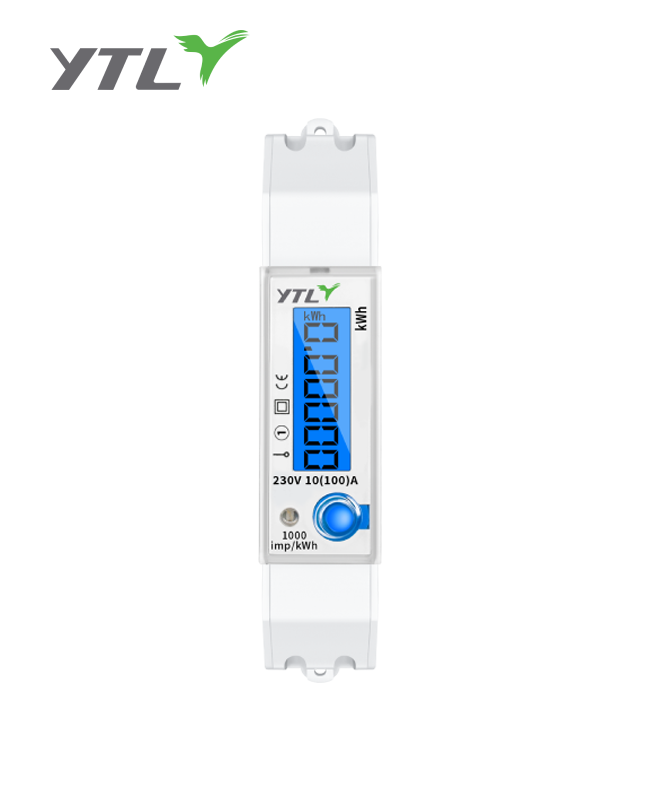
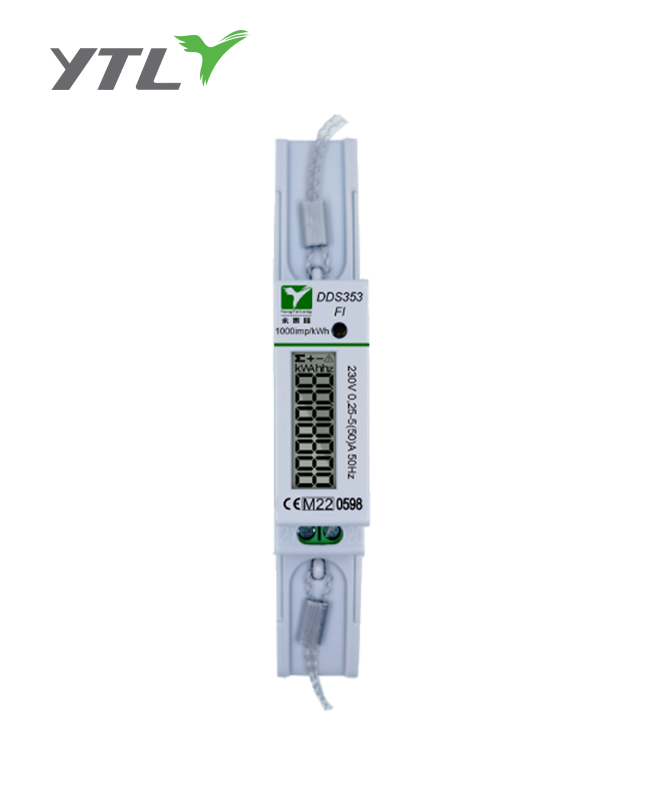
.png?imageView2/2/w/500/h/500/format/png/q/100 "YTL Single Phase Active Electronic Electricity Meter")