
 English
 简体中文
简体中文



After alternating current power grids have dominated the power system for a century, a DC revolution is arriving in full swing alongside the new energy wave. Core new energy scenarios such as photovoltaic power generation, energy storage systems, and DC fast charging for electric vehicles all generate electricity inherently in the form of direct current. Once a niche professional instrument, the DC meter has moved from a segmented specialized device to the center of the energy industry, becoming an essential pillar for precise metering, safety control, and efficient operation of new energy systems.
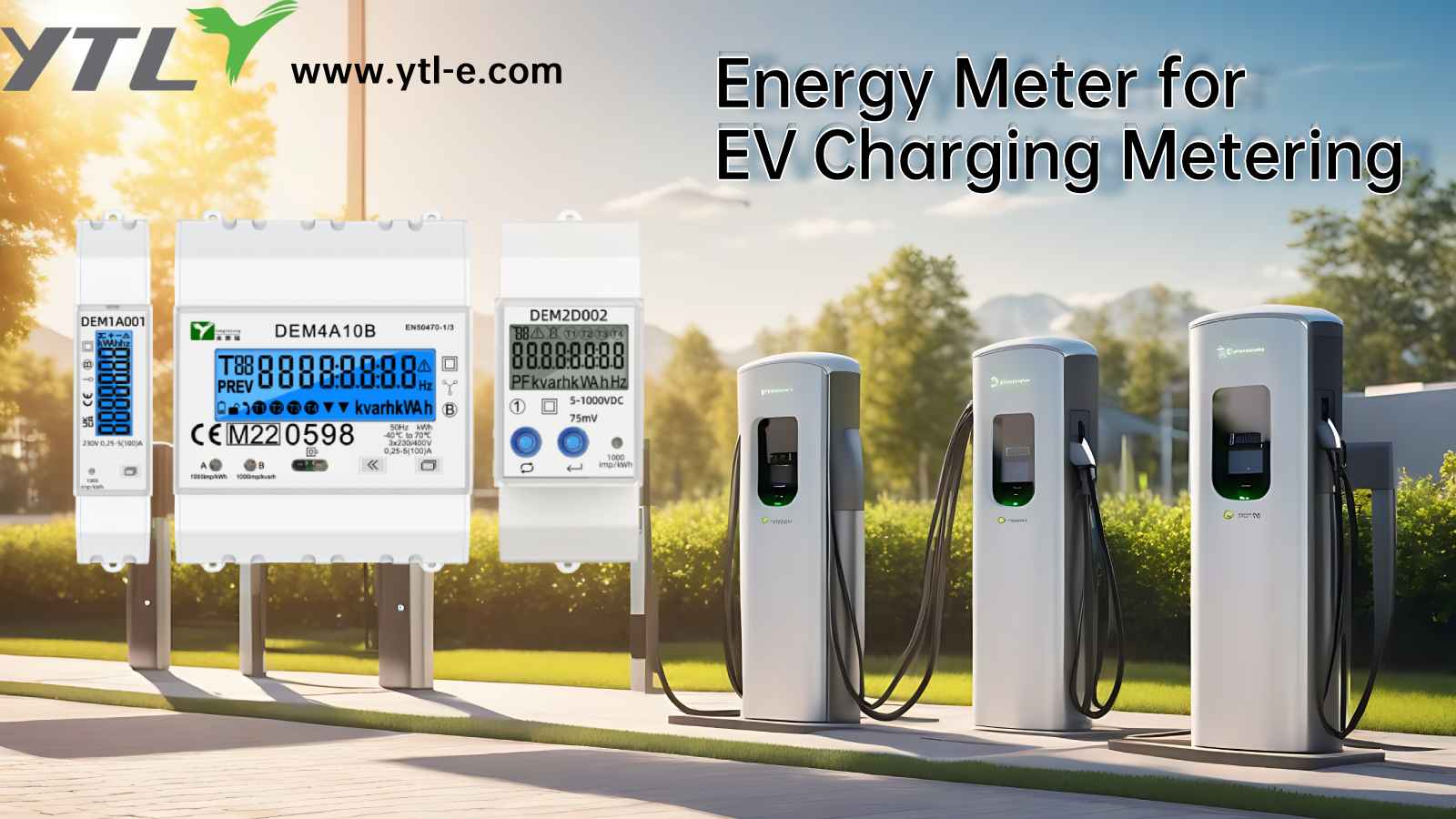
I. DC-oriented Energy Transition: DC Meters Become a Rigid Demand
The inherent DC characteristics of the entire new energy chain — power generation – energy storage – power consumption — make traditional AC meters unable to cover core metering scenarios, rendering DC meters irreplaceable in value.
1.Photovoltaic Power Generation: More Accurate Source-Side Metering Photovoltaic modules output direct current directly. Conventional AC meters only measure electricity after inversion, failing to distinguish power loss from PV modules versus conversion loss from inverters. DC meters conduct direct metering on the DC side, accurately capturing the actual power generation of PV strings and providing raw data for efficiency analysis and fault location.
2.Energy Storage Systems: Reliable Core Data Dependency Electrochemical energy storage completes charging and discharging in DC form. Key indicators including battery efficiency, cycle life, and capacity attenuation rely entirely on precise DC-side measurement. Bidirectional DC meters serve as the only credible basis for calculating round-trip efficiency, diagnosing battery health status, and supporting the operation of Energy Management Systems (EMS).
3.DC Fast Charging: The Bottom Line of Fair Billing Electric vehicle DC fast charging converts grid AC into high-voltage DC to directly charge vehicle batteries. Charging settlement must rely on DC meters. Their metering accuracy and compliance are directly linked to operator profits and user rights, forming the foundation of trust for charging infrastructure.
II. Core Value of DC Meters: Beyond Metering — Enabling Management and Safety
In new energy systems, DC meters have long surpassed simple electricity statistics and cover key links throughout the entire operation process.
1.Precise Settlement to Secure Profit Margins Photovoltaic and energy storage projects are highly sensitive to operational efficiency. Even a metering error of only 0.5% will cause significant economic deviation during long-term large-scale operation. The high-precision metering of DC meters provides core data support for efficiency evaluation, revenue accounting, and energy-saving optimization.
2.Auxiliary Protection to Ensure System Safety High-voltage DC systems face unique risks such as arc faults. High-sampling-rate DC meters monitor subtle abnormalities in voltage and current in real time, assisting in identifying hidden dangers such as arc faults, PV hotspots, and energy storage battery degradation, and underpinning safe system operation.
3.Supporting Power Trading and Adapting to the New Power Market In scenarios of distributed energy, virtual power plants and green power traceability, credible metering data from DC meters can act as the core basis for power trading and carbon asset verification, enabling new energy assets to become flexible resources participating in market transactions.
III. Future Trend: DC Meters Become Standard Configuration of the New Power System
With the accelerated implementation of PV-storage DC-flexible buildings and DC microgrids, the power system is entering a new era of AC-DC hybrid operation, and DC meters will become standard equipment in the new power system:
- Metering boundary points continue to move forward, covering core energy nodes such as PV combiner boxes, energy storage battery terminals, and DC charging guns;
- Deep integration with BMS (Battery Management System) and energy management systems evolves DC meters into intelligent sensing terminals to support optimal system dispatching;
- DC metering standards and calibration systems continue to improve, with certifications including IEC 62052 / 62053, CPA and MID becoming basic market access requirements, building a safe and credible industrial ecosystem.

Conclusion
The importance of DC meters is rooted in the inherent DC nature of the entire new energy chain: generation – storage – consumption. They are not auxiliary accessories of new energy systems, but core components for precise metering, safety control and fair trading.
Amid the wave of energy transition, selecting high-precision and highly reliable DC metering solutions that comply with IEC standards and hold MID certification is an inevitable choice for new energy investors and operators. Mastering DC metering means grasping the core pulse of the new energy era.
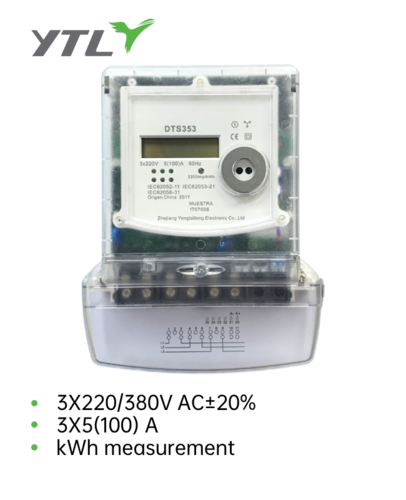
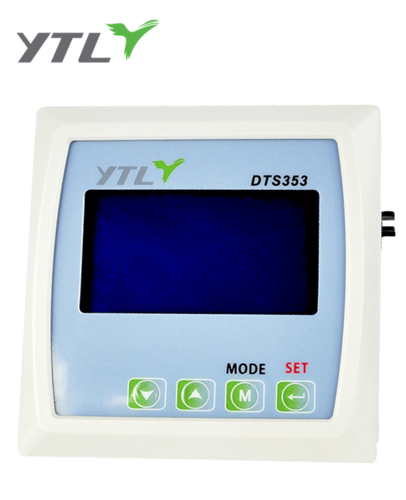
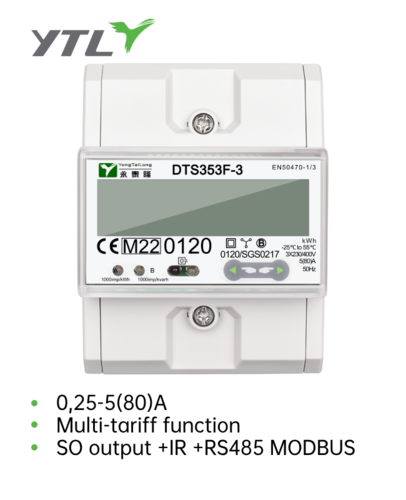
.jpg?imageView2/2/w/500/h/500/format/png/q/100 "YTL Company DTS353C DIN Rail 3P 4 Model Electricity Meter MID")