

 English
 简体中文
简体中文



Against the backdrop of global energy transition and marketized peak-valley electricity tariffs, industrial and commercial energy storage systems are gaining rapid popularity. As core equipment for energy storage grid connection, energy settlement and EMS data acquisition, the matching metering meter directly determines system metering accuracy, grid connection compliance and revenue accounting precision. This article clarifies the professional selection logic of supporting meters for industrial and commercial energy storage from the dimensions of functional requirements, technical parameters, scenario adaptability and compliance certification.
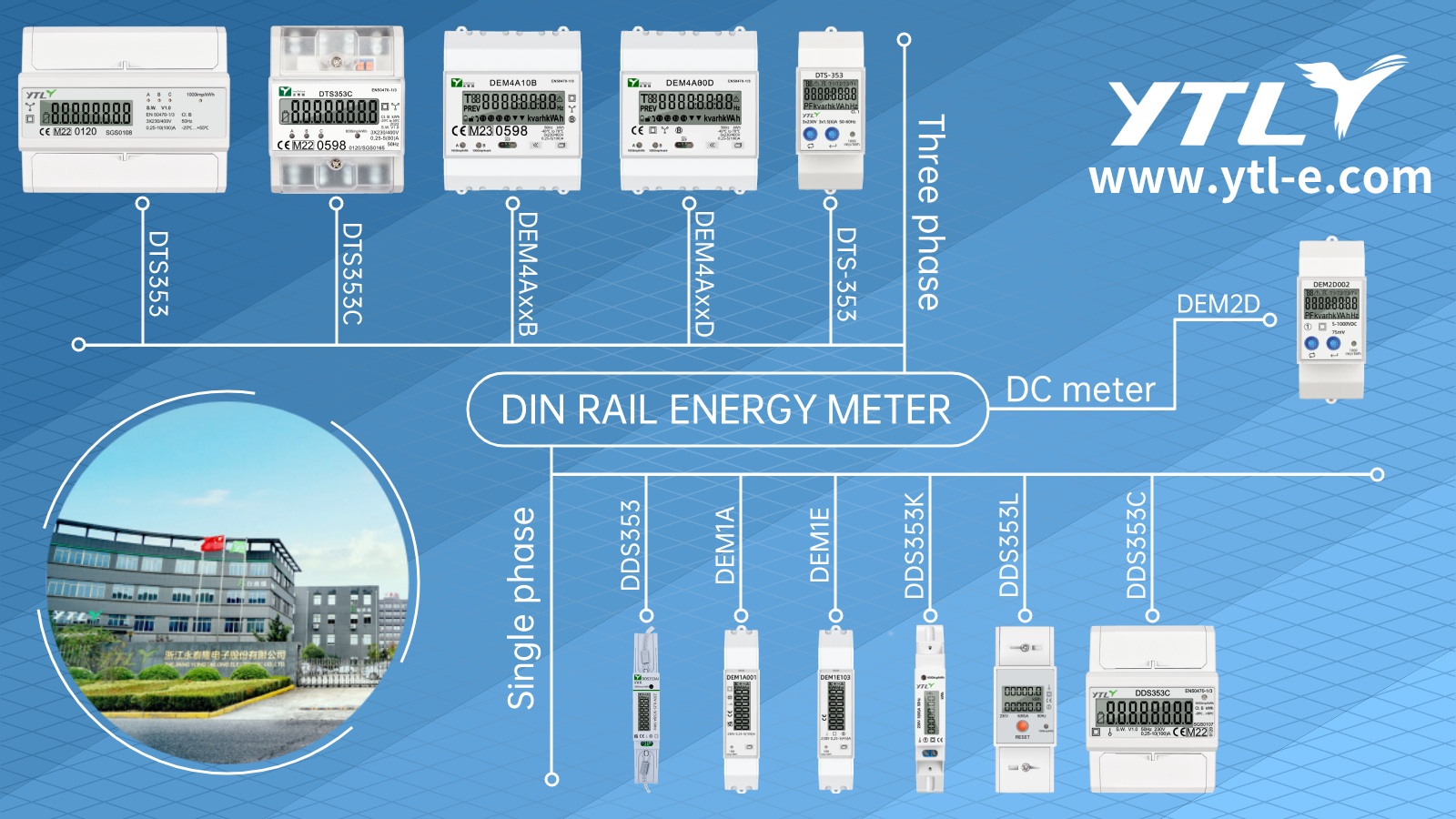
I. Development Background of Industrial and Commercial Energy Storage Market
Driven by policy support, technological iteration and the peak-valley tariff mechanism, industrial and commercial energy storage has become key equipment for user-side cost reduction, distributed energy consumption accommodation and microgrid dispatching. Energy storage systems maximize value through peak-valley arbitrage, demand control and grid dispatching, putting forward rigid requirements for precise bidirectional metering, real-time data collection and compliant grid connection access.
II. Core Functional Requirements of Energy Storage Matching Meters
1.Bidirectional Four-Quadrant MeteringSupports bidirectional active energy metering (charging/discharging) plus four-quadrant reactive power metering, accurately recording energy interaction between the energy storage system and the power grid to meet grid settlement and energy management demands.
2.Real-time Electrical Parameter MonitoringCollects real-time parameters including voltage, current, active/reactive power, power factor and harmonics. The high refresh rate provides real-time data for EMS to support stable system operation.
Time-of-Use Multi-Tariff MeteringSupports peak, valley and flat multi-period metering, adapts to local electricity tariff policies, accurately calculates energy storage arbitrage income, and matches user-side energy dispatching strategies.
Event and Abnormity ReportingBuilt-in event recording for overload, overvoltage, undervoltage, reverse power and other anomalies. It provides alarm trigger basis for EMS and assists in grid connection safety management and control.
III. Key Selection Points of Core Technical Parameters
1. Accuracy Class
- User-side grid connection for industrial and commercial applications: Priority for 5S class active energyto meet metering settlement and EMS collection requirements;
- Grid gateway metering: Adopt high-precision 2S classproducts;
- International market: Comply with MID Class D (high precision) / Class C certification requirements.
2. Communication & Protocols
- Communication interfaces: RS485, Ethernet, 4G/Cat.1
- Mandatory protocols: Modbus-RTU, DLMS/COSEM; large-scale energy storage supports IEC 61850
- Wireless communication is only applicable to non-wiring scenarios; wired communication is the mainstream choice for industrial and commercial energy storage.
3. Electrical Parameter Adaptation
- Low-voltage energy storage (8kW–1000kW): Mainly 380V/400V grid connection, matched with three-phase four-wire metering;
- High-voltage energy storage (10kV): Equipped with high-voltage metering scheme or used together with instrument transformers; voltage and current ranges shall match system rated parameters and transformer transformation ratio.
4. Installation & Structure
DIN rail mounting is preferred for industrial and commercial scenarios for easy integration into distribution cabinets; embedded / panel-mounted multifunction meters are optional for large-scale energy storage projects.
IV. Selection Recommendations for Systems of Different Scales
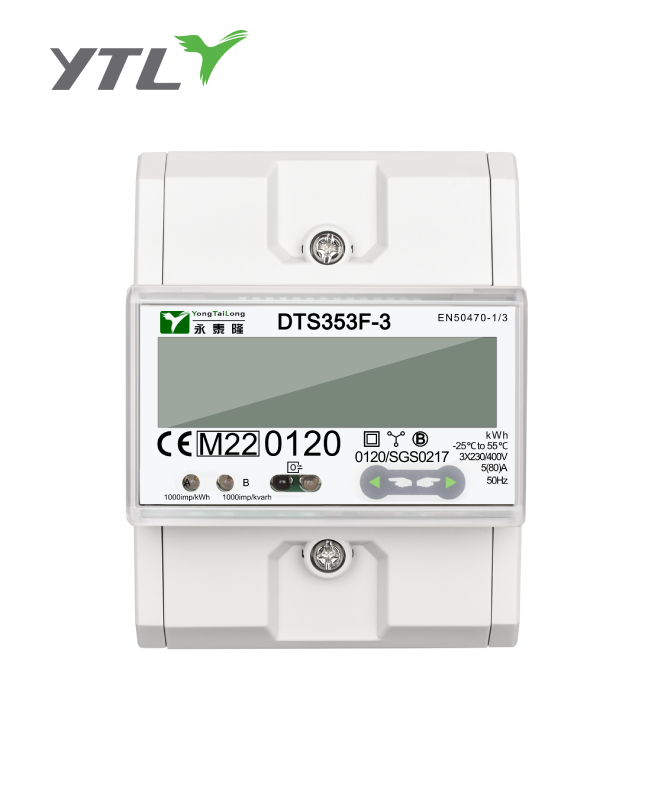
Small-scale Energy Storage (8kW–100kW)Adopt three-phase DIN-rail multifunction meters with bidirectional metering, RS485/Modbus-RTU, and 380V grid connection, featuring easy installation and cost suitability.
Medium-scale Energy Storage (100kW–1000kW)Select high-precision DIN-rail multifunction meters supporting harmonic monitoring and event recording, compatible with Ethernet communication to meet high-speed data acquisition demands of EMS.
Large-scale Energy Storage (Above 1000kW)Deploy grid-compliant multifunction meters that meet the grid connection technical requirements of GB/T 36547-2018. Support high-precision metering and standard protocol docking, and cooperate with power quality monitoring equipment to complete grid connection acceptance.
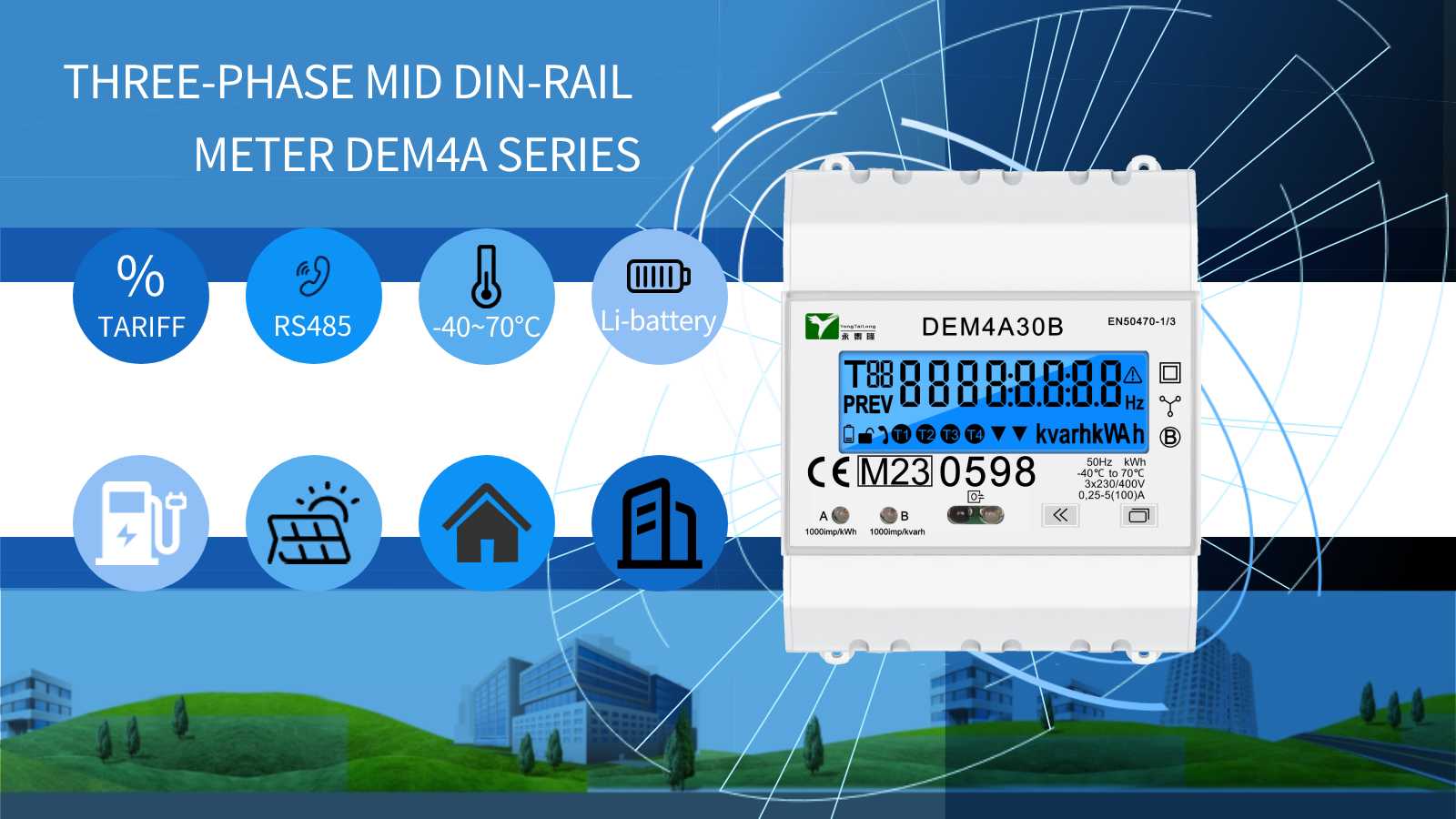
V. Yongtailong Industrial & Commercial Energy Storage Metering Solution
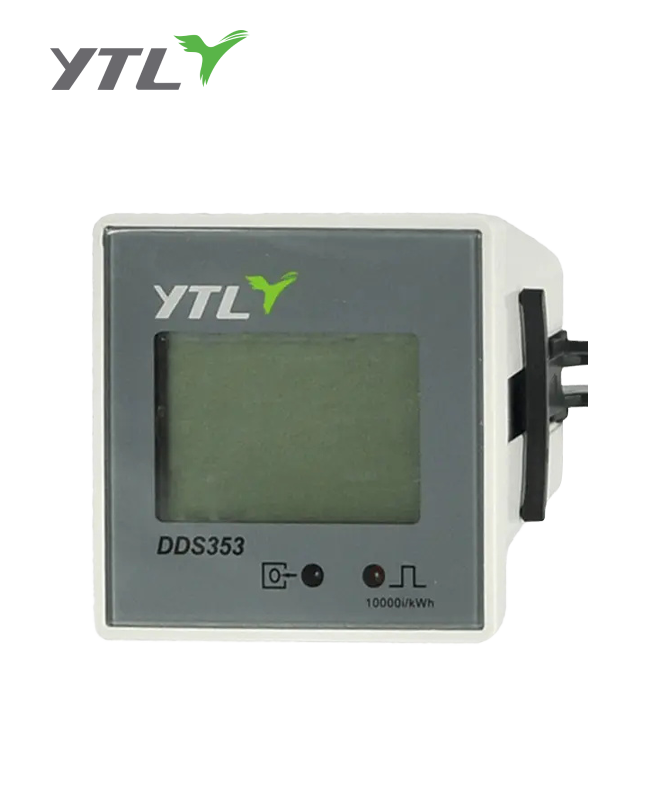
Zhejiang Yongtailong Electronics has been deeply engaged in the energy metering industry for nearly 30 years. It launches AC bidirectional and DC bidirectional metering meter series tailored for industrial and commercial energy storage scenarios, covering full structures of DIN rail, embedded and panel type, and adapting to household energy storage, industrial & commercial energy storage, and large-scale energy storage power stations.
- Product Compliance: Domestic CPA measuring instrument type approval; international MID and CE certifications, qualifying for grid connection access in global markets.
- Core Performance: Supports bidirectional four-quadrant metering, 0.5S high precision, multi-tariff and time-sequence metering, compatible with mainstream Modbus / DLMS protocols.
- Scenario Adaptability: DC meters cover metering at energy storage PACK, cluster and system levels; AC meters adapt to low-voltage / high-voltage grid connection scenarios.
- Service Support: Provide customized services including protocol customization, interface adaptation and grid commissioning according to demands of energy storage system integrators, delivering stable and reliable metering solutions for global energy storage projects.
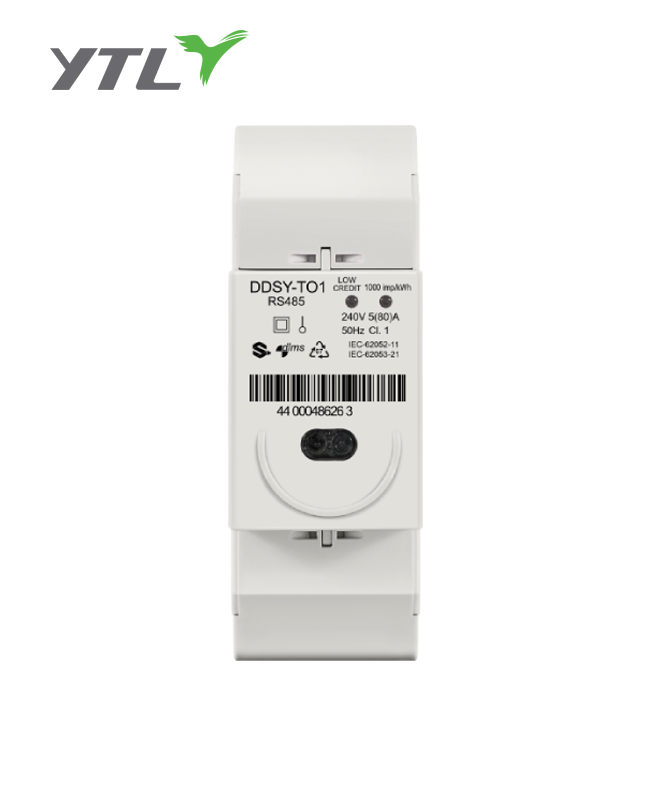
.png?imageView2/2/w/500/h/500/format/png/q/100 "YTL Two Phase Three Wire LCD Shunt sampling Energy Meter")
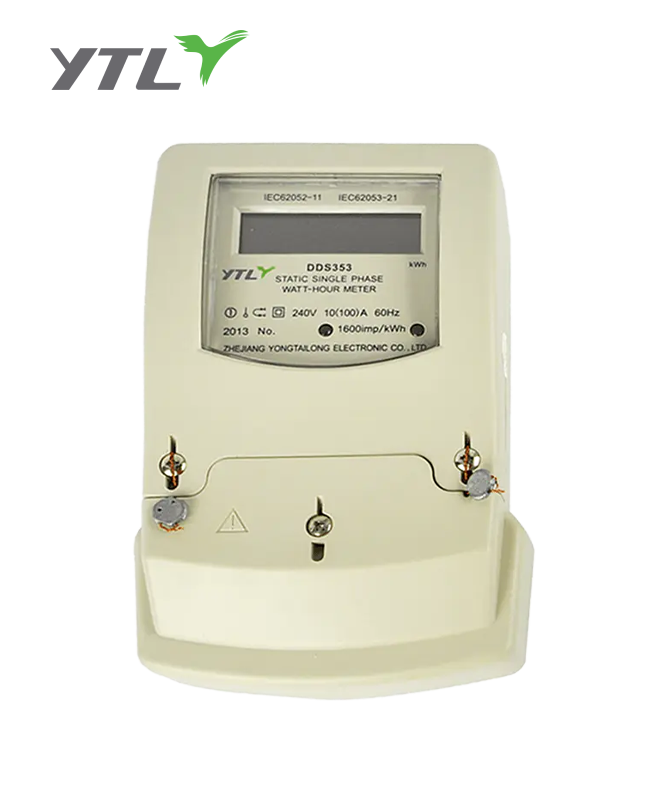
.png?imageView2/2/w/500/h/500/format/png/q/100 "YTL China Single Phase IC card Prepayment Electricity Meter")