
 English
 简体中文
简体中文



When you are looking to source high quality measuring equipment for a large scale project or wholesale distribution, the first question that usually comes up is what exactly makes a smart meter different from the digital meters we have used for years. In the manufacturing world, we see a lot of confusion between these two terms. While both devices are designed to measure how much electricity is being used, the way they handle that data and how they talk to the utility provider is completely different.
A traditional digital meter is essentially a one way street. It sits on the wall, records the total kilowatt hours used, and displays them on an LCD screen. If someone needs to know the reading, they have to physically walk up to the meter and write it down. On the other hand, a smart meter is part of a complex network. It is a two way communication device that can send data back to the power company every few minutes and even receive commands from them, such as remote disconnection or software updates. This shift from manual reading to automated systems is why so many regions are moving toward smart infrastructure.
The Technical Breakdown: How Measurement Accuracy Evolved
Accuracy is the heartbeat of any electric meter. If the meter is not precise, either the customer is overpaying or the utility company is losing money. In older mechanical meters, there were moving parts like a spinning metal disk that could wear down over time. Modern digital and smart meters use solid state electronic components to measure voltage and current.
The main advantage of the latest smart meters is their ability to handle complex electrical loads. In today’s world, we have a lot of non linear loads like computers, LED lights, and electric vehicle chargers. These devices can create “noise” or harmonics in the power line. High end smart meters are equipped with advanced digital signal processors that can filter out this noise and provide a much more accurate reading of actual energy consumption compared to basic digital models.
Comparison Table: Smart Meters vs. Traditional Digital Meters
| Feature | Traditional Digital Meter | Advanced Smart Meter (AMI) |
|---|---|---|
| Data Flow | One way (Measurement only) | Two way (Real time interaction) |
| Reading Method | Manual physical reading | Remote automated reading |
| Connection Type | Hardwired | Wireless (GPRS, 4G, NB IoT, LoRa) |
| Outage Detection | Requires customer report | Automatic instant notification |
| Pricing Support | Fixed rate only | Time of Use (TOU) and dynamic pricing |
| Remote Control | Manual switch required | Remote connect and disconnect |
Communication Protocols: The Secret Behind Global Compatibility
For an export manufacturer, the biggest challenge is not the meter itself but the language it speaks. Different countries prefer different communication protocols. This is what allows the meter to send data over long distances. In many European and Asian markets, we see a lot of demand for DLMS/COSEM. This is a global standard that ensures the meter can talk to the software systems used by the utility company, regardless of who made the hardware.
In areas where the power grid is spread out over vast rural distances, technologies like LoRaWAN or NB IoT are becoming the standard. These allow the meter to send small packets of data over many kilometers without using much power. For urban areas with dense housing, PLC (Power Line Communication) is often used because it sends the data directly through the existing electrical wires, which saves the cost of setting up a separate wireless network. Choosing the right protocol is just as important as choosing the right voltage rating for your target market.
Prepaid vs Postpaid: Which Model Fits Your Market?
Another major decision for buyers is whether to go with a prepaid or a postpaid system. In many developing markets or for rental properties, prepaid meters are incredibly popular. They work much like a prepaid mobile phone. The user buys credit, enters a code into the meter or uploads it via an app, and the power stays on until the credit runs out. This eliminates the risk of unpaid bills for the utility company and helps users manage their budget better.
Postpaid meters are the traditional model where you use the power first and get a bill at the end of the month. While this is standard in many Western countries, the data showing up in smart postpaid systems is helping people change their habits. With a smart postpaid meter, a user can see a graph of their energy use on their phone and realize that their old air conditioner is costing them a fortune at three in the afternoon. This level of transparency is a huge selling point for modern energy projects.
Industrial Applications and Heavy Duty Metering
It is not just about residential homes. The industrial sector has much higher demands for electric meters. Factories and large manufacturing plants deal with massive amounts of power, and they need to monitor more than just kilowatt hours. They need to look at power factor, reactive power, and peak demand.
If a factory has a poor power factor, it means they are drawing more current than they actually need, which puts a strain on the grid. Many utility companies will actually fine a factory for having a bad power factor. Advanced industrial meters provide real time monitoring of these stats, allowing factory managers to install capacitor banks or adjust their machinery to stay efficient. For an exporter, offering a meter that can handle these industrial grade measurements is key to winning large scale commercial contracts.
Quality Control and Testing Standards for Export
When we ship containers of electric meters across the ocean, we have to be absolutely sure they will survive the environment they are going into. A meter in a coastal city in Brazil faces high humidity and salt air, while a meter in Saudi Arabia has to deal with extreme heat and dust.
Professional manufacturers follow strict international standards like IEC or ANSI. These tests involve putting the meters in climate chambers to see how they react to high temperatures, and hitting them with high voltage surges to simulate a lightning strike. We also perform “tamper resistance” tests. Unfortunately, electricity theft is a reality in many parts of the world. Smart meters are now designed with sensors that can detect if the cover is opened or if a strong magnet is placed near the meter to try and slow down the clock. If any tampering is detected, the meter can immediately send an alert to the utility company and shut off the power.
Frequently Asked Questions (FAQ)
1. Can a smart meter work without an internet connection?
Yes, smart meters can store data internally for a certain period. However, to use the smart features like remote reading and real time monitoring, they need to connect to a local network via GPRS, 4G, or specialized radio frequencies like LoRa.
2. What is the typical lifespan of a modern electric meter?
While old mechanical meters could last 20 years, modern electronic smart meters are generally designed for a service life of 10 to 15 years. This is due to the electronic components and the batteries used for the internal clock and data backup.
3. Is it possible to upgrade a digital meter to a smart meter?
In most cases, you cannot simply upgrade the internal parts. You have to replace the entire unit. However, some modular digital meters allow for a communication module to be plugged in later to add smart capabilities.
4. How do smart meters protect against electricity theft?
Smart meters include several anti tamper features, such as detecting when the meter box is opened, monitoring for bypassed wiring, and sensing magnetic interference. Any of these events triggers an instant alarm to the utility provider.
5. What is the difference between STS and non STS prepaid meters?
STS (Standard Transfer Specification) is a global standard for prepaid systems. It ensures that the 20 digit tokens used to top up the meter are secure and can only be used on one specific meter. Non STS systems use proprietary technology that might not be compatible with other vending software.
References
- International Electrotechnical Commission (IEC) Standards for Electricity Metering Equipment.
- DLMS User Association - Smart Metering Protocol Specifications.
- Standard Transfer Specification (STS) Association - Prepaid Metering Security Guidelines.
- IEEE Power and Energy Society - Research on Advanced Metering Infrastructure (AMI).
- Global Smart Grid Federation - Annual Report on Utility Infrastructure Deployment.
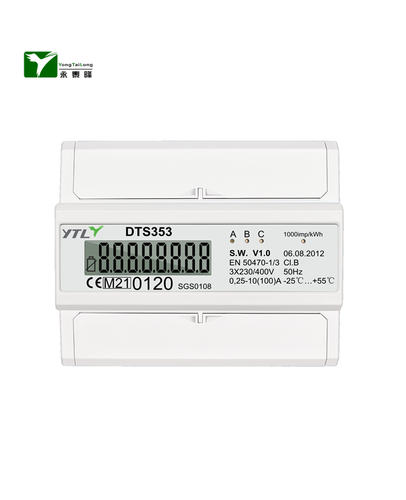
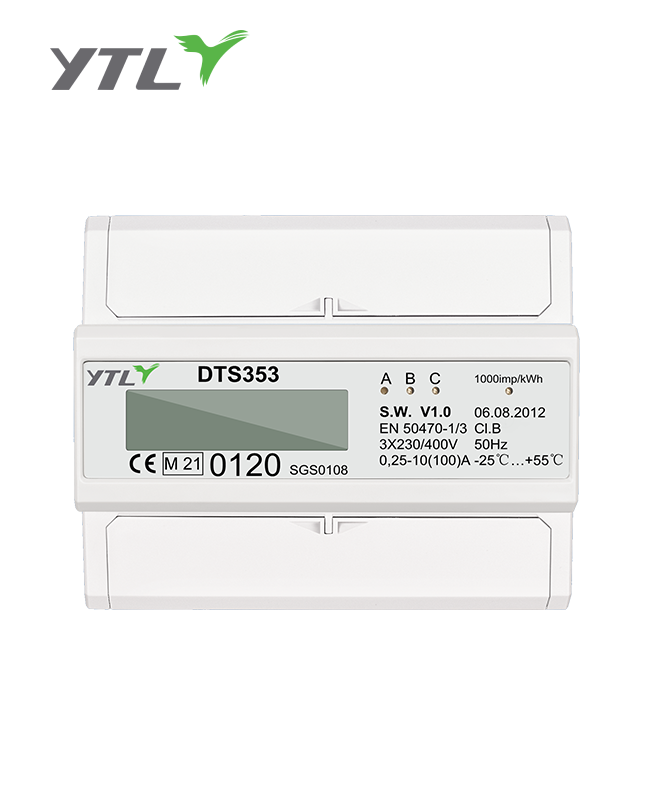
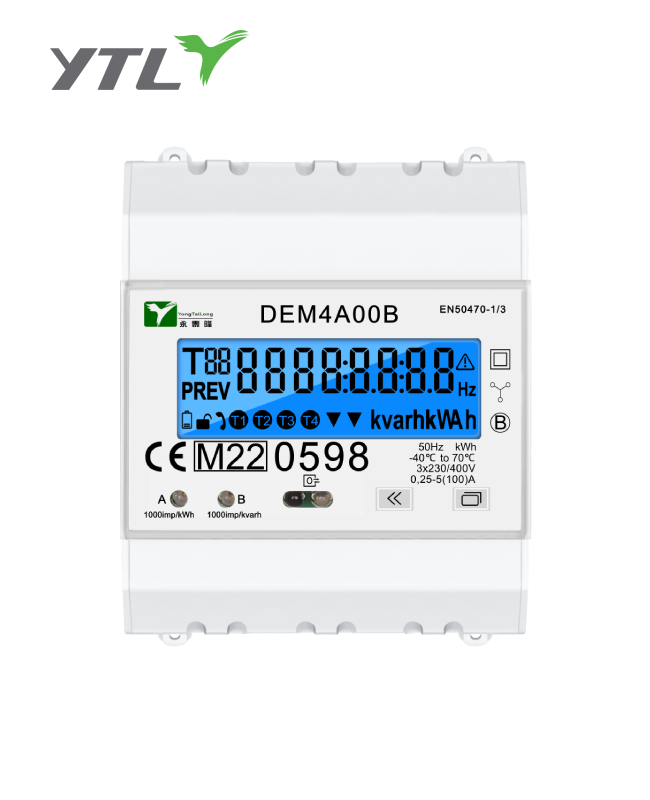
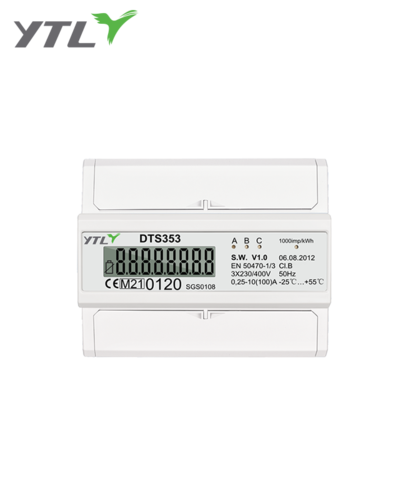
.jpg?imageView2/2/w/500/h/500/format/png/q/100 "YTL Company DTS353C DIN Rail 3P 4 Model Electricity Meter MID")
.png?imageView2/2/w/500/h/500/format/png/q/100 "YTL Two Phase Three Wire Big counter Electricity Meter")
.png?imageView2/2/w/500/h/500/format/png/q/100 "YTL Single Phase Active Electronic Electricity Meter")