
 English
 简体中文
简体中文



In the entire process of power generation, transmission, distribution and end-user power consumption, electronic measuring instruments serve as the fundamental basis for trade settlement, energy efficiency management and safety monitoring. The accuracy class is the critical criterion for measuring metering precision. It directly affects production safety, transaction fairness and operational benefits, and is far more than an ordinary technical parameter.
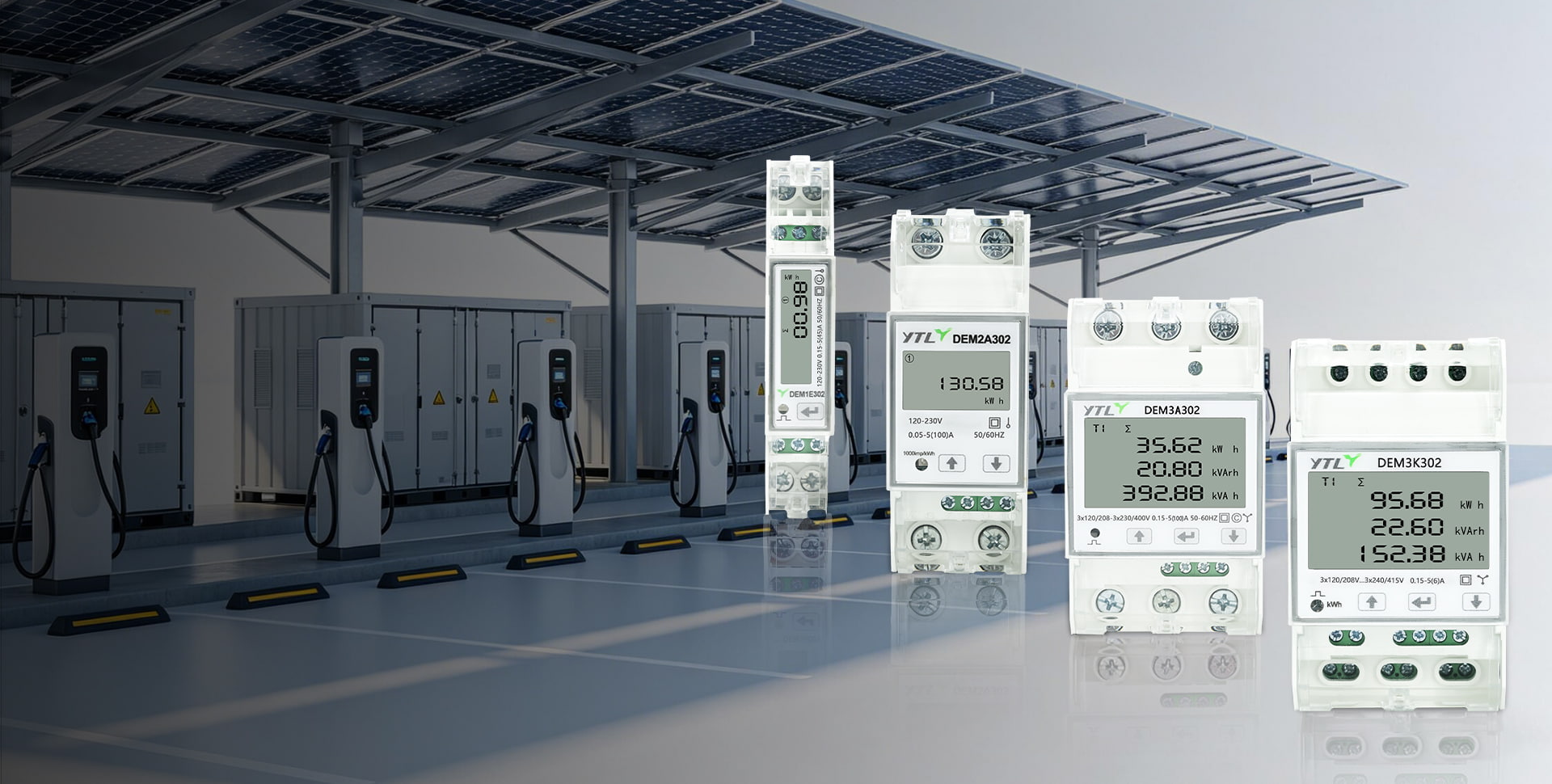
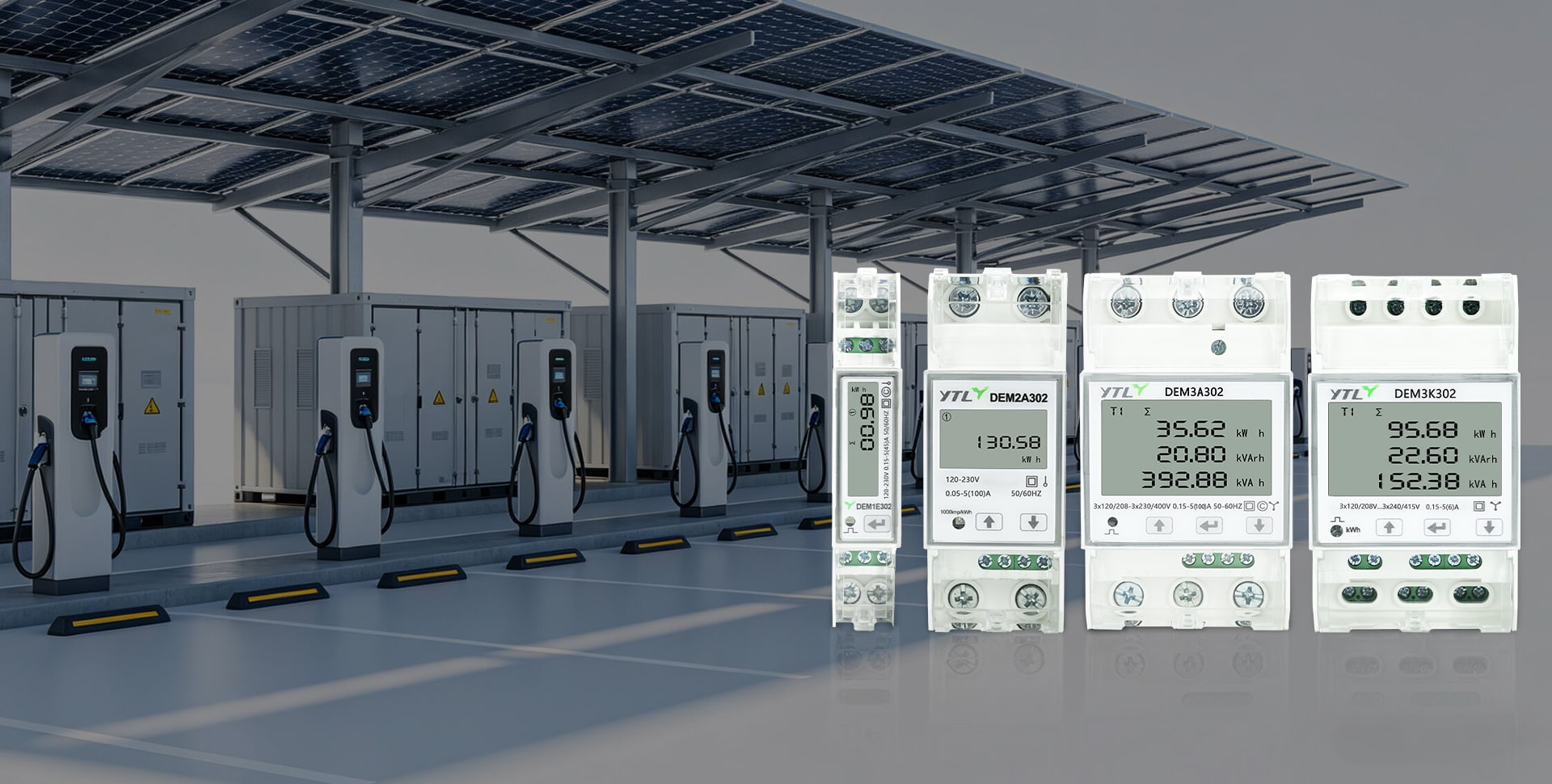
I. Accuracy Class: Core Definition and Key Interpretation
Accuracy class (also known as precision class) refers to the standardized value of the maximum permissible error of an instrument under standard operating conditions. The figure represents the percentage limit of measurement error.
Common accuracy classes for energy meters include 0.2S, 0.5S and 1.0. The smaller the number, the higher the metering accuracy. The suffix S stands for special precision specification, which means the meter maintains calibrated accuracy across a wide range from 1% basic current (Ib) to maximum current (Imax). It is especially suitable for industrial and commercial scenarios, energy storage systems and distributed energy with large load fluctuations.
Accuracy ≠ Resolution ≠ Repeatability
- Resolution refers to the smallest measurable energy unit that the instrument can display.
- Repeatability means the consistency of multiple measurement results.
- Accuracy class defines the deviation range between measured values and true values.
Even low-accuracy instruments with high resolution and stable readings will produce systematic deviations, resulting in hidden metering inequity. Meanwhile, accuracy validity is only guaranteed within rated voltage and current ranges; operation beyond the scope will cause excessive errors.
II. Accuracy Class: Safeguarding Power Safety and Transaction Fairness
In modern power scenarios, instrument accuracy is the fundamental guarantee for safety monitoring and trade settlement.
In terms of safety monitoring, high-precision measurement is the basis for early warning of overload, overvoltage, phase loss and other abnormalities. Excessive meter errors may conceal circuit hazards, delay alarms, and lead to equipment damage or electrical fire risks.
In distributed energy scenarios such as photovoltaic and energy storage systems, power flows bidirectionally. High-precision meters are essential for accurate measurement of on-site consumption and grid-supplied power. Substandard accuracy causes bidirectional metering deviations, triggers settlement disputes between users and power utilities, interferes with distribution network dispatching, and endangers grid stability.
In trade settlement, metering in all power transaction links must meet statutory accuracy requirements. Unqualified accuracy invalidates the legal credibility of settlement data and easily leads to metering disputes.
III. Accuracy Class: Improving Operational Efficiency and Economic Benefits
For enterprises, charging operators and park managers, high-precision instruments are the foundation of refined energy management.
In energy efficiency management, high-precision metering accurately identifies the energy consumption proportion of each circuit and equipment, providing reliable data for energy-saving renovation and avoiding wrong decisions caused by data deviation.
In cost control, enterprises under the two-part electricity tariff mechanism can accurately monitor maximum demand via high-precision meters, preventing demand overrun caused by measurement errors and effectively reducing basic electricity expenses.
In charging operation, the accuracy of built-in charging pile meters directly determines billing credibility. High-precision metering reduces user complaints and protects brand reputation, while providing authentic data support for operational analysis and pricing optimization.
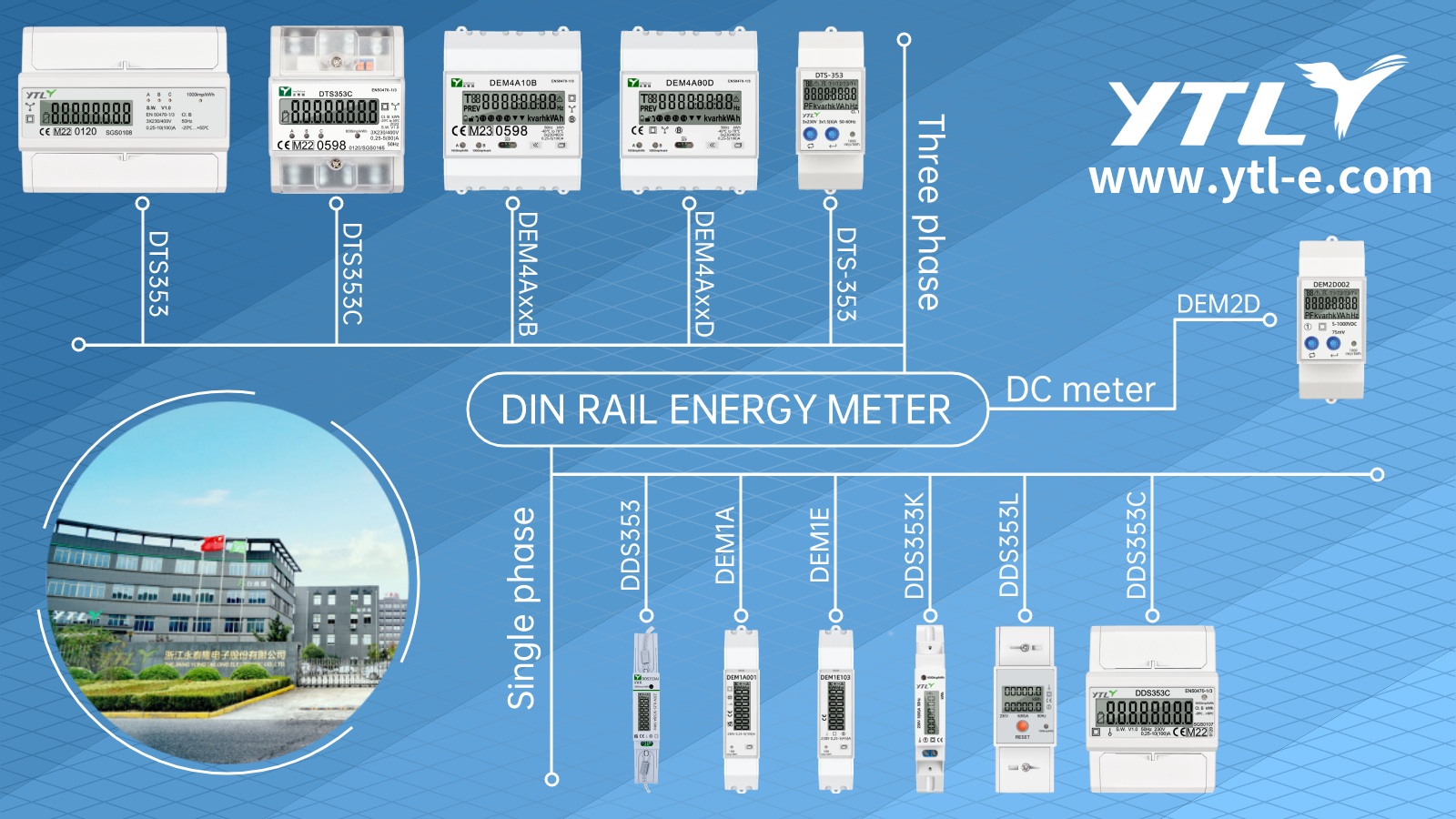
IV. Practical Selection Guidelines for Accuracy Class
- General power monitoring scenarios: Select Class 1.0to meet basic metering requirements.
- Industrial & commercial metering, energy storage grid connection, charging pile billing, trade settlement: Prioritize Class 0.5S and above.
- Grid gateway and high-precision monitoring scenarios: Adopt Class 0.2Sto ensure ultimate metering accuracy.
Model selection shall also consider on-site environmental conditions. Factors such as temperature, harmonics and electromagnetic interference may cause additional errors. It is necessary to select instruments with environmental adaptability matching actual working conditions.
Accuracy class is the cornerstone of power metering. Selecting a high-precision instrument matched to the application scenario not only safeguards the bottom line of production safety, but also guarantees transaction fairness and improves operational efficiency. In the era of energy digitalization, accurate metering data has become the core foundation for enterprises to realize refined management and high-quality development.