
 English
 简体中文
简体中文



Driven by digital transformation and the demand for energy conservation and consumption reduction, energy management in commercial parks, industrial parks, office buildings and other park scenarios is upgrading toward refinement and intelligence. As the core power sensing terminal of the park, smart meters undertake the functions of accurate metering, data collection, remote control and event reporting, serving as the basic hardware support for the park energy consumption management system. Focusing on the typical pain points of park power management, this paper provides a practical and implementable smart meter energy consumption management solution.
I. Typical Pain Points of Park Energy Consumption Management
-
Extensive energy consumption and uncontrollable idle power waste There is no separate power monitoring for public areas, tenant workshops and production lines. Invalid energy waste cannot be located, and energy-saving measures lack reliable data basis.
-
Frequent disputes over metering and charging Manual meter reading is prone to omission and errors. Household/branch metering is inaccurate, cost allocation lacks objective data, leading to frequent tenant disputes.
-
High and rigid power consumption cost Under the two-part electricity tariff system, transformer load and demand cannot be monitored, making it difficult to optimize basic electricity fees and power factor adjustment charges.
-
Lack of early warning for power safety hazards Overload, electric leakage and abnormal power consumption cannot trigger real-time alarms, resulting in high equipment loss and high risks of power outages and safety accidents.
-
Low management efficiency Reliance on manual inspection and offline accounting leads to high operation and maintenance costs, while management decisions lack data support.
II. Management Upgrade Enabled by Smart Meters
-
Full visualized energy consumption Real-time collection of power consumption data from tenants, public areas and workshops, displayed on a unified platform with clear and traceable cost structure.
-
Accurate metering and automatic billing Support precise household and branch metering, compatible with prepaid and postpaid modes. Automatic bill calculation reduces manual errors and billing disputes.
-
Data-driven energy saving Power consumption curves and load analysis locate energy waste points, providing data support for energy-saving renovation and load optimization.
-
Power safety early warning Smart meters report overload, overvoltage, undervoltage and abnormal power events in real time, with system linkage early warning to reduce potential safety risks.
-
Automated management operation Realize remote meter reading, remote switch control and automatic cost allocation, transforming management from experience-driven to data-driven mode.
III. Core Architecture of the Solution
The solution adopts a three-layer architecture: Perception Layer – Network Layer – Application Layer, focusing on power metering and energy consumption management.
1. Perception Layer
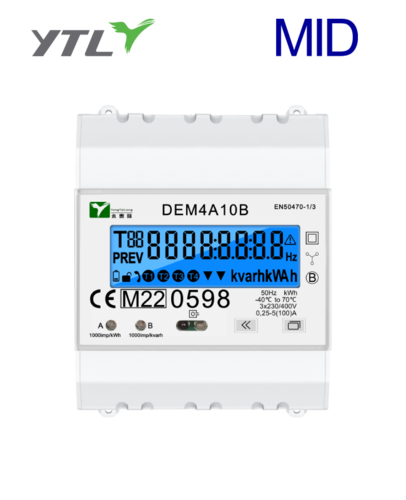
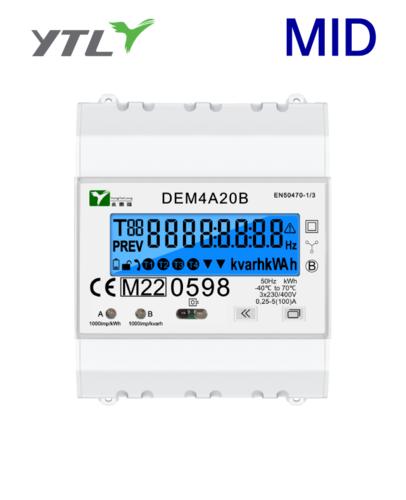
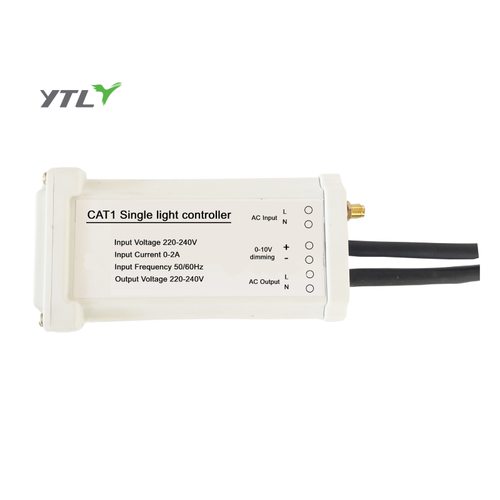
Centered on single-phase / three-phase smart meters, multi-function meters and prepaid meters, it undertakes energy metering, data collection, switch control and event reporting. It supports mainstream communication methods including RS485, PLC, NB-IoT and Cat.1, adapting to complex wiring environments in parks.
2. Network Layer
- Local Networking: Data is aggregated through concentrators and collectors and uploaded to local servers, meeting high-security and localized management requirements.
- Cloud Platform Networking: Data is transmitted directly to the cloud via IoT channels, featuring flexible deployment and easy maintenance, suitable for small and medium-sized parks.
3. Application Layer
The energy management platform provides functions including energy consumption monitoring, household metering, charge control management, load analysis, abnormality alarm and report output. It supports access via PC and mobile terminals, meeting both operator operation & maintenance and tenant inquiry needs.
IV. Typical Application Scenarios and Value
-
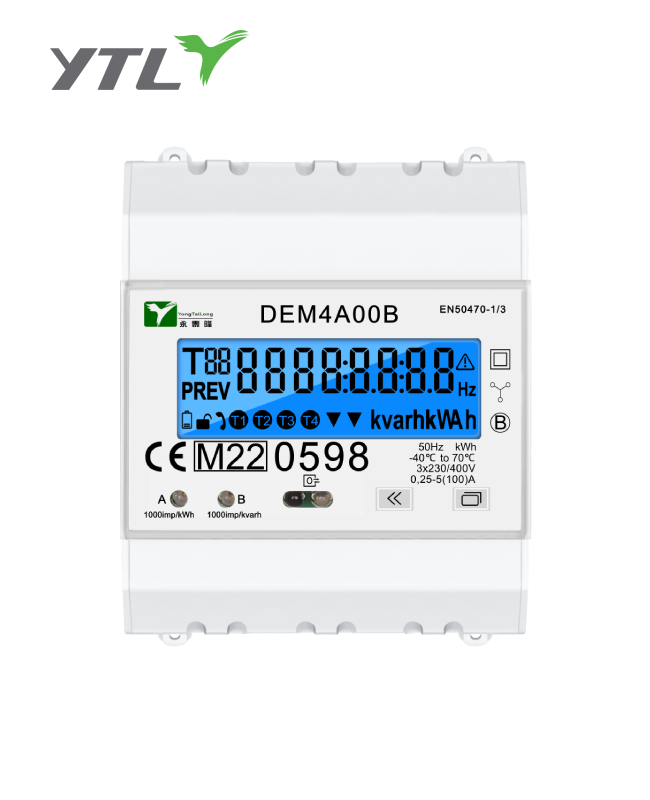
Commercial Parks & Office Buildings Adopt three-phase / single-phase DIN rail meters to realize accurate household metering, automatic data upload, automatic cost accounting and electronic reconciliation, improving tenant service experience and capital recovery efficiency.
-
Industrial Parks Deploy three-phase multi-function meters to realize branch metering and load monitoring for workshops, production lines and transformers, providing data support for demand optimization, power factor charge control and energy-saving renovation.
-
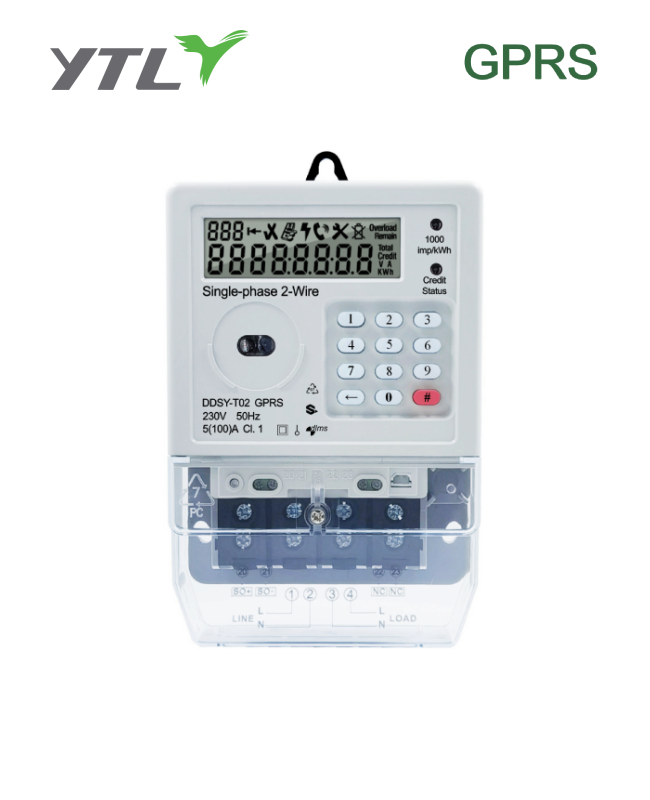
Property Parks Adopt prepaid smart meters to implement the pay-first-use-later mode and reduce arrears risks. Support automatic energy cost allocation for public areas and provide fair and transparent billing basis.
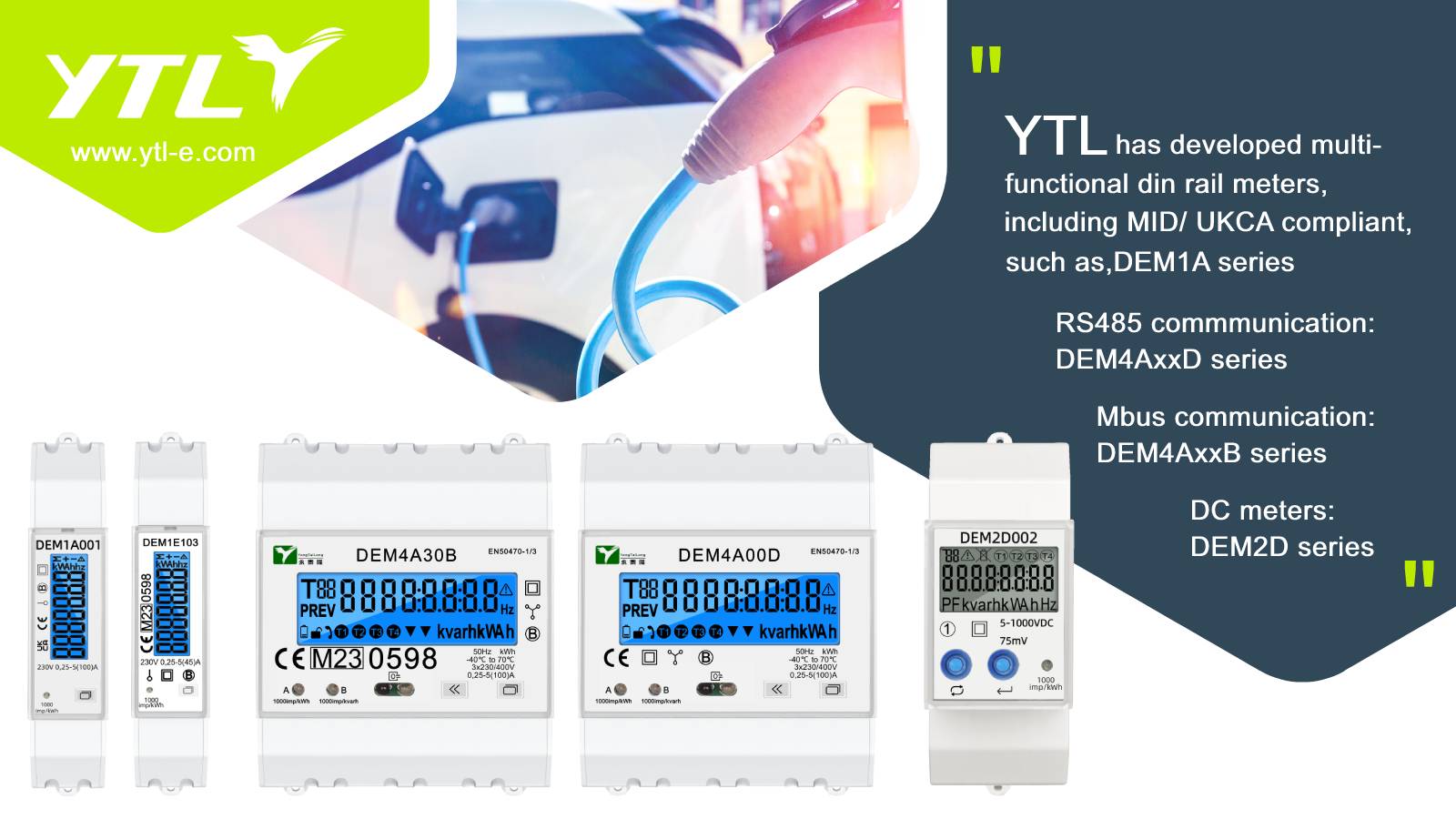
V. Advantages of Yongtailong Park Solution
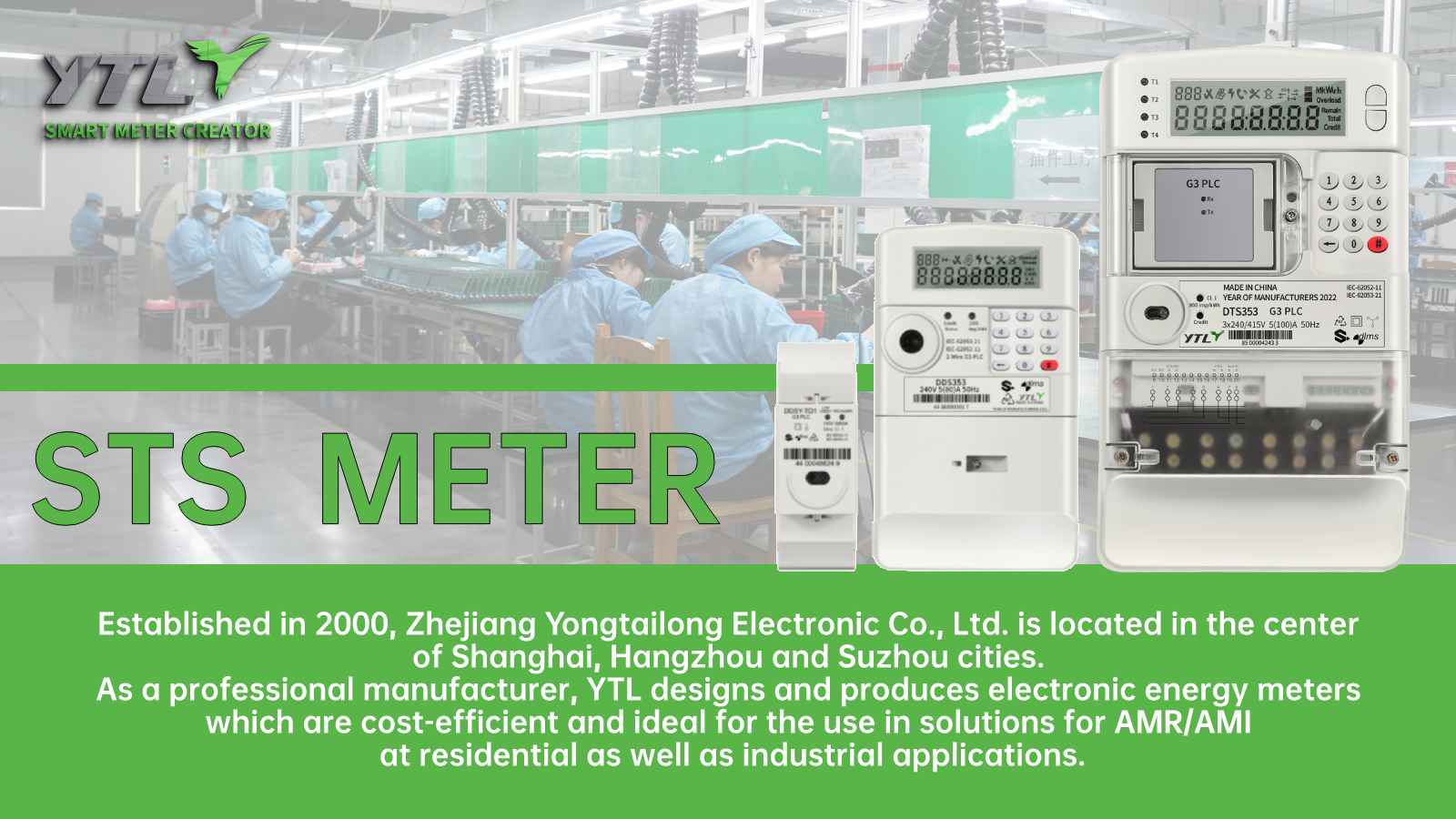
Zhejiang Yongtailong Electronics has focused on energy metering for nearly 30 years, providing an integrated park energy consumption management solution combining smart meter hardware and energy management platform.
-
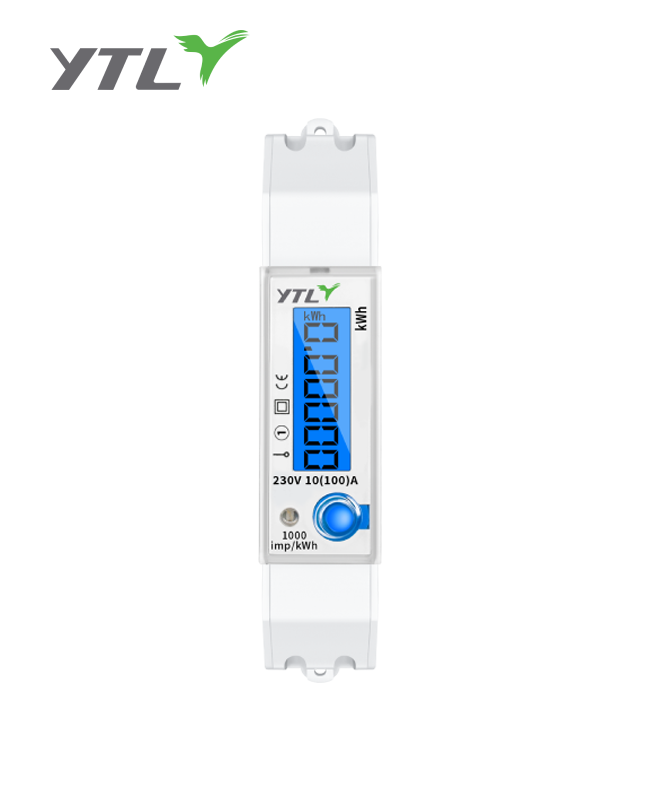
Full-scenario Hardware Coverage Complete product series including DIN rail single-phase / three-phase meters, multi-function meters and prepaid meters, fully meeting park demands such as household metering, branch monitoring and charge control management.
-
Communication and Protocol Compatibility Support RS485, PLC, NB-IoT, Cat.1 communication; compatible with standard protocols such as Modbus-RTU, DLMS/COSEM and MQTT, enabling stable docking with mainstream energy management platforms.
-
Compliance and Reliability Obtained domestic CPA measuring instrument type approval and complies with national standard GB/T 17215; equipped with international MID and CE certifications to meet market access requirements of global park projects.
-
Full-process Professional Services Provide one-stop services including solution design, installation and commissioning, system docking and after-sales operation & maintenance, helping parks achieve energy saving, cost reduction, efficiency improvement and intelligent operation and maintenance.

.png?imageView2/2/w/500/h/500/format/png/q/100 "YTL China Single Phase IC card Prepayment Electricity Meter")