
 English
 简体中文
简体中文



As EV charging infrastructure grows across Europe, Australia, the Middle East, South America and Southeast Asia, project owners are paying more attention to one critical question:
Can the energy data be measured, read and managed reliably?
For many EV charging, building energy management and commercial power monitoring projects, the charger or platform is only one part of the system. Accurate metering is the foundation behind billing, load monitoring, energy allocation, system integration and long-term project operation.
This is where a DIN rail energy meter becomes an important hardware component.
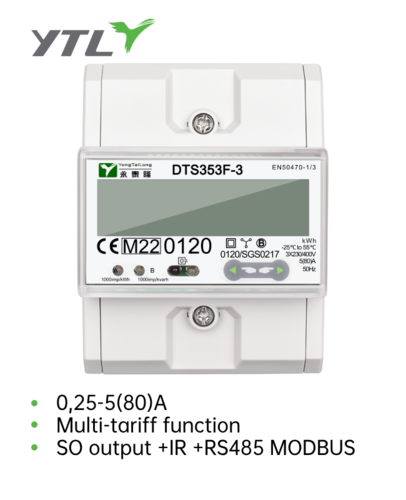
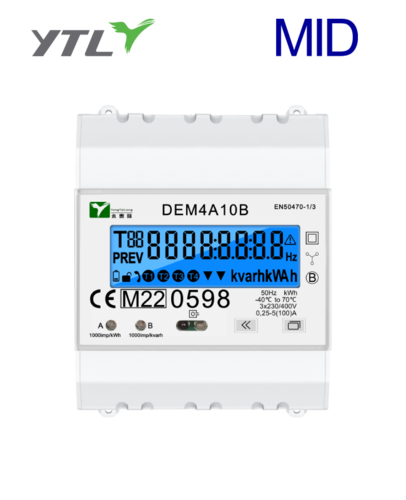
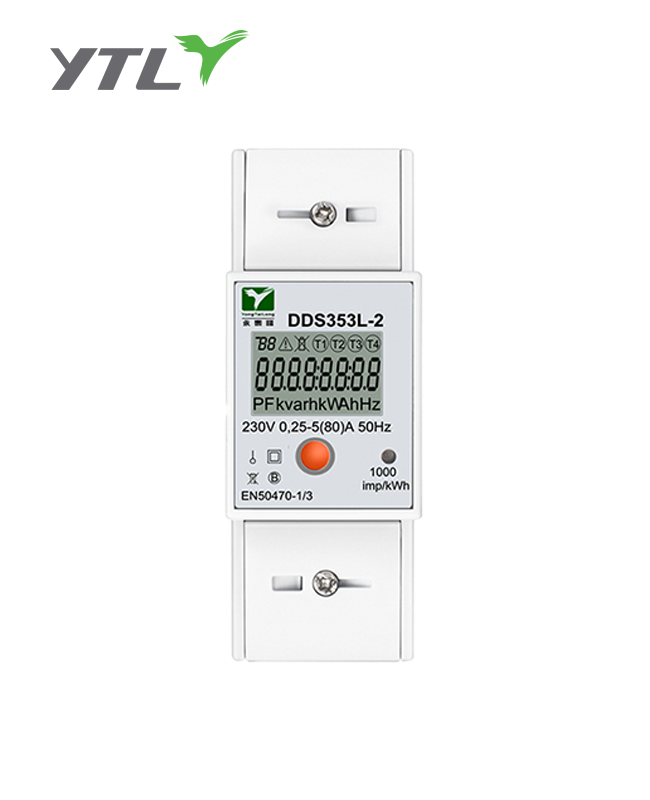
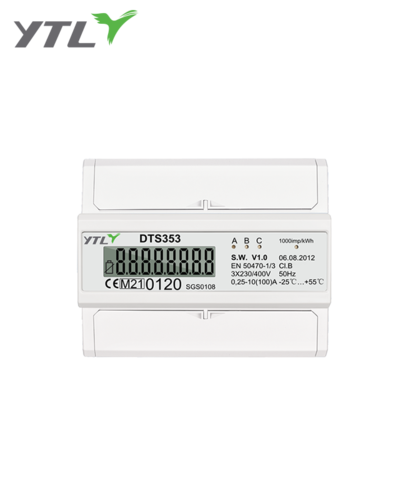
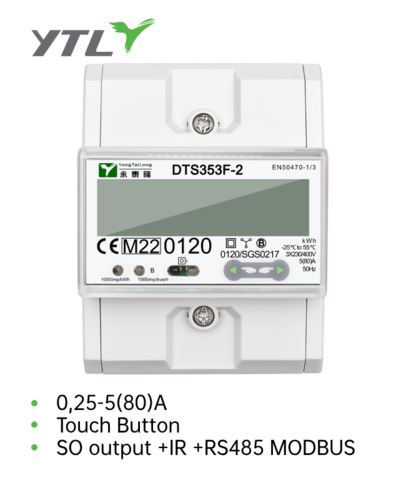
A DIN rail energy meter is compact, easy to install inside electrical cabinets, and widely used in EV charging stations, commercial buildings, industrial panels, PV solar-storage systems, tenant sub-metering and C&I energy management projects. For importers, EPC contractors, system integrators and energy solution providers, choosing the right DIN rail meter is not only about price. It is about project compatibility, communication stability, technical documentation and long-term supply reliability.
Why DIN Rail Energy Meters Matter in EV Charging Projects
EV charging projects require more than power delivery. They also require accurate energy measurement and reliable data exchange.
In real deployment, energy meters may be used for:
- Charging energy measurement
- Billing and settlement data
- Load monitoring
- Energy consumption analysis
- Cabinet-level power monitoring
- Integration with EV charging platforms
- Communication with BMS, EMS or OCPP-related systems
If the meter cannot provide stable data, the project may face problems during testing, installation, platform integration or operation. For example, the charger may work properly, but the energy data may not be read correctly by the platform. Or the sample may perform well, but later batch supply may create compatibility issues if the supplier cannot maintain product consistency.
For this reason, serious buyers often evaluate a DIN rail energy meter from both the electrical and system integration perspectives.
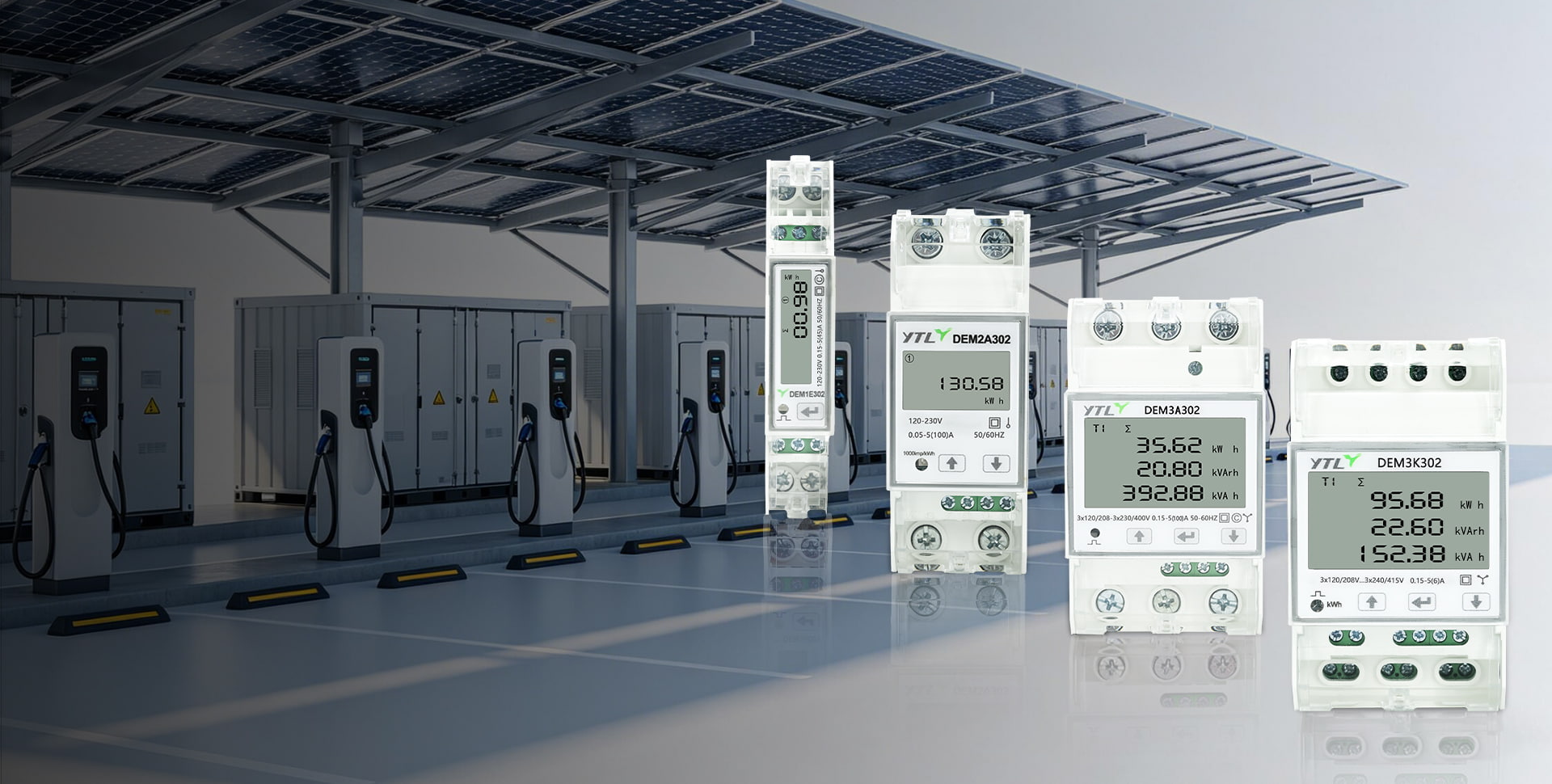
What Buyers Should Check Before Choosing a DIN Rail Energy Meter
A professional buyer should not only ask, “What is the unit price?” More important questions include:
1. Is the meter suitable for the project application?
Different projects may require single-phase meters, three-phase meters, direct connection or CT connection, different current ranges, accuracy classes and installation sizes. EV charging, PV monitoring and commercial energy management projects may all require different configurations.
2. Are the technical documents complete?
For EPC contractors and system integrators, documents are essential. Datasheets, wiring diagrams, installation manuals, communication protocol files, register maps and certification-related documents can directly affect project approval, installation efficiency and after-sales support.
3. Can the meter support communication requirements?
In energy management and EV charging projects, communication is often as important as measurement. Depending on project requirements, buyers may need RS485, Modbus RTU/TCP, NB-IoT, Wi-SUN or other communication options. A meter that “supports communication” is not enough. The data must be readable, testable and integrable.
4. Can the supplier support long-term supply?
Many EV charging and C&I energy projects are not one-time purchases. They may require future replenishment, project expansion or platform maintenance. If the model, parameters, firmware or communication performance changes unexpectedly, the buyer may face additional testing and after-sales risk.
5. Can the supplier support OEM/ODM or private label needs?
For importers, distributors and local meter brands, OEM/ODM support can be important. This may include logo, label, packaging, documentation, parameter configuration and long-term model continuity.
DIN Rail Meters in Energy Management Applications
Beyond EV charging, DIN rail energy meters are also widely used in commercial and industrial energy management.
In commercial buildings, industrial facilities, shopping centers, residential complexes and campuses, energy managers need to monitor consumption by floor, tenant, circuit, machine, zone or system. DIN rail meters can act as field-level data acquisition devices, helping collect energy data for monitoring, analysis and optimization.
Typical applications include:
- Building energy management
- Industrial energy monitoring
- Tenant billing and sub-metering
- Commercial power distribution monitoring
- PV solar-storage energy measurement
- EV charging cabinet metering
- Load analysis and power management
For system integrators, the meter becomes part of a larger digital energy system. This means stability, communication protocol clarity and documentation quality are highly important.
YTL’s Role as a DIN Rail Energy Meter Manufacturer
Zhejiang Yongtailong Electronic Co., Ltd. (YTL) is a smart energy metering manufacturer and OEM/ODM partner serving global B2B buyers. YTL develops and manufactures energy metering hardware for applications such as smart metering, EV charging, PV solar-storage monitoring, prepaid management, AMI, building energy management and C&I energy monitoring.
YTL’s product portfolio includes DIN rail energy meters, smart energy meters, prepaid electricity meters, DC meters, data concentrators and related smart metering hardware. For global buyers, this means YTL can support not only single-model supply, but also broader product portfolio development for importers, distributors, EPC contractors, system integrators and OEM/private label partners.
For EV charging and energy management projects, YTL focuses on practical buyer concerns:
- Product selection based on project scenarios
- Communication options based on system requirements
- Technical documentation support
- OEM/ODM cooperation
- Batch consistency and long-term supply
- Hardware support for AMI, BMS, EV, PV and C&I energy projects
Who Can Benefit from YTL DIN Rail Energy Meter Solutions?
YTL DIN rail energy meter solutions are suitable for buyers such as:
- EV charging companies
- Charging station project teams
- EPC contractors
- Electrical contractors
- System integrators
- Energy management solution providers
- Importers and distributors
- OEM/ODM and private label buyers
- Commercial and industrial energy monitoring projects
- PV solar-storage and smart energy system integrators
For these buyers, a reliable DIN rail energy meter is not just a component. It is part of the project’s data foundation.
Conclusion: Choose a Meter That Supports Real Deployment
In EV charging and energy management projects, the right DIN rail energy meter should do more than measure electricity. It should support installation, data reading, system communication, project documentation and long-term deployment.
For professional buyers, supplier selection should focus on more than price. The real value lies in product fit, technical clarity, communication compatibility, batch consistency and long-term factory support.
If you are looking for a DIN rail energy meter manufacturer for EV charging, PV monitoring, building energy management or C&I energy projects, YTL can support your product selection, OEM/ODM cooperation and long-term smart metering hardware requirements.
Contact YTL to discuss DIN rail energy meter solutions for your next EV charging or energy management project.
.png?imageView2/2/w/500/h/500/format/png/q/100 "YTL China Single Phase IC card Prepayment Electricity Meter")