
 English
 简体中文
简体中文



With the rapid development of the Energy Internet and Internet of Things technologies, prepaid meters have long broken away from the single positioning of a simple pay-first, use-later charging tool. They are fully upgraded toward remote operation, intelligence, dataization and high security, becoming key nodes in the smart energy system and meeting global application demands in residential, commercial, industrial park and other scenarios.
I. Remote Upgrade: Abandon Physical Media for Higher Management Efficiency
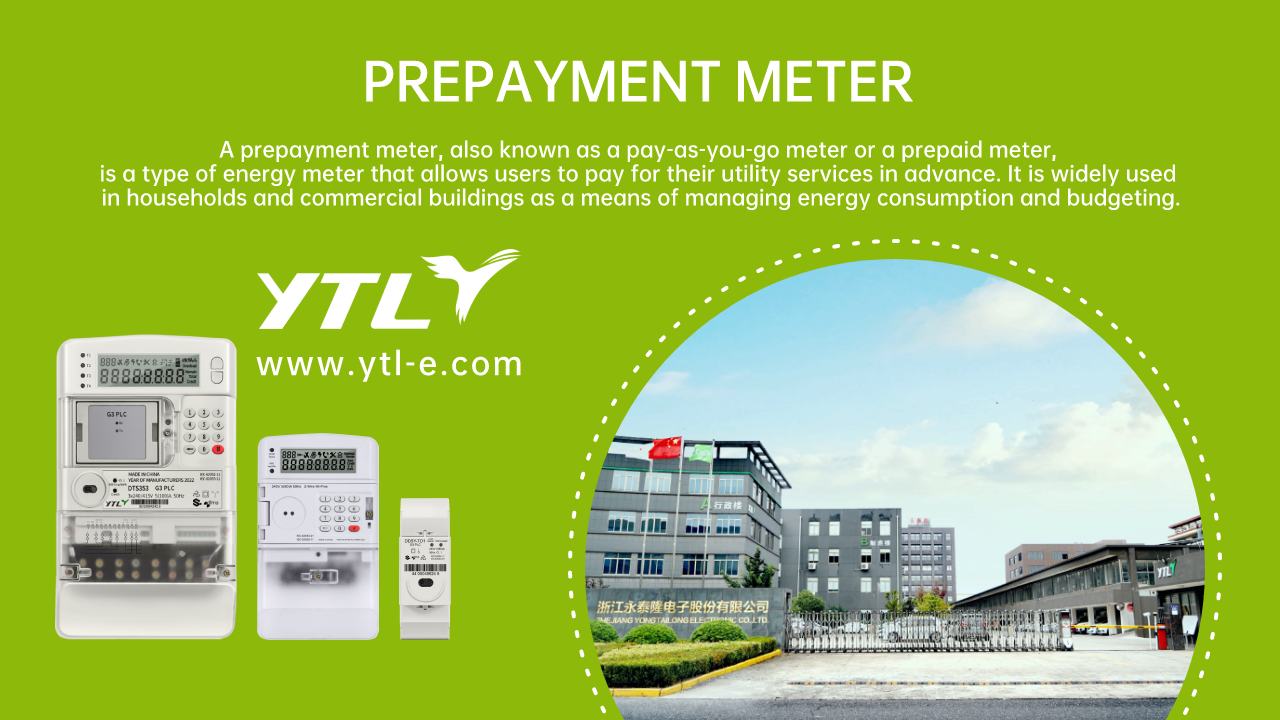
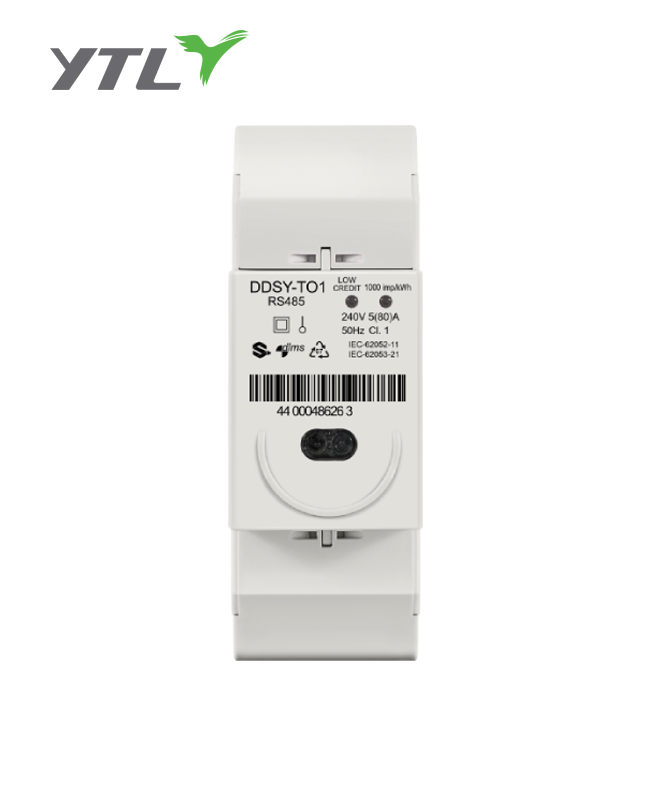
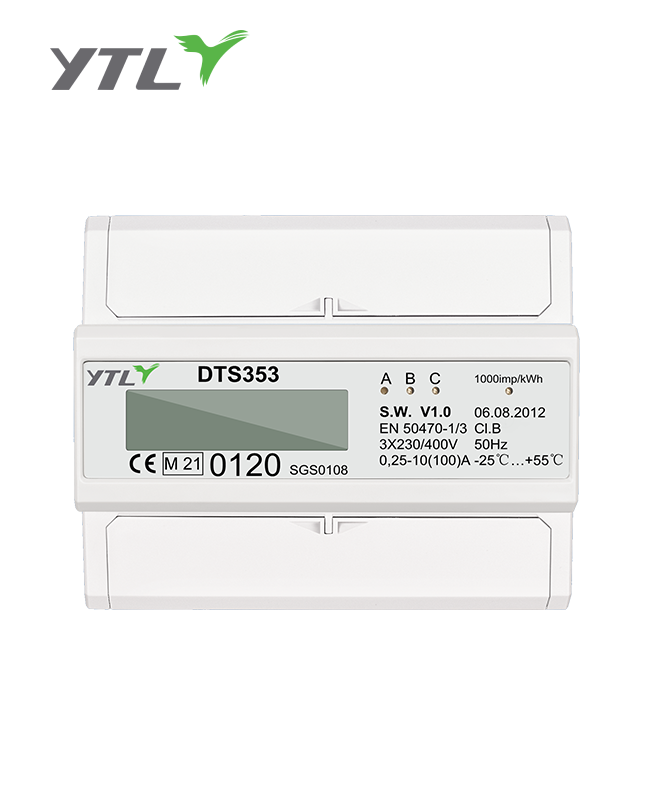
Early prepaid meters relied on IC card recharge, featuring cumbersome procedures and delayed response. The new generation of prepaid meters is embedded with communication modules such as NB-IoT, Cat.1 and RS485, enabling seamless connection with cloud management platforms:
- For end users: Purchase electricity anytime via mobile APP with instant balance arrival, no more offline queuing.
- For managers: Monitor meter status on a unified platform, realize remote meter reading, remote power on/off control and automatic bill generation. Full-process automation greatly reduces costs and improves operational efficiency.
II. Data Value Upgrade: From Metering Terminal to Energy Data Hub
Prepaid meters no longer merely calculate electricity consumption, but serve as the core collector of refined power data. They capture real-time key parameters including voltage, current, power and power consumption curves to extend diversified application value.
- Property / Operators: Accurately analyze power load, identify electricity theft and abnormal power consumption, and optimize power distribution scheduling.
- End users: Clearly grasp personal power consumption habits, discover energy-saving potential, and support green and low-carbon power usage.
III. Two-Way Intelligence: Adapt to Distributed Energy for More Flexible Services
With the popularity of household photovoltaic and energy storage systems, power flow has changed from one-way transmission to two-way interaction. Prepaid meters are upgraded with bidirectional four-quadrant metering capability, which can measure both consumed power and grid-connected photovoltaic power. It supports net electricity settlement and green power trading. Meanwhile, it can link with smart home devices to automatically regulate non-essential loads during peak hours and optimize power consumption costs.
IV. Safety and Standardization: Build a Solid Foundation of Trust to Adapt to the Global Market
With the growth of payment and data interaction, standardization and high security have become the core industry trends:
- Standardized protocols: Compatible with Modbus and DLMS equipment interconnection standards for stronger device interoperability.
- High data security: Upgraded hardware encryption, security certification and transmission protection to safeguard payment and power consumption data.
- Global compliance: Certified with MID and CE to meet market access requirements for global projects.
Conclusion
The evolution of prepaid meters closely follows the wave of energy digitalization and intelligence. Evolving from a single payment tool into an integrated energy management terminal integrating metering, communication, control and data analysis, it not only improves power management efficiency, but also empowers energy conservation, consumption reduction and energy structure optimization. It has become a standard configuration for smart buildings, industrial parks and new energy scenarios.
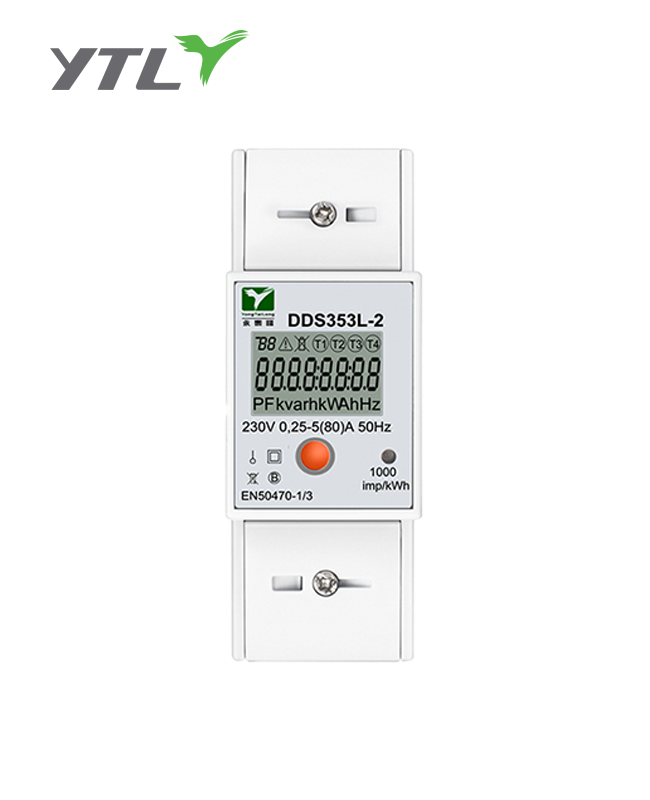
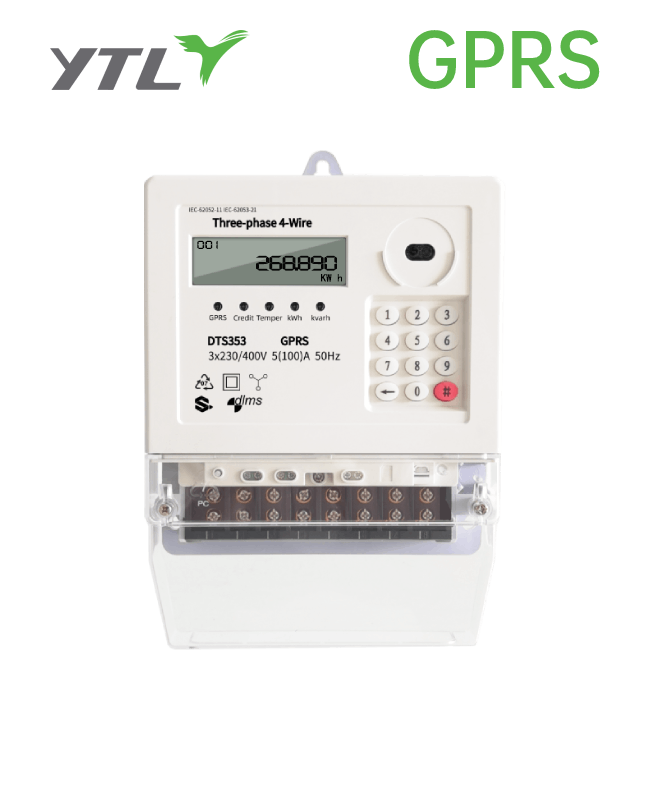
.png?imageView2/2/w/500/h/500/format/png/q/100 "YTL Single Phase Active Electronic Electricity Meter")