
 English
 简体中文
简体中文



As the "fair scale" and "data eye" of the power system, the selection of electric energy meters directly affects metering accuracy, electricity safety and management precision. Faced with a wide range of products on the market, clarifying the fundamental differences between single-phase meters, three-phase meters and smart meters is the first step to correct selection and application. This article provides a clear and comprehensive analysis guide from multiple dimensions including connection mode, measurement principle, core functions and application scenarios.
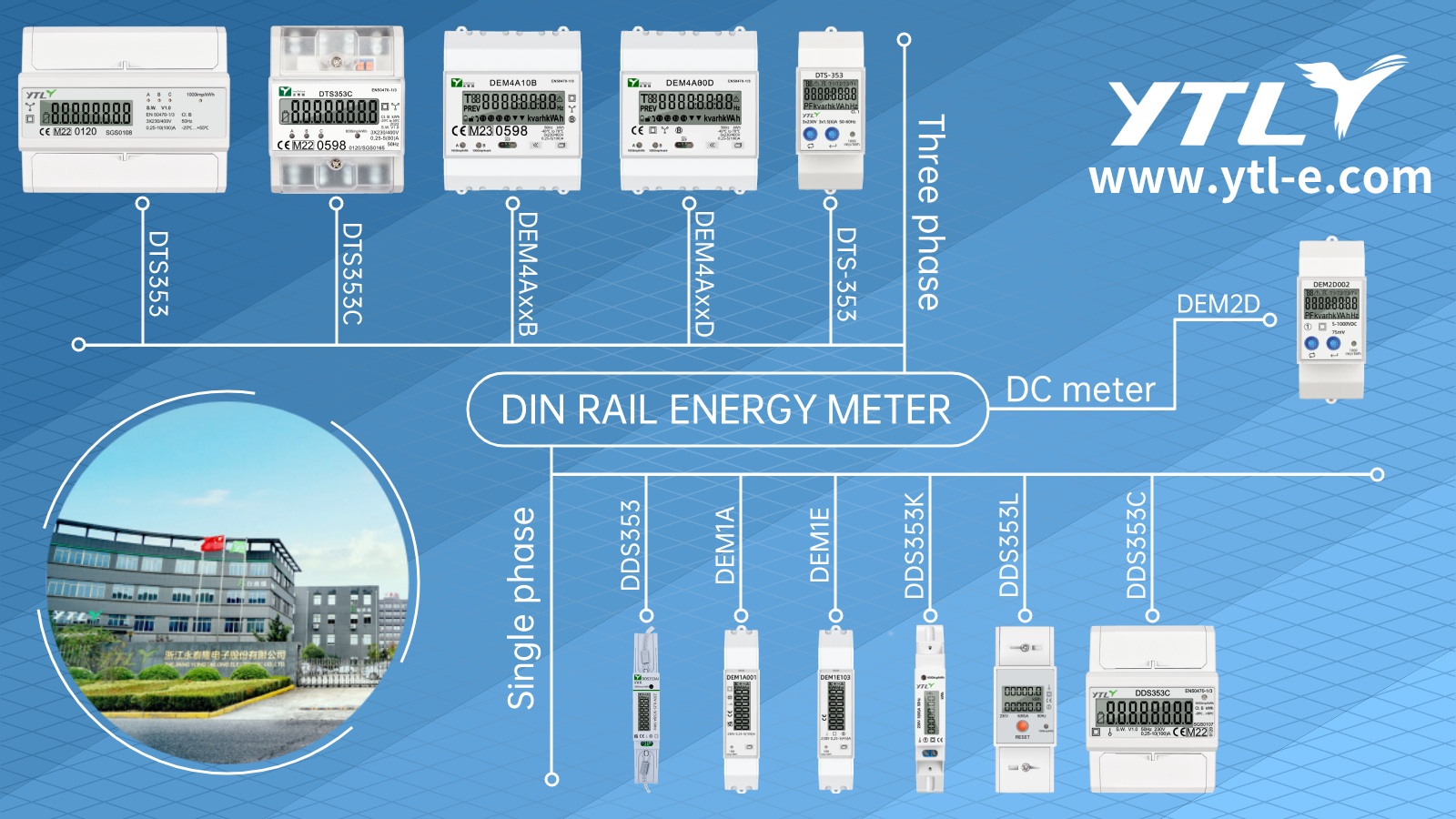
1. Classification by Phase Line Connection: Single-Phase vs. Three-Phase Meters
This is the most basic and physical classification, directly determined by the user’s power supply type.
1.1 Single-Phase Electric Energy Meter
- Connection mode: Connected to one phase line (live wire) and one neutral line, with standard residential voltage (e.g., 220V in China).
- Working principle: Measures electric energy in a single-phase AC circuit. It calculates active power by measuring instantaneous voltage and current values, and integrates over time to obtain consumed electric energy (kilowatt-hour, kWh).
- Core structure & appearance: Usually contains one set of voltage and current measurement elements internally, with few external terminals (typically 4: live wire in/out, neutral line in/out). The case is relatively compact.
- Main applications: Most residential buildings, small shops, offices and other places with relatively low power load and single-phase power supply. It is the most common meter in daily life.
1.2 Three-Phase Electric Energy Meter
- Connection mode: Divided into two main types according to wiring:
- Three-phase four-wire: Connected to three phase lines and one neutral line, phase voltage 220V, line voltage 380V. This is the most common three-phase wiring.
- Three-phase three-wire: Connected to three phase lines without neutral line, mainly used for high-voltage metering or symmetrical three-phase loads (e.g., large three-phase motors).
- Working principle: Measures electric energy of three phase lines simultaneously. It integrates three independent measurement units (or equivalent digital sampling channels) to measure voltage and current of each phase separately, then synthesizes the three-phase energy values. High-precision three-phase meters support per-phase metering.
- Core structure & appearance: More complex internal structure, usually larger than single-phase meters, with more terminals (7 or more).
- Main applications: All industrial enterprises, large commercial complexes, hospitals, schools, communication base stations, and villas or large residences with three-phase power supply. Three-phase meters are mandatory for any place using three-phase motors, large air conditioners or high total power in civil and industrial scenarios.
Summary of core differences:The essential difference between "single-phase" and "three-phase" lies in the number of phases of the power supply system and metering circuit, directly determined by the total power and type of electrical equipment. Wrong selection may lead to installation failure or severe metering inaccuracy.
2. Classification by Function & Intelligence Level: Traditional (Mechanical/Electronic) vs. Smart Meters
This is a functional classification based on the physical "single/three-phase" division, reflecting the evolution of meters from "measuring tools" to "information nodes".
2.1 Traditional Electric Energy Meters
Mechanical induction meters (gradually phased out):
- Principle: Use alternating magnetic fields generated by voltage and current coils to drive an aluminum disk to rotate. The rotation is accumulated via a gear mechanism to indicate electric energy. It is fully mechanical.
- Features: Low accuracy (usually class 2.0), single function (only total energy accumulation), vulnerable to external magnetic interference, no remote communication or complex billing.
Electronic energy meters (predecessor of smart meters):
- Principle: Adopt dedicated metering chips (ASIC) for analog-to-digital sampling of voltage and current. Energy values are calculated digitally and displayed by a stepper-motor-driven mechanical counter or digital tube.
- Features: Significantly improved accuracy (up to class 1.0 or 0.5), low power consumption, enhanced anti-electricity-theft capability. Weak or no communication, generally no remote automatic meter reading, limited advanced functions.
2.2 Smart Electric Energy Meters
Smart meters are fully upgraded electronic meters, with the core feature of integrated measurement, communication, control and management.
- Core hardware: Adopt more powerful microcontroller units (MCU) and two-way communication modules (e.g., PLC power line carrier, 4G/NB-IoT wireless communication).
- Functional breakthroughs:
- Two-way communication: Supports remote automatic data reading and receiving downlink parameters such as tariffs and commands.
- Advanced metering: Records time-of-use energy (peak, flat, valley), demand (maximum power), voltage, current, etc. Supports two-way metering for distributed PV and energy storage grid connection.
- Fee control: Supports prepaid/postpaid, tiered electricity pricing, remote power on/off and flexible billing modes.
- Event recording & alarm: Automatically records cover opening, voltage loss, current loss, phase reversal, etc., improving anti-theft and safety monitoring.
- Data interface & expansion: Equipped with infrared or RS-485 local interfaces, acting as a data gateway for home or park energy management systems.
- Application value: Smart meters are the end foundation for building Advanced Metering Infrastructure (AMI) and smart grids. They support refined operation of power companies and provide data basis for energy consumption analysis and energy-saving optimization for users (especially industrial and commercial users).
Summary of core differences:The essential difference between "traditional meters" and "smart meters" is the capability of two-way communication and digital management. Smart meters have completely transformed the role of meters through digitization and networking.
3. How to Choose Comprehensively? — A Clear Decision Logic
For a specific electricity metering point, select in the following order:
- Check power supply: Confirm whether the power line is single-phase (220V) or three-phase (380V). This determines single-phase or three-phase meter.
- Check requirements:
- If only total electricity consumption is needed and manual reading is acceptable, traditional electronic meters suffice.
- If automation and refined electricity data are required by power companies or internal management, choose smart electric energy meters (and reconfirm single/three-phase specifications).
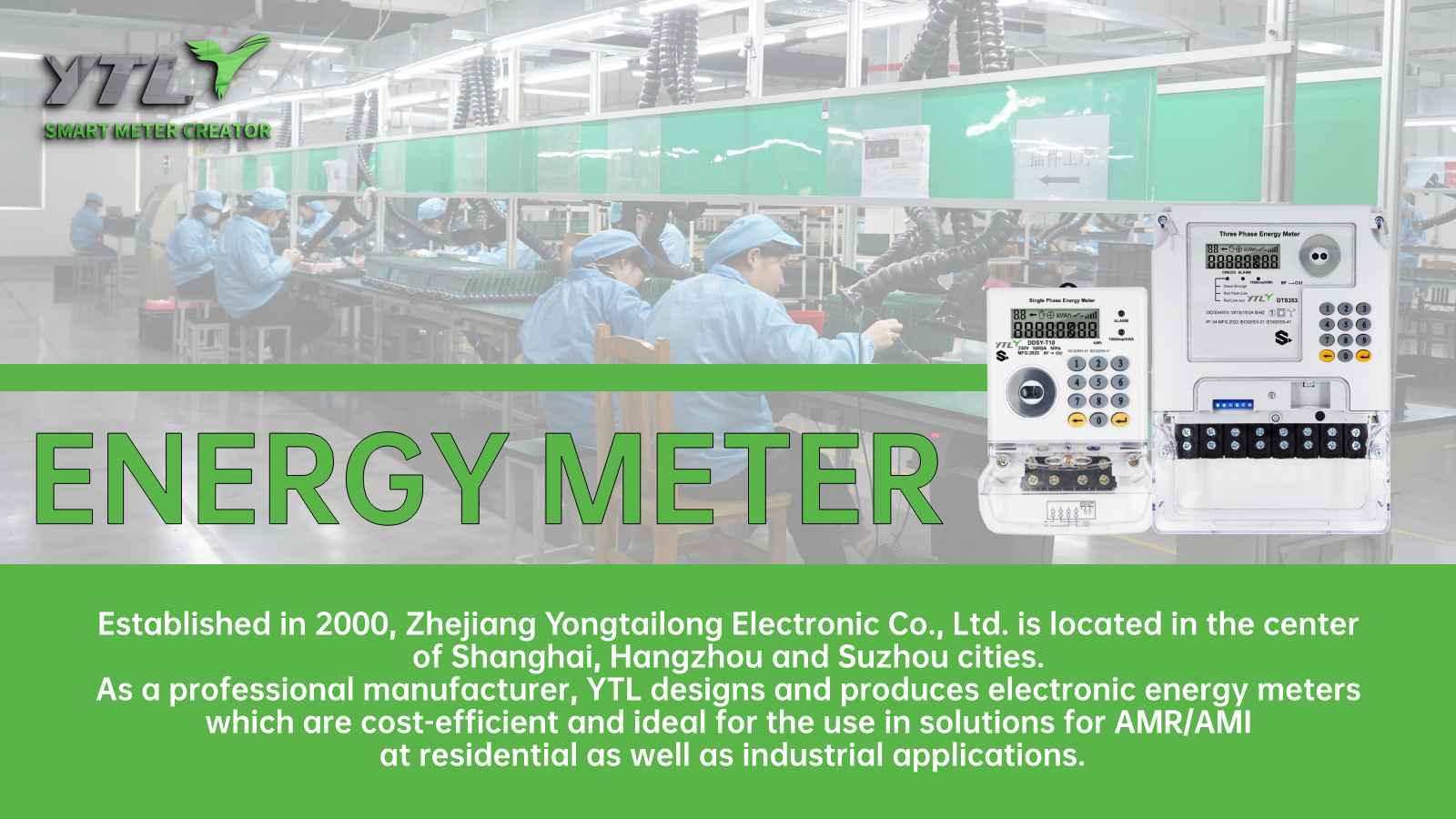
Conclusion: Integration Trend & Future Outlook
At present, three-phase smart meters have become the absolute mainstream in industrial and commercial fields, while single-phase smart meters are fully popularized in residential meters. The future trend is that various meters will further integrate sensing, computing and communication capabilities on the basis of high intelligence, becoming indispensable terminal sensing nodes in the Energy Internet.
For users, understanding these differences enables the most economical decisions aligned with long-term management goals. For meter manufacturers, it means continuous deep cultivation in three aspects: single/three-phase core technology, high-reliability design, and intelligent communication & data services, to provide complete solutions meeting diversified market demands.
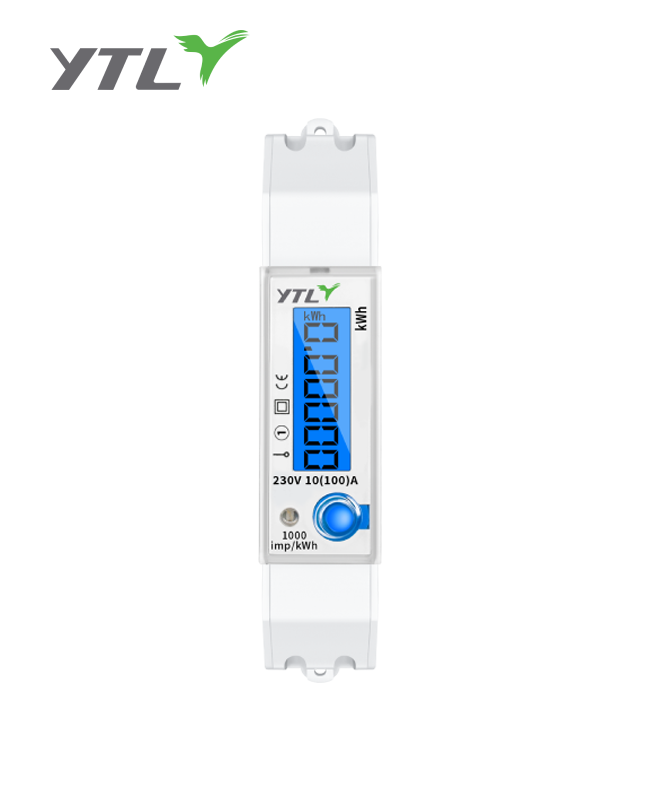
.png?imageView2/2/w/500/h/500/format/png/q/100 "YTL Two Phase Three Wire LCD Shunt sampling Energy Meter")
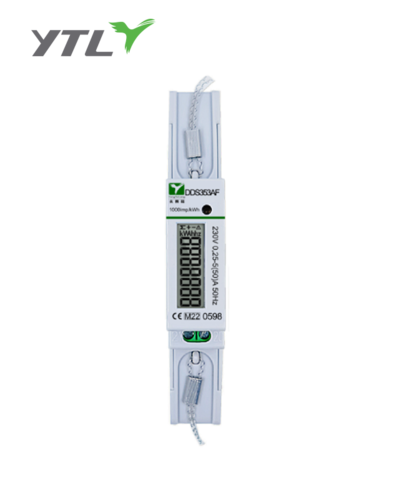
.png?imageView2/2/w/500/h/500/format/png/q/100 "YTL Single Phase Active Electronic Electricity Meter")