
 English
 简体中文
简体中文



Introduction
In the rapidly evolving landscape of modern power systems, the demand for precise energy management has never been greater. While alternating current (AC) has traditionally dominated grid distribution, the proliferation of renewable energy, electric vehicles, and sophisticated industrial automation has placed direct current (DC) systems at the heart of critical infrastructure. As these systems expand, the need for accurate, reliable, and intelligent DC electric metering becomes paramount. This article explores the fundamental principles, technological nuances, and application-driven requirements of DC electric meters.
The Fundamental Working Principle of DC Meters
Unlike AC meters, which must account for frequency, phase angles, and power factor fluctuations, DC electric meters operate based on a unidirectional flow of charge. A DC meter monitors the electrical energy consumption by measuring two primary parameters: voltage and current over a specific time interval.
The internal architecture of a modern digital DC meter typically includes a sensing unit, a data processing unit, and a communication interface. The sensing unit captures real-time voltage and current values. Voltage is generally measured through a voltage divider circuit or a dedicated transformer, while current is measured using either a shunt resistor (for lower currents) or a Hall Effect sensor (for higher currents and isolation). The data processing unit then integrates these values to calculate power and cumulative energy consumption, providing highly accurate data for operational analysis.
DC Meters vs. AC Meters: A Technical Comparison
Understanding the distinction between DC and AC metering is critical for facility managers and engineers. The table below outlines the primary differences:
| Feature | AC Meter | DC Meter |
|---|---|---|
| Current Flow | Bidirectional (Alternating) | Unidirectional (Constant) |
| Primary Measurement | Voltage, Current, Frequency, Power Factor | Voltage, Current |
| Measurement Complexity | High (due to waveform harmonics) | Lower (steady-state signal) |
| Common Sensing Method | Current Transformer (CT) | Shunt Resistor or Hall Effect Sensor |
| Typical Application | Power Grid, Residential/Commercial Building | EV Charging, Solar, Battery Storage |
The simplicity of DC circuits allows DC meters to achieve higher levels of precision in specific scenarios, as they are not subject to the complex waveform distortions often found in AC electrical grids.
Key Industrial Applications
DC energy monitoring is not merely a tool for measurement; it is an essential component for system optimization.
- Electric Vehicle (EV) Charging Stations: Precise metering is required for billing transparency and safety. High-accuracy DC meters monitor the energy delivered from the station to the vehicle battery, ensuring that both operators and consumers receive fair and accurate usage data.
- Solar Photovoltaic (PV) Systems: DC meters monitor the output of solar panels before the energy is converted by an inverter. This allows for real-time tracking of panel efficiency and the detection of performance degradation early on.
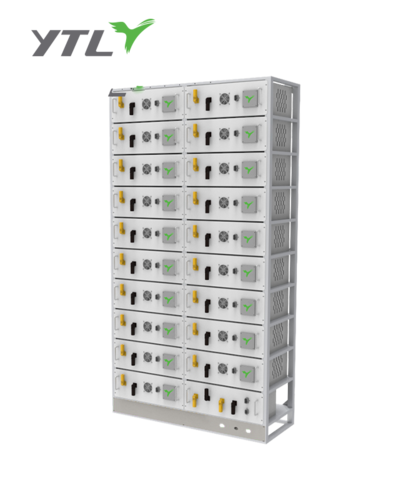
- Battery Energy Storage Systems (BESS): Monitoring the charge and discharge cycles of large-scale battery banks is crucial for maintaining battery health and optimizing longevity. DC meters provide the granular data necessary for advanced Battery Management Systems (BMS).
- Telecommunications and Data Centers: Many critical server racks and communication equipment operate on 48V DC power. Dedicated DC meters allow for the monitoring of these loads to prevent overloading and identify potential efficiency improvements in power distribution units.
The Importance of High-Precision Measurement
Accuracy is the hallmark of professional-grade DC metering. In industrial settings, an error margin of even 1% can translate into significant financial discrepancies over time, especially in high-load environments. High-precision DC meters generally comply with international standards such as IEC 62053-41. These devices offer stable readings across a wide dynamic range, ensuring that even small fluctuations in current—often indicative of underlying equipment issues—are captured and recorded.
Selecting the Right DC Meter for Your Facility
When integrating DC metering into your infrastructure, several technical factors must be evaluated:
- Measurement Range: Determine the maximum voltage and current the meter will encounter. Ensure the selected device has an appropriate safety margin.
- Communication Protocols: In modern environments, data must be accessible. Look for meters that support industrial communication standards like Modbus-RTU over RS485, which allow for seamless integration into larger Building Management Systems (BMS) or supervisory control systems.
- Mounting Requirements: Depending on the panel configuration, choose between DIN-rail mounted meters for compact cabinets or panel-mount displays for ease of local observation.
- Data Logging and Storage: For comprehensive analysis, select meters with onboard data logging capabilities that can store usage trends, aiding in predictive maintenance and load auditing.
Future Perspectives in DC Metering
As the world transitions towards more decentralized power architectures, the role of DC metering will continue to expand. The integration of IoT capabilities and edge computing within DC meters will allow for more autonomous energy management. We are moving toward a future where DC meters not only report energy usage but also provide diagnostic insights that contribute to safer, more sustainable, and highly efficient energy systems.
Conclusion
DC electric meters are indispensable tools in the modern industrial and renewable energy sectors. By providing accurate, real-time insights into DC power consumption, these devices empower organizations to improve operational efficiency, enhance safety protocols, and ensure transparency in energy transactions. Selecting the right meter requires a clear understanding of the specific electrical environment and an eye for quality and reliability.
Frequently Asked Questions (FAQ)
- Why can’t an AC meter be used to measure DC power?
AC meters are designed to handle oscillating waveforms and include complex circuitry for frequency compensation and phase shift calculation. Applying DC to an AC meter can cause significant errors or damage the internal sensors. - What is the role of a shunt resistor in a DC meter?
A shunt resistor is a low-resistance, high-precision component used to measure current. It creates a small, predictable voltage drop that the meter can then calculate and convert into a current reading. - How accurate are modern digital DC energy meters?
Most industrial-grade DC meters adhere to class accuracy standards, such as Class 0.5 or better, meaning the measurement error is extremely minimal under specified conditions. - Are DC meters affected by temperature fluctuations?
High-quality electronic DC meters are designed to compensate for temperature drift, ensuring stable performance across a wide range of operational temperatures. - Can DC meters communicate with existing management software?
Yes, most professional DC meters feature standard communication interfaces like RS485, allowing them to integrate with virtually any industrial or energy management system using standard protocols like Modbus.
References
- International Electrotechnical Commission. (2021). IEC 62053-41: Electricity metering equipment - Particular requirements - Part 41: Static meters for DC energy.
- PNNL (Pacific Northwest National Laboratory). Electricity Metering Best Practices.
- Industry standards for DC power monitoring in industrial and telecommunications applications.
.png?imageView2/2/w/500/h/500/format/png/q/100 "YTL STS Prepaid Wi-Fine Energy Meter Single Phase Wall")
.png?imageView2/2/w/500/h/500/format/png/q/100 "YTL Single Phase Active Electronic Electricity Meter")