
 English
 简体中文
简体中文



After more than a century of traditional AC grids dominating the world’s power systems, a silent yet profound DC revolution is sweeping forward with the wave of new energy. Photovoltaic panels, energy storage batteries, electric vehicles… these future-defining energy technologies all speak the same “mother tongue” — direct current (DC).
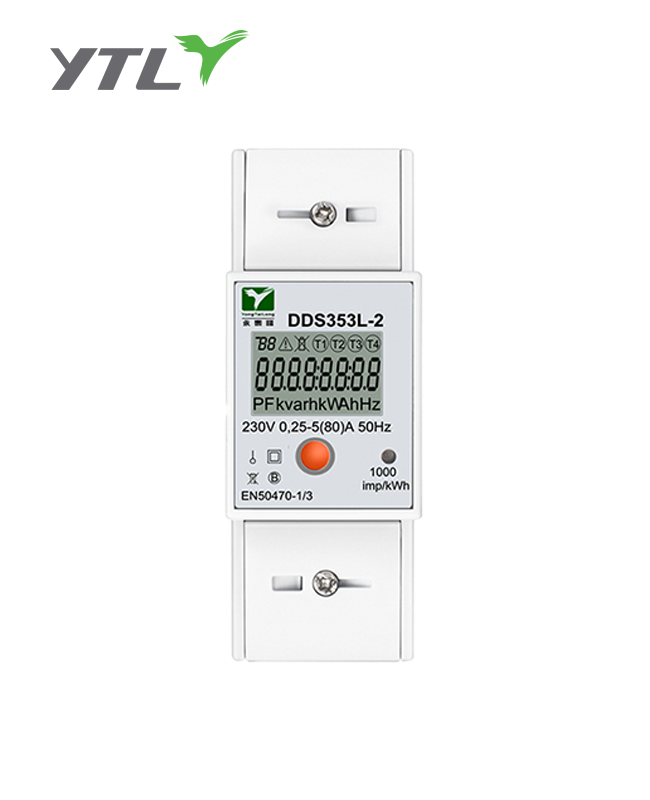
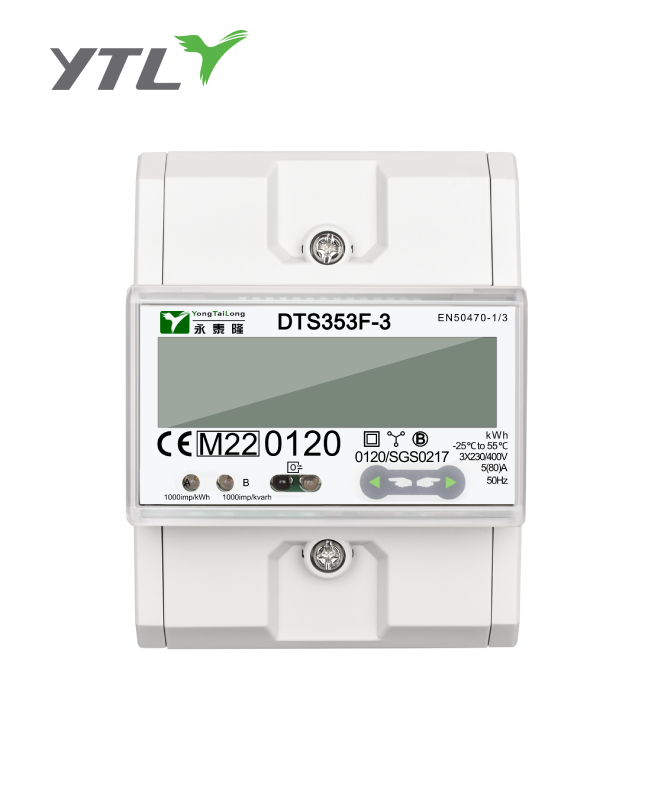
Against this backdrop, the DC energy meter, once a precision instrument limited to just a few fields such as rail transit and telecom equipment rooms, is moving from behind the scenes to center stage. It has become the critical eye for measuring, managing, and optimizing new energy systems, with its importance highlighted like never before.
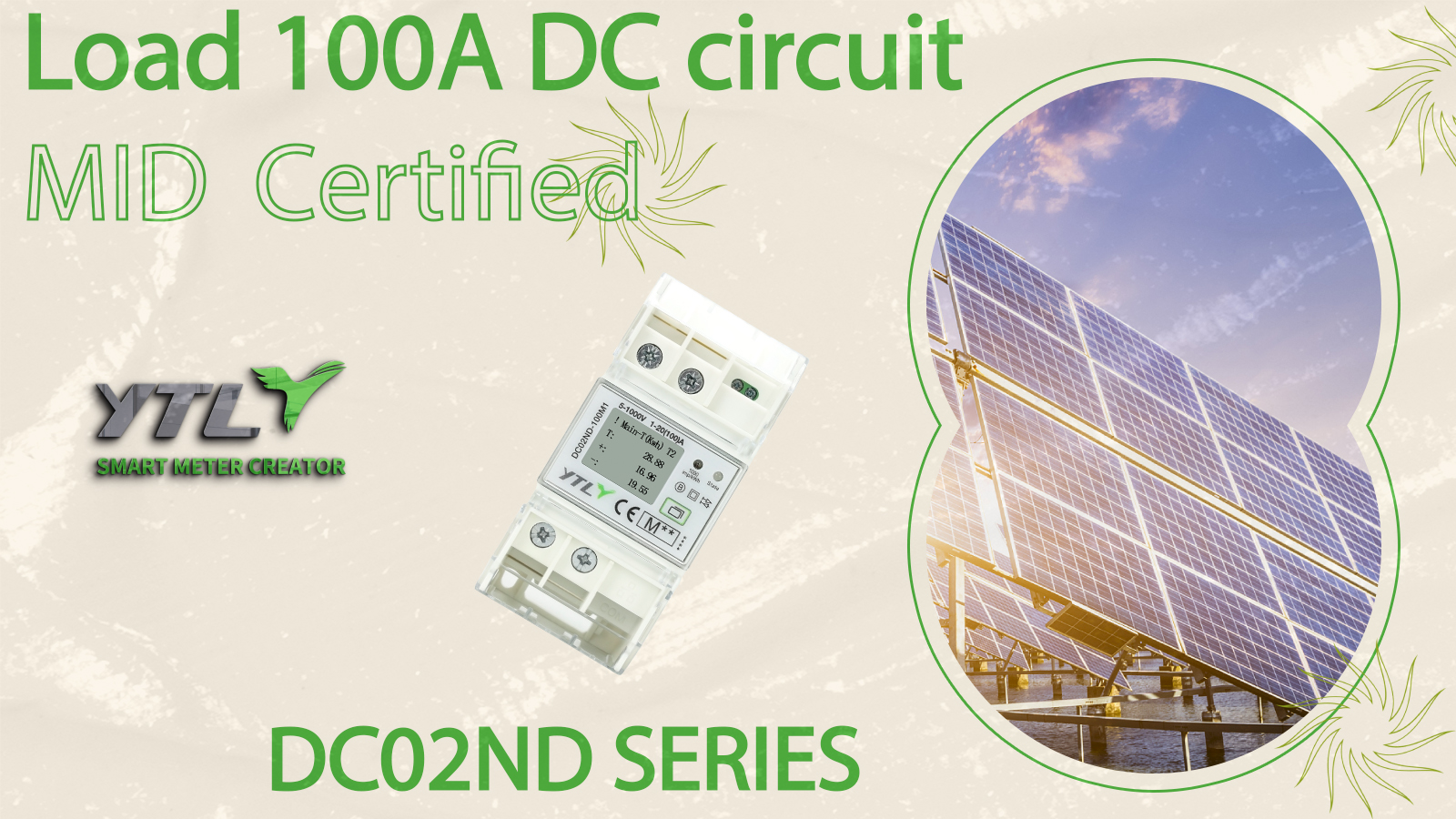
I. The “DC Trend” in Energy Systems: Driving New Metering Demands
To understand why DC meters matter, we must first recognize the fundamental shift in energy production and consumption.
1. The DC Nature of New Energy Generation
The physics of photovoltaic (PV) power generation determines its direct output to be DC. Whether in utility-scale PV power plants or distributed rooftop PV systems, DC is the essential initial form between solar panels and the grid or loads.Accurate assessment of real PV array efficiency, string monitoring, power generation settlement, and performance analysis all require DC-side metering. Traditional AC meters, installed after inverters, cannot distinguish between PV DC generation losses and inverter conversion losses. In contrast, DC meters provide precise data at the source.
2. The DC Core of Energy Storage Systems
Electrochemical energy storage systems (e.g., lithium-ion batteries, flow batteries) store and release energy in DC form. Although bidirectional converters enable AC-DC conversion, core performance indicators — including charge-discharge efficiency, cycle life, and capacity fade evaluation — rely on accurate DC-side measurement.High-precision bidirectional DC meters installed on battery clusters or main circuits provide the only reliable basis for battery health diagnosis, system round-trip efficiency calculation, and internal energy management.
3. The DC Wave in End-Use Applications
The most typical example is DC fast charging for electric vehicles. To enable rapid recharging, charging stations convert grid AC into high-voltage, high-power DC to charge vehicle batteries directly.Commercial settlement for this process must be completed by built-in DC energy meters in chargers. Their metering accuracy directly affects operators’ revenue and consumer fairness, forming the foundation of trust in charging infrastructure.In addition, high-voltage DC power distribution in data centers, 5G base stations, and other fields also depends on DC meters for accurate energy consumption allocation and management.
II. Core Value of DC Meters: Beyond Measurement — The Foundation of Management, Optimization and Safety
In new energy systems, the value of DC meters goes far beyond traditional “energy counting” and extends to every critical aspect of system operation.
1. Precise Efficiency Evaluation and Revenue Accounting
New energy projects are highly sensitive to efficiency.For PV plants, accurate DC-side generation metering is critical for calculating overall system efficiency and pinpointing issues such as module degradation, dust shading, and line losses.For energy storage plants, DC-side metering is central to evaluating round-trip efficiency and validating revenue models.Even a 0.5% metering error can lead to massive economic discrepancies over the multi-decade lifespan of MW-scale systems.
2. Safe Operation and Condition Diagnosis
DC systems — especially high-voltage, high-current PV and energy storage systems — carry unique risks such as arc faults.Intelligent DC meters with high sampling rates can detect subtle fluctuations in current and voltage, and combined with algorithms, enable DC arc fault detection, providing vital active safety protection.Long-term monitoring of DC-side voltage-current characteristics also helps diagnose PID effects, hot-spot failures in PV strings, and consistency degradation in energy storage batteries.
3. Supporting Transactions and Certification in Emerging Electricity Markets
With the development of distributed energy and virtual power plants, generation and consumption data down to each PV string or energy storage unit has become valuable.High-frequency, trustworthy data streams from DC meters may become the data foundation for electricity market participation, green power tracing, and carbon asset verification.This transforms new energy assets from simple generation units into flexible resources capable of participating in diverse market transactions.
III. Future Outlook: DC Meters as Standard Configuration for Modern Power Systems
Looking ahead, with the implementation of “PV-storage-DC-flex” buildings, DC microgrids, and other concepts, the power system is shifting from AC-transmission-centered to a hybrid AC-DC system focused on efficient DC utilization.
In this transition:
- Metering points move forward: Metering will shift from traditional grid AC access points to key nodes including PV DC combiner boxes, energy storage battery ports, and DC charging guns.
- Data integration and intelligence: DC meters will no longer be standalone devices, but smart sensors deeply integrated with BMS and energy management systems, providing real-time data to optimize system scheduling.
- Improved standards and ecosystems: National standards and calibration systems for DC metering will mature, fostering a healthy and credible industrial ecosystem.

Conclusion: Grasp the DC Pulse to Master the Energy Future
In short, the importance of DC meters is rooted in the DC characteristics of generation, storage, and consumption in the new energy era.They are not just accessories — they are indispensable core components for accurate evaluation, safety control, efficient operation, and fair transactions.
For new energy investors, operators, and equipment manufacturers, prioritizing high-precision, high-reliability DC metering solutions is a responsible choice for assets, efficiency, and the future.Those who accurately measure the DC pulse will more steadily navigate the wave of energy transformation.Therefore, for electricity meter manufacturers, continuous deepening and innovation in DC metering technology represent not only a market opportunity but also a responsibility entrusted by the times.