
 English
 简体中文
简体中文



Open the door to any modern home, and you will always find it in some corner—a device, square or round, mechanical or electronic, quietly mounted on the wall.Like a silent metronome, the electricity meter beats an invisible rhythm for family life through the turning of its pointer or the flickering of digits.The murmur of a coffee maker in the early morning, the faint glow of a desk lamp late at night, the hum of an air conditioner in summer, and the warmth of a heater in winter are all counted one by one.It never speaks, yet it records the most authentic rhythm of life in every household.
A Miniature Epic of Industrial Aesthetics
Take a close look at an old mechanical electricity meter, and you will see a masterpiece of industrial aesthetics.Beneath the transparent glass cover, precision gears interlock, and an aluminum disc spins gracefully in an electromagnetic field—every part radiates the wisdom of the mechanical age.This rotation is not a futile cycle, but a visual poem of energy conversion.Modern electronic electricity meters are more understated: the dancing digits on the LCD screen are like the code of the times, translating complex electromagnetic phenomena into symbols understandable to ordinary people.Two forms, one mission—to make the invisible visible.
The Cornerstone of Energy Democracy
Imagine a world without electricity meters: power companies could not charge fairly, users could not track their consumption, and energy-saving awareness would be impossible.The existence of the electricity meter gives every kilowatt-hour of electricity a clear identity, turning energy consumption from vague estimation into precise measurement.This accuracy not only ensures fair transactions but also grants every consumer the right to know and control their energy use.This seemingly simple metering device is, in fact, an indispensable part of the progress toward energy democracy.
The Silent Mentor of Sustainable Living
Against the backdrop of climate change, the electricity meter has quietly taken on a new mission.It is no longer merely a billing tool, but a guide to sustainable living.Smart electricity meters can distinguish between peak and off-peak power use, alert users to high-consumption periods, and even interact with household appliances to optimize energy efficiency.Through mobile apps, users can monitor their electricity use in real time and understand how different behaviors affect consumption.Speaking the language of data, the electricity meter gently teaches us to live in harmony with the Earth.
The Electricity Meter in Cultural Mirrors
Interestingly, the electricity meter carries diverse symbolic meanings across different cultural contexts.In some literary works, it is portrayed as a symbol of modernity; in some film and television scenes, it becomes a metaphor for a family’s financial status.When the power goes out, people instinctively look at the electricity meter, as if it could explain the cause of the darkness.When moving house, the reading handover between old and new meters is like passing the baton of life.This small metal or plastic box has deeply embedded itself in our collective consciousness, becoming a cultural symbol of modern life.
The Interface of the Future Energy Landscape
With the advancement of the energy revolution, the electricity meter is undergoing a profound identity transformation.In distributed energy systems, it can be both a consumer and a producer: when rooftop solar panels generate surplus power, the meter records the electricity fed back into the grid.In the era of widespread electric vehicles, it will serve as the interface between cars and the power grid.Future electricity meters will no longer passively record, but actively participate in energy allocation, acting as the nerve endings of the smart grid and connecting the energy ecosystem of every household.
A Microscopic Carrier of Tech Ethics
The electricity meter also raises a series of tech-ethical questions: Who owns the data it collects? How to protect user privacy?While pursuing energy efficiency, how can we avoid "data surveillance"?The answers to these questions will shape the direction of electricity meter technology.An ideal electricity meter should strike a balance between service delivery and privacy protection, harmony between efficiency and freedom, setting an example of responsible technological innovation.

A Silent Witness in the River of Time
Looking back, the first-generation electricity meters were born at the dawn of the electrical age; looking forward, they will accompany humanity into the new era of the energy internet.Throughout this journey, the electricity meter has remained true to its nature: objective, precise, and loyal.It does not judge how much electricity we use, only records truthfully; it does not interfere with our life choices, only provides reference.In an era of accelerating change, this unchanging quality of the electricity meter has become a reassuring presence.
Next time you pass that small box on the wall, you may feel a new sense of respect.It records not only the flow of electricity but also the evolution of our relationship with energy,witnessing the profound shift of human civilization from conquering nature to reconciling with it.The electricity meter—the most inconspicuous yet essential device in modern life—is writing, in its own unique way, the energy epic of our era.
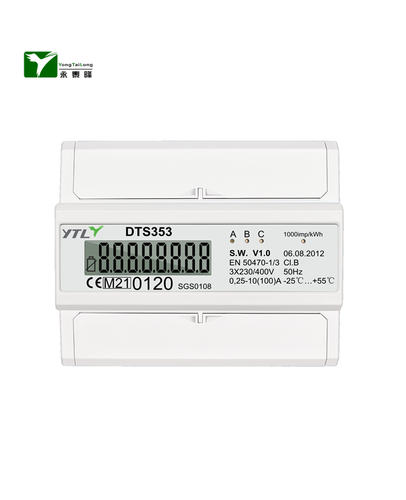
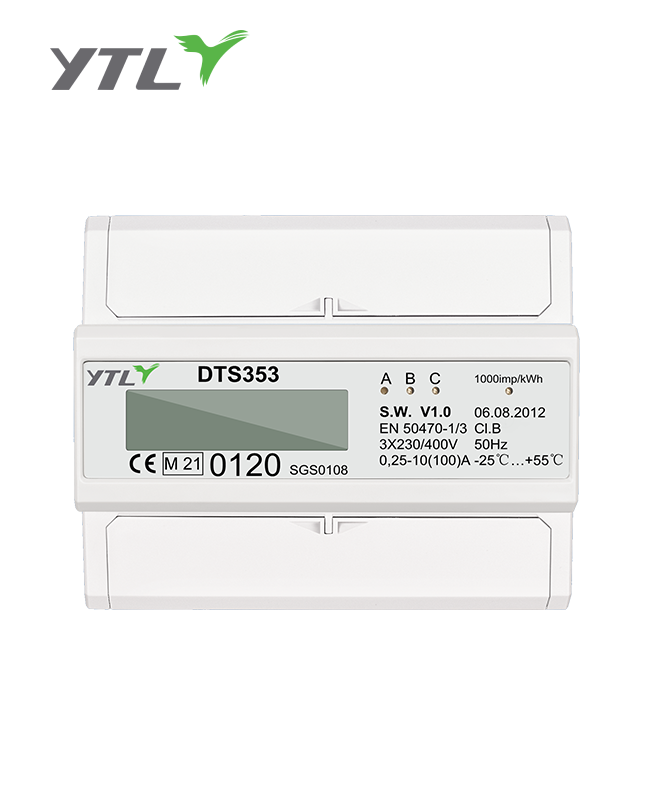
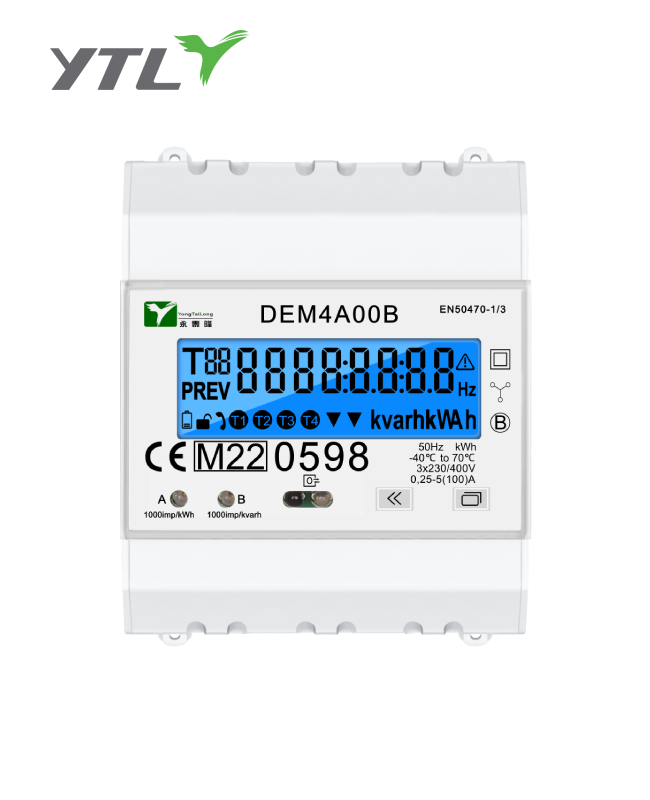
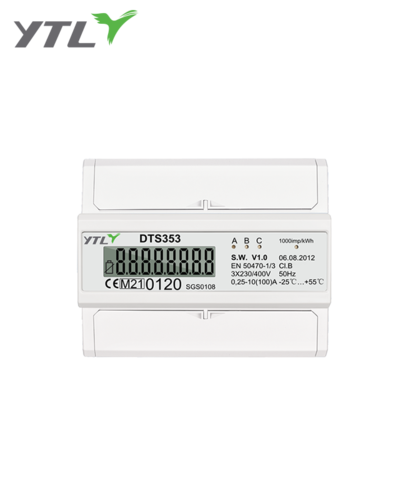
.jpg?imageView2/2/w/500/h/500/format/png/q/100 "YTL Company DTS353C DIN Rail 3P 4 Model Electricity Meter MID")
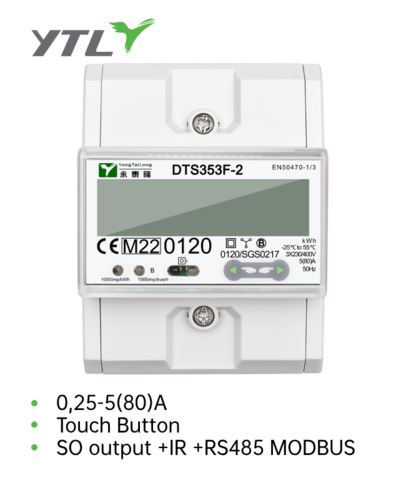
.png?imageView2/2/w/500/h/500/format/png/q/100 "YTL China Single Phase IC card Prepayment Electricity Meter")