
 English
 简体中文
简体中文



In modern industrial automation systems, electronic instruments act as a sophisticated sensory network, continuously monitoring critical electrical parameters such as current, voltage, power and energy throughout production. They serve as an indispensable cornerstone for precise control, energy management, safety early warning and cost accounting. However, improper selection, inaccurate calibration or inadequate maintenance can undermine this foundation—leading to data distortion and low energy efficiency in mild cases, or production accidents and significant economic losses in severe ones. This guide systematically elaborates on the three core aspects of scientific selection, precise calibration and effective maintenance of electronic instruments in industrial scenarios, providing a clear roadmap to ensure reliable and efficient operation of automation systems.
Part 1: Scientific Selection – Matching the Right “Sensory Organs” to the Application
Selection is the first step to guarantee instrument performance, requiring systematic scenario-based evaluation beyond simple parameter matching.
- Define Core Measurement Requirements: Accuracy, Range and Functionality
- Accuracy Class: Higher accuracy is not always optimal; it should align with management granularity and cost. Class 1.0 meters may suffice for branch-circuit internal energy monitoring, while high-precision Class 0.5S or 0.2 meters are required for energy efficiency assessment of critical process equipment or power trade settlement points. Special attention shall be paid to full-scale accuracy, especially compliance with stated error limits under light-load conditions.
- Measurement Range: Rated values and overload capacity for current and voltage must cover actual maximums, including transient surges (e.g., motor starting current). Best practice is to set normal operating values at 50%–70% of full scale for optimal measurement performance and long-term stability.
- Functional Requirements: Specify measured parameters (e.g., total active energy only, or time-of-use energy, demand, harmonic analysis?), plus extended functions such as communication interfaces (RS-485, Ethernet, Profinet), auxiliary power supply and event logging.
- Evaluate Harsh Environment Adaptability – A Prerequisite for ReliabilityIndustrial environments are complex; critical environmental specifications must be verified during selection:
- Ingress Protection (IP): Select appropriate IP ratings (e.g., IP54 dust-tight and splash-proof, IP65 dust-tight and jet-water resistant) based on installation location (switchgear, outdoor, dusty or humid areas).
- Operating Temperature: Wide-temperature designs (−25°C to +70°C) are essential for unconditioned distribution rooms or outdoor installations.
- Electromagnetic Compatibility (EMC): Instruments must have strong immunity to electromagnetic interference (EMI) for stable operation near high-frequency inverters, high-power wireless devices and other strong interference sources, without false alarms or garbled data.
- Consider System Integration and Long-Term Cost
- Communication Protocol Compatibility: Ensure data protocols (Modbus-RTU, DL/T 645, IEC 61850, etc.) seamlessly integrate with existing SCADA, DCS or energy management platforms.
- Total Life-Cycle Cost: Beyond purchase price, evaluate ease of installation and commissioning, long-term operational stability, calibration and maintenance intervals and costs, and supplier technical support capabilities.
Part 2: Precise Calibration – The “Reference Standard” Safeguarding Measurement Credibility
Calibration is a statutory and technical procedure to verify and restore measurement accuracy, forming the core of long-term data reliability.
- Establish a Scientific Calibration CycleCalibration should follow a risk- and criticality-based hierarchical system, not fixed time intervals alone:
- Mandatory Calibration: Instruments used for trade settlement, critical process control or safety interlocking must be calibrated at accredited or authorized institutions per statutory cycles (typically 1 year) as specified in national metrological regulations (e.g., JJG 596).
- In-House Calibration/Verification: Non-mandatory instruments for internal energy management may adopt extended cycles based on historical stability data, or periodic verification via comparison with portable reference meters.
- Select Compliant Calibration Methods and Facilities
- Laboratory Calibration: Send instruments to CNAS (China National Accreditation Service for Conformity Assessment) accredited laboratories for full-scale, multi-point calibration with higher-class reference standards under controlled conditions, yielding authoritative certificates and correction factors—the most reliable approach.
- On-Site Calibration: For critical instruments difficult to remove or requiring online monitoring, certified technicians perform on-site calibration using traceable portable calibrators. While environmental conditions differ from laboratories, this minimizes system downtime.
- Cutting-Edge Exploration: Intelligent and Remote CalibrationAdvancing technology enables remote or software-based calibration for high-end smart instruments. Authorized commands fine-tune internal software parameters, drastically improving efficiency and reducing cost—a major trend in future industrial instrument management.
Part 3: Effective Maintenance – The “Guardian” Extending Instrument Lifespan and Data Value
Systematic preventive maintenance drastically reduces failure rates, ensures data continuity and extends service life.
- Routine Inspection and Condition Monitoring
- Visual and Environmental Checks: Regularly inspect display integrity, abnormal noise or odors, loose or overheating terminals, and compliance of installation environment (temperature, humidity, cleanliness).
- Data Trend Analysis: Use energy management systems to analyze trends in load, power factor and other uploaded data. Unexplained abnormal fluctuations often indicate early instrument or wiring faults.
- Preventive Maintenance and Servicing
- Periodic Cleaning and Tightening: Under safe power-off conditions, remove internal and external dust, inspect and tighten all electrical connections for good contact.
- Spare Instrument Management: Deploy calibrated spares at mission-critical measuring points for rapid replacement to minimize production downtime.
- Fault Diagnosis and Professional RepairFor faulty or out-of-tolerance instruments:
- Preliminary Diagnosis: Combine alarm information, historical data and on-site inspection to distinguish instrument faults from external wiring, sensor or interference issues.
- Professional Handling: Do not disassemble or repair sealed mandatory-calibration instruments. Contact the manufacturer or authorized service providers. Post-repair recalibration and equipment record updates are mandatory before recommissioning.

Conclusion: Building a Life-Cycle Instrument Management Culture
As industrial automation advances toward intelligence and greenization, electronic instrument management must evolve from reactive “repair-only, calibrate-only” practices into a holistic life-cycle asset management system spanning planning, selection, installation, calibration, maintenance and decommissioning.
Excellence in instrument management begins with precise front-end selection, matures with rigorous periodic calibration, and endures with proactive systematic maintenance. Closing the loop across these three stages turns every electronic instrument into a robust, reliable cornerstone of industrial automation, delivering unquestionable data support for safe production, energy efficiency and refined management. This is not only a technical responsibility but a key pillar of corporate operational excellence.
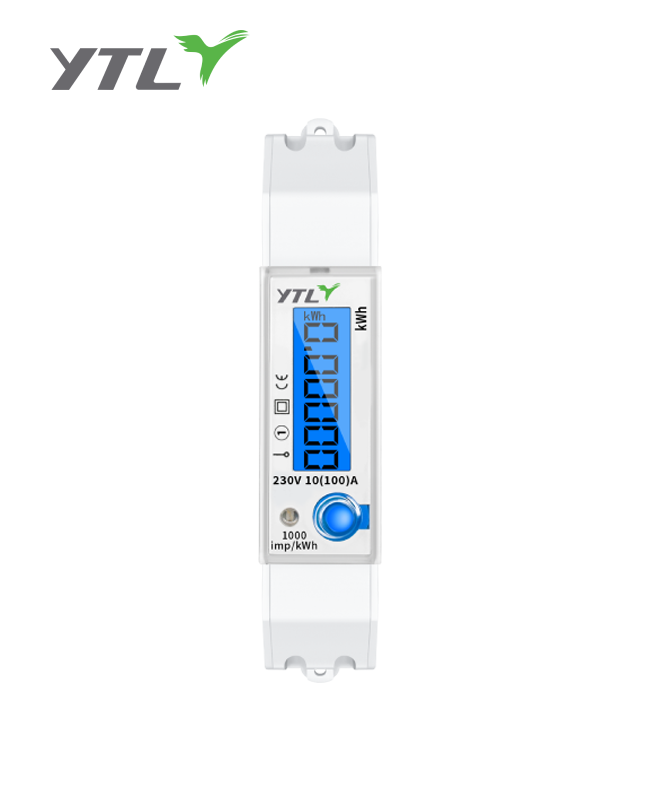
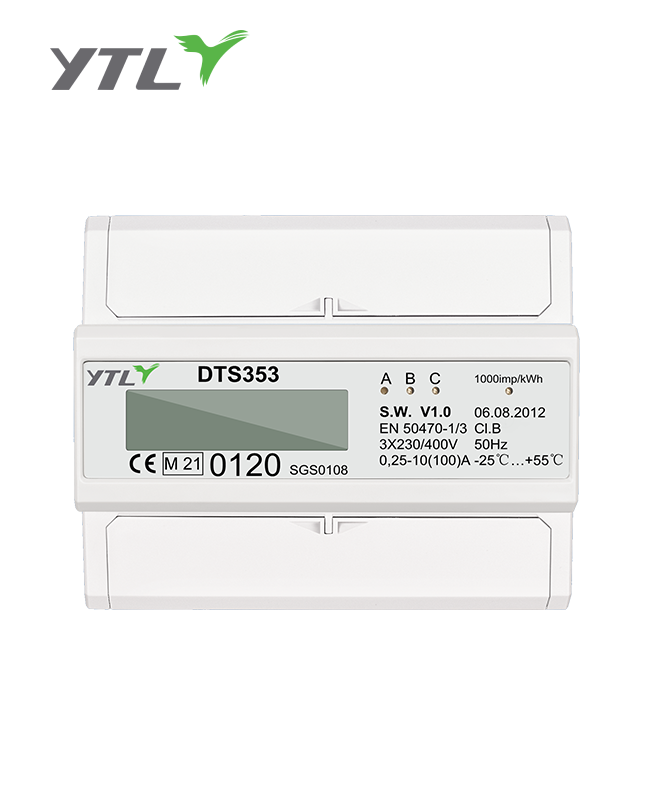
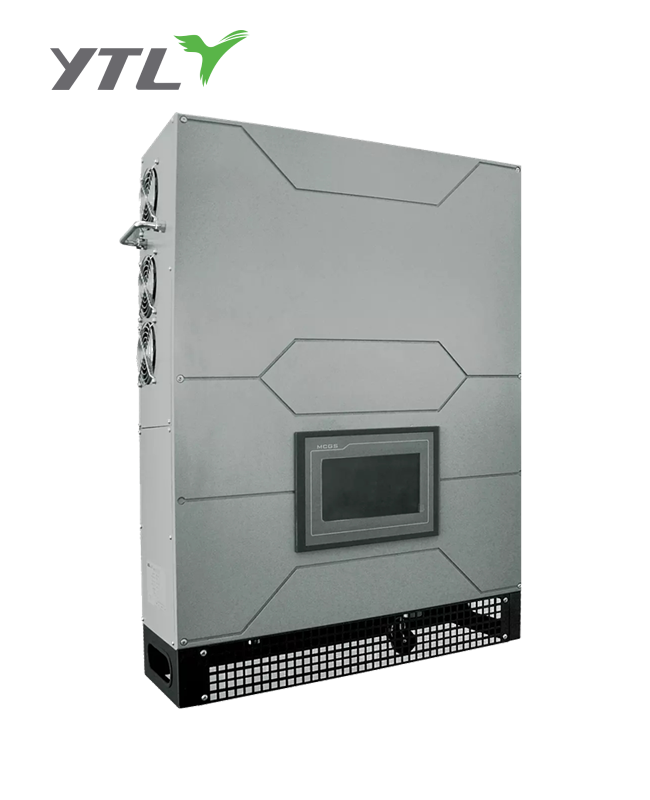
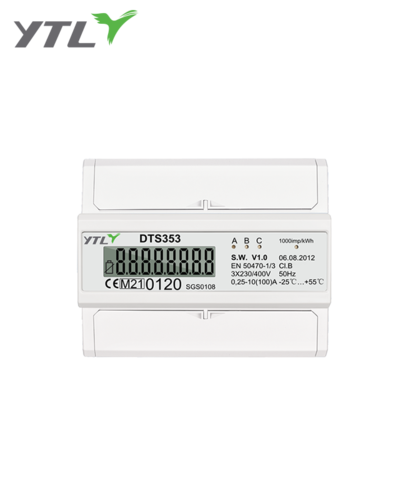
.jpg?imageView2/2/w/500/h/500/format/png/q/100 "YTL Company DTS353C DIN Rail 3P 4 Model Electricity Meter MID")
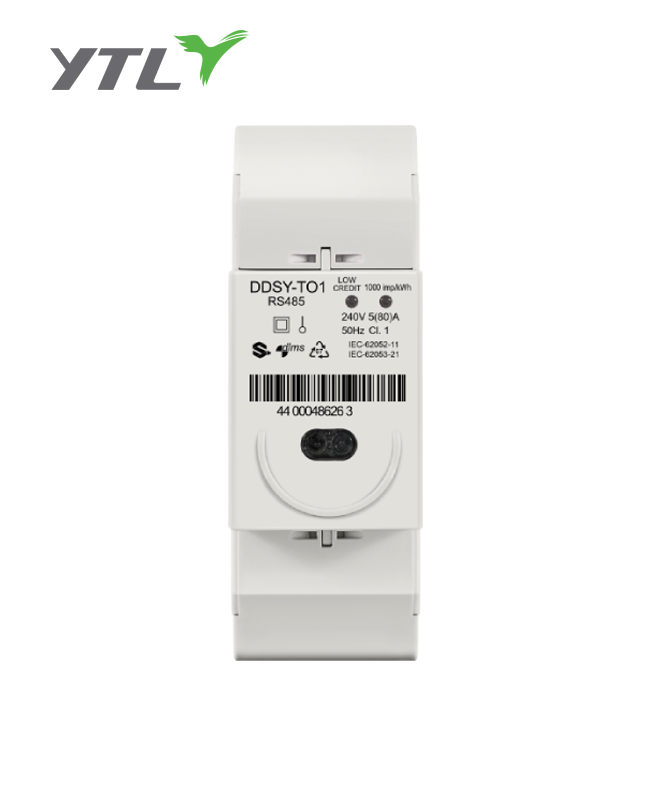
.png?imageView2/2/w/500/h/500/format/png/q/100 "YTL Two Phase Three Wire Big counter Electricity Meter")