
 English
 简体中文
简体中文



Against the backdrop of accelerated digital transformation in the power industry, intelligent power distribution systems have become the core carrier for ensuring the security of power supply and achieving refined energy consumption management. As a key control terminal in such systems, intelligent switches undertake vital functions including on-off control, safety protection, and data acquisition for power distribution circuits.
Compared with traditional mechanical switches, intelligent switches integrate digital and intelligent technologies to enable remote control, status monitoring, and collaborative linkage. They have significantly improved the reliability, safety, and intelligence level of intelligent power distribution systems, and are widely applied in various power distribution scenarios such as industrial and commercial facilities, buildings, and new energy systems.
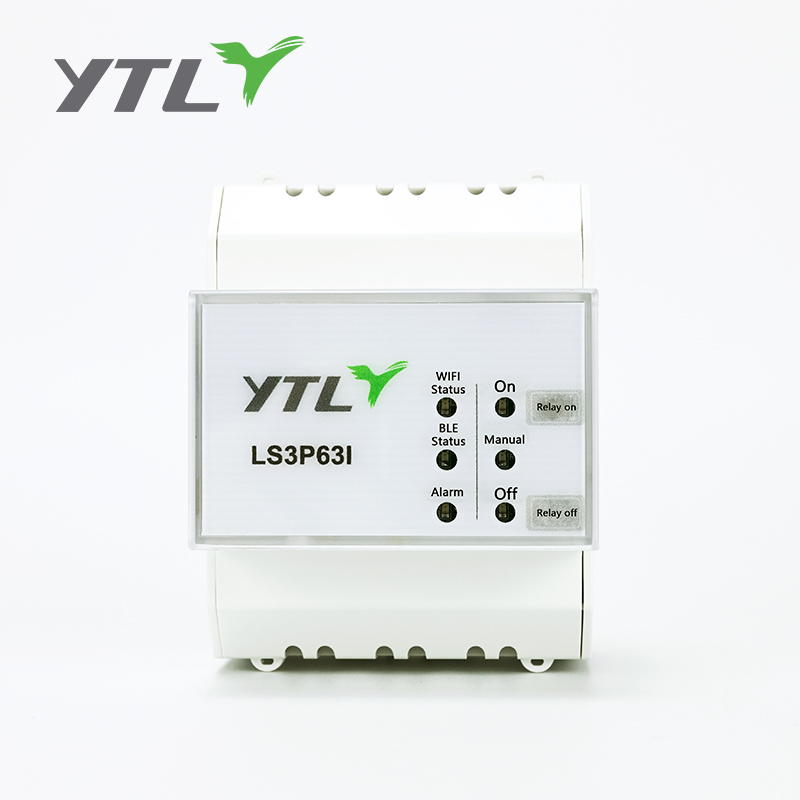
The core functions of intelligent switches are developed around the control and management requirements of intelligent power distribution systems. They feature four core capabilities: control, protection, monitoring, and linkage, which constitute their core advantages over traditional switches.
Firstly, precise control function. Intelligent switches support remote switching, timing control, and automatic control of circuits, eliminating the need for on-site manual operation and meeting the unattended operation requirements of intelligent power distribution systems. They also enable refined circuit management, automatically adjusting operating status according to changes in electrical load to optimize power distribution efficiency.
Secondly, comprehensive safety protection function, which represents the core value of intelligent switches in power distribution systems. They monitor electrical parameters such as current, voltage, and temperature in real time. In the event of abnormalities including overload, short circuit, electric leakage, overvoltage, and undervoltage, they quickly activate protection mechanisms to disconnect faulty circuits, preventing fault escalation and safeguarding power distribution equipment and electrical loads. Meanwhile, they record fault information to support subsequent operation and maintenance, solving the problems of single protection function and delayed response inherent in traditional switches.
Thirdly, real-time monitoring and data acquisition function. Equipped with high-precision monitoring modules, intelligent switches collect real-time operating data of circuits, including current, voltage, power, and energy consumption. The data is uploaded to the intelligent power distribution management platform via communication modules, realizing visualized monitoring of the system operation status. This facilitates operation and maintenance personnel to grasp circuit conditions in real time, detect potential hazards promptly, and improve maintenance efficiency.
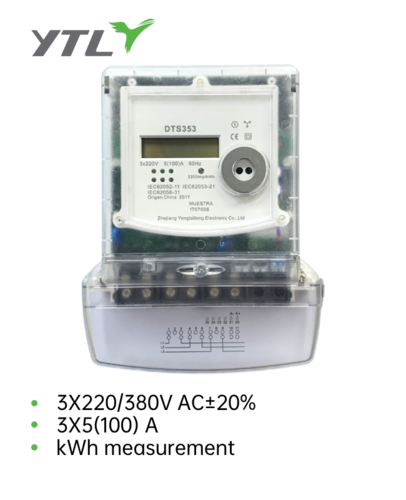
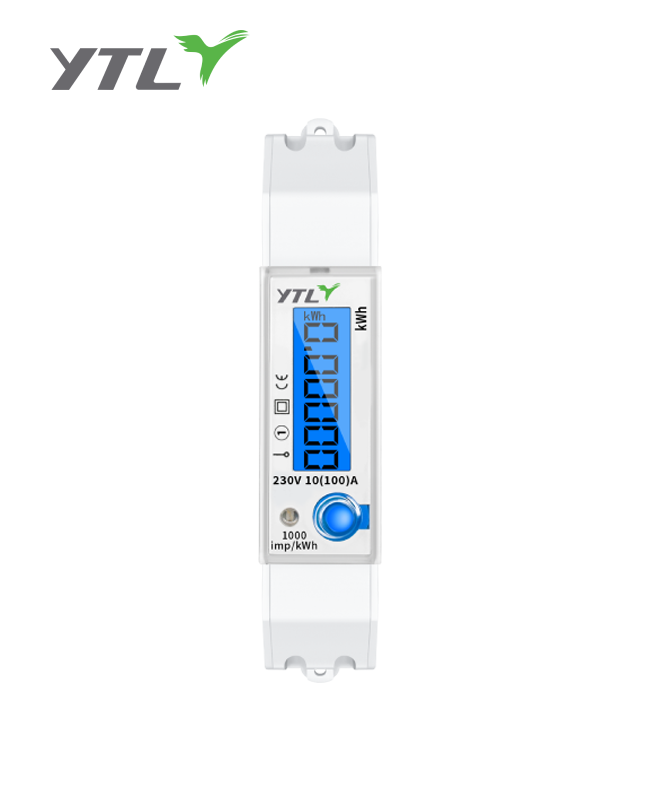
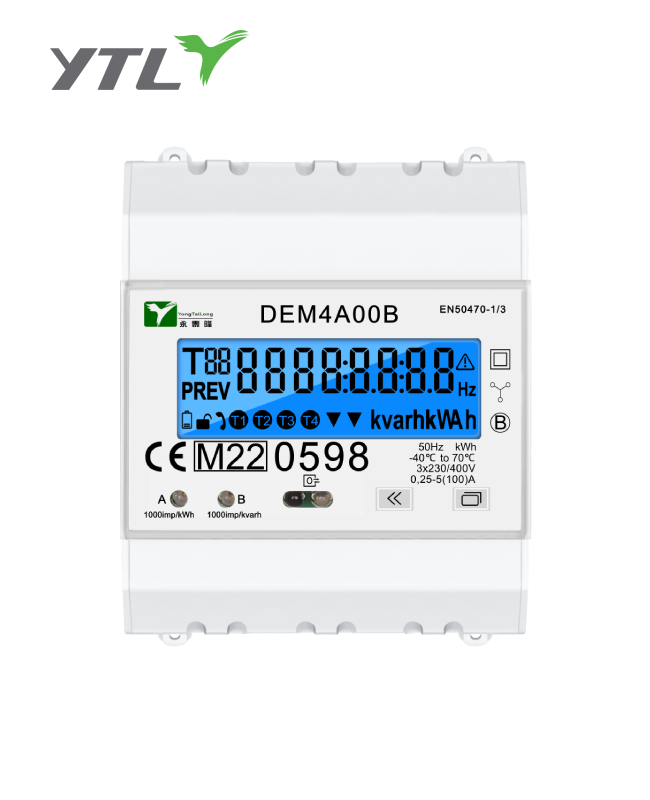
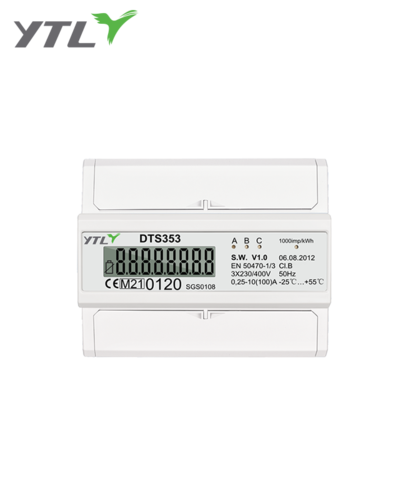
Fourthly, linkage and collaboration function. Intelligent switches can interconnect with smart meters, power instruments, distribution terminals, and other equipment to build an integrated intelligent power distribution control system. For example, linkage with smart meters enables synchronous collection of power consumption data and switch status, allowing accurate energy consumption statistics for each circuit. Linkage with energy storage systems and photovoltaic inverters adjusts power distribution circuits according to new energy generation, promoting new energy consumption and adapting to the diversified demands of modern intelligent power distribution systems.
In practical applications of intelligent power distribution systems, intelligent switches are deployed in diversified scenarios. In industrial and commercial power distribution, they control circuits in workshops and equipment rooms, achieving load zone management and safety protection to meet the high-load, multi-circuit demands. In building intelligent power distribution, they manage lighting, air conditioning, and other circuits in floors and offices, combining timing control and energy consumption monitoring to realize building energy conservation. In new energy supporting power distribution, they control and protect circuits in photovoltaic and energy storage systems, adapting to AC/DC scenarios and ensuring stable operation of new energy power generation systems.
In summary, as the core control terminal of intelligent power distribution systems, the diversified functions of intelligent switches perfectly satisfy the needs of safety management, refined operation and maintenance, and efficient operation. With the continuous upgrading of intelligent power distribution technologies, intelligent switches will further develop toward modularization, integration, and intelligence. They will not only enhance the efficiency and safety of power distribution systems but also contribute to energy conservation, consumption reduction, and digital transformation of the power industry, providing reliable support for intelligent power distribution in various scenarios.