
 English
 简体中文
简体中文



Introduction
The global utility sector is undergoing a profound digital transformation. At the heart of this evolution is the transition from legacy, manually read electromechanical meters to advanced smart metering infrastructure. For utility providers, industrial facilities, and large-scale consumers, a smart meter is far more than a simple billing tool; it is a sophisticated data-acquisition node that serves as the foundation for the intelligent grid. Understanding the technical nuances, operational advantages, and strategic deployment of these devices is essential for stakeholders looking to optimize energy management and enhance grid reliability.
Understanding the Technical Paradigm Shift
Traditional meters, often referred to as accumulation meters, serve a singular, passive function: they measure cumulative energy usage over a period of time. These devices require physical site visits for manual data collection, which is labor-intensive, prone to human error, and lacks temporal granularity.
In contrast, smart meters—often operating within an Advanced Metering Infrastructure (AMI)—incorporate microprocessors, solid-state memory, and bidirectional communication modules. They sample voltage and current at high frequencies, providing not just cumulative consumption, but granular interval data, power quality metrics, and diagnostic alerts.
| Feature | Traditional Meter | Smart Meter |
|---|---|---|
| Data Collection | Manual, periodic | Automated, real-time/interval |
| Communication | None (one-way) | Bidirectional (mesh, cellular, PLC) |
| Granularity | Cumulative total only | Hourly/sub-hourly intervals |
| Remote Capability | None | Disconnect/Reconnect, firmware updates |
| Diagnostic Alerts | None | Tamper detection, voltage sag/swell |
Core Operational Advantages
The deployment of smart meters addresses several critical pain points in modern utility management:
- Enhanced Data Integrity and Billing Accuracy: By eliminating manual reading, utilities can eradicate billing errors and estimated usage scenarios. This fosters trust between the utility and the end customer while simultaneously reducing operational expenses associated with field service personnel.
- Grid Reliability and Fault Detection: Smart meters act as the “eyes” of the distribution grid. During power outages, these devices can send “last-gasp” messages to the utility’s central management system, allowing for the precise localization of faults. This drastically reduces the Mean Time to Repair (MTTR) and improves overall grid stability.
- Power Quality Monitoring: Industrial consumers often face challenges with harmonic distortion, voltage fluctuations, and poor power factor. Modern smart meters monitor these parameters in real-time, allowing facility managers to identify equipment stress before it leads to failure, thus supporting predictive maintenance strategies.
- Demand-Side Management: With detailed visibility into consumption patterns, businesses can implement demand-response strategies. By identifying peak-load periods, companies can shift non-critical processes to off-peak hours, thereby optimizing energy costs and reducing the stress on the distribution grid.
Deployment and Integration Strategies for Industrial Facilities
For industrial users, the integration of smart meters into an existing Energy Management System (EMS) is a strategic investment. The process generally follows a structured approach:
- Infrastructure Audit: Before procurement, it is vital to assess the existing load profiles and communication environment. Factors such as electrical noise in the facility, the distance between metering points, and the required data polling frequency must dictate the choice of communication protocol (e.g., Modbus, M-Bus, or wireless standards like ZigBee or LoRaWAN).
- Communication Layer Selection: Industrial environments are often electrically “noisy.” Therefore, selecting a meter with robust communication options is paramount. While Power Line Communication (PLC) is effective for residential clusters, industrial environments may benefit more from fiber-optic or dedicated wireless mesh networks to ensure low-latency data transmission.
- Platform Integration: A smart meter is only as effective as the software interpreting its data. Integration should focus on creating a multi-level metering hierarchy, where data flows from individual equipment meters to production-line meters, and finally to the facility-wide master meter. This allows for precise cost allocation and energy-efficiency benchmarking.
Data Security and Lifecycle Management
As smart meters become more interconnected, cybersecurity becomes a cornerstone of infrastructure design. Industry-standard meters must now incorporate encrypted data transmission (typically AES-128 or AES-256), secure boot sequences, and digitally signed firmware updates. These safeguards prevent unauthorized access to the metering data and protect the device against logical tampering attempts.
Furthermore, lifecycle management is crucial. A high-quality smart meter is designed to maintain accuracy tolerances for 10 to 15 years in diverse environmental conditions. Utility projects must prioritize hardware that supports Over-the-Air (OTA) updates, ensuring that as protocols evolve, the physical infrastructure remains relevant and adaptable to future smart grid requirements.
Conclusion
The transition toward smart metering is an irreversible trend driven by the need for efficiency, sustainability, and data-driven operational control. For manufacturers and utilities alike, the focus is shifting from simple energy measurement to the intelligent orchestration of energy resources. By leveraging the granular data, bidirectional communication, and advanced diagnostics provided by modern smart meters, organizations can move from reactive energy management to a proactive, highly efficient, and transparent energy future.
FAQ
1. How do smart meters differ from standard digital meters?
While both use digital displays, a “smart” meter includes a bidirectional communication module that transmits data to the utility and allows for remote management, whereas a standard digital meter simply replaces the mechanical dial with a screen without the communication or analytic capabilities.
2. Can smart meters help in reducing industrial energy costs?
Yes. By providing granular data, they allow managers to identify high-load equipment, optimize production schedules, and avoid peak-demand surcharges by shifting energy-intensive tasks to off-peak times.
3. What communication technologies are commonly used in smart meters?
Common technologies include Cellular networks (NB-IoT, 4G/5G), Radio Frequency (RF) mesh networks, and Power Line Communication (PLC). The choice depends on the density of the deployment and the local signal environment.
4. Are smart meters secure against data tampering?
Modern smart meters are built with robust security features, including encrypted communication channels, hardware-based secure boot, and anti-tamper physical seals to prevent unauthorized physical and logical access.
5. What is the typical lifespan of a professional-grade smart meter?
High-quality, industrial-grade smart meters are designed to maintain their metering accuracy and operational integrity for 10 to 15 years, provided they are installed in accordance with environmental specifications and receive regular firmware maintenance.
References
- International Electrotechnical Commission (IEC) Standards for Electricity Metering (62052/62053).
- Advanced Metering Infrastructure (AMI) Deployment Guidelines for Utility Providers.
- Energy Efficiency and Grid Management Reports by Global Utility Industry Associations.
- Cybersecurity Frameworks for Critical Infrastructure (NIST).
- Industrial Energy Management Protocols and Communication Standards (Modbus/M-Bus).
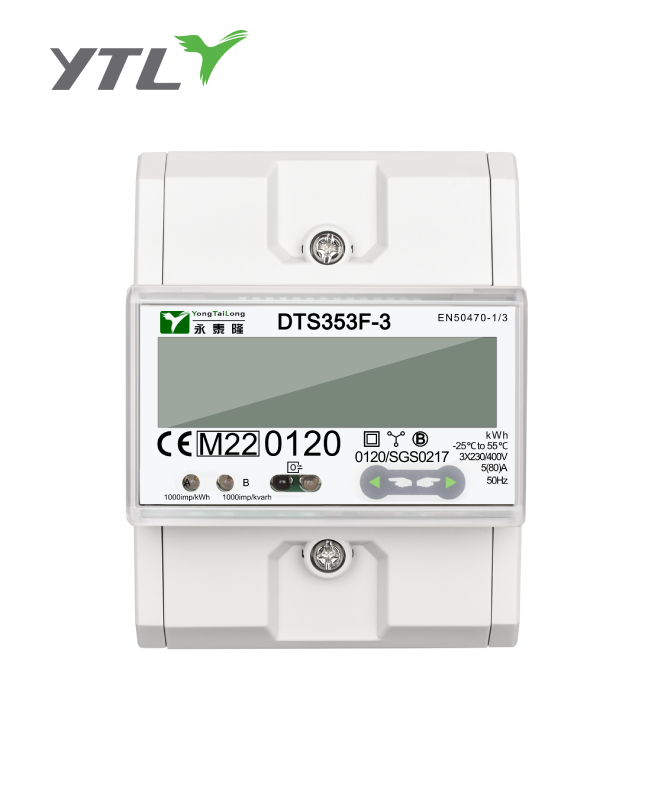
.png?imageView2/2/w/500/h/500/format/png/q/100 "YTL STS Prepaid Wi-Fine Energy Meter Single Phase Wall")
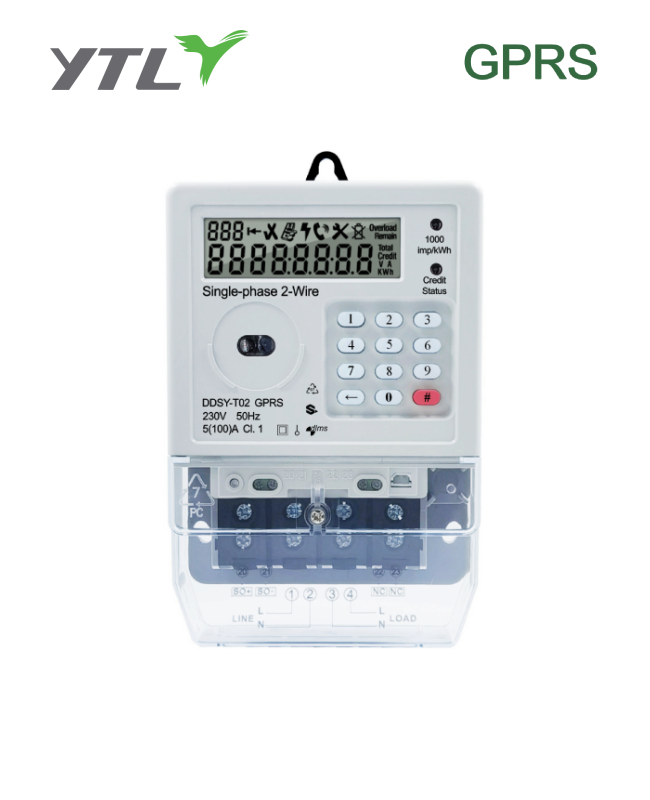
.png?imageView2/2/w/500/h/500/format/png/q/100 "YTL Single Phase Active Electronic Electricity Meter")