
 English
 简体中文
简体中文



1: The New Challenge for Commercial Landlords
Let’s look around any commercial parking lot today. Whether it is a high-rise office building, a suburban shopping mall, or a busy apartment complex, the landscape is changing fast. In 2026, electric vehicle (EV) charging stations are no longer just a “nice-to-have” luxury for high-end tenants. They have become a standard utility, just like high-speed internet or air conditioning.
The Trend: From Perk to Necessity
The shift has happened quicker than many expected. Most tenants now walk into a leasing office and ask two questions: “Where is the gym?” and “Where can I plug in my car?” For landlords, offering EV charging is a fantastic way to attract high-value tenants and boost the overall “green” rating of a property. It makes your building look modern, tech-forward, and environmentally responsible.
The Problem: The “Free Power” Trap
However, many property owners are running into a frustrating wall. They install a row of chargers, but then they realize they have a major financial headache on their hands.
Common issues include:
- The Revenue Leak: You are paying the utility company for the electricity, but you have no accurate way to track exactly how much each car is taking.
- The Billing Nightmare: If you try to charge a flat fee, the tenant who drives ten miles a week feels cheated, while the tenant who drives a hundred miles a day gets a free ride at your expense.
- The Legal Barrier: In many regions, you cannot legally “resell” electricity to a tenant unless your measurement tools meet very strict government standards.
The Solution: More Than Just a Plug
This is where many landlords get stuck. They treat EV charging like a simple hardware installation—like putting in a new light fixture. But if you want your charging stations to actually make money (or at least pay for themselves), you need more than just a plug and a cable.
The secret lies in Revenue-Grade Metering. This technology is the bridge between simply providing a service and running a profitable business. In the next sections, we will dive into what this term actually means and why it is the “missing link” for your commercial property’s success
2: What Exactly is Revenue-Grade Metering?
When you go to a gas station, you trust that the pump is calibrated correctly. You believe that if the screen says you bought ten gallons, you actually got ten gallons. In the world of electricity, Revenue-Grade Metering is the “certified pump” of the power industry.
Not All Meters Are Created Equal
Many EV chargers come with built-in displays that show how much energy is being used. While these are great for a quick glance, they are often what we call “monitoring grade” meters. They give you a rough idea of the power flow, but they aren’t designed for financial transactions.
A Revenue-Grade Meter is a different beast entirely. It is a high-precision device that has been tested and certified to meet very strict accuracy standards. When we talk about “Revenue-Grade,” we are talking about a meter that is so accurate it can be used as a legal basis for an invoice.
The Standard of Truth: MID and Beyond
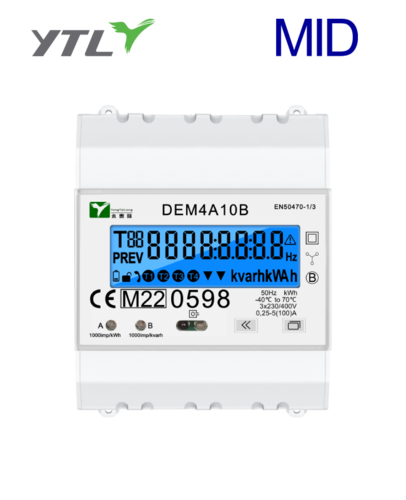
You might hear engineers or suppliers talk about the MID (Measuring Instruments Directive) in Europe or ANSI standards in North America. To keep it simple: these are like the “Gold Seal” of approval from the government.
For a meter to earn these certifications, it has to prove that its margin of error is incredibly small—usually well under one percent. In 2026, many local governments are making it a law that if you want to charge a tenant for electricity based on their usage, you must use a certified, revenue-grade meter.
Why Precision is Your Best Friend
Why does a tiny bit of accuracy matter so much? Imagine you have fifty EV chargers in your parking garage. If each one has a small “estimated” error of three or four percent, that adds up to a massive amount of unbilled electricity over a year.
- Without Revenue-Grade: You are basically guessing, which leads to “leaking” profits and potential legal trouble.
- With Revenue-Grade: You have a “source of truth.” You have data that is audit-ready, legally compliant, and high enough quality to be treated like cash in the bank.
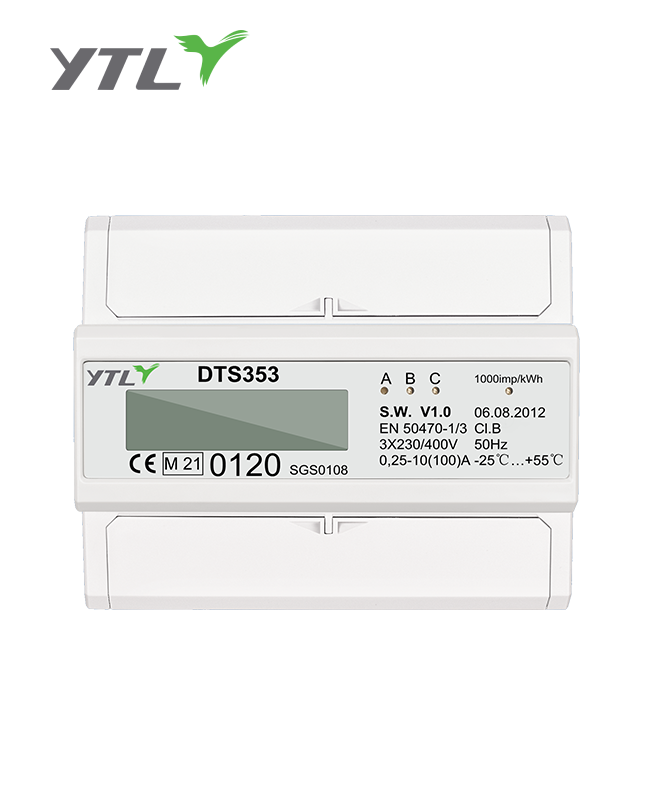
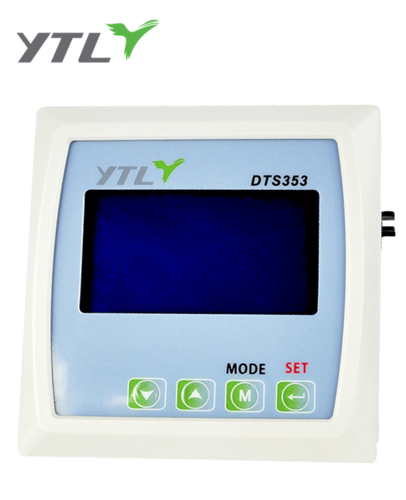
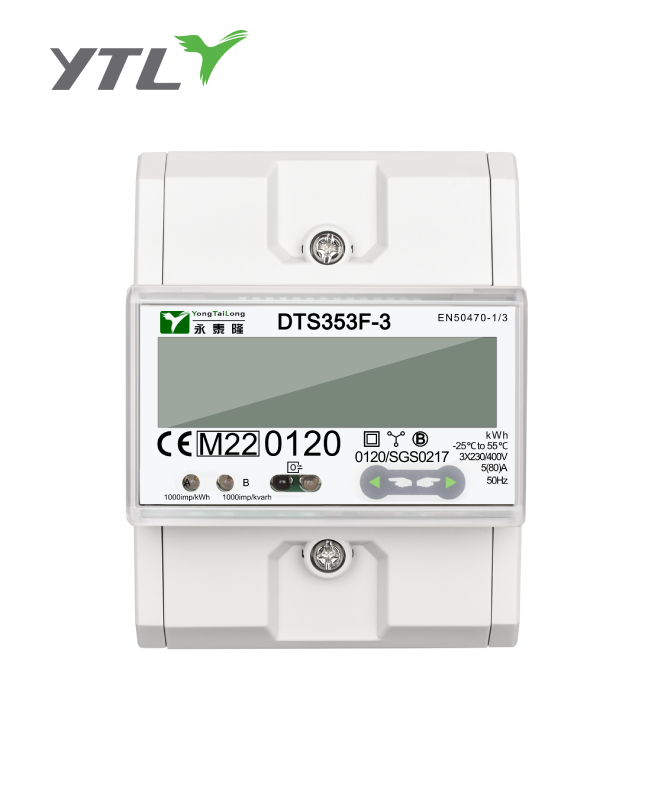
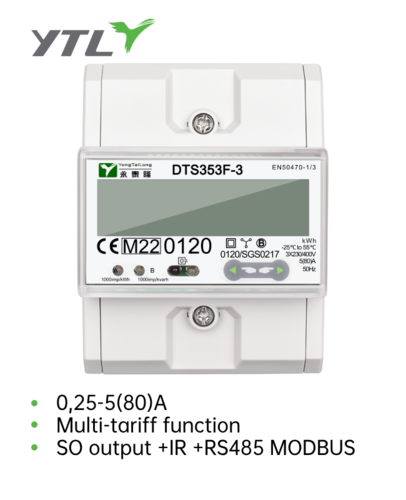
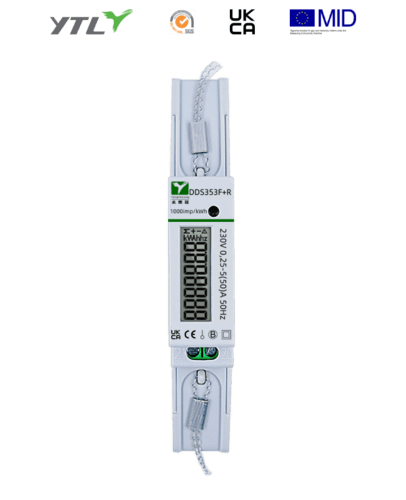
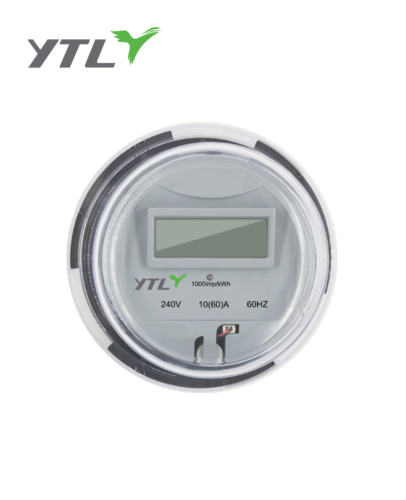
In short, if you are planning to treat EV charging as a business rather than a charity, a revenue-grade meter (like the smart modules developed by YTL) is the most important piece of hardware in your cabinet.
3: Why This is the “Secret” to Profitability
Many people assume that the way to make money with EV charging is to simply charge a high “flat fee” for parking. But in a competitive market, that strategy often fails. The real “secret” to a profitable charging operation is transparency and smart management, both of which require revenue-grade data.
1. Building Trust with Tenants
Tenants in 2026 are very protective of their wallets. If they feel they are being overcharged for electricity, they will stop using your chargers or, worse, complain to the local housing or business board. By using revenue-grade meters, you can show them a certified, accurate record of their “fueling” session. When billing is fair and transparent, usage goes up, and so does your revenue.
2. Reducing Administrative Headaches
In the past, property managers had to manually walk through parking lots to check meter readings—a huge waste of expensive labor. Modern revenue-grade meters are “smart.” They send the data directly to your billing software. This automation turns a complex accounting task into a simple, one-click report. You save money on labor while ensuring you never miss a cent of electricity used.
3. Smart Pricing (Peak vs. Off-Peak)
Not all electricity costs the same. Most utility companies charge more during the day (peak hours) and less at night. If you have high-precision meters, you can set up “Time of Use” pricing. You can charge tenants a bit more when the grid is under pressure and offer discounts for overnight charging. This ensures your profit margins stay protected regardless of what the utility company charges you.
4: Comparison Table: Standard Metering vs. Revenue-Grade
To help you make the right choice for your next project, let’s look at how these two types of metering compare in a real-world commercial setting.
| Feature | Standard “Internal” Metering | Revenue-Grade Metering |
|---|---|---|
| Accuracy Level | Lower (Approx 2% to 5% error) | High (Typically 0.5% or better) |
| Legal Billing | Usually not allowed for resale | Approved for legal financial transactions |
| Tenant Trust | Low (Leads to disputes) | High (Certified and transparent) |
| Data Quality | Good for “estimates” | Audit-ready and secure |
| Business Purpose | Internal monitoring only | Selling electricity as a service |
| Future Proofing | Likely to fail new regulations | Compliant with 2026 standards |
The Verdict on Value
While a standard meter might save you a few dollars on the initial purchase, it acts as a “revenue leak” every single day it is in operation. Revenue-grade metering (such as the systems provided by YTL) is an investment that protects your income. It transforms your EV chargers from a simple amenity into a professional, scalable revenue stream that adds real value to your property’s bottom line.
5: Integration and Scalability
A single EV charger is easy to manage, but what happens when your building grows? In 2026, many commercial properties are starting with five chargers and planning to expand to fifty within a few years. This is where high-quality metering truly shines.
The Power of Connectivity
Modern revenue-grade meters do not just sit there and collect dust. They are “connected” devices. Using protocols like Wi-Fi or Cellular, these meters (like the smart modules from YTL) feed data directly into your building’s energy management system. This allows you to see the big picture: how much total power is the building using, and how much is being diverted to cars?
Load Balancing: Protecting Your Fuses
One of the biggest fears for property managers is “blowing a fuse” because too many EVs are charging at once. With precise, real-time data from revenue-grade meters, your system can perform Smart Load Balancing. It can automatically slow down the charging speed of some cars during peak times to ensure the building’s elevators and lights stay on. Without accurate meters, this kind of automation is nearly impossible to do safely.
6: Decision Checklist for Property Managers
Before you sign a contract for new EV infrastructure, ask your provider these four critical questions. If the answer to any of these is “No,” you might be looking at a system that will cost you more in the long run.
- Are the meters MID or ANSI certified? (This ensures you can legally bill your tenants for the electricity used).
- Can the data be exported to my accounting software? (Manual data entry is a profit-killer; look for automated reporting).
- Does the meter support “Time of Use” pricing? (You need the flexibility to adjust rates based on utility costs).
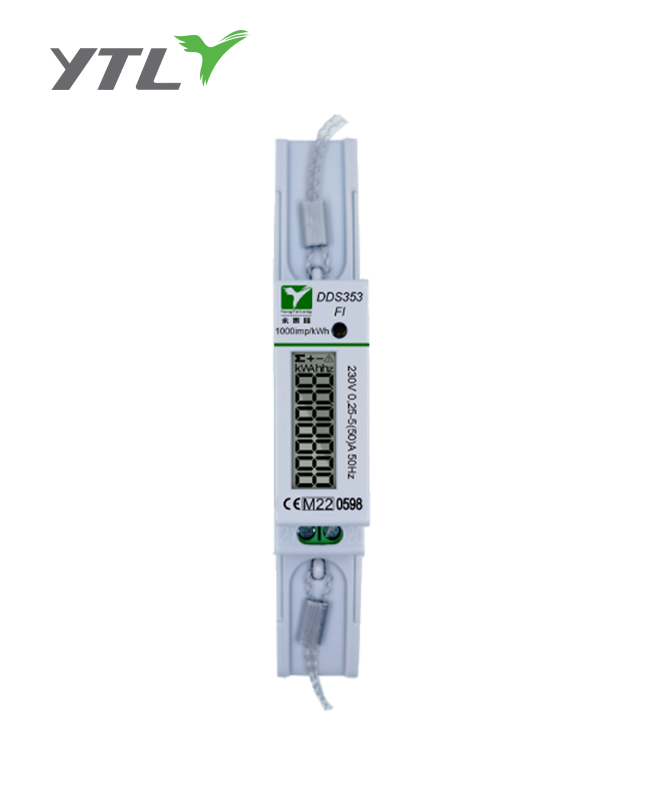
- Is the hardware compact enough for my existing electrical panels? (Space is money—look for DIN-rail designs that save room).
Conclusion: Future-Proofing Your Property
The transition to electric vehicles is a massive opportunity for commercial property owners. But to turn your parking lot into a profit center, you have to move beyond the “free power” mindset.
Revenue-Grade Metering is the secret ingredient. It provides the accuracy you need for legal billing, the data you need for smart management, and the transparency you need to keep your tenants happy. By investing in the right metering technology today, you are not just installing a charger; you are building a professional energy business that will add value to your property for decades to come.
In the world of 2026, don’t just provide a plug—provide a professional, metered service that pays for itself.
Ready to Build a Profitable EV Hub?
Don’t let your profits slip away through inaccurate data. At YTL, we provide the world-class, certified metering technology that makes commercial EV charging both simple and profitable. Whether you are managing a small office or a massive retail complex, we have the hardware and the expertise to help you succeed.
Contact our experts today to see how YTL’s revenue-grade solutions can transform your property.
Frequently Asked Questions (FAQ)
1. Why can’t I just use the meter that is already built into my EV charger?
Most built-in chargers have basic meters that are great for showing you progress on an app, but they often lack the official certification required for legal billing. If you want to bill a tenant for the exact amount of electricity they used, most regions require a certified, Revenue-Grade meter to ensure the transaction is fair and legally compliant.
2. Is Revenue-Grade Metering much more expensive than standard metering?
While there is a slightly higher upfront cost for the hardware and certification, it usually pays for itself very quickly. Without it, you are likely losing money every month due to small inaccuracies or an inability to charge for peak-hour usage. Think of it as an investment that protects your monthly revenue.
3. Can I add these meters to chargers that are already installed?
In many cases, yes. If your electrical panel has enough space, you can often “retrofit” your system by adding compact meters (like YTL’s DIN-rail series) between the power source and the charger. This allows you to upgrade your billing capability without replacing all your charging hardware.
4. What does MID certification mean in simple terms?
MID stands for the Measuring Instruments Directive. In simple terms, it is a strict European standard that proves a meter is accurate enough for the “resale” of electricity. If a meter is MID-certified, it means the government trusts its data for financial transactions.
5. How does this technology help with building safety?
Because Revenue-Grade meters provide high-precision, real-time data, they can alert your management system if a charger is drawing an unusual amount of power. This helps with “Load Balancing,” ensuring your EV chargers never draw so much power that they cause a blackout in the rest of the building.
References & Industry Standards
To build authority for your website, you can link to or mention these key organizations and standards:
- The Measuring Instruments Directive (MID): The primary legal framework in Europe that governs the accuracy and software security of electricity meters used for billing.
- National Institute of Standards and Technology (NIST) Handbook 44: A key reference in the United States for the requirements of commercial weighing and measuring devices, including EV chargers.
- Alternative Fuels Data Center (AFDC): A resource from the U.S. Department of Energy that provides guidelines on EV charging infrastructure and billing practices.
- IEA (International Energy Agency) - Global EV Outlook: Provides the latest trends and data on the growth of charging infrastructure globally, supporting the need for smart metering.
- UL 2594 Standard: The standard for safety in Electric Vehicle Supply Equipment (EVSE), which works alongside metering hardware to ensure safe operation in commercial buildings.