









1. Introduction
As the world moves toward a more sustainable and digitally connected future, the way we manage home energy is evolving rapidly. Traditional utility meters are being replaced by advanced smart meters at an unprecedented rate. For homeowners, this transition is not just a technical upgrade; it is a gateway to better energy management, reduced utility bills, and a smaller carbon footprint.
Whether you are looking to take control of your monthly expenses or want to contribute to a greener planet, understanding the installation and operation of a smart meter is the first step toward a modern, efficient home.
2. What is a Smart Meter?
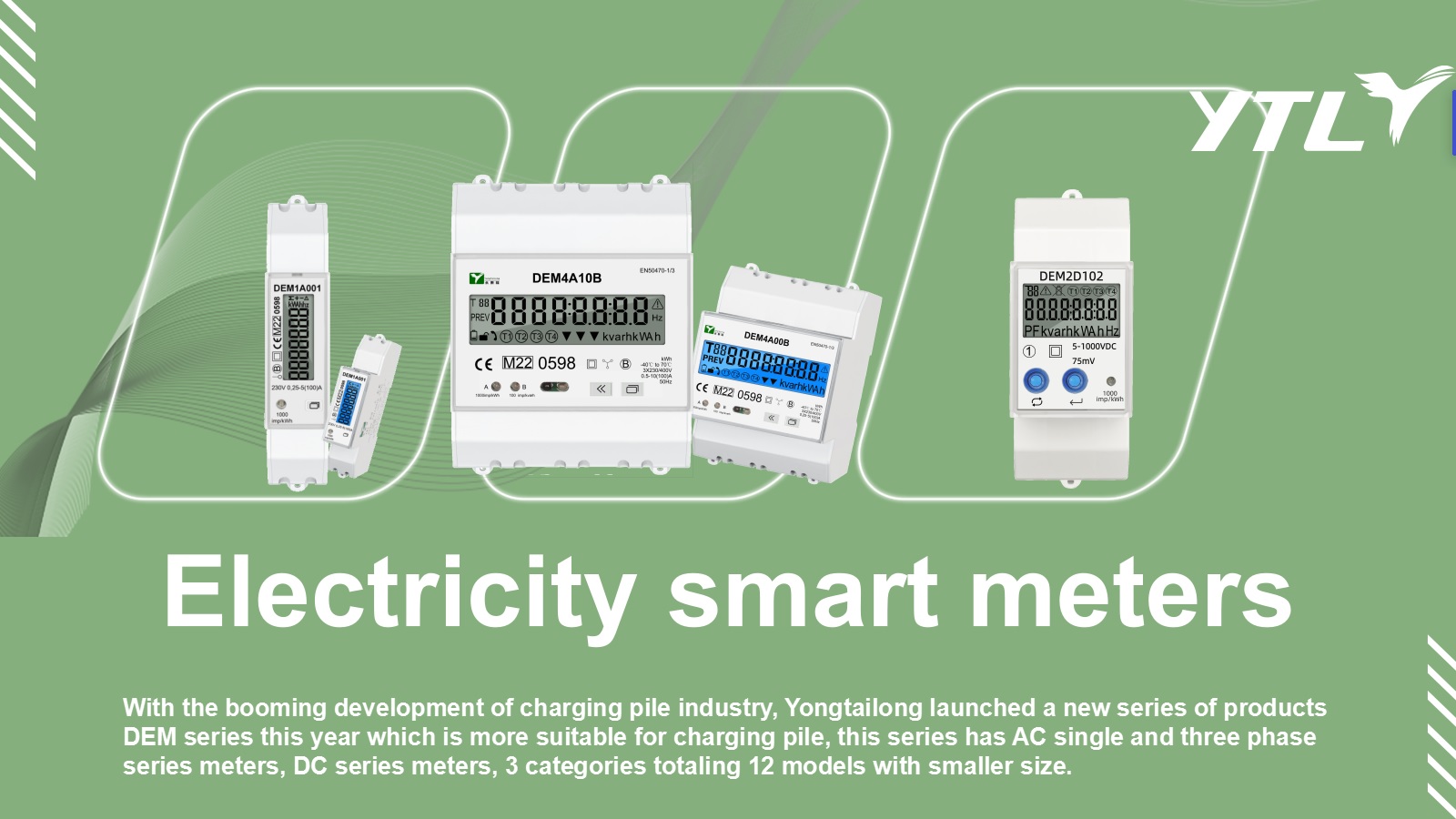
A smart meter is a digital version of the traditional gas or electricity meter. While old-fashioned analog meters simply record the total amount of energy used, smart meters are sophisticated devices that offer a wealth of data and connectivity features.
The two defining characteristics of a smart meter are:
- Real-Time Monitoring: It tracks energy consumption at frequent intervals (usually every 30 minutes) and displays this data via an in-home display or a mobile app.
- Two-Way Communication: Unlike traditional meters that require a manual reading by a technician, smart meters automatically send usage data to your energy provider through a secure wireless network.
Comparison: Traditional Meter vs. Smart Meter
| Feature | Traditional Analog Meter | Modern Smart Meter |
|---|---|---|
| Data Reading | Manual reading required | Automatic digital transmission |
| Usage Visibility | Monthly or quarterly totals only | Real-time, hour-by-hour insights |
| Billing Accuracy | Often based on estimates | Based on actual daily usage |
| Communication | One-way (usage only) | Two-way (usage and grid status) |
| Smart Home Integration | No compatibility | Can connect to apps and devices |
3. Benefits of Smart Meter Installation
The transition to a smart meter provides immediate advantages for both the homeowner and the utility provider. By digitizing energy data, these devices transform a passive utility service into an interactive management tool.
Enhanced Accuracy and Transparency
One of the most significant advantages is the elimination of estimated billing. Traditional meters require manual readings, which can lead to errors or “guesses” if the meter reader cannot access your property. Smart meters provide:
- Precise Readings: Digital sensors record exact consumption, ensuring you are billed only for what you use.
- Consumption Insight: Homeowners can see exactly when and where energy is being consumed, making it easier to identify high-drain appliances.
Cost Savings
Smart meters are powerful tools for reducing monthly expenses. By understanding your usage patterns, you can make informed decisions to lower costs.
- Time-of-Use (TOU) Tariffs: Many energy providers offer cheaper rates during “off-peak” hours (such as late at night). Smart meters allow you to take advantage of these rates by scheduling heavy-duty appliances like dishwashers or EV chargers during low-cost periods.
- Behavioral Adjustments: Seeing real-time costs often encourages small changes, such as turning off unused lights, which add up to significant annual savings.
Environmental Impact
Smart meters play a crucial role in global sustainability efforts.
- Reducing Energy Waste: By identifying inefficient habits, users naturally reduce their overall carbon footprint.
- Supporting the Smart Grid: These meters help utility companies manage demand across the entire city, reducing the need for high-emission “peaker” power plants during busy times.
Remote Monitoring and Control
In the modern connected home, the smart meter acts as a central data hub.
- Remote Access: Most systems allow you to check your energy status via a smartphone app from anywhere in the world.
- Smart Home Integration: Many smart meters can sync with smart thermostats and home automation systems to automatically optimize energy use based on current prices or grid demand.
Summary of Key Benefits
| Benefit Category | Impact on Homeowner |
|---|---|
| Accuracy | Eliminates estimated bills and manual reading errors |
| Financial | Enables access to off-peak discounts and lowers usage |
| Environmental | Reduces carbon emissions through better efficiency |
| Convenience | Remote monitoring via smartphone or web portal |
4. Understanding the Installation Process
Upgrading to a smart meter is a structured process designed to be quick and minimally disruptive. While the technology inside the meter is complex, the physical installation is typically completed in under an hour.
Eligibility and Requirements
Before scheduling an installation, certain conditions must be met to ensure the device functions correctly:
- Signal Strength: Since smart meters transmit data wirelessly, your property must be within the range of the utility’s communication network (similar to a cellular signal).
- Physical Access: The area around your current meter box must be clear of obstructions, such as overgrown bushes, locked gates, or stored items, to allow the technician to work safely.
- System Compatibility: In some older homes, the electrical wiring or the meter box itself may need a minor upgrade to accommodate the digital hardware.
Finding a Qualified Installer
Safety is the top priority. Smart meter installation involves working with live high-voltage electricity and should never be attempted as a DIY project.
- Utility-Appointed Technicians: In most cases, your energy provider will send a certified professional to handle the swap.
- Certified Electricians: If you are installing a private sub-meter for a rental property or commercial unit, ensure the electrician is licensed and specifically trained in digital meter synchronization.
- Reputable Providers: Always verify the credentials of the installer. They should carry official identification from the utility or the meter manufacturer.
Step-by-Step Installation Guide
A typical installation follows these specific steps:
- Arrival and Identification: The technician will arrive at the scheduled time and present their credentials.
- Visual Inspection: They will check your existing meter and wiring for any safety hazards or defects.
- Power Shutdown: The technician will temporarily turn off the power to your home. This usually lasts between 20 and 45 minutes.
- The Swap: The old analog meter is removed, and the new digital smart meter is securely fitted into the mounting.
- Synchronization: The installer configures the meter to connect to the Wide Area Network (WAN) and your In-Home Display (IHD).
- Power Restoration: The electricity is turned back on, and all circuits are tested.
Post-Installation Checks
Once the meter is physically installed, the technician performs several final checks:
- Connectivity Verification: Ensuring the “comms” light is active, indicating data is being sent to the provider.
- Safety Testing: A final check to ensure there are no loose connections or fire hazards.
- Customer Briefing: The installer will often show you how to read the digital display and how to use the mobile app or monitor provided.
Pre-Installation Checklist for Homeowners
| Task | Description |
|---|---|
| Clear Access | Ensure the path to the meter box is open and safe. |
| Identify Critical Appliances | Note which appliances (like medical equipment or computers) need to be safely shut down before the power cut. |
| Check Connectivity | Ensure your home has basic cellular or radio signal coverage. |
| Document Last Reading | Take a photo of your old analog meter reading for your final manual bill. |
5. Cost of Smart Meter Installation
The cost of transitioning to a smart meter varies significantly depending on your geographic location, your local utility provider’s current infrastructure programs, and the existing condition of your home’s electrical system.
Factors Affecting Installation Costs
Several variables influence the final price of an upgrade:
- Utility Rollout Status: In many regions, governments or utility companies cover 100% of the cost as part of a national grid modernization project.
- Existing Infrastructure: If your current meter box is outdated or located in an inaccessible area, you may need to pay for a “meter box relocation” or a panel upgrade to meet modern safety codes.
- Installation Complexity: Homes with older wiring or those in remote areas with poor signal coverage may require additional signal boosters or hardware modifications.
- Labor Rates: If you are hiring a private certified electrician for a sub-meter (common in multi-unit properties), local labor rates will apply.
Average Installation Cost
While many homeowners receive their smart meter at no upfront cost, those who choose to upgrade independently or require system repairs can expect the following price ranges:
| Installation Type | Estimated Hardware Cost | Estimated Labor Cost | Total Estimated Cost |
|---|---|---|---|
| Utility-Led Rollout | $0 (Covered by provider) | $0 (Covered by provider) | $0 |
| Standard Private Upgrade | $150 – $300 | $100 – $250 | $250 – $550 |
| Complex Retrofit/Panel Work | $300 – $600 | $500 – $1,200 | $800 – $1,800 |
Rebates and Incentives
To encourage adoption, many regions offer financial incentives:
- Federal Tax Credits: In some countries, upgrading to energy-efficient digital infrastructure qualifies for “green home” tax deductions.
- Utility Rebates: Some providers offer a one-time credit on your bill after a successful smart meter installation.
- Peak-Shaving Programs: Utilities may offer monthly incentives if you agree to let them slightly adjust your smart thermostat or EV charger during extreme grid demand.
6. Potential Issues and Troubleshooting
While smart meters are highly reliable and built to industrial standards, homeowners may occasionally encounter technical glitches. Most issues are related to communication signals rather than the physical measuring of electricity.
Common Problems
Understanding these common issues can help you resolve them quickly without unnecessary stress:
- Connectivity Gaps: Sometimes the meter may lose its connection to the utility network (WAN) or your in-home display (HAN). This is often due to temporary local signal interference.
- In-Home Display (IHD) Sync Issues: The small screen inside your house may occasionally freeze or show “waiting for data.” This usually happens if the display is too far from the actual meter.
- Bill “Spikes” After Installation: Some users notice a higher bill immediately after installation. This is rarely a fault of the smart meter; rather, the smart meter is accurately recording usage that the old, slower analog meter was missing, or it is correcting previous “estimated” bills.
- Blank Display: If the digital screen on the meter itself is blank, it could indicate a localized power fault or a hardware failure.
Troubleshooting Quick-Reference
| Issue | Likely Cause | Recommended Action |
|---|---|---|
| IHD showing no data | Distance from meter | Move the display closer to the meter box and restart the device. |
| Data gaps in app | Signal interference | Wait 24 hours; most meters automatically reconnect and upload stored data. |
| Unexpectedly high usage | Appliance “vampires” | Use the real-time display to turn appliances off one by one to find the culprit. |
| Blank meter screen | Internal fault | Contact your utility provider or the manufacturer immediately. |
When to Contact a Professional
While you can troubleshoot your in-home display or mobile app, you should never attempt to open or repair the smart meter yourself. Contact a qualified technician or your utility provider if you experience the following:
- Physical Damage: If the meter casing is cracked or the seal is broken.
- Safety Hazards: Any smell of burning, sparking, or unusual humming noises coming from the meter box.
- Persistent Outages: If your power goes out while your neighbors still have electricity.
- Consistent Data Failure: If your energy provider notifies you that they haven’t received a reading for several days.
7. Smart Meter Security and Privacy
As smart meters become integral to the modern “Internet of Things” (IoT) ecosystem, ensuring the security of the data they transmit is a top priority for manufacturers and utility providers alike.
Data Privacy Concerns
Many homeowners worry that smart meters might “spy” on their daily routines. It is important to clarify that smart meters do not monitor what you are doing (e.g., they don’t know which TV show you are watching); they only measure how much total electricity is being consumed at specific intervals. To protect this data, several layers of defense are implemented:
- Bank-Level Encryption: Data is protected using Advanced Encryption Standard (AES-128 or AES-256) and Transport Layer Security (TLS), the same technology used for online banking.
- Anonymization: Before data is shared for grid analysis, personal identifiers (like your name or address) are often stripped away, leaving only “anonymized” usage patterns.
- Consent-Based Sharing: Under modern privacy laws, utility companies cannot sell your detailed usage data to third-party marketers without your explicit, written consent.
Ensuring Data Protection
While the hardware itself is highly secure, homeowners can take additional steps to ensure their energy data remains private:
- Use Secure Apps: Only use the official mobile apps provided by your utility company or the meter manufacturer.
- Secure Your Home Network: If your smart meter connects via your home Wi-Fi (rather than a dedicated cellular network), ensure your router has a strong, unique password and uses WPA3 encryption.
- Monitor Authorizations: Periodically review which third-party “smart home” apps have permission to access your energy data and revoke access for those you no longer use.
Security Features Breakdown
| Security Layer | Purpose |
|---|---|
| Physical Seal | Prevents physical tampering or unauthorized opening of the meter. |
| End-to-End Encryption | Ensures data cannot be read by hackers while in transit to the utility. |
| Authentication | Digital “handshakes” ensure the meter only talks to authorized servers. |
| Hardware Security Module (HSM) | A secure chip inside the meter that stores cryptographic keys safely. |
8. Regulations and Standards
To ensure safety, reliability, and billing accuracy, smart meters are subject to some of the most rigorous technical standards in the electronics industry. As a manufacturer, we ensure every device meets these international and regional requirements before it reaches your home.
International Accuracy Standards
Smart meters must be incredibly precise to ensure that neither the homeowner nor the utility company is overcharged or undercharged.
- IEC 62053: This is the international standard for electricity metering equipment. It defines “Accuracy Classes” (such as Class 0.2 or Class 0.5), which dictate that a meter must have a margin of error of less than 0.2% or 0.5%.
- ANSI C12.20: In North America, this standard governs the performance and accuracy of electricity meters, ensuring they operate correctly under various environmental conditions.
Safety and Environmental Regulations
- Ingress Protection (IP) Ratings: Smart meters are typically rated IP54 or higher, meaning they are protected against dust and water splashes, ensuring they can operate safely in outdoor enclosures.
- CE and UL Certification: These marks indicate that the meter complies with health, safety, and environmental protection standards for products sold within the European Economic Area or North America.
- Radio Frequency (RF) Safety: Smart meters must comply with regulations regarding electromagnetic fields (EMF) to ensure that the low-power wireless signals they use are safe for humans and pets.
Key Standards Summary
| Standard | Scope | What it Ensures |
|---|---|---|
| IEC 62053 / ANSI C12.20 | Metrological Accuracy | You are billed exactly for what you consume. |
| IP54 / IP65 | Physical Durability | The meter survives rain, dust, and heat. |
| WPA3 / AES | Cybersecurity | Your energy data is encrypted and secure. |
| RoHS | Environmental | The device is free from hazardous materials like lead. |
Conclusion
The installation of a smart meter is a significant step toward a more efficient and transparent home energy system. By moving away from manual, estimated readings and embracing real-time digital data, you gain the power to lower your utility bills, reduce your environmental impact, and take advantage of modern energy tariffs.
As a manufacturer dedicated to quality and innovation, we believe that providing homeowners with the right tools is the key to a sustainable future. A smart meter isn’t just a recording device; it is a management tool that puts you back in control of your home’s most essential resource.
Recap of Why to Switch:
- Accuracy: No more estimated bills.
- Savings: Access to off-peak rates and better usage habits.
- Convenience: Remote monitoring via smartphone apps.
- Future-Ready: Seamless integration with solar panels and EV chargers.
