









1 The Global Challenge of Non Technical Losses
Energy theft, categorized under non technical losses, remains one of the most significant financial burdens for utility providers worldwide. In 2026, it is estimated that billions of dollars in revenue are lost annually due to sophisticated tampering methods. Beyond the financial impact, energy theft destabilizes the grid, creates fire hazards, and leads to unfair billing for honest consumers.
As thieves move away from crude physical intervention to more advanced electromagnetic and digital interference, the role of the modern electronic energy meter has shifted from a simple counter to a sophisticated security device. This article examines the cutting edge anti tamper features that define the current generation of electronic energy meters.
2 Identifying Common Tampering Methods
To build a robust defense, one must understand the offensive tactics used by illegal actors. Energy theft techniques have evolved into several distinct categories.
The following table categorizes the most prevalent tampering methods and the corresponding defense mechanisms integrated into modern meters:
| Tampering Method | Technical Description | Anti Tamper Defense Mechanism |
|---|---|---|
| Magnetic Interference | Using powerful magnets to saturate transformers | Hall Effect Sensors and Magnetic Shielding |
| Terminal Bypassing | Shunting the current around the meter | Dual Current Measurement (Phase and Neutral) |
| Cover Opening | Physical access to internal circuitry | Mechanical Micro Switches and Light Sensors |
| Neutral Disturbance | Disconnecting or injecting noise into the neutral | Independent Power Supply and DC Measurement |
| Reverse Current | Swapping input and output wires | Uni-directional Accumulation Logic |
3 Advanced Magnetic Interference Protection
One of the most common ways to tamper with an older electronic meter is the use of high strength neodymium magnets. These magnets can saturate the magnetic core of the current transformer (CT), causing the meter to under report consumption or stop entirely.
3.1 Hall Effect and Giant Magneto Resistive (GMR) Sensors
Modern high security meters are equipped with dedicated magnetic field detectors. Unlike the primary measurement circuit, these sensors are specifically tuned to detect external static magnetic fields. If a magnet is detected, the meter can be programmed to log a tamper event, send an instant alert to the utility via the AMI network, or even bill at the maximum possible current as a penalty.
3.2 Magnetic Shielding Materials
In addition to detection, physical prevention is key. High end meters utilize Mu-metal or silicon steel shielding around sensitive components to redirect magnetic flux away from the measurement core, ensuring accuracy even in the presence of external interference.
4 Dual Measurement and Neutral Monitoring
A frequent method of theft involves disconnecting the neutral wire or bypassing the phase wire. In a basic meter, this would result in zero measurement because the circuit is technically incomplete through the meter.
4.1 Phase and Neutral Comparison
Advanced electronic meters measure the current on both the Phase and the Neutral lines. In a healthy system, these two values should be identical. If the meter detects a discrepancy beyond a pre defined threshold (e.g., 6.25 percent), it identifies a “Current Unbalance” or “Earth Leakage” condition.
4.2 Handling the “Missing Neutral” Scenario
Professional grade meters are designed to remain operational even if the neutral wire is disconnected. By utilizing the ground as a reference or featuring an internal power backup, the meter continues to measure the current on the remaining live wire, ensuring that “Neutral Missing” theft is no longer viable.
5 Physical Integrity and Enclosure Security
The meter enclosure is the first line of defense. If a perpetrator can access the internal PCB, they can attempt to reflash the firmware or manually adjust the calibration.
5.1 Multi Layer Tamper Evidence
Modern meters utilize a combination of physical and electronic seals. Beyond traditional lead or plastic seals, the meter body features internal micro switches. If the meter cover or the terminal cover is opened—even while the meter is powered off—the event is recorded in non volatile memory.
5.2 Real Time Light Sensing
Some 2026 models now incorporate internal light sensors. Since the interior of a meter is pitch black, any sudden exposure to light (indicating a cracked casing or opened cover) triggers an immediate security protocol, capturing the exact second of the breach.
6 Digital Security and Encryption
In the era of the Smart Grid, tampering is no longer just physical; it can be digital. Protecting the integrity of the data transmission is just as important as protecting the hardware.
6.1 AES 128 and ECC Encryption
Data transmitted from the meter to the utility server is protected using Advanced Encryption Standard (AES) or Elliptic Curve Cryptography (ECC). This prevents “Man in the Middle” attacks where a hacker might try to intercept and alter the meter readings during transmission.
6.2 Secure Firmware Updates
To prevent unauthorized firmware, meters use “Secure Boot” and digital signatures. The meter will only accept a firmware update if it is signed by the manufacturer’s private key, ensuring that the measurement logic cannot be hijacked to report lower values.
7 Event Logging and Cloud Based Analytics
The power of modern anti tamper technology lies in its ability to provide “Forensic Evidence.” Every suspicious activity is logged with a timestamp and a snapshot of the electrical parameters at that moment.
7.1 Non Volatile Event Registers
Tamper logs are stored in memory that does not require power. Even if the meter is disconnected from the grid for years, the evidence of tampering remains available for retrieval once power is restored or via an optical reading port.
7.2 AI Driven Fraud Detection
At the utility headquarters, Meter Data Management (MDM) systems use Artificial Intelligence to analyze patterns across thousands of meters. If a specific neighborhood shows a sudden drop in aggregate consumption while the transformer load remains high, the system can automatically flag specific meters for physical inspection.
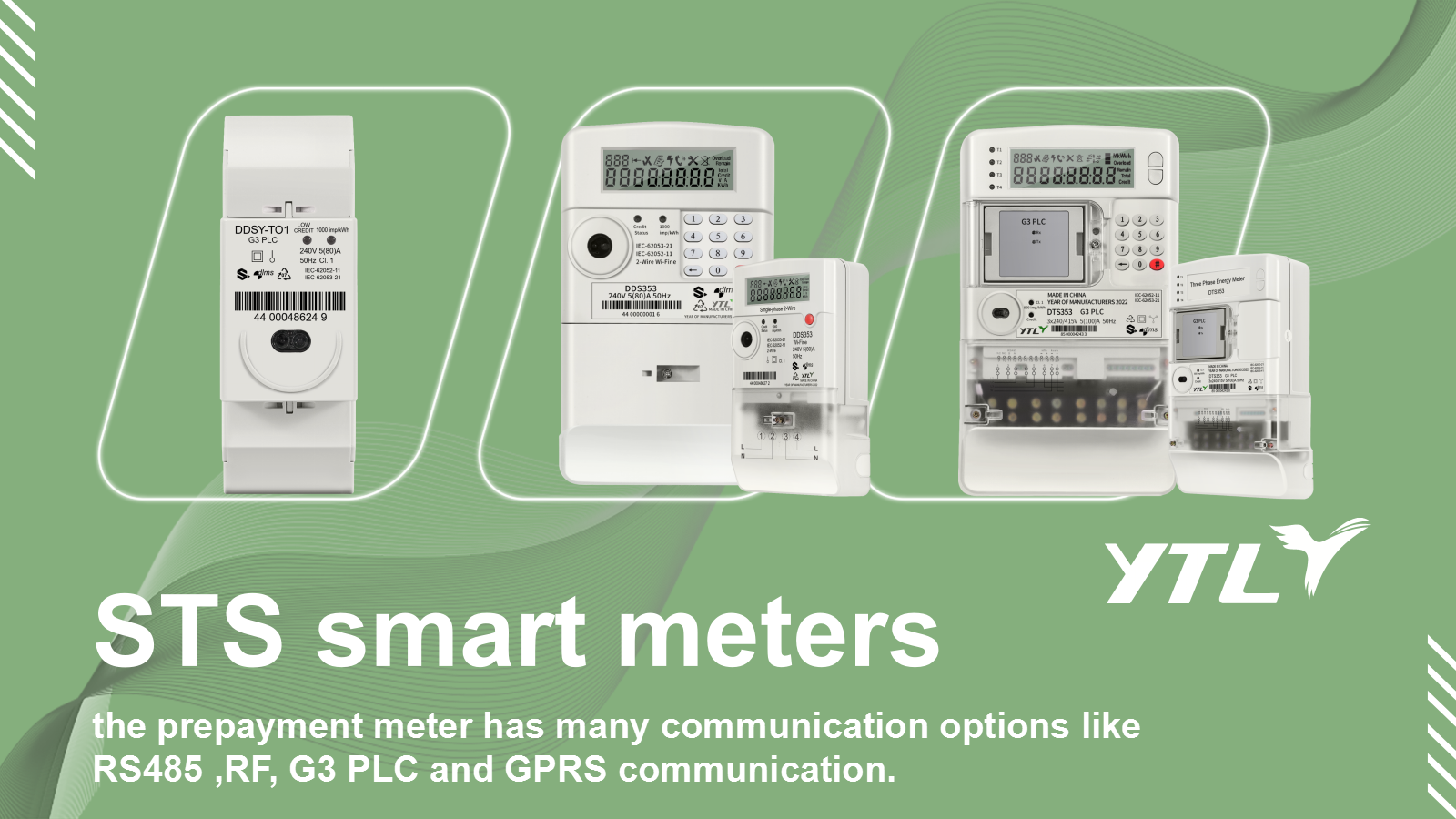
8 The Role of STS Prepaid in Reducing Theft
Prepaid metering has proven to be an effective psychological and technical deterrent against energy theft.
8.1 Integrated Disconnect Relays
Multi function anti tamper meters often include a high capacity latching relay. This allows the utility to remotely disconnect the power supply if a tamper event is confirmed, without needing to send a technician to the site. The power can only be restored once the utility clears the tamper flag.
8.2 Token Validation Security
Using the Standard Transfer Specification (STS), tokens are unique to each meter serial number. This prevents the use of “fake” credit and ensures that the financial transaction is directly linked to the physical device.
9 Legal and Regulatory Compliance
For a meter to be used in legal proceedings against energy theft, it must meet international metrological standards.
9.1 Adherence to IEC and MID Standards
Meters must comply with standards like IEC 62053 or the Measuring Instruments Directive (MID) in Europe. These certifications ensure that the tamper detection is accurate and that the meter does not produce “false positives” due to poor grid quality or legitimate electrical noise.
10 Conclusion: Protecting the Future of Energy
Combating energy theft is an ongoing arms race. As tampering methods become more sophisticated, the hardware and software inside modern electronic energy meters must stay one step ahead. By integrating magnetic sensing, dual current measurement, physical seals, and high level encryption, manufacturers are providing utilities with the tools they need to secure their revenue.
In 2026, a secure meter is the foundation of a sustainable utility. It ensures that energy is distributed fairly, that infrastructure is funded, and that the transition to a greener grid is financially viable.
FAQ Section
FAQ 1: Can a meter detect tampering if the power is cut off?
Yes. Modern meters use a combination of Long Life Lithium Batteries or Super Capacitors to power the internal security sensors. Even if the main grid power is disconnected, the meter can still detect and log a cover opening event.
FAQ 2: What happens if the meter detects a strong magnet?
The meter will typically record a “Magnetic Tamper” event with a start and end time. Many utilities configure the meter to either disconnect the power or switch to a maximum current billing mode during the period the magnet is present.
FAQ 3: How do you prevent false tamper alerts from electrical noise?
Advanced meters use digital filtering and validation logic. For example, a “Neutral Missing” alert is only triggered after the condition persists for a specific number of cycles, ensuring that momentary grid fluctuations do not cause unnecessary alarms.
FAQ 4: Is it possible for a customer to reset the tamper status?
No. Once a tamper event is “latched” in the meter memory, it usually requires a high level security token or a physical visit from an authorized utility officer with a specialized optical reading tool to reset the status.
FAQ 5: Does anti tamper technology increase the cost of the meter?
While there is a slight increase in hardware cost for sensors and relays, the Return on Investment (ROI) is extremely fast. Recovering just a few months of stolen energy often covers the entire cost of the high security meter.
References
- International Electrotechnical Commission. IEC 62052-11: Electricity metering equipment – General requirements, tests and test conditions.
- Council of European Energy Regulators (CEER). Report on Best Practices in Tackling Non-Technical Losses.
- IEEE Power and Energy Society. Modern Techniques for Detecting Energy Theft in Smart Grids.
- DLMS User Association. Security and Encryption in Smart Metering Protocols (DLMS/COSEM).
- National Institute of Standards and Technology (NIST). Guidelines for Smart Grid Cybersecurity.
