
 English
 简体中文
简体中文



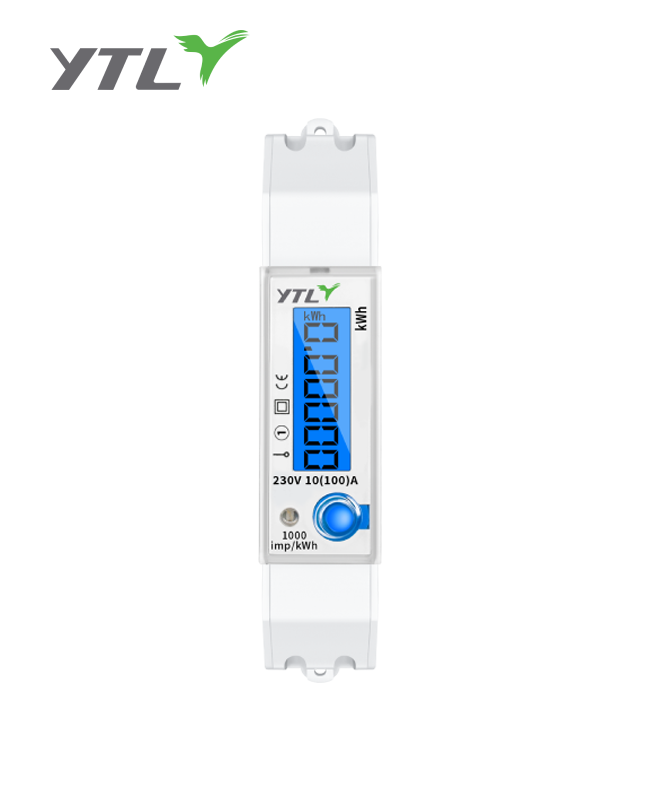
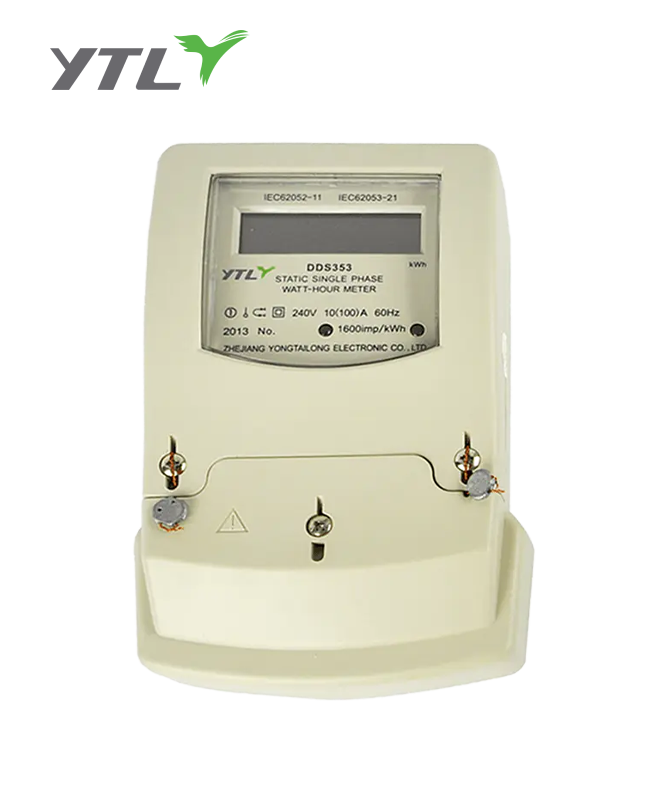
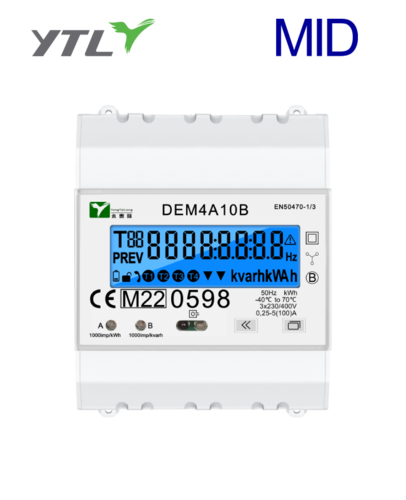
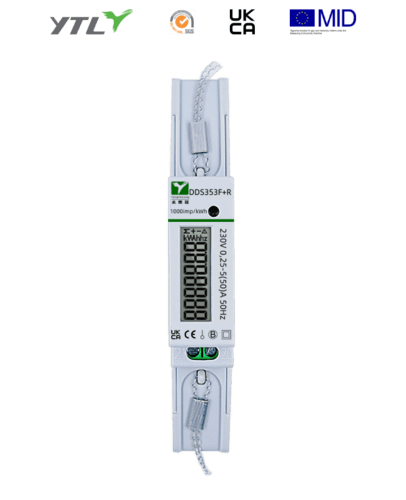
For enterprises, energy costs represent a major operational expense. Accurate energy conservation and effective cost reduction are key to enhancing competitiveness. The widespread adoption of smart electricity meters is bringing a new transformation to corporate energy management, shifting from the traditional “post-event accounting” to “pre-event control,” providing clear direction and support for energy saving and consumption reduction.
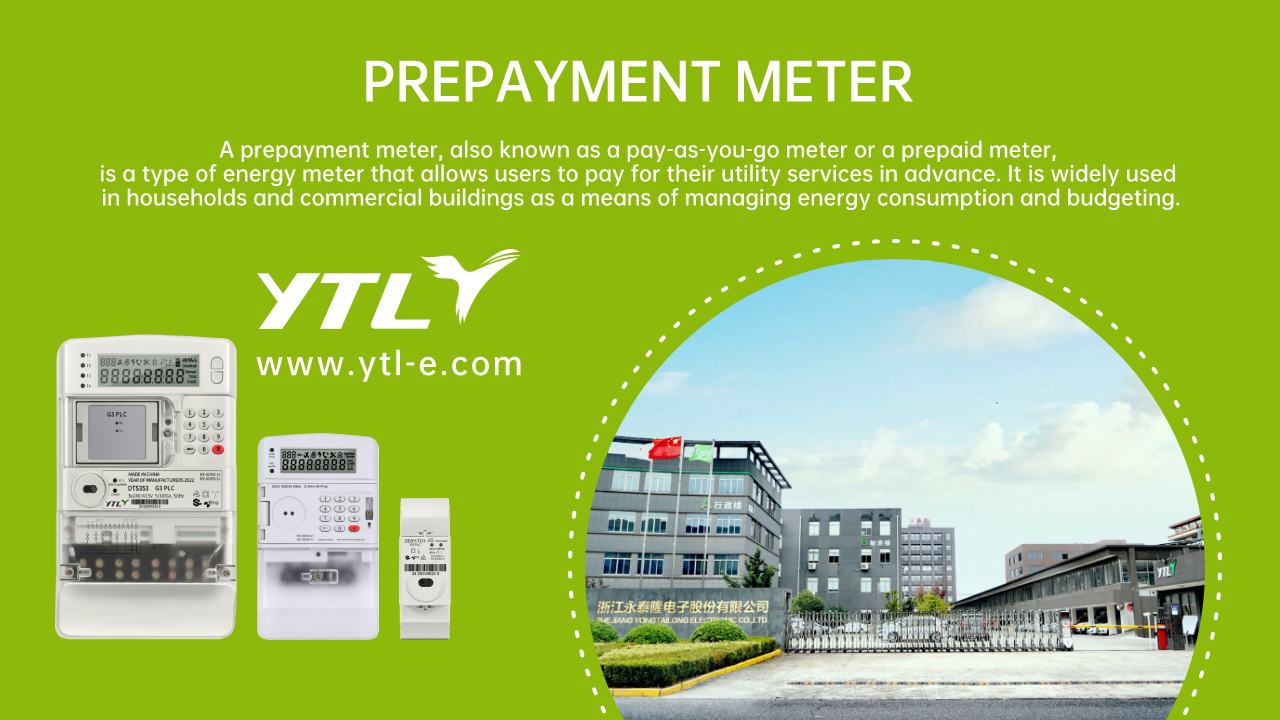
Visualized Energy Consumption: Management No Longer Relies on Guesswork
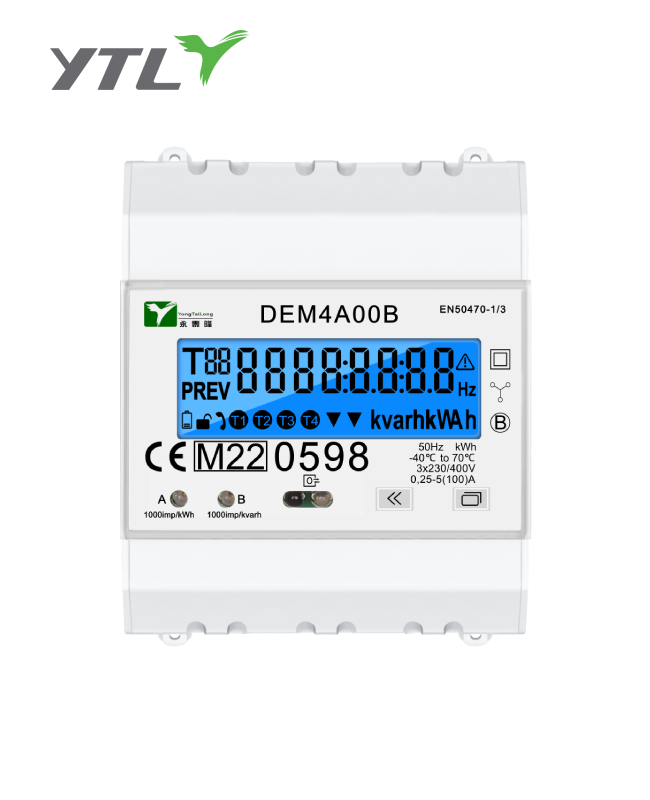
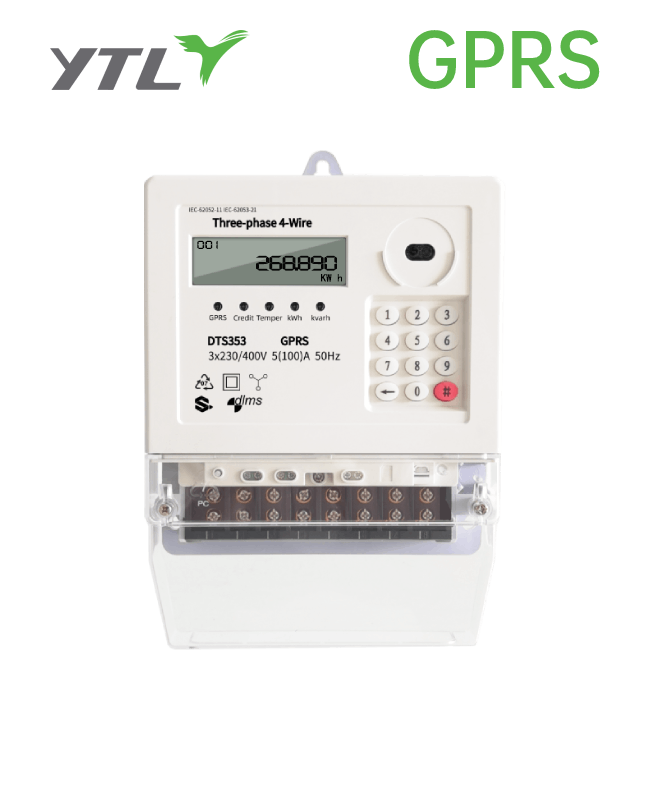
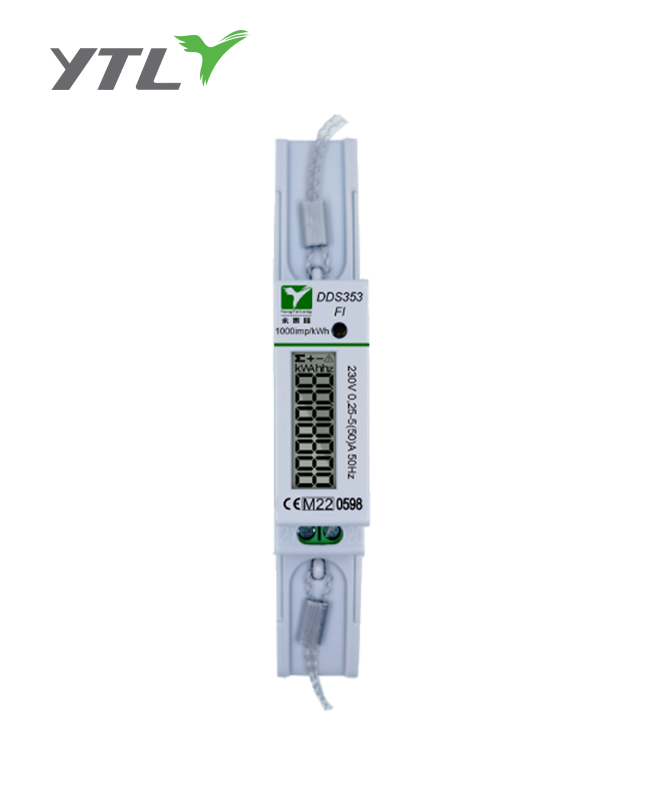
Traditional energy management depends on manual meter reading and post-payment bill analysis, making it impossible to grasp real-time energy consumption patterns. As a result, energy-saving measures often remain superficial. Smart electricity meters achieve full visualization of energy consumption: power usage data from different workshops, production lines, and even key individual equipment can be collected and transmitted to a management platform in real time.
Through intuitive charts and graphs, managers can clearly identify peak and off-peak energy consumption, accurately pinpoint wasteful areas, and provide a solid data foundation for energy-saving renovations.
Early Anomaly Detection: Avoid Hidden Waste
Smart electricity meters act as tireless “energy efficiency diagnosticians.” They automatically compare historical energy data and immediately issue alerts if energy consumption by a piece of equipment or during a certain period deviates from normal ranges.
For example, if abnormal power consumption is detected on a production line outside working hours—likely caused by idling equipment or inadequate maintenance—timely investigation can prevent substantial hidden waste. The meters also monitor power quality, detecting voltage fluctuations and harmonic pollution. These issues not only increase energy use but also shorten equipment lifespan; early intervention effectively reduces maintenance costs.

Long-Term Management: Build a Green Operation System
Smart electricity meters deliver more than one-off energy savings—they help enterprises establish a long-term energy management mechanism. They automatically generate multi-dimensional energy efficiency reports that clearly show the effects of energy-saving measures and quantify results through historical data comparison.
Based on this data, management can set scientific energy efficiency targets, assign responsibilities to specific departments, and motivate all employees to participate in conservation. Long-term accumulated energy data also supports decision-making for equipment upgrades and technical renovations, helping enterprises build a green, low-carbon operation system.