
 English
 简体中文
简体中文



The rapid development of electric vehicles (EVs) has placed higher demands on the metering accuracy, operational efficiency, and grid interaction capabilities of charging infrastructure. As an accurate energy data source, smart meter technology has been deeply integrated into all aspects of the charging ecosystem. From in-charger trade settlement to station-level energy management, it provides core support for the reliability, cost-effectiveness, and intelligentization of charging services.
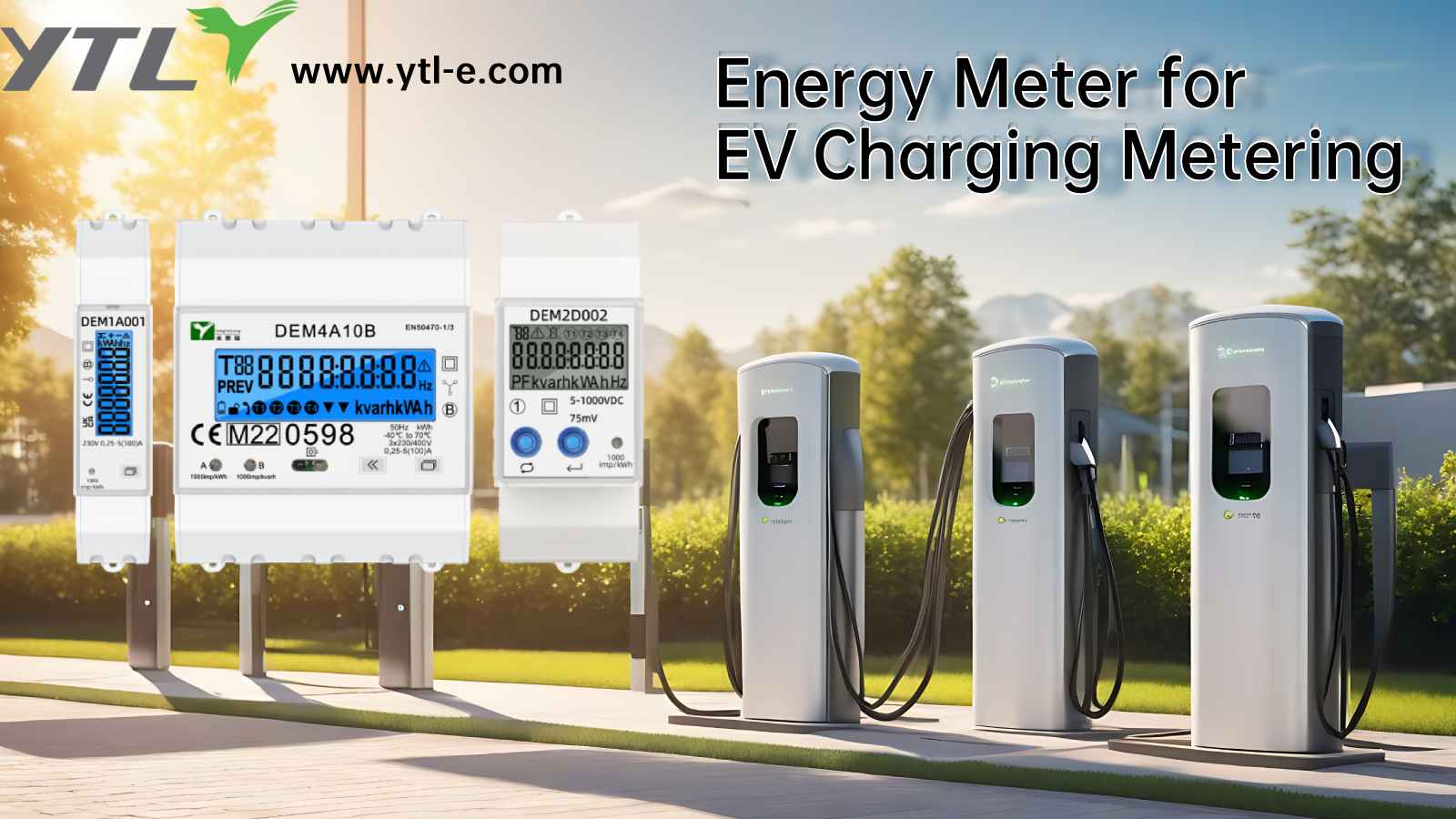
1. Built-in Metering in Charging Piles: The Trust Foundation for Trade Settlement
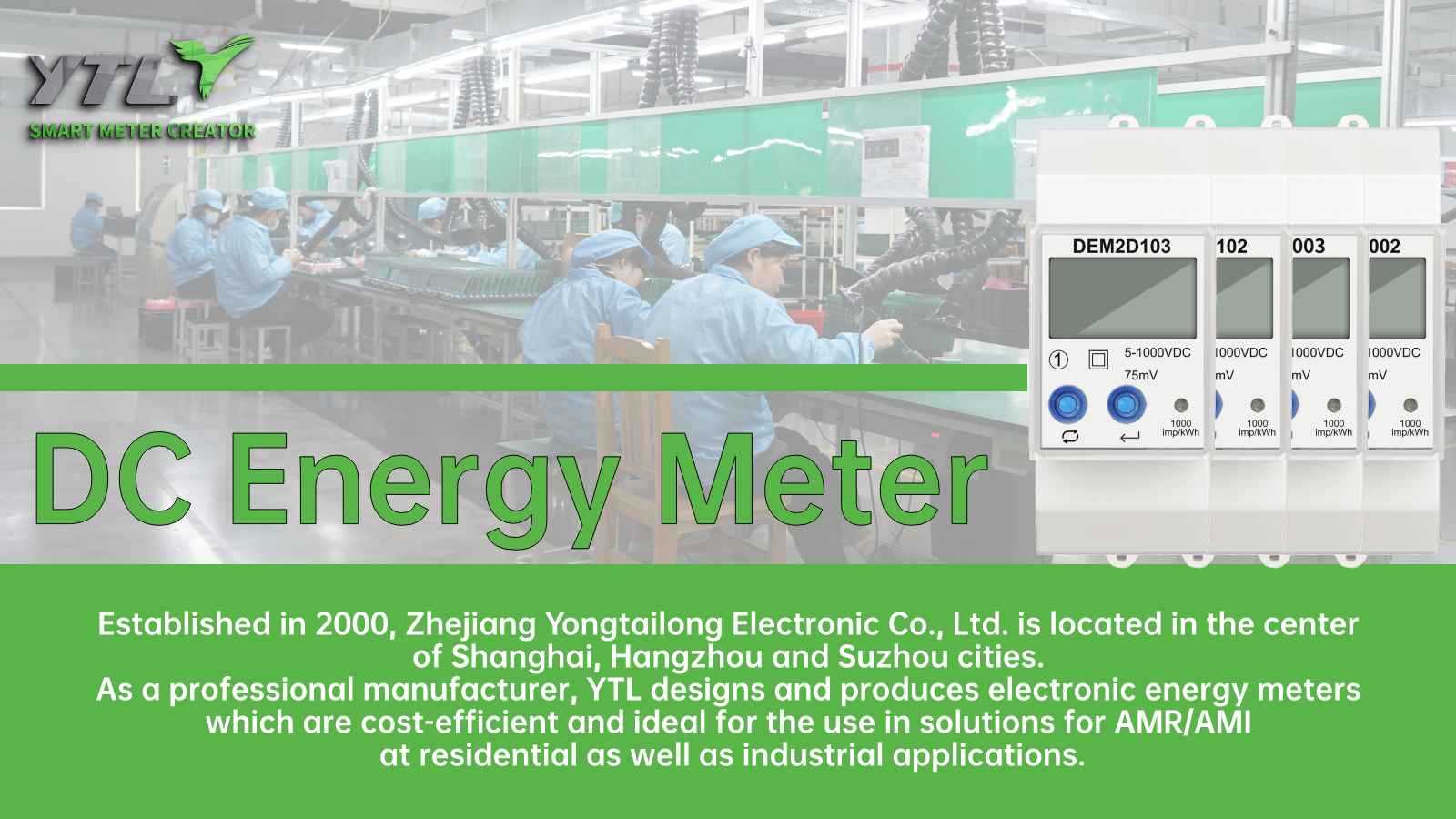
DC fast chargers must integrate high-precision, high-reliability DC energy meters as the sole legal basis for trade settlement between vehicle owners and operators. Their accuracy and stability directly relate to commercial fairness.
AC chargers also need to be equipped with precise AC metering modules. These built-in metering units comply with relevant international standards (such as MID, ANSI), ensuring that each charging transaction record is accurate, credible, and auditable.
2. Station-Level Energy Management: Improving Operation and Energy Efficiency
In residential communities, commercial buildings, or public charging stations, smart AC meters (main meters or branch meters) deployed on the power distribution side play a critical role:
Cost Accounting and AllocationMain meters measure the total power consumption of the station for settlement with the grid; branch meters monitor power usage in different charging areas or auxiliary equipment, enabling refined cost management.
Load Monitoring and Capacity ManagementReal-time monitoring of the main incoming load prevents transformer or line overload caused by simultaneous charging of multiple piles. Combined with dynamic power distribution strategies, the number of concurrent charging bays can be maximized without upgrading grid capacity.
Power Quality MonitoringAs non-linear loads, charging piles may cause power quality issues. Smart meters can monitor harmonics, voltage fluctuations, etc., providing diagnostic data for operation and maintenance.
3. Grid Interaction: Supporting Ordered Charging and Demand Response
Smart meters serve as a data bridge connecting charging loads and the grid dispatching system:
Data ReportingUpload real-time and aggregated charging load data to grid or energy aggregator platforms.
Supporting Response StrategiesReceive price signals or regulation commands during peak grid periods, assisting the charging pile operation management system in implementing ordered charging (V1G) or vehicle-to-grid (V2G) services. This stabilizes grid fluctuations and helps users gain electricity cost benefits.
4. Enhanced Safety and Reliability
Electrical Status MonitoringMeters continuously monitor voltage, current, frequency, and other parameters. The recorded data of overvoltage, undervoltage, overcurrent, imbalance, and other events provide important clues for diagnosing potential problems in charging equipment or distribution lines.
Data Security and IntegritySmart meters with security chips and encrypted communication ensure that metering data and remote control commands are tamper-proof and confidential during transmission.
Conclusion: From Isolated Metering to System Integration
In the EV charging ecosystem, meters have evolved from single metering devices into key data sensors and system integration nodes throughout in-charger settlement, station management, and grid interaction.
For charging pile manufacturers, choosing highly integrated and reliable built-in metering solutions reflects product compliance and quality. For operators and property owners, deploying smart meter systems with open communication protocols (such as DLMS/COSEM, Modbus TCP) is the foundation for building an efficient, flexible, and future-oriented charging energy management platform. We provide the precise, reliable, and interconnected metering solutions that support this transformation.
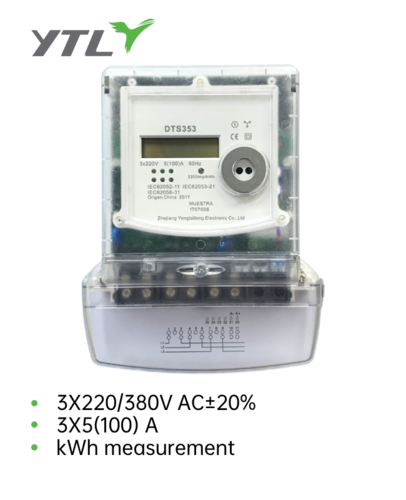
.png?imageView2/2/w/500/h/500/format/png/q/100 "YTL STS Prepaid Wi-Fine Energy Meter Single Phase Wall")
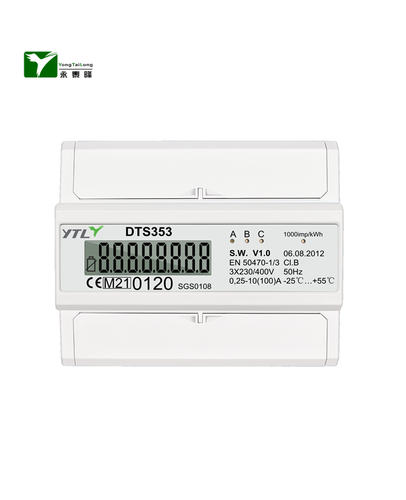
.jpg?imageView2/2/w/500/h/500/format/png/q/100 "YTL Company DTS353C DIN Rail 3P 4 Model Electricity Meter MID")