
 English
 简体中文
简体中文



Against the backdrop of the digital transformation of energy and the transition to a green and low-carbon economy, electric meters, as the key nodes connecting power grids, users and energy, are undergoing profound technological changes and functional restructuring. Product innovation of electric meter companies has long gone beyond the improvement of basic metering accuracy, and is developing rapidly towards a high level of intelligence, integration and platformization. These innovations are reflected not only in the performance breakthroughs of the hardware itself, but also in the soft power of creating new value for users through data and services, thus providing solid technical support for the construction of a new power system.
I. Precision and Wide-Range Breakthroughs in Metering Technology
Metering is the most basic function of an electric meter, and the focus of innovation lies in achieving the unification of higher accuracy, a wider measuring range and stronger environmental adaptability throughout the whole life cycle. With the advancement of semiconductor technology and signal processing algorithms, a new generation of smart meters adopts higher-precision metering chips and more advanced sensor technologies, enabling them to maintain excellent linearity and metering accuracy over a wide range from extremely light loads to instantaneous heavy loads. At the same time, to address the harmonic interference caused by complex power grid environments, innovative products generally integrate power quality monitoring functions, which can accurately analyze parameters such as harmonics and voltage sags, expanding metering data from a simple power value to a multi-dimensional dataset describing power quality. In addition, through the introduction of automatic temperature compensation technology and self-calibration mechanisms, electric meters can operate stably for a long time in various harsh environments, effectively resisting metering drift caused by component aging, ensuring the reliability and impartiality of data throughout the service life, and laying a solid foundation for accurate energy trade and energy efficiency auditing.
II. Integrated and Scenario-Based Expansion of Functional Positioning
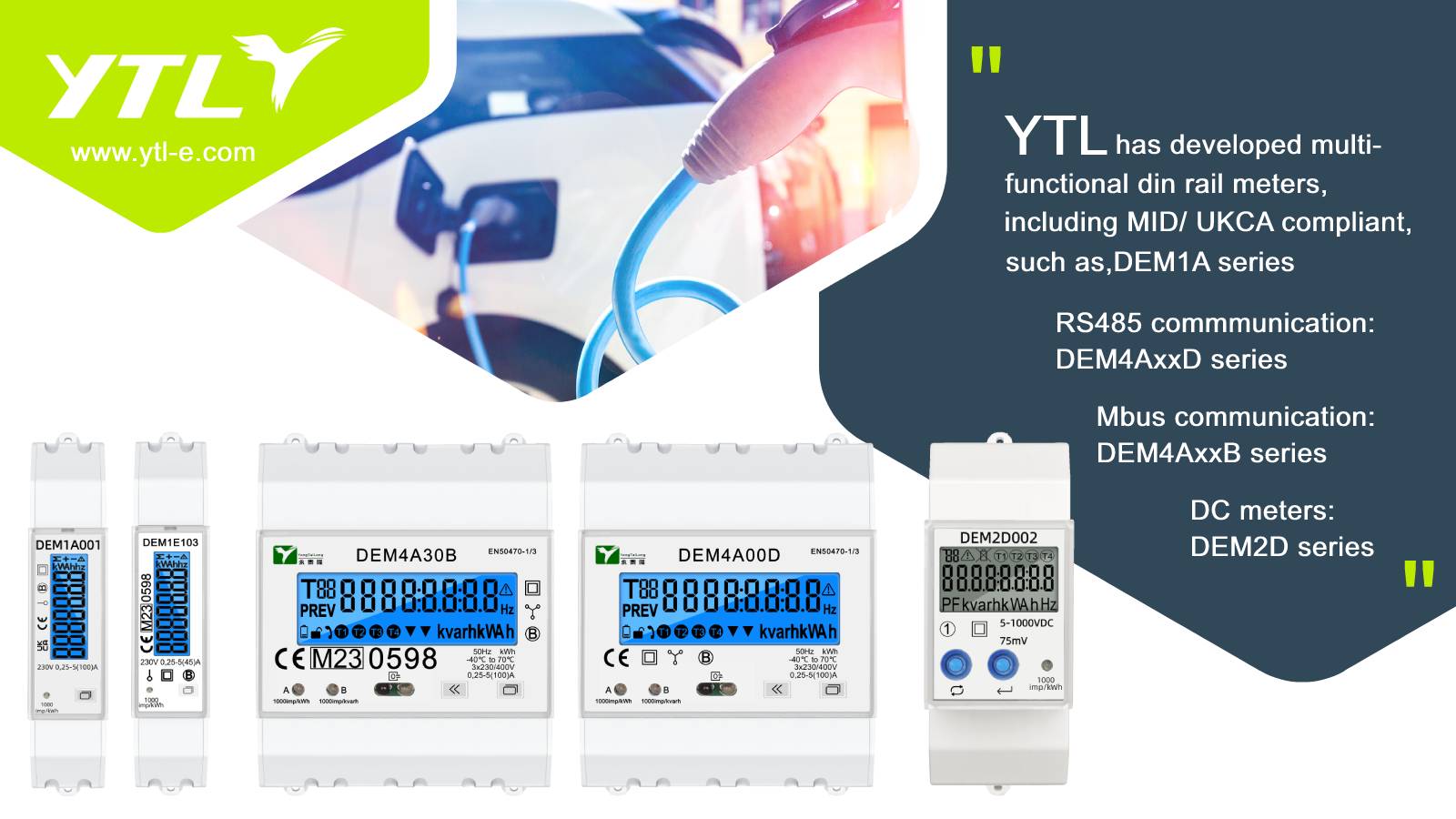
Product innovation of modern electric meter companies is committed to transforming electric meters from a single metering device into a comprehensive energy management terminal integrating metering, control, monitoring and communication. In terms of functional integration, prepayment, load control, anti-electricity theft and event recording have become standard configurations for mid-to-high-end electric meters. Cutting-edge innovations focus more on in-depth scenario-based adaptation. For example, DC electric meters specially designed for electric vehicle charging piles emphasize metering accuracy and two-way metering capability over a wide current range; electric meters optimized for distributed photovoltaic applications integrate the sub-item metering of power generation and consumption as well as net energy settlement functions. Meanwhile, the communication capability of electric meters has been strengthened unprecedentedly. The integration of a variety of wireless communication technologies such as NB-IoT, 4G/5G and LoRa enables massive electric meter data to be connected to cloud management platforms with low latency and high reliability, laying the foundation for subsequent data analysis and advanced applications. This highly integrated and scenario-based design allows electric meters to flexibly adapt to various complex application requirements from residential buildings to large industrial parks.
III. Platformization and Ecological Construction of System Architecture
The most forward-looking product innovation is reflected in the evolution from a single hardware device to a system-level solution with the collaboration of "terminal-pipe-cloud". Electric meter companies no longer only provide hardware products, but are committed to building an energy management cloud platform centered on data. As sensing terminals deployed on the user side, electric meters are responsible for collecting rich electricity consumption data; the cloud platform aggregates such data and transforms it into insightful information through big data analysis and artificial intelligence algorithms. For power grid companies, the platform can support load forecasting, line loss analysis and distribution automation; for industrial and commercial users, it can provide energy consumption analysis, demand management and energy-saving suggestions; for residential users, it can realize electricity inquiry, fault alarm and smart home linkage. Through open API interfaces, this platform-based architecture can realize data interconnection and business collaboration with third-party energy services, smart home systems, virtual power plant platforms and other entities, ultimately building a win-win energy service ecosystem.
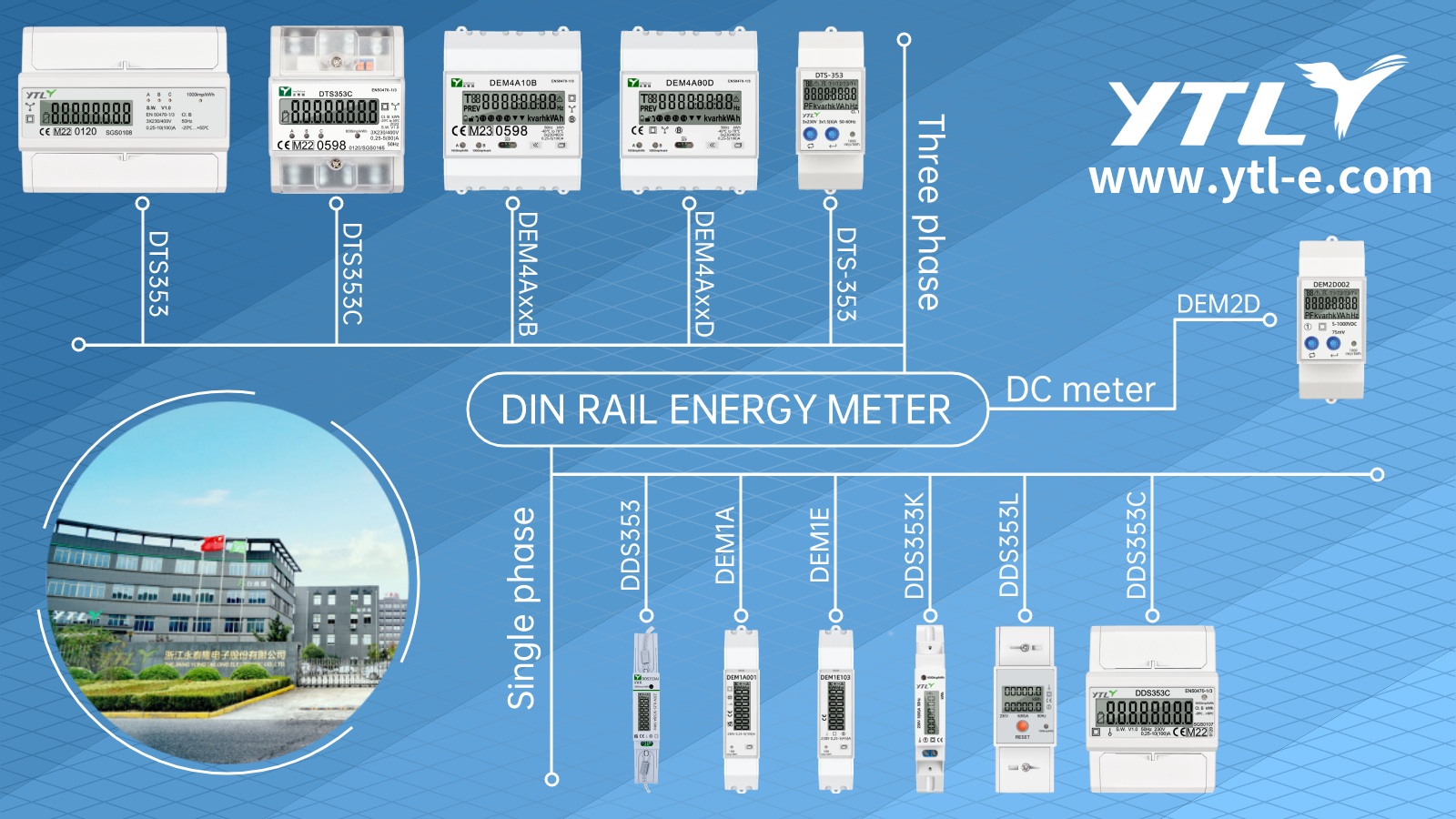
In summary, the product innovation of electric meter companies is a three-dimensional evolution path running through hardware, functions and systems. It has moved electric meters from the background to the foreground, and transformed them from simple metering instruments into key entrances and smart nodes of the energy internet. These innovations not only improve the accuracy and reliability of metering, but also provide a strong technological driving force and unlimited possibilities for the whole society to improve energy efficiency, optimize resource allocation and achieve the "dual carbon" goals by deeply exploring the value of data.