
 English
 简体中文
简体中文



In a photovoltaic (PV) power generation system, energy is produced in the form of direct current (DC) by PV modules. To go beyond basic grid-tied metering, achieve accurate evaluation of power plant performance, rapid fault location, and refined asset management, installing a dedicated DC energy meter on the DC side has become an industry best practice. Scientifically selecting a DC meter is a critical technical decision to ensure that PV assets meet expected power generation revenue and operational efficiency targets.
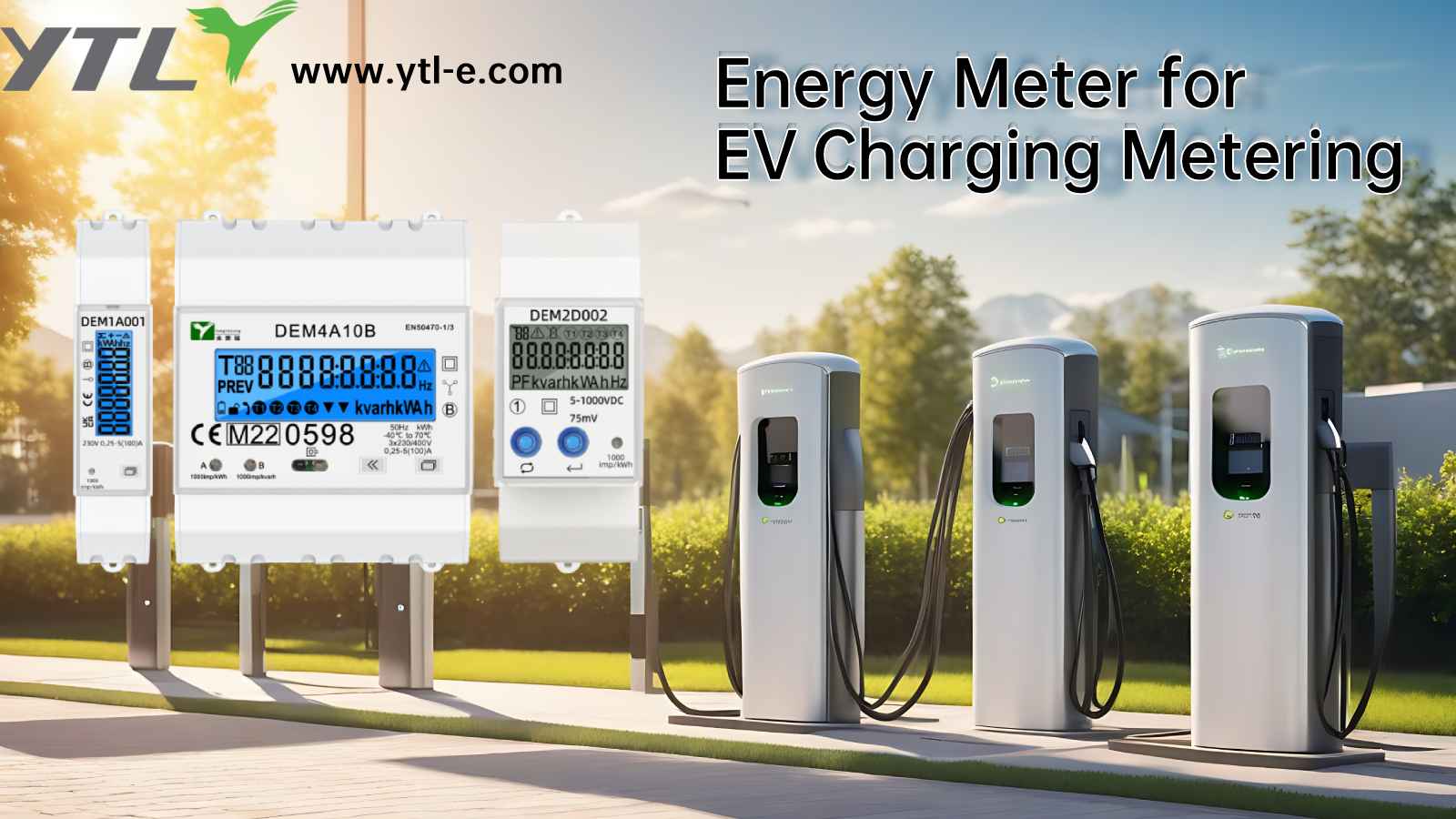
I. Core Value of DC Meters in PV Systems: From Metering to Insight
While the AC output side of the inverter handles metering for commercial settlement, DC-side metering extends the dimensions of power plant management to the system’s internal operations:
Quantify Performance Losses and Identify Efficiency BottlenecksTotal losses in a PV power plant are distributed across modules, DC cables, connectors, and inverter conversion processes. Meters on the AC side alone cannot distinguish the sources of these losses. The DC-side power generation data provided by DC meters, when analyzed in conjunction with AC-side data, serves as a key basis for quantifying DC circuit losses and evaluating inverter conversion efficiency, helping to accurately identify optimization priorities
Enable String-Level Health Monitoring and Predictive MaintenanceIssues such as string performance degradation, hot spots, potential-induced degradation (PID), and connection faults are directly reflected in the DC-side voltage, current, and I-V curve characteristics. Continuous monitoring via DC meters, combined with comparisons against theoretical values or adjacent normal strings, allows for early detection of abnormal branches. This shifts the maintenance model from reactive post-fault response to proactive pre-loss intervention, maximizing power generation revenue.
Provide Independent Data Sources to Support Asset Performance VerificationLong-term, reliable performance data is critical for power plant investors and asset managers. The raw DC-side power generation data provided by DC meters, which is unaffected by the inversion process, offers high independence and objectivity. It serves as an important reference for power plant performance verification, fulfillment of power purchase agreements (PPAs), and asset value assessment.
II. Six Core Considerations for DC Meter Selection
Current Range and Measurement Capability
- Range: Select based on the PV string’s maximum power point current (Imp) and short-circuit current (Isc). The rated current should be slightly higher than Imp, with a margin of approximately 20-30% to accommodate over-irradiance conditions. Avoid excessively large ranges, which can increase relative measurement errors under low irradiance.
- Measurement: The meter must accurately measure the DC average value, including signals with ripple. Pay close attention to the product’s accuracy specifications for DC components.
Voltage Rating and Safety
- Rating: The meter must fully cover the PV array’s maximum system voltage (e.g., 1000V or 1500V under IEC standards, or 600V/1000V under NEC standards) and possess a sufficient insulation voltage rating.
- Polarity: Wiring must strictly follow the terminal "+" and "-" markings. Some meters can display negative power or provide reverse connection alarms.
Accuracy and Long-Term Stability
- Accuracy Class: Class 1.0 is suitable for general monitoring; Class 0.5 is the mainstream choice for performance evaluation; for critical comparative tests, Class 0.2 is an option (in accordance with standards such as IEC 62053-41).
- Temperature Stability: Wide operating temperature range (e.g., -40℃ to +70℃) and low temperature drift coefficient are critical to ensuring long-term data reliability in harsh outdoor environments.
Protection Rating and Environmental Durability
- For outdoor installation (inside combiner boxes), the enclosure must have a protection rating of at least IP65to resist dust and water jets.
- Materials should be UV-resistant to withstand long-term outdoor exposure.
Communication Interfaces and Protocols
- Local Interface: RS-485is a reliable and cost-effective mainstream choice.
- Communication Protocol: Modbus RTUensures compatibility with most monitoring systems. For large-scale power plants or scenarios requiring advanced data models, the DLMS/COSEM protocol is a future-oriented option.
- Advanced Options: DC meters integrated with 4G/Cat.1/NB-IoT wireless communication are suitable for remote data collection in distributed rooftop PV systems.
Safety Certifications and Compliance
- Basic Safety Certifications: CE (EMC, LVD)and UL (or equivalent certifications) are prerequisites for entering European and American markets.
- Metering-Related Certifications (if applicable): If the data is used for internal settlement or performance guarantees, evaluate metrological certifications such as MID (Europe)or CPA (China).
- The product must comply with standards such as IEC 62053-41 (Static DC Energy Meters).
III. Recommendations for Installation, Calibration, and Data Application
- Installation Location: Typical positions include the combiner box output busbar or the inverter DC input main circuit. Ensure secure wiring with torque compliant with specifications to minimize contact resistance and thermal risks.
- On-Site Calibration: It is recommended to verify on-site accuracy using a traceable DC standard source during system commissioning and regular maintenance.
- Data Integration: Integrate DC meter data with string-level monitoring data (e.g., from smart inverters and optimizers) to build a multi-dimensional DC-side performance analysis platform, maximizing data value.
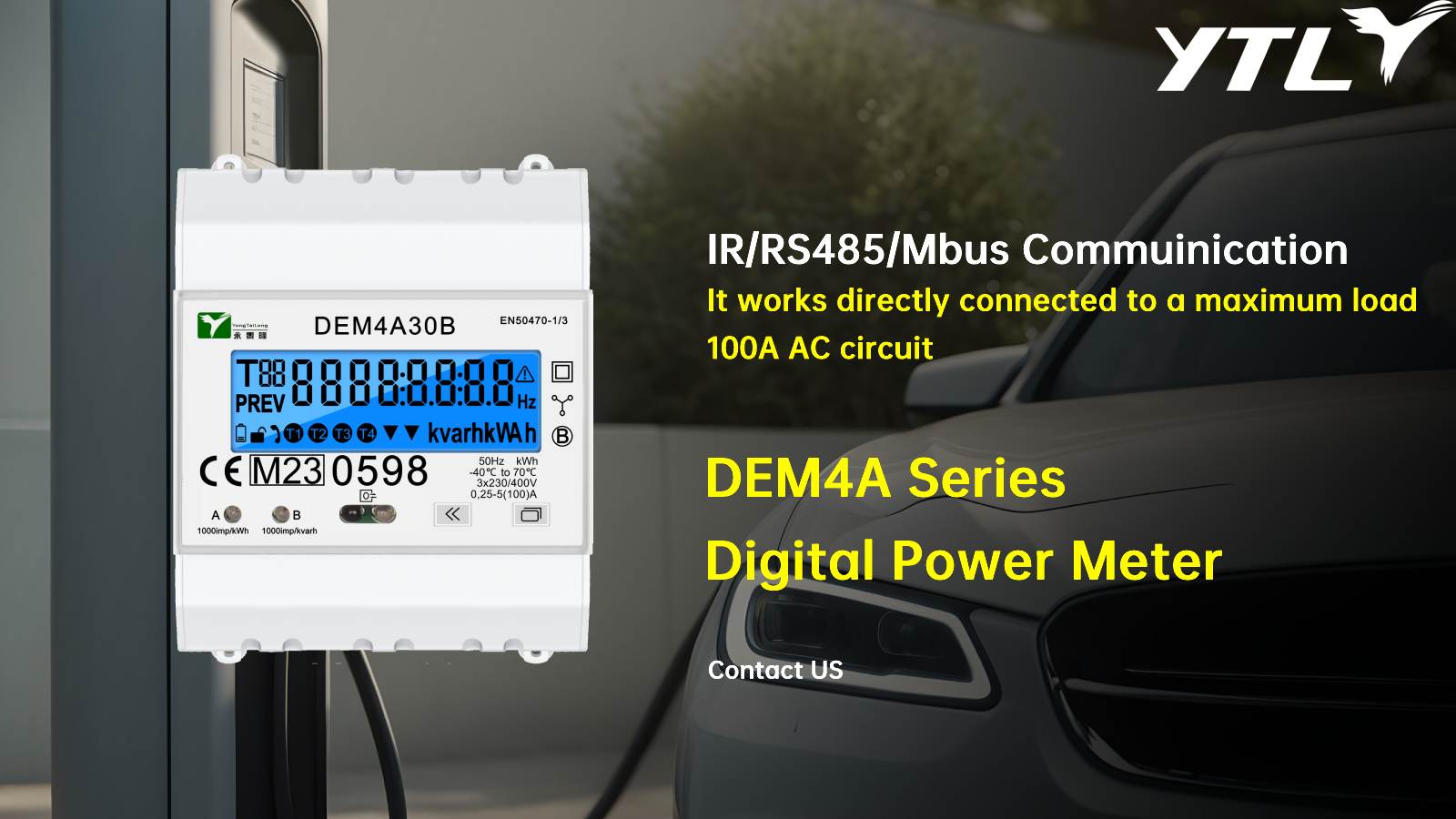
Conclusion: Empowering Refined and Digital Management of PV Assets
Selecting a DC meter for a PV array is essentially equipping the power plant with data sensors that detect DC-side energy flow and system health. DC meters are no longer peripheral accessories; they are core tools for achieving transparent asset management, refined operation and maintenance, and maximized revenue.
For power plant owners and operators, investing in a highly matched, reliable DC metering solution is an effective means to reduce the levelized cost of electricity (LCOE) and improve operational return on investment (ROI). For equipment manufacturers, offering a DC meter product line that meets global market compliance requirements, with excellent environmental adaptability and data reliability, is a strategic cornerstone for building a professional reputation and competitive advantage in the booming PV market.
.png?imageView2/2/w/500/h/500/format/png/q/100 "YTL STS Prepaid Wi-Fine Energy Meter Single Phase Wall")
.png?imageView2/2/w/500/h/500/format/png/q/100 "YTL China Single Phase IC card Prepayment Electricity Meter")
.png?imageView2/2/w/500/h/500/format/png/q/100 "YTL Single Phase Active Electronic Electricity Meter")