
 English
 简体中文
简体中文



When you notice an abnormal change in your electricity bill, it is only natural to question the metering accuracy of the electric energy meter. In fact, in the vast majority of cases, fluctuations in electricity bills stem from changes in electricity usage habits or the working status of electrical appliances. Modern smart energy meters all undergo strict inspections by state-authorized metrological verification institutions before installation, and their metering cores feature a high level of long-term stability.
As a manufacturer of electric energy meters, we understand your concerns. The following content is designed to provide you with a set of safe and simple preliminary self-check ideas and methods to help you troubleshoot electricity usage issues and resolve them through the correct channels when necessary. Please strictly abide by safety norms and do not disassemble the energy meter by yourself.
I. Establish a Rational Understanding: Common Causes of Increased Electricity Bills
Before doubting the energy meter, it is recommended to first check the following more common situations:
- Seasonal changes in electricity load: The use of air conditioners in summer and heating equipment in winter will significantly increase electricity consumption.
- New electrical appliances or changed usage habits: The addition of high-power electrical appliances (such as electric ovens and instant water heaters) or increased time spent at home.
- "Invisible" standby power consumption: Long-term standby of set-top boxes, routers, chargers, home appliances with displays and other devices may result in considerable cumulative power consumption.
- Aging of electrical appliances or line problems: Reduced efficiency of electrical appliances and aging insulation may lead to additional power consumption or slight electric leakage.
II. Four-Step Safe Self-Check Method (Preliminary Non-Professional Judgment)
Step 1: Basic Observation – Check the Appearance and Indicators of the Energy Meter
Check the seal: Verify that the lead seal affixed by the power supply department on the energy meter is intact and undamaged. The seal is an important guarantee for metrological impartiality.
Check the indicator light (key step):
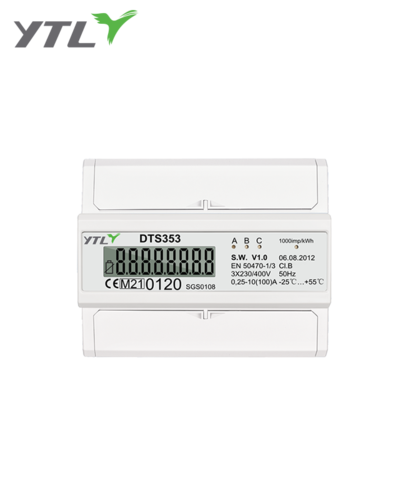
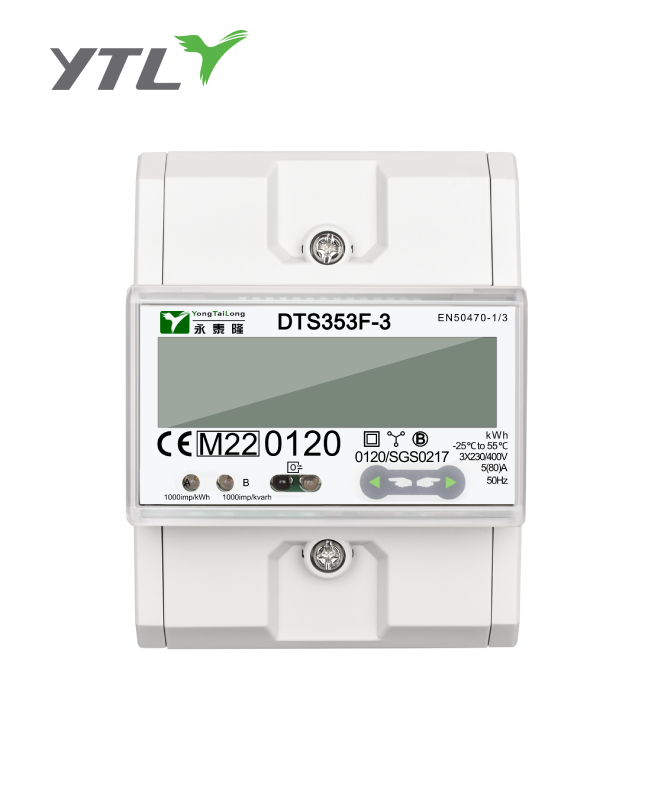
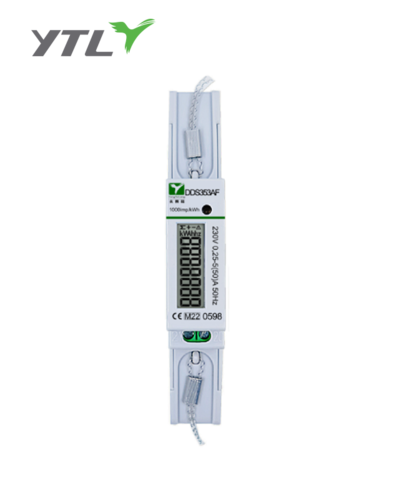
- Locate the pulse indicator light for electricity metering (usually marked with "kWh" or an energy symbol, often red).
- Simple test: Turn off all electrical appliances in the home (including unplugging the plugs of devices that may be on standby) under the premise of ensuring safety, and observe this pulse light carefully.
- Normal condition: Due to the extremely low power consumption of the energy meter itself, the pulse light will flash only once after a long period (e.g., more than ten minutes) or almost not flash at all.
- Condition requiring attention: If the pulse light continues to flash rapidly and regularly (e.g., once every few seconds) after all electrical appliances are turned off, there may be an unknown load or a situation that needs further inspection.
Step 2: Rough Power Estimation Method – Verify the Metering Trend of the Energy Meter
This method is used to roughly judge whether the energy meter's metering is within a reasonable trend.
- Record the current total electricity reading (kWh) of the energy meter.
- Turn on an electrical appliance with stable power and a clearly marked nameplate (such as a 1000W electric kettle), and ensure all other electrical appliances are turned off.
- Let the appliance run for an accurate period of time (e.g., 30 minutes, i.e., 0.5 hours).
- Turn off the appliance and immediately record the new meter reading and the actual running time.
Calculation and comparison:
- Theoretical power consumption = Rated power of the appliance (kW) × Usage time (h) (e.g., 1kW × 0.5h = 0.5 kWh)
- Metered electricity increment = Ending reading - Starting reading
Analysis: Considering the actual power fluctuation of the appliance and the allowable metrological range, the two values can be regarded as a normal trend if they are roughly consistent (the difference is usually within a few percent). If the difference is significant (e.g., more than 10%), repeat the test to confirm.
Step 3: Data Cross-Validation (If Applicable) – Utilize Smart Energy Meter Data
If you can view real-time data through the official app of the power supply company (e.g., "State Grid Online"):
- Check the "real-time power" display.
- Turn on large household electrical appliances one by one and observe whether the power increase shown on the app is roughly consistent with the rated power of the appliances. This helps you understand the actual power consumption of each electrical appliance.
Step 4: Troubleshoot Hidden Electricity Usage
If the above checks show the energy meter's trend is normal but the electricity bill is still high, the focus should shift to the electricity consumption side:
- Reduce standby power consumption: Use power strips with switches to completely turn off groups of unused electrical appliances.
- Check for electric leakage hazards: If the residual current circuit breaker at home trips frequently, or you suspect electric leakage for safety reasons, contact a professional electrician for inspection and do not handle it by yourself.
III. When and How to Seek Official Assistance?
You may consider contacting the local power supply company if you find the following persistent and clear signs through self-check:
- The electricity pulse light of the energy meter flashes rapidly and regularly after all loads are turned off.
- Repeated tests using the rough power estimation method show a huge and consistent deviation.
- The energy meter has physical abnormalities such as garbled display, damaged screen, abnormal noise, peculiar smell, etc.
Important Reminder: Compliance Appeal is the Only Valid Channel
- Do not disassemble or assemble the meter by yourself: Electric energy meters are metrological assets managed by power supply companies; private operation is an illegal act and extremely dangerous.
- Contact customer service: Report objective phenomena (rather than self-diagnosed conclusions) to the power supply company through official channels (e.g., hotline, business hall) and apply for the inspection of the energy meter.
- Trust the official process: The power supply company will arrange inspections in accordance with national metrological laws and regulations. The inspection process is impartial and the results have legal effect.
IV. Conclusion: Smart Electricity Use Starts with Understanding
The electric energy meter is a bridge of credibility connecting you with power supply services. We hope that through the above knowledge, you can better understand the electricity usage in your home and eliminate unnecessary doubts. Most questions about electricity bills can be answered by analyzing electricity usage habits. Developing scientific electricity usage habits is the most effective way to manage household energy costs.
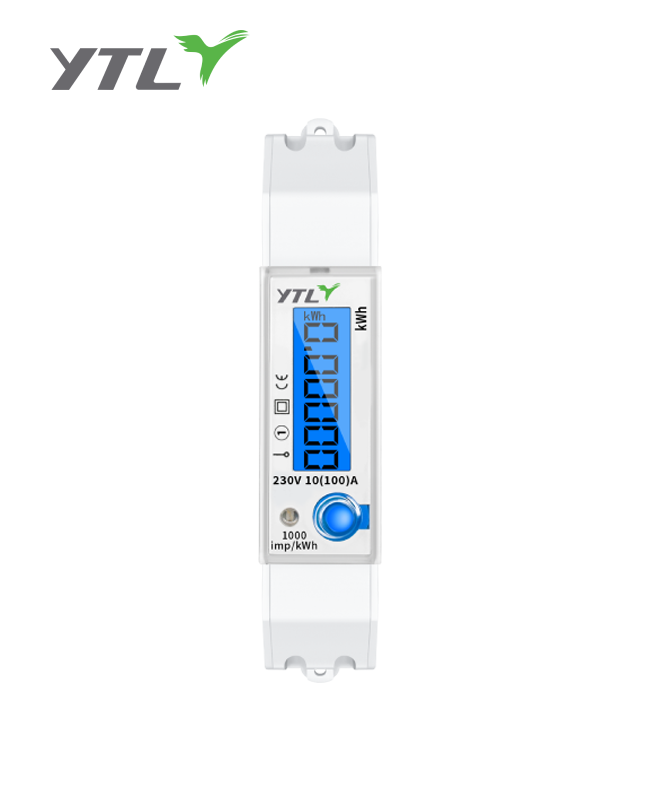
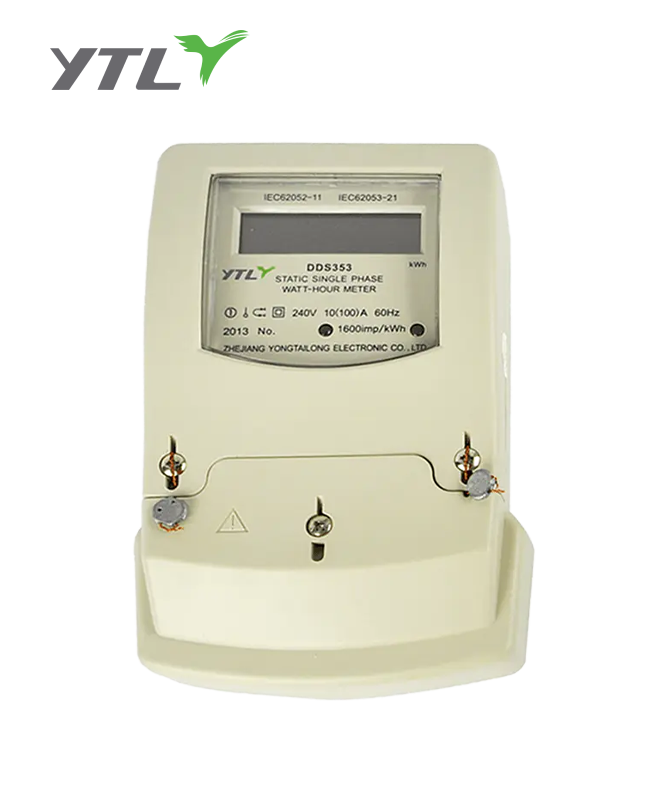
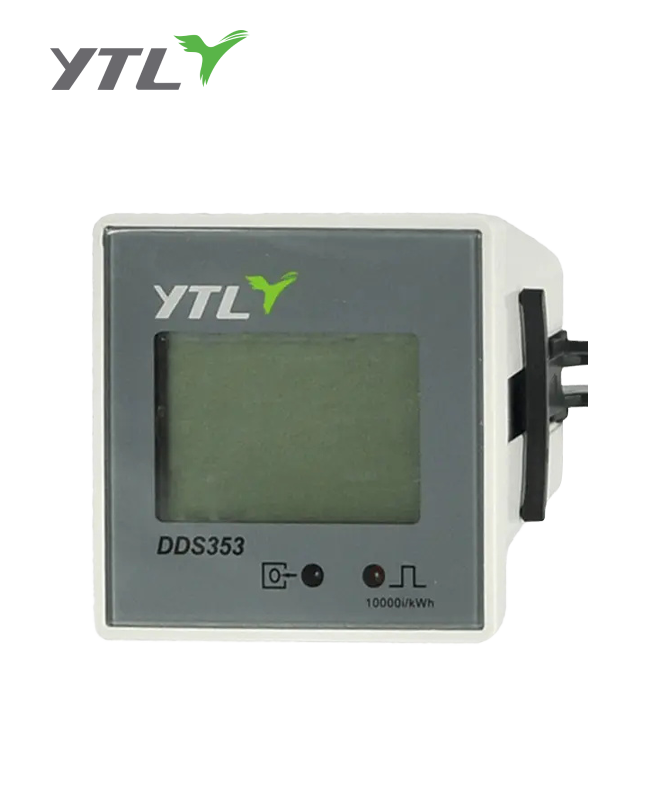
.png?imageView2/2/w/500/h/500/format/png/q/100 "YTL Single Phase Active Electronic Electricity Meter")