

 English
 简体中文
简体中文



The popularization of smart meters goes far beyond the upgrade of a mere metering tool. As intelligent nodes and data sources deployed at the grid edge, they are redefining the boundaries of power services, providing critical support for the transformation of power supply enterprises, industrial and commercial users, and the entire power system.

1. For Power Supply Enterprises: Improving Operational Efficiency and Customer Service Capability
Operational Modernization
Supported by high-speed and stable communications (such as HPLC/RF), smart meters enable remote automatic meter reading, completely replacing manual meter collection. This improves data accuracy and timeliness while significantly reducing operating costs.
Refined Services
They support the "remote fee control" model, realizing online payment, balance alerts, and remote connection/disconnection, which greatly enhances user experience and reduces arrears and collection disputes. Meanwhile, they serve as accurate data execution and verification tools for the implementation of refined policies such as time-of-use electricity pricing and demand response.
Grid Awareness and Resilience
Data reported by smart meters—including voltage, current, and event records—forms a "nerve ending" sensing network for low-voltage distribution grids. This helps locate faults quickly, monitor power quality, optimize load distribution, and improve power supply reliability and operation and maintenance efficiency.
2. For Industrial and Commercial Users: Achieving Transparent and Controllable Energy Costs
Cost Transparency and Allocation
By deploying a cluster of smart meters, enterprises can implement hierarchical metering for main incoming lines, departments, workshops, and even key equipment. This provides a clear picture of energy consumption structure and accurate data for internal cost accounting and energy-saving assessment.
Foundation for Energy Efficiency Management
High-frequency power consumption data (load profiles, demand values) forms the basis for energy efficiency analysis, identifying no-load or inefficient equipment operation, and optimizing production scheduling. Combined with an energy management system, enterprises can effectively tap energy-saving potential and reduce operating costs.
Adaptation to New Consumption Models
Smart meters provide precise metering and monitoring for industrial and commercial users equipped with photovoltaic systems, energy storage, and electric vehicle charging facilities, helping them achieve green energy consumption and lower electricity expenses.
3. For Energy System Transition: Supporting Distributed Energy and Interactive Ecosystems
Gateway for New Energy Integration
Smart meters and their communication systems serve as critical metering and communication infrastructure for managing distributed photovoltaic power generation and enabling "self-consumption with surplus power fed back to the grid," ensuring accurate bi-directional energy metering and safe grid connection.
Foundation for Grid Interaction
As end devices connecting thousands of households, smart meters represent the basic physical layer for advanced applications such as virtual power plants (VPPs) and load aggregation in the future. They enable massive distributed resources to participate in grid interaction, enhancing system flexibility and renewable energy accommodation capacity.
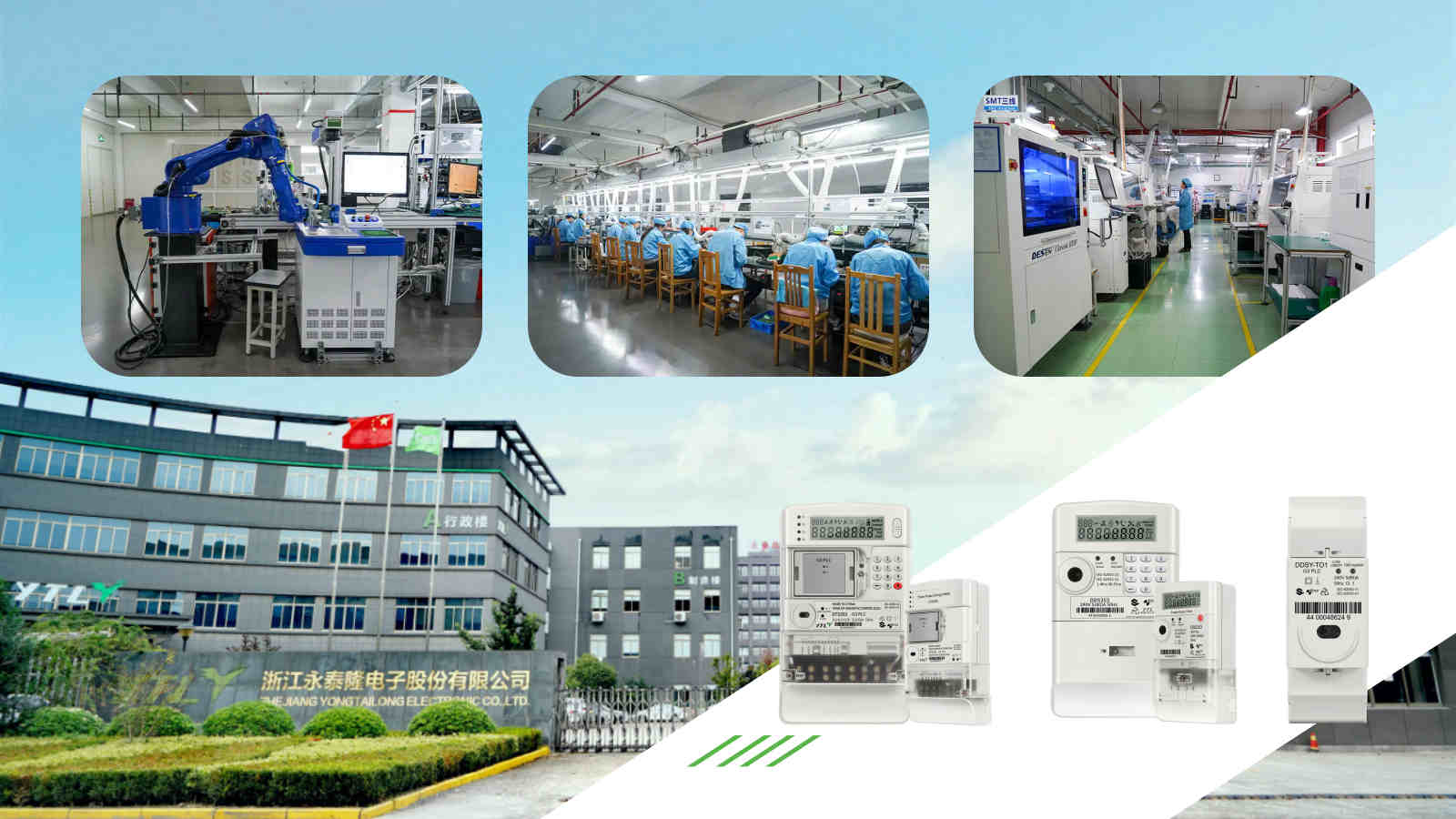
Conclusion: From Metering Tool to Energy Data Service Platform
At its core, the smart meter is an open and trusted energy data service platform. Its value continues to grow as upper-layer applications expand.
For meter manufacturers, our core mission is not only to provide high-precision, highly reliable metering hardware, but also to lay a solid foundation for partners (power grid companies, integrators, software developers) to build a prosperous energy service ecosystem—through open standard protocols (such as DLMS/COSEM), powerful edge computing capabilities, and stable communication modules.
Choosing to cooperate with professional manufacturers means choosing core data assets that can evolve continuously with energy transition, deliver trustworthy data, and support system integration.
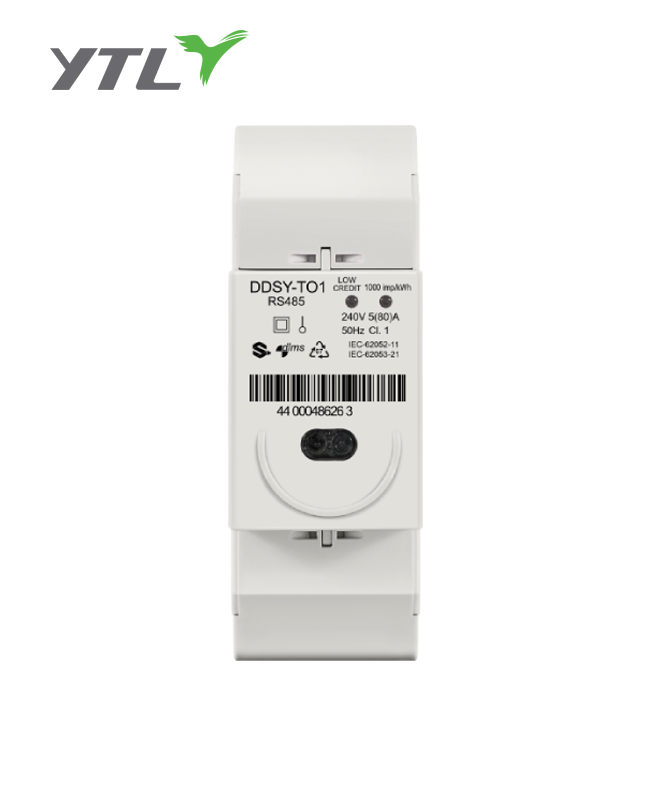
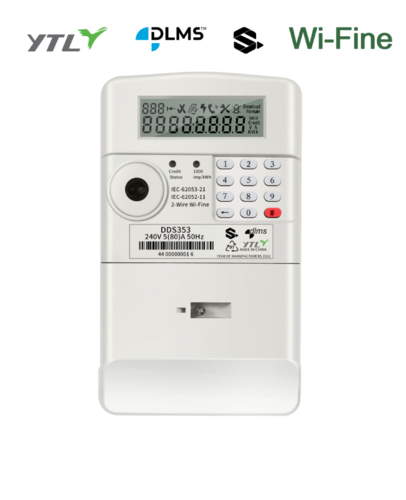
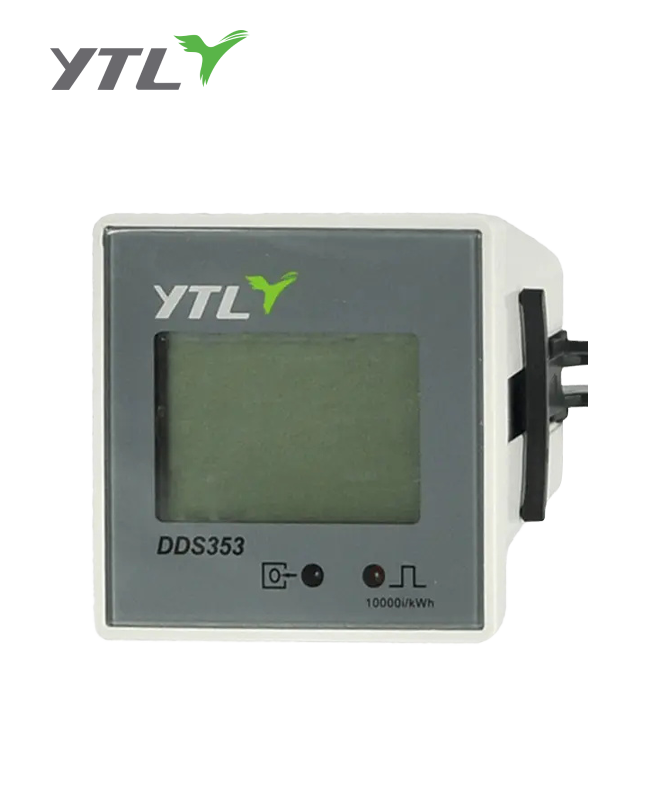
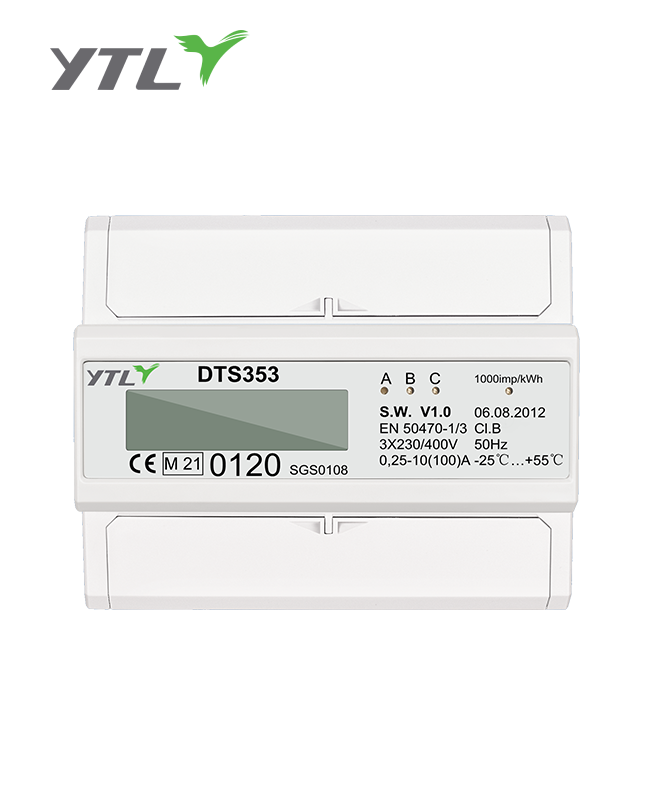
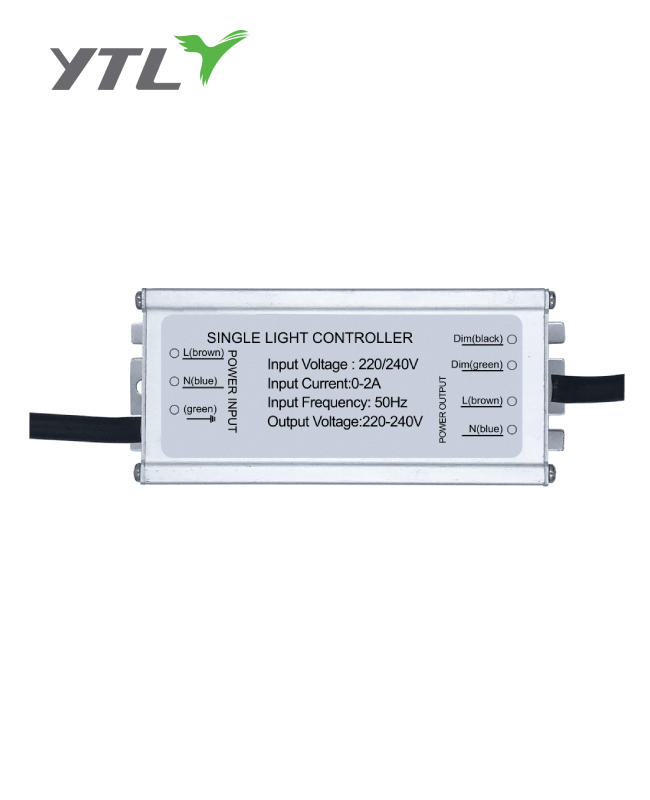
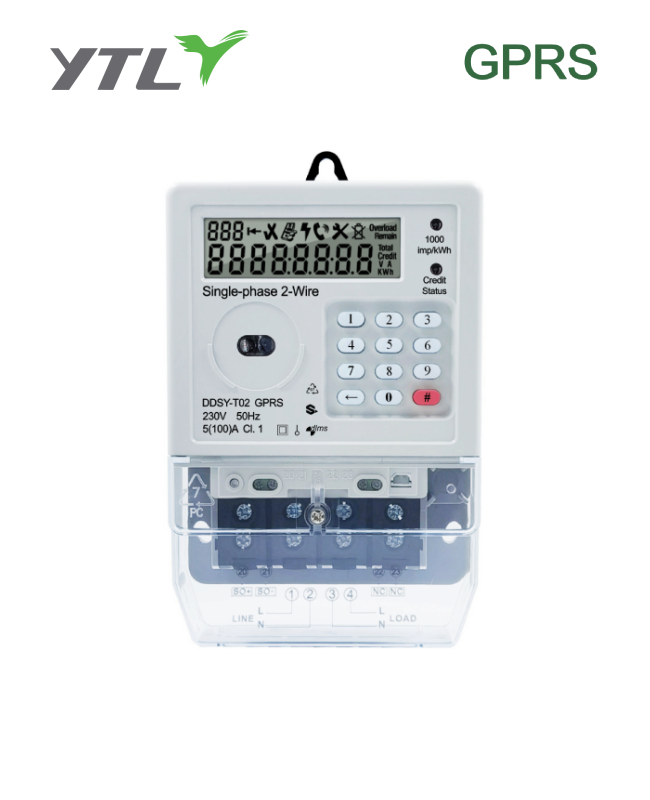
.png?imageView2/2/w/500/h/500/format/png/q/100 "YTL STS Prepaid Wi-Fine Energy Meter Single Phase Wall")
.png?imageView2/2/w/500/h/500/format/png/q/100 "YTL Two Phase Three Wire Big counter Electricity Meter")
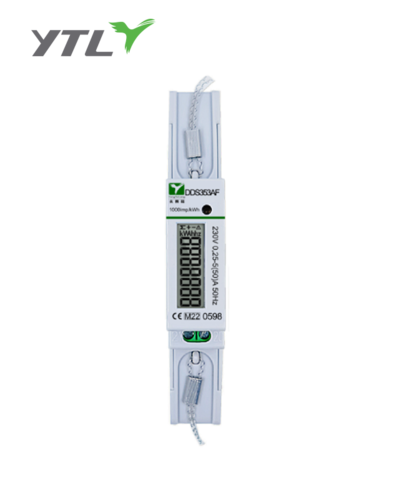
.png?imageView2/2/w/500/h/500/format/png/q/100 "YTL Single Phase Active Electronic Electricity Meter")