
 English
 简体中文
简体中文



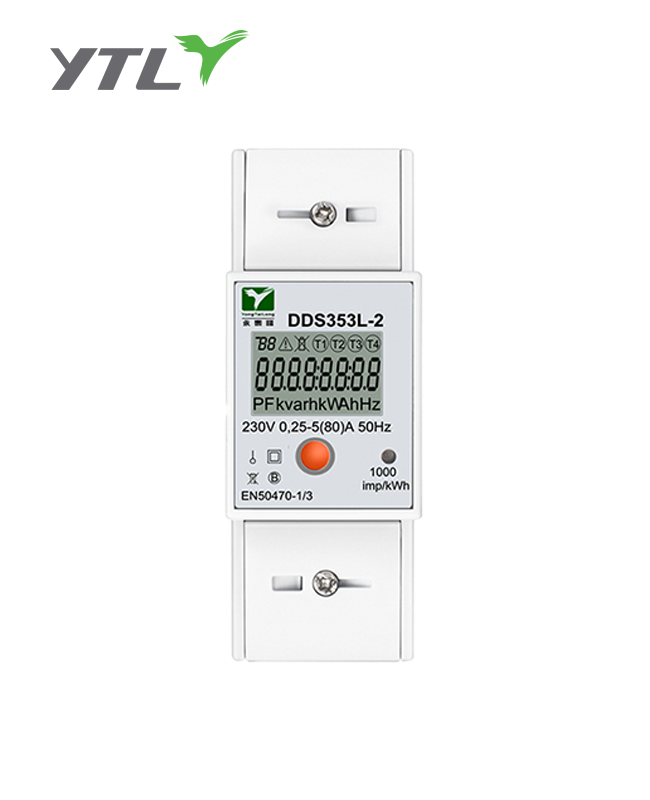
In the corner of every home and the distribution box of every shop sits a precision measuring instrument—the electric energy meter. It silently records the flow of electric power. From mechanical gears in the industrial age to intelligent chips in the information age, its evolution is a miniature history of energy management technology. Today, we explore how this device has evolved from a simple metering tool into a critical data node in the modern energy system.

The Mechanical Era: The Foundation of Metering in Rotating Gears
In the early days of commercial electricity popularization, the induction (electromechanical) energy meter became the standard. Its core principle is based on electromagnetic induction: an alternating magnetic field is generated as current passes through copper coils, driving an aluminum turntable to rotate. A gear mechanism converts rotations into energy readings. Rugged and reliable, this device provided the initial trusted yardstick for electricity trade. The presence of meter readers also became a distinctive memory of that era.
The Electronic Era: Precision and Functional Innovation Brought by Digitization
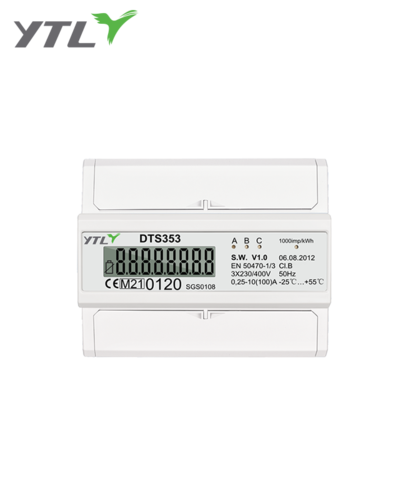
The emergence of the electronic energy meter marked a major leap forward. It uses precision resistor divider networks and manganin shunts for high accuracy signal sampling, with a dedicated application specific integrated circuit (ASIC) performing digital multiplication and integration of voltage and current signals to directly calculate electric energy. This delivers higher accuracy classes and wider measuring ranges.With embedded clock chips, time of use multi rate meters became possible, providing an indispensable technical foundation for implementing peak valley electricity pricing and balancing grid loads. Electronic energy meters were the undisputed mainstay during China’s large scale “one meter per household” grid upgrade.
The Smart Era: Toward Two Way Communication and Data Services
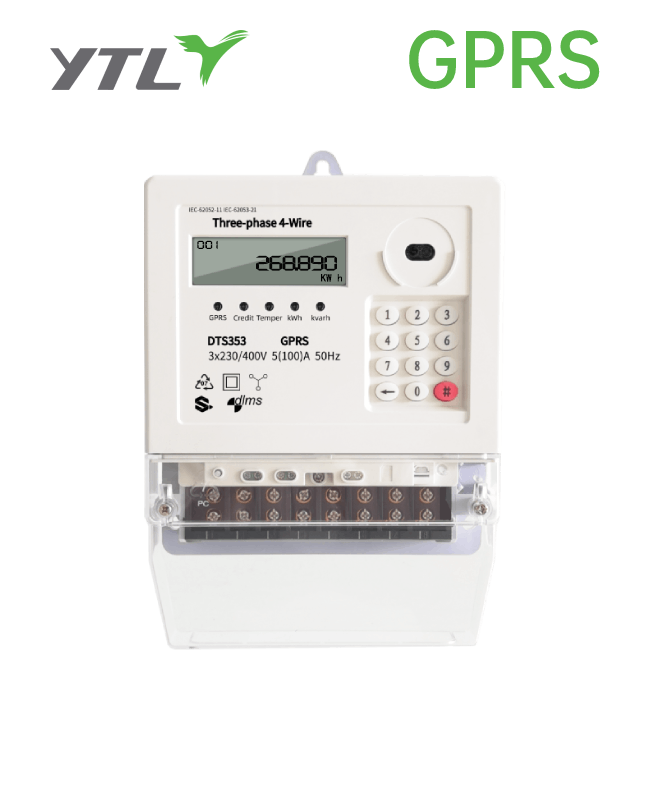
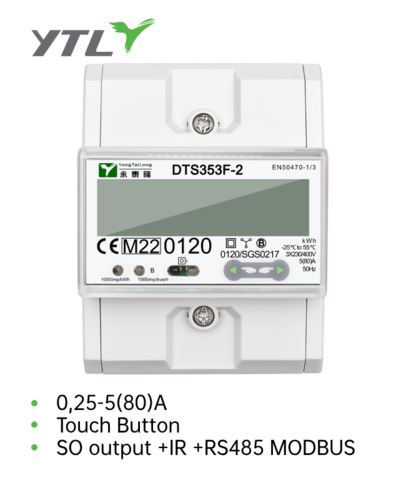
Modern smart energy meters are defined by built in standardized communication modules and support for remote configuration and management, taking them far beyond basic metering:
- For grid operators: They enable automatic meter reading (AMR), greatly improving operational efficiency. As terminals in an advanced metering infrastructure (AMI), they support load monitoring, remote payment control, fault detection, and more.
- For end users: Through supporting mobile apps or web portals, users can view near real time electricity data and recharge online (prepaid mode), significantly improving the user experience.
- For distributed energy: Smart meters with bi directional metering accurately measure grid feed and consumption of power from solar PV and other distributed generation systems, making them key to supporting net metering policies.
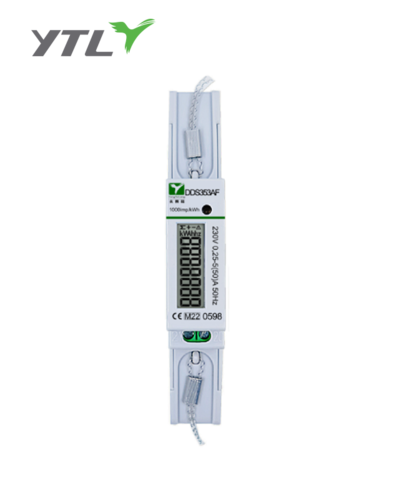
- For energy efficiency management: They provide accurate data sources for sub metering in commercial buildings, forming the basis for energy audits and energy saving optimization.

Future Outlook: In Depth Value Creation Through System Collaboration
The future value of smart meters will lie increasingly in synergy with other parts of the energy system:
- As a high density data source: High frequency voltage and current data, analyzed by back end master station systems, can be used for power quality monitoring, non intrusive load monitoring (NILM), and abnormal electricity use identification (such as electricity theft detection).
- As a flexible control terminal: In demand response (DR) programs, they can receive back end commands and remotely regulate controllable loads such as air conditioners.
- As a node for inclusive energy access: In remote microgrids, combined with dedicated communication solutions such as radio frequency and satellite communications, they enable reliable monitoring of dispersed users’ electricity consumption and new energy output.
From mechanical counting to intelligent interconnection, the century long evolution of the electric energy meter reflects humanity’s shift from extensive energy use to refined management. Standing quietly in the corner, it serves as a bridge connecting the power grid and users, the physical world and the digital world.Next time you pass a distribution box, you will no longer see just a simple counter—but a microcosm of the digitalization and intelligentization of the entire modern energy system.