
 English
 简体中文
简体中文



Smart meters are transforming the way we manage energy. But what exactly are they, and why are they so important? Let's dive in!
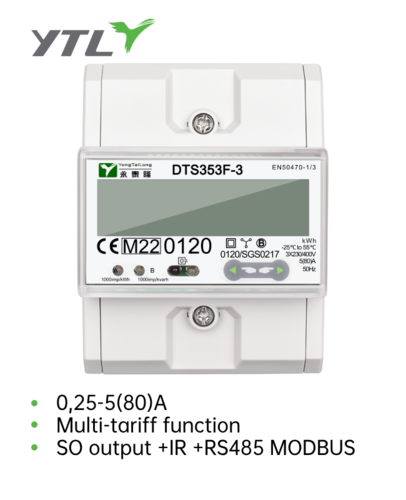
A smart meter is a digital device that measures and records your electricity, gas, or water consumption in real - time. Unlike traditional meters that require manual readings, smart meters automatically send this data to your utility company. This not only saves time but also ensures more accurate billing.
How do they work? For electricity smart meters, sensors measure the voltage and current flowing through your electrical circuit. By multiplying these values, the meter calculates your power consumption (measured in watts). Over time, it determines your total electricity usage (in kilowatt - hours). Gas and water smart meters use flow sensors to measure the volume of gas or water passing through. The smart meter then calculates energy consumption based on this volume and the energy content of the respective source.
The benefits of smart meters are numerous. For consumers, they provide real - time information about energy usage. With an in - home display, you can see exactly how much energy you're using and how much it's costing at any given moment. This allows you to make more informed decisions and actively reduce your energy consumption, potentially saving you money on your bills.
For the energy industry, smart meters play a crucial role in building a smart grid. They enable utilities to monitor and manage the power distribution more effectively, improving the reliability and efficiency of the energy system. They also help in integrating renewable energy sources, as the real - time data helps balance supply and demand.
In conclusion, smart meters are a win - win for both consumers and the energy sector. They empower us to take control of our energy use while contributing to a more sustainable and efficient energy future. Are you ready to embrace the smart meter revolution?
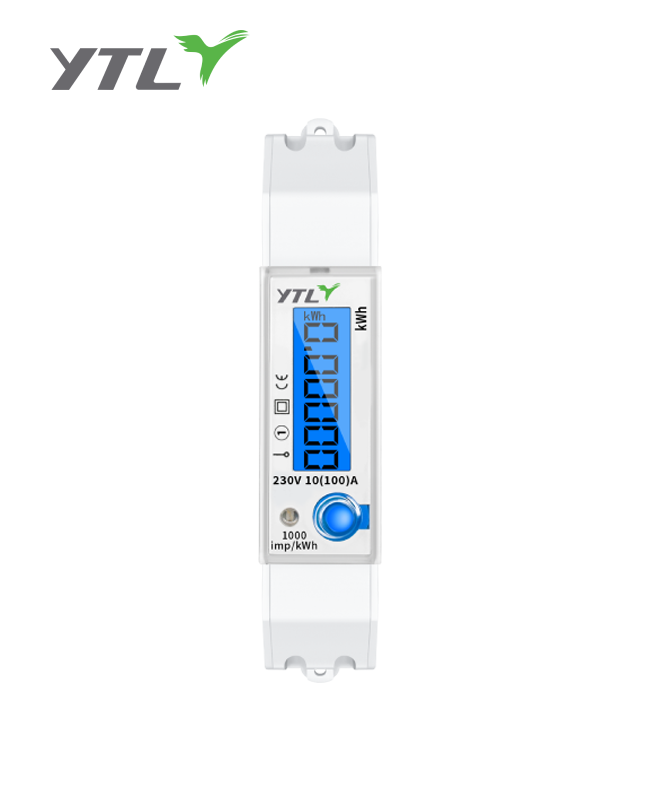
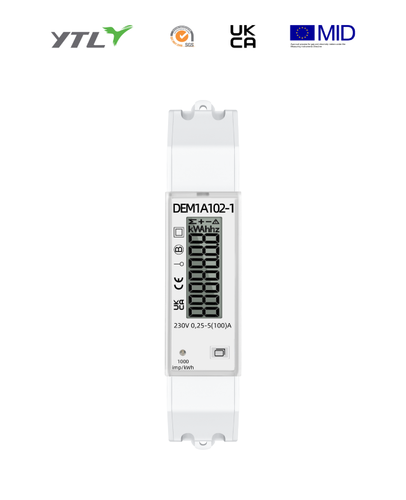
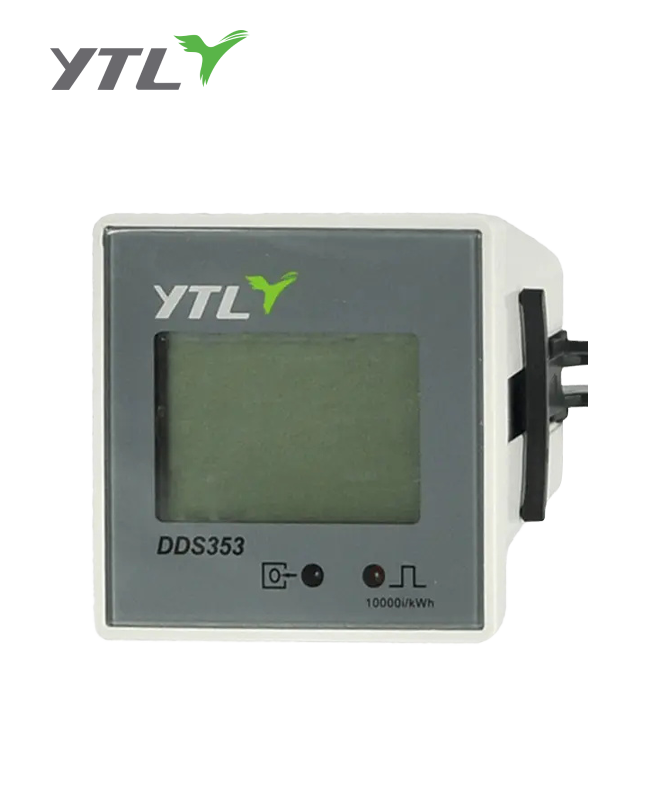
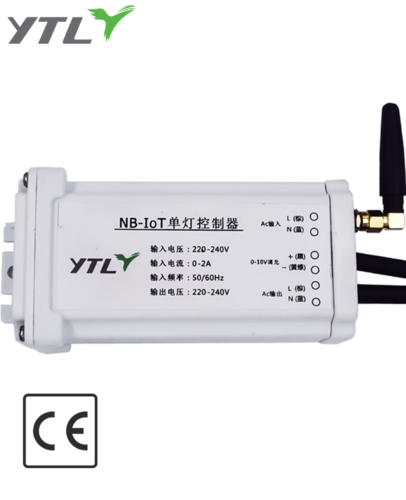
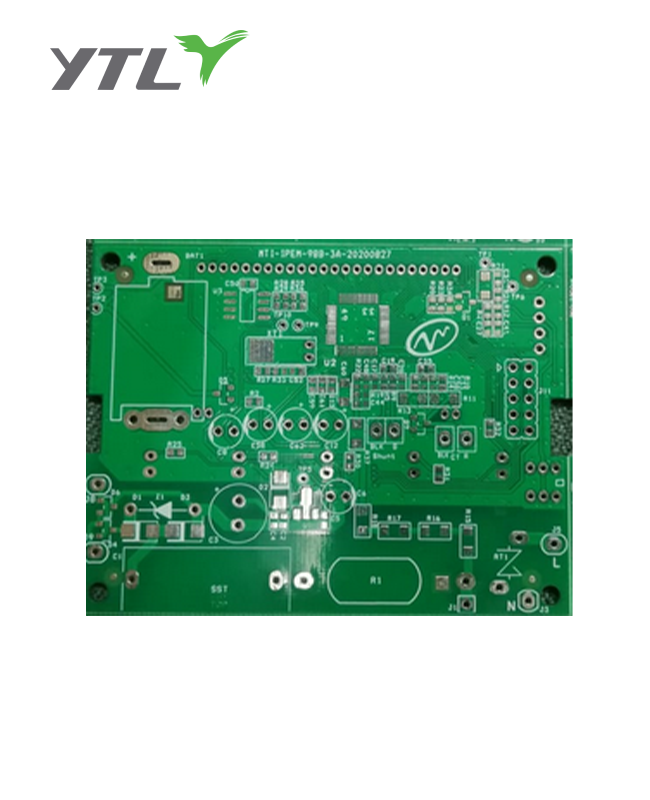
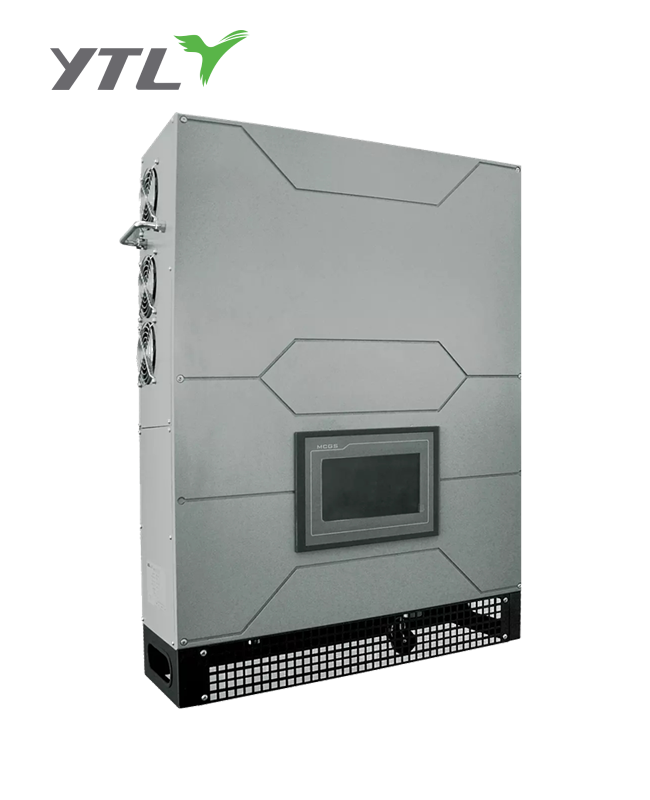
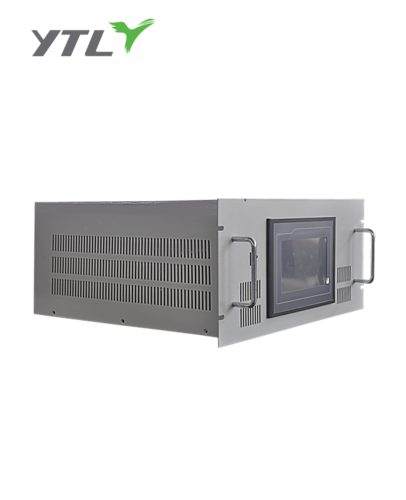
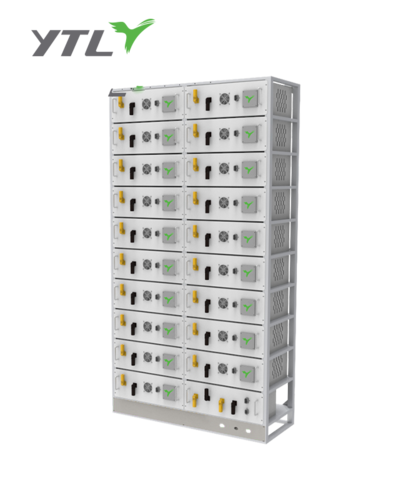
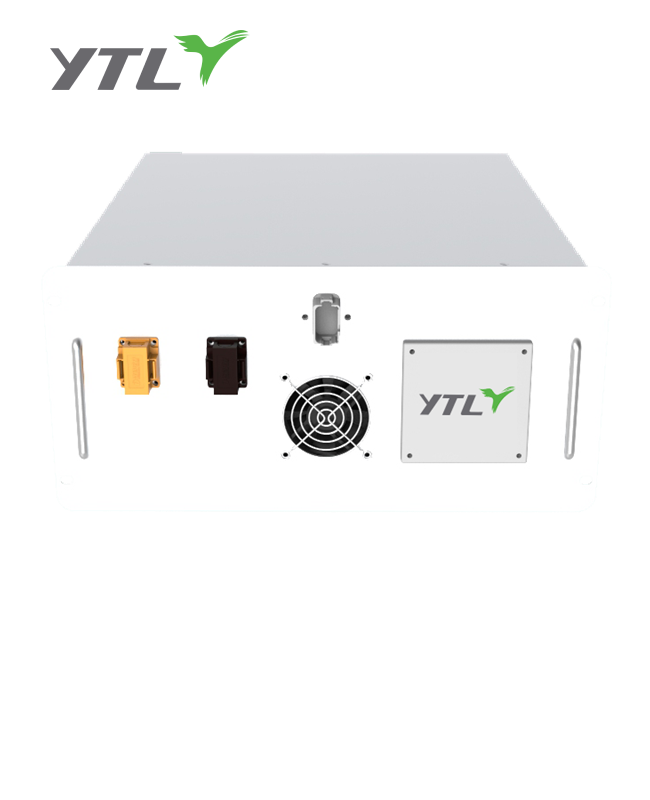
.png?imageView2/2/w/500/h/500/format/png/q/100 "YTL Single Phase Active Electronic Electricity Meter")