
 English
 简体中文
简体中文



Recently, rail-mounted electric meters (industry-known as din rail meters) have seen "multi-point growth" in applications across new energy, industrial manufacturing, and commercial buildings. With high-precision metering, flexible installation, and intelligent data interaction, these devices are breaking traditional electricity management limits, becoming key to refined energy control and "dual carbon" goals, and gaining greater importance in industrial energy systems.
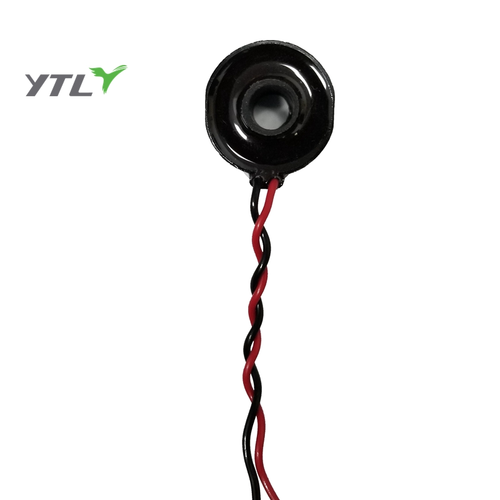
In new energy vehicle (NEV) charging infrastructure, din rail meters solve critical issues amid rapid industry growth. By H1 2025, China’s NEV stock exceeded 45 million, with over 2 million charging piles—but metering disputes, poor status monitoring, and slow maintenance plagued development. Din rail meters, paired with Rogowski coils (high-precision current detectors), enable real-time AC-side energy collection at charging piles, comparing data with DC-side consumption. This "dual-end comparison" flags deviations beyond the national ±0.5% standard, protecting consumers and operators.
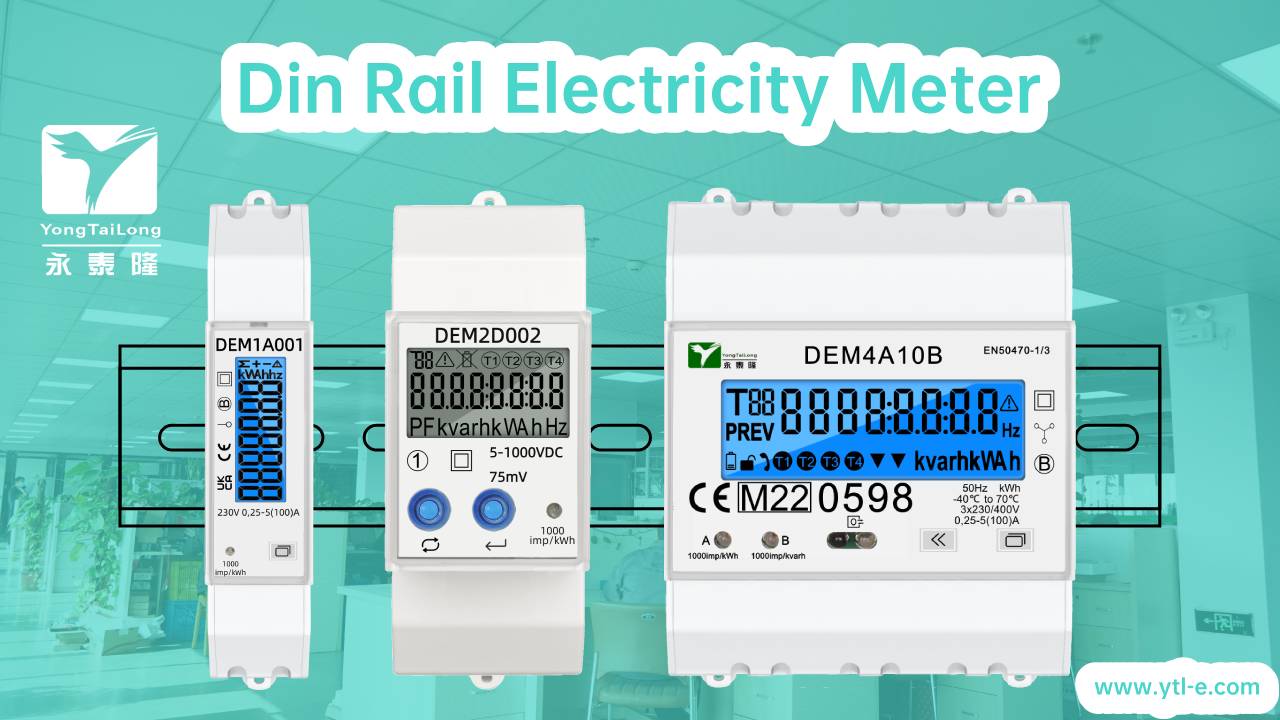
Lixia Power Supply Center (Jinan, Shandong) is a model for this solution. On November 11, it installed din rail meters on 3 DC fast-charging piles at Lixia RT-Mart Station. These are intelligent dual-mode devices: 0.2S-class precision chips, RS485/LoRa communication, and integration with State Grid’s platform. "Before, we relied on on-site checks, with 4+ hour failure response times," said its Marketing Director. Since June, 23 stations and 98 piles (12 group cabinets) have been upgraded—response times now under 30 minutes, and accurate metering alerts. By end-2026, all old piles will be retrofitted, achieving full supervision.
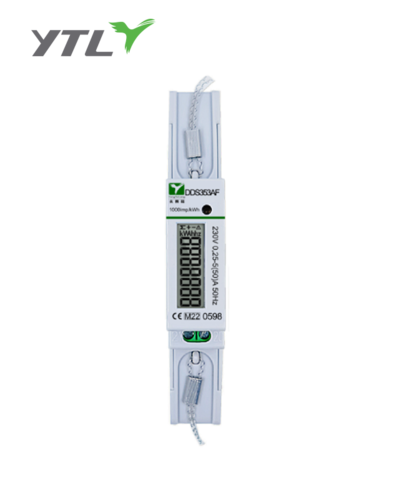
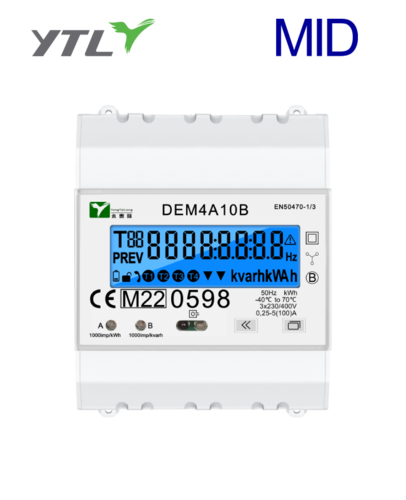
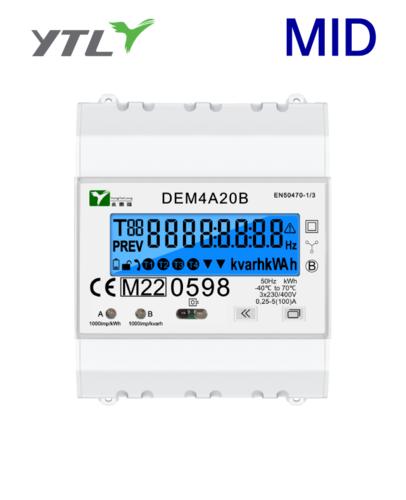
In industrial manufacturing, din rail meters aid cost-cutting and green production. Traditional "main meter + manual reading" systems only show total energy use, lacking equipment-level data. Din rail meters (18mm-72mm wide, 35mm rail-compatible) fit into workshop cabinets, enabling individual device metering.
Gansu Electric Group 213 Company leads here. Focused on "digital + green manufacturing," it developed smart din rail meter modules with energy analysis, fault diagnosis, and alarms. By tracking current/voltage fluctuations, it identifies issues like motor light-load operation. "An auto parts plant found 80kWh daily air compressor idle loss—adjustments saved ¥20k/month," said its R&D Director. Over 30 Gansu factories use these meters, cutting energy use by 8%-12% and saving ¥5M+ yearly in electricity, while supporting "Green Factory" certifications.
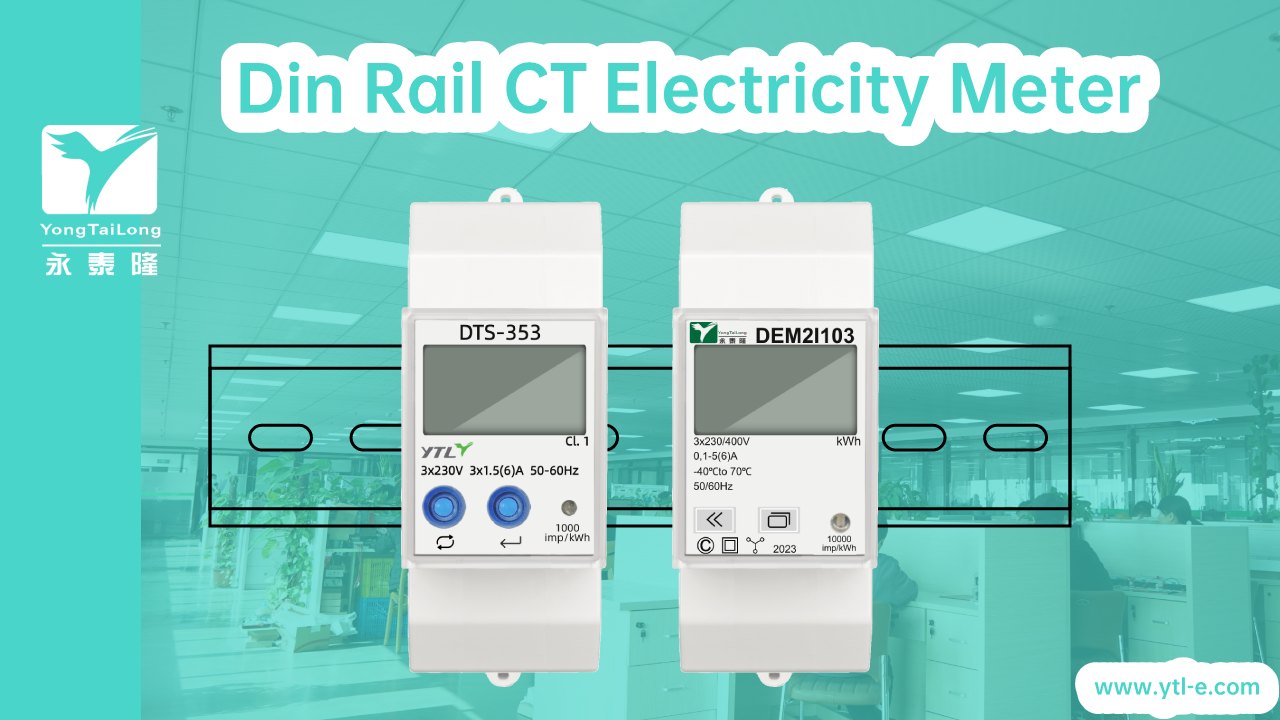
For commercial buildings, din rail meters are a new energy management standard. Malls, offices, and exhibition centers need sub-metering for AC, lighting, and elevators—but traditional wall-mounted meters are bulky and costly to install. Din rail meters solve this: a 2024 mall retrofit added them to floor distribution boxes, with 15-minute single-unit installation and 40% lower cost than traditional setups. Post-retrofit, AC use (52% of total) was optimized by cutting 2 hours of nighttime fresh air operation, saving ¥120k/month and recouping investment in 8 months.
Technological innovation drives din rail meter growth. Current DC models cover DC 5V-1000V (up to 2000A), with high-end versions supporting DC 0-1500V for energy storage and NEV batteries. Shunt/Hall sensor sampling ensures 0.2S-class accuracy; top models use ADI/TI chips for 0.1% precision, exceeding industrial 0.5-class standards. Modern meters add multi-tariff metering (peak/shoulder/flat/off-peak), 2nd-31st harmonic detection, overload alarms, and Bluetooth for mobile app control.
"A manufacturer’s din rail DC meters hold 30% of the NEV charging pile market and enter PV storage/data center UPS," said its Sales Director. Demand grows 25% yearly; 2026 domestic market size is projected to exceed ¥5B.
From new energy’s "metering guardian" to industry’s "energy-saving advisor" and commercial buildings’ "consumption manager," din rail meters excel in diverse fields. Future integration with IoT will boost data analysis and decision-making, aiding global energy efficiency and sustainability.
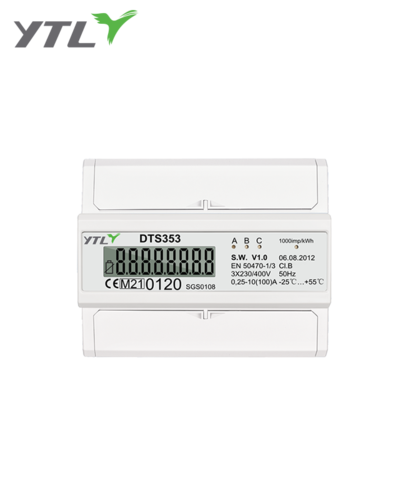
.jpg?imageView2/2/w/500/h/500/format/png/q/100 "YTL Company DTS353C DIN Rail 3P 4 Model Electricity Meter MID")