
 English
 简体中文
简体中文



Against the backdrop of accelerating global energy transition, smart meters, as the core equipment for smart energy management, are experiencing rapid growth in overseas markets. Choosing a suitable smart meter supplier is not only related to the smooth implementation of the project, but also directly affects the long-term operational efficiency. In 2024, facing an increasingly complex international market environment, buyers need to more systematically evaluate the comprehensive strength of smart meter suppliers.

Technical standard compliance and certification system
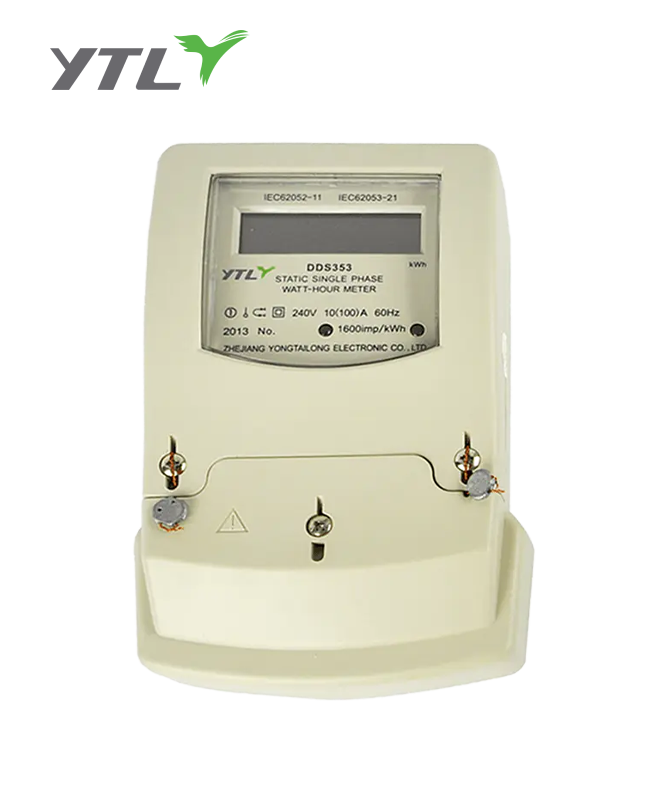
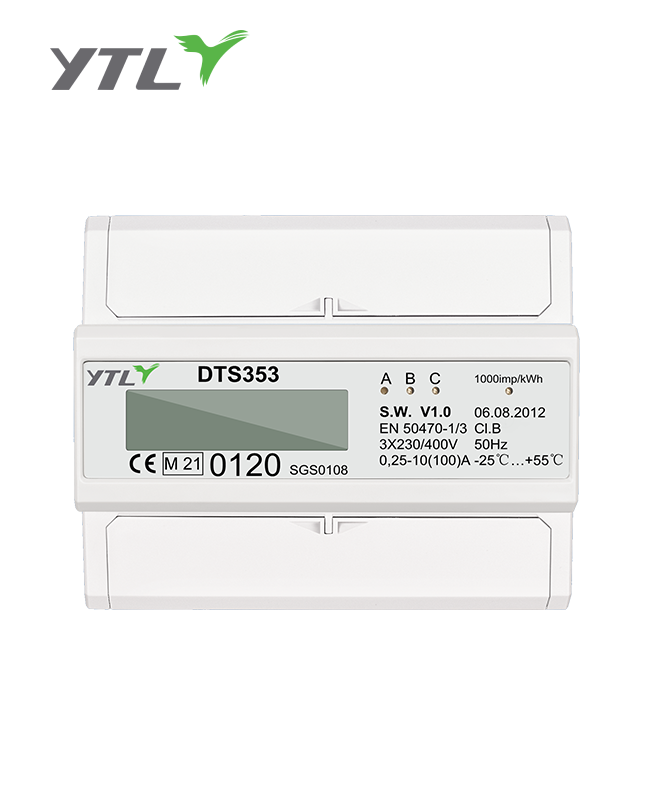
When choosing a smart meter supplier, the primary consideration is their compliance with the technical standards of the target market. High quality smart meter suppliers should have a comprehensive product certification system and be able to provide smart meter products that meet local regulatory requirements. The purchaser needs to confirm that the supplier's smart meter has passed relevant international certifications, including measurement accuracy certification, electromagnetic compatibility certification, etc. These certifications not only ensure the compliance of smart meters, but also reflect the technical strength and quality control level of suppliers.
Product performance and reliability performance
The performance stability of smart meters is an important indicator for measuring the strength of suppliers. Excellent smart meter suppliers should be able to provide smart meter products that have undergone rigorous testing to ensure stable operation under various environmental conditions. Buyers need to focus on key indicators such as measurement accuracy, environmental adaptability, and service life of smart meters. At the same time, the performance of smart meters, such as communication reliability and data collection accuracy, also needs to be comprehensively evaluated.
Localized service and technical support capabilities
A comprehensive localized service network is an essential core capability for smart meter suppliers. The purchaser needs to examine whether the supplier has established a comprehensive service system in the target market, including a technical support team, spare parts reserves, maintenance services, etc. Excellent smart meter suppliers should be able to provide timely on-site support and respond quickly to customer needs. In addition, suppliers should also have the ability to provide customized services and adjust the functional configuration of smart meters according to customers' special needs.
Supply chain stability and delivery assurance
Stable supply chain management capability is an important competitive advantage for smart meter suppliers. The purchaser needs to evaluate the supplier's production scale, quality control system, and delivery capability to ensure that they can provide smart meter products that meet the requirements on time and in quantity. Excellent smart meter suppliers should have a sound supply chain management system that can effectively respond to challenges such as raw material fluctuations and capacity adjustments, ensuring the continuous and stable supply of products.
Continuous innovation capability and R&D investment
In the rapidly iterating smart meter industry, the continuous innovation capability of suppliers is particularly important. Buyers should choose smart meter suppliers who focus on research and development investment, have independent intellectual property rights, and can continuously optimize product performance. Excellent suppliers will closely monitor industry technology development trends, timely apply new technologies to smart meter products, and help customers maintain technological leadership.

Cost effectiveness and value creation capability
In addition to product prices, buyers also need to comprehensively evaluate the cost-effectiveness level of smart meter suppliers. Excellent suppliers should be able to provide competitive overall solutions to help customers optimize their total investment costs. This includes the full lifecycle costs of smart meters, such as procurement costs, installation costs, and operation and maintenance costs. Meanwhile, suppliers should also be able to create additional value and revenue for customers through the advanced features of smart meters.
Sustainable Development and Compliance Management
With the increasing global emphasis on sustainable development, the environmental and social responsibility performance of smart meter suppliers is becoming increasingly important. The purchaser needs to examine the supplier's environmental management system, product environmental characteristics, and social responsibility performance. Excellent smart meter suppliers should establish a comprehensive compliance management system to ensure that their products and services comply with relevant environmental regulations and social responsibility standards.
Project experience and industry reputation
The project implementation experience and industry reputation of suppliers are important references for evaluating their capabilities. Buyers should focus on examining successful cases of smart meter suppliers in similar markets or projects, to understand their actual execution capabilities and service levels. By referring to the evaluations and feedback of other customers, we can more comprehensively evaluate the comprehensive strength and cooperation value of suppliers.
Collaboration Model and Service Flexibility
Different projects may have different requirements for the cooperation mode of smart meter suppliers. Excellent suppliers should be able to provide flexible and diverse cooperation solutions based on the specific situation of customers. This includes customization of smart meter functions, delivery methods, service support, and other aspects. The cooperation and problem-solving ability of suppliers often directly affect the implementation effectiveness of projects.
Long term cooperation and development potential
When choosing a smart meter supplier, the purchaser also needs to consider the possibility of long-term cooperation. Excellent suppliers should have sustainable development capabilities and be able to grow together with customers. This includes multiple aspects such as the supplier's technology roadmap planning, market development strategy, and service capability enhancement plan. Establishing long-term stable cooperative relationships helps to obtain sustained technical support and service guarantees.
Conclusion
In 2025, with the deepening of global smart grid construction, the overseas market for smart meters will usher in more development opportunities. By systematically examining the seven core elements of smart meter suppliers, purchasers can find the most suitable partners and lay a solid foundation for the successful implementation of the project. We believe that through scientific evaluation and selection, purchasers can establish mutually beneficial and win-win cooperative relationships with excellent smart meter suppliers, and jointly promote the innovative development of the energy management industry.
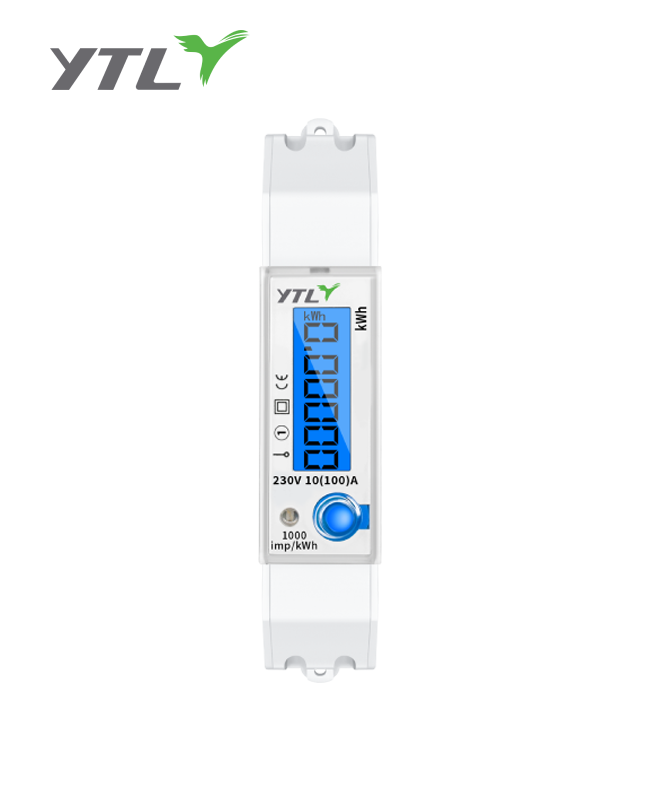
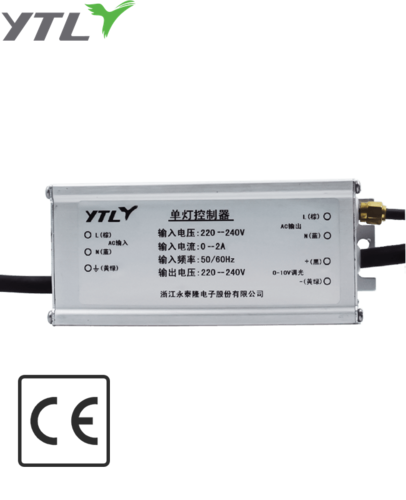
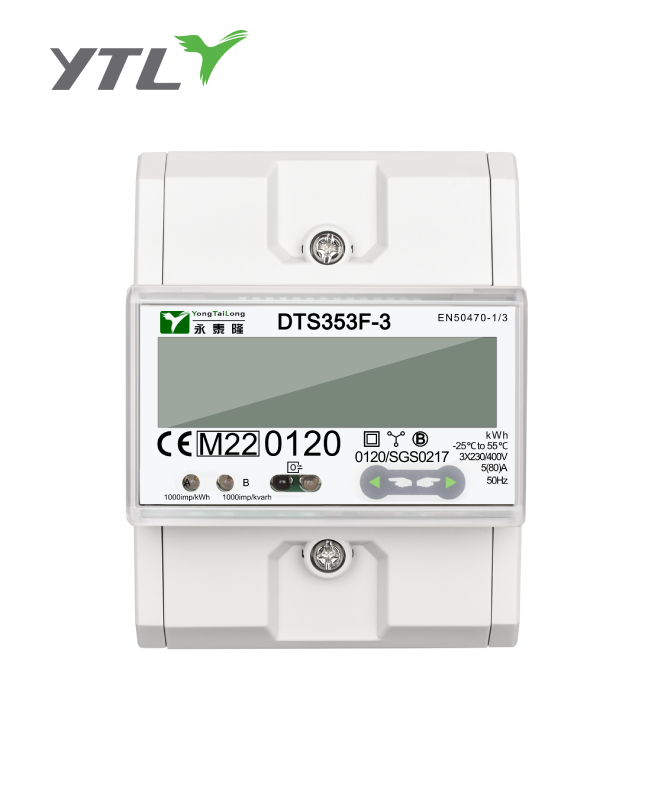
.png?imageView2/2/w/500/h/500/format/png/q/100 "YTL Two Phase Three Wire LCD Shunt sampling Energy Meter")
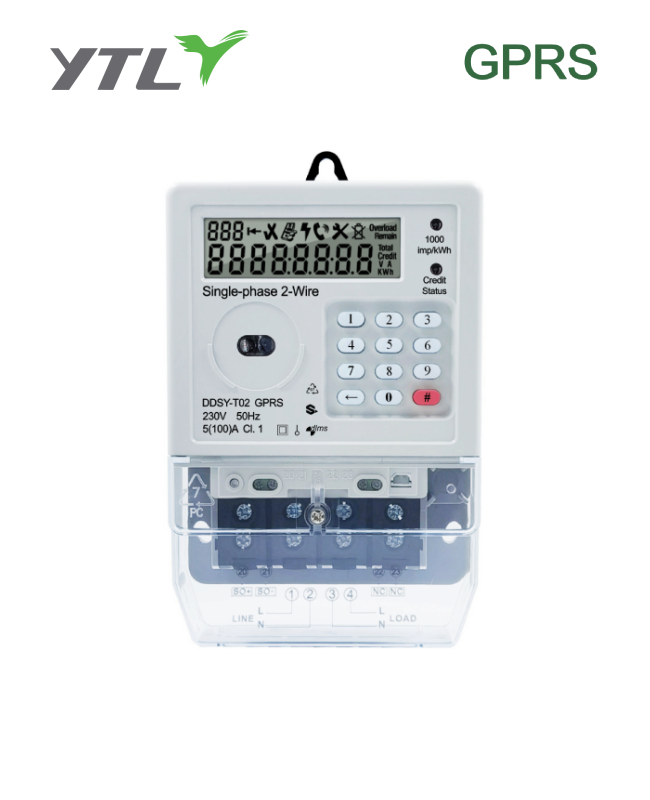
.png?imageView2/2/w/500/h/500/format/png/q/100 "YTL Single Phase Active Electronic Electricity Meter")