
 English
 简体中文
简体中文



- Powerful Scalability and Mass Deployment Capability
This is the cornerstone for the success of utility projects. The meter design must support efficient, low-cost batch installation, commissioning, and system integration. Featuring flexible communication networking capabilities(e.g., Mesh, LoRa, NB-IoT) and a **highly standardized design, it ensures network stability and reliability even when deploying tens of thousands of meters, while also facilitating future system expansion.

2. Highly Reliable Data Collection and Communication
The core value of a smart meter lies in its data. It must guarantee high success rates, completeness, and near-real-time transmission of electricity consumption datain various complex environments (e.g., basements, dense urban areas). Supporting multi-mode, backup-ready communication solutions and adhering to industry-standard communication protocols ensures stable, seamless connectivity with metering data management systems and smart city platforms.
3. Accurate Metering and Long-Term Stability Throughout the Lifecycle
This is the technical foundation and credibility cornerstone of a smart meter. It requires the meter to maintain stable metering accuracy within specified tolerances under extreme temperature and humidity fluctuations and throughout its entire design life (typically 10-15 years or more). Utilizing high-reliability components and incorporating effective anti-tampering and anti-fraud mechanisms (both physical and logical) protects the core business interests and ensures fair trade for utility companies.

4. Comprehensive Remote Management and Intelligent Operational Support
This is key to reducing the total cost of ownership and improving operational efficiency. The meter should support remote parameter configuration, over-the-air (OTA) firmware updates, fault diagnosis, and event logging/alerts. Through deep collection and analysis of electricity consumption data, it enables predictive maintenance, grid loss analysis, and demand-side response, thereby transforming the operational model from "reactive response" to "proactive and optimized management."
5. Robust Security Protection and Privacy Assurance
In the IoT era, this is a critical prerequisite for the large-scale deployment of smart meters. A multi-layered security protection system from hardware to software and from local to communication must be in place. This includes secure boot, firmware signature verification, encrypted data transmission, and strict access controls to prevent unauthorized access and cyber-attacks, while ensuring the adequate protection of user electricity consumption data privacy.
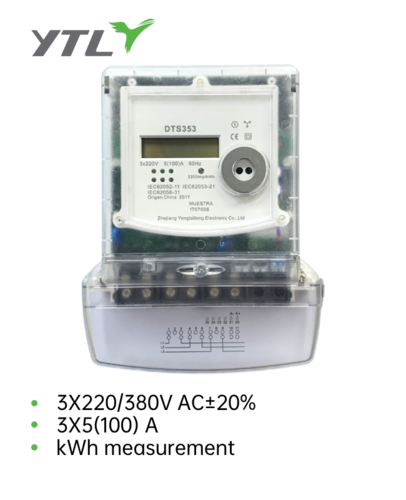
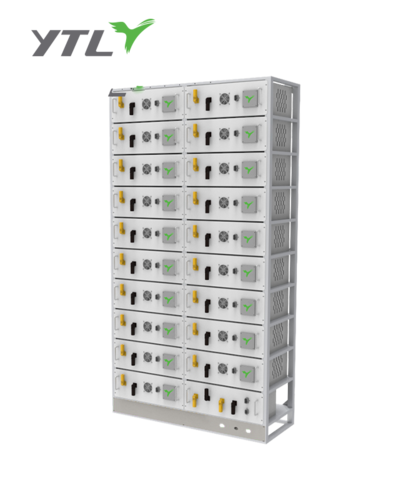
.jpg?imageView2/2/w/500/h/500/format/png/q/100 "YTL Company DTS353C DIN Rail 3P 4 Model Electricity Meter MID")
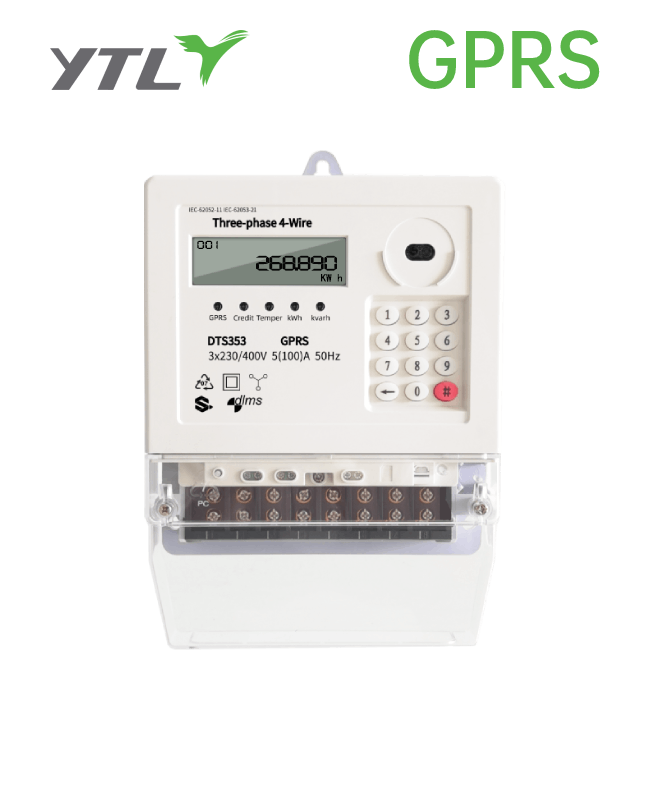
.png?imageView2/2/w/500/h/500/format/png/q/100 "YTL China Single Phase IC card Prepayment Electricity Meter")