With the rapid advancement of smart city and smart grid construction, AMI (Advanced Metering Infrastructure) technology has gradually become the focus of the power industry. As a core device of the smart grid, the AMI power meter significantly enhances power management efficiency through real-time data collection, remote meter reading, and two-way communication functions. This article details the advantages and application scenarios of AMI power meters and explores their critical role in future power systems.
1. What is an AMI Power Meter?
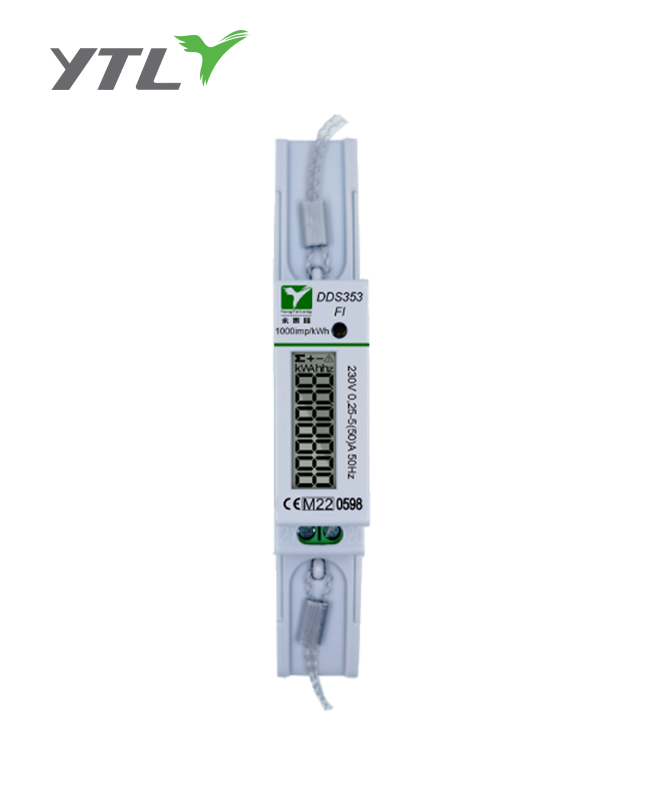
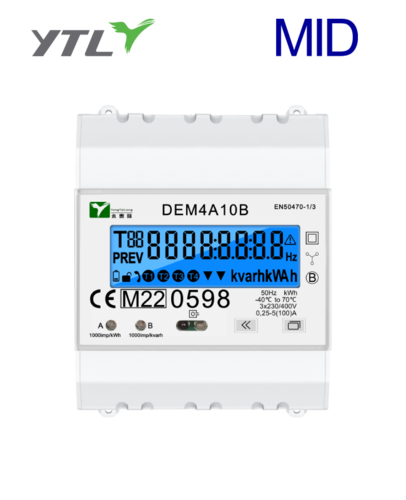
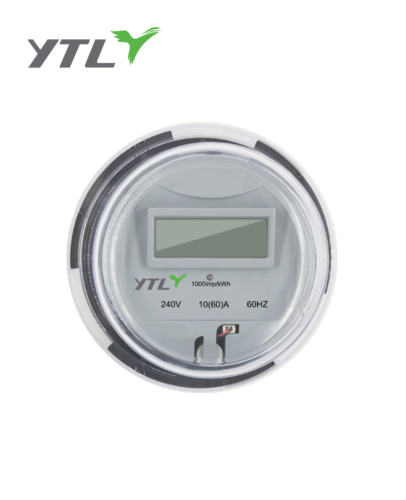
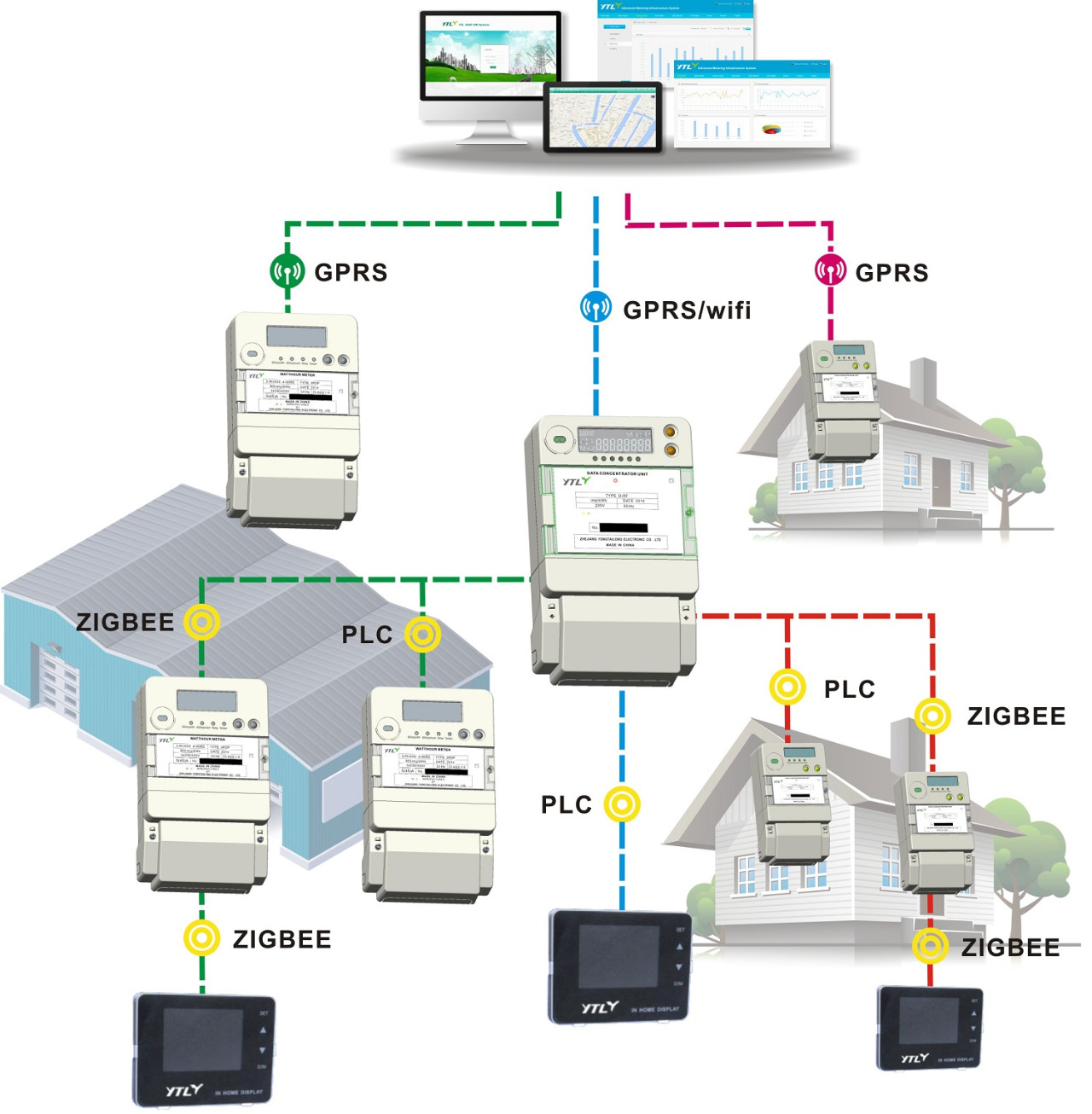
An AMI power meter is a new-generation smart electricity meter integrated with high-precision measurement, data storage, and communication capabilities. It transmits users' power consumption data in real time to the power company’s management system via wireless or wired networks, while also supporting the reception of control commands from the system.
2. Core Advantages of AMI Power Meters
Remote Meter Reading
AMI power meters enable remote data transmission through wireless communication technologies (such as LoRa and NB-IoT), eliminating the high costs and errors associated with manual meter reading. This is particularly crucial for users in remote areas.
Real-Time Monitoring
Power companies can use AMI power meters to gain real-time insights into users' power consumption, promptly detecting issues such as abnormal loads, voltage sags, or overvoltage. This allows for rapid response and resolution of potential faults.
Two-Way Communication
AMI power meters support bidirectional data interaction, enabling not only the upload of power consumption data but also the reception of control commands from power companies, such as peak-valley period adjustments and tariff updates. This further enhances the intelligence of the power grid.
High-Precision Measurement
Leveraging advanced digital signal processing technology, AMI power meters maintain high measurement accuracy even in complex grid environments, meeting the stringent precision requirements of industrial and commercial users.
Energy Conservation and Environmental Protection
AMI power meters provide users with detailed power consumption reports to help optimize energy usage and reduce waste. Additionally, their paperless management reduces carbon emissions.
3. Typical Application Scenarios of AMI Power Meters
Intelligent Management of Residential Areas
AMI power meters enable time-of-use billing and energy-saving reminders, enhancing the user experience.
Efficient Management of Industrial Parks
For large-scale industrial users, AMI power meters provide real-time power consumption monitoring and analysis reports to optimize production planning.
Seamless Coverage in Remote Areas
The remote communication capabilities of AMI power meters address the challenges of traditional meter reading in hard-to-reach locations.
4. Future Development Trends
With the rapid growth of 5G and IoT technologies, AMI power meters will further integrate intelligent functions such as energy storage management and distributed generation monitoring. Meanwhile, data security and privacy protection will become critical considerations in AMI system design.
5. Conclusion
As a core device of the smart grid, AMI power meters have brought revolutionary changes to the power industry through their remote meter reading, real-time monitoring, and two-way communication capabilities. In future smart city initiatives, AMI power meters will continue to play a vital role in improving power management efficiency and enhancing user experience. For power companies, adopting advanced AMI solutions not only reduces operational costs but also delivers smarter and more convenient services to customers.
### AMI Power Meter: The Future Direction of Intelligent Power Metering With the rapid advancement of smart city and smart grid construction, AMI (Advanced Metering Infrastructure) technology has gradually become the focus of the power industry. As a core device of the smart grid, the AMI power meter significantly enhances power management efficiency through real-time data collection, remote meter reading, and two-way communication functions. This article details the advantages and application scenarios of AMI power meters and explores their critical role in future power systems. ### 1. What is an AMI Power Meter? An AMI power meter is a new-generation smart electricity meter integrated with high-precision measurement, data storage, and communication capabilities. It transmits users' power consumption data in real time to the power company’s management system via wireless or wired networks, while also supporting the reception of control commands from the system. ### 2. Core Advantages of AMI Power Meters #### Remote Meter Reading AMI power meters enable remote data transmission through wireless communication technologies (such as LoRa and NB-IoT), eliminating the high costs and errors associated with manual meter reading. This is particularly crucial for users in remote areas. #### Real-Time Monitoring Power companies can use AMI power meters to gain real-time insights into users' power consumption, promptly detecting issues such as abnormal loads, voltage sags, or overvoltage. This allows for rapid response and resolution of potential faults. #### Two-Way Communication AMI power meters support bidirectional data interaction, enabling not only the upload of power consumption data but also the reception of control commands from power companies, such as peak-valley period adjustments and tariff updates. This further enhances the intelligence of the power grid. #### High-Precision Measurement Leveraging advanced digital signal processing technology, AMI power meters maintain high measurement accuracy even in complex grid environments, meeting the stringent precision requirements of industrial and commercial users. #### Energy Conservation and Environmental Protection AMI power meters provide users with detailed power consumption reports to help optimize energy usage and reduce waste. Additionally, their paperless management reduces carbon emissions. ### 3. Typical Application Scenarios of AMI Power Meters #### Intelligent Management of Residential Areas AMI power meters enable time-of-use billing and energy-saving reminders, enhancing the user experience. #### Efficient Management of Industrial Parks For large-scale industrial users, AMI power meters provide real-time power consumption monitoring and analysis reports to optimize production planning. #### Seamless Coverage in Remote Areas The remote communication capabilities of AMI power meters address the challenges of traditional meter reading in hard-to-reach locations. ### 4. Future Development Trends With the rapid growth of 5G and IoT technologies, AMI power meters will further integrate intelligent functions such as energy storage management and distributed generation monitoring. Meanwhile, data security and privacy protection will become critical considerations in AMI system design. ### 5. Conclusion As a core device of the smart grid, AMI power meters have brought revolutionary changes to the power industry through their remote meter reading, real-time monitoring, and two-way communication capabilities. In future smart city initiatives, AMI power meters will continue to play a vital role in improving power management efficiency and enhancing user experience. For power companies, adopting advanced AMI solutions not only reduces operational costs but also delivers smarter and more convenient services to customers. ### AMI Power Meter: The Future Direction of Intelligent Power Metering With the rapid advancement of smart city and smart grid construction, AMI (Advanced Metering Infrastructure) technology has gradually become the focus of the power industry. As a core device of the smart grid, the AMI power meter significantly enhances power management efficiency through real-time data collection, remote meter reading, and two-way communication functions. This article details the advantages and application scenarios of AMI power meters and explores their critical role in future power systems. ### 1. What is an AMI Power Meter? An AMI power meter is a new-generation smart electricity meter integrated with high-precision measurement, data storage, and communication capabilities. It transmits users' power consumption data in real time to the power company’s management system via wireless or wired networks, while also supporting the reception of control commands from the system. ### 2. Core Advantages of AMI Power Meters #### Remote Meter Reading AMI power meters enable remote data transmission through wireless communication technologies (such as LoRa and NB-IoT), eliminating the high costs and errors associated with manual meter reading. This is particularly crucial for users in remote areas. #### Real-Time Monitoring Power companies can use AMI power meters to gain real-time insights into users' power consumption, promptly detecting issues such as abnormal loads, voltage sags, or overvoltage. This allows for rapid response and resolution of potential faults. #### Two-Way Communication AMI power meters support bidirectional data interaction, enabling not only the upload of power consumption data but also the reception of control commands from power companies, such as peak-valley period adjustments and tariff updates. This further enhances the intelligence of the power grid. #### High-Precision Measurement Leveraging advanced digital signal processing technology, AMI power meters maintain high measurement accuracy even in complex grid environments, meeting the stringent precision requirements of industrial and commercial users. #### Energy Conservation and Environmental Protection AMI power meters provide users with detailed power consumption reports to help optimize energy usage and reduce waste. Additionally, their paperless management reduces carbon emissions. ### 3. Typical Application Scenarios of AMI Power Meters #### Intelligent Management of Residential Areas AMI power meters enable time-of-use billing and energy-saving reminders, enhancing the user experience. #### Efficient Management of Industrial Parks For large-scale industrial users, AMI power meters provide real-time power consumption monitoring and analysis reports to optimize production planning. #### Seamless Coverage in Remote Areas The remote communication capabilities of AMI power meters address the challenges of traditional meter reading in hard-to-reach locations. ### 4. Future Development Trends With the rapid growth of 5G and IoT technologies, AMI power meters will further integrate intelligent functions such as energy storage management and distributed generation monitoring. Meanwhile, data security and privacy protection will become critical considerations in AMI system design. ### 5. Conclusion As a core device of the smart grid, AMI power meters have brought revolutionary changes to the power industry through their remote meter reading, real-time monitoring, and two-way communication capabilities. In future smart city initiatives, AMI power meters will continue to play a vital role in improving power management efficiency and enhancing user experience. For power companies, adopting advanced AMI solutions not only reduces operational costs but also delivers smarter and more convenient services to customers. ### AMI Power Meter: The Future Direction of Intelligent Power Metering With the rapid advancement of smart city and smart grid construction, AMI (Advanced Metering Infrastructure) technology has gradually become the focus of the power industry. As a core device of the smart grid, the AMI power meter significantly enhances power management efficiency through real-time data collection, remote meter reading, and two-way communication functions. This article details the advantages and application scenarios of AMI power meters and explores their critical role in future power systems. ### 1. What is an AMI Power Meter? An AMI power meter is a new-generation smart electricity meter integrated with high-precision measurement, data storage, and communication capabilities. It transmits users' power consumption data in real time to the power company’s management system via wireless or wired networks, while also supporting the reception of control commands from the system. ### 2. Core Advantages of AMI Power Meters #### Remote Meter Reading AMI power meters enable remote data transmission through wireless communication technologies (such as LoRa and NB-IoT), eliminating the high costs and errors associated with manual meter reading. This is particularly crucial for users in remote areas. #### Real-Time Monitoring Power companies can use AMI power meters to gain real-time insights into users' power consumption, promptly detecting issues such as abnormal loads, voltage sags, or overvoltage. This allows for rapid response and resolution of potential faults. #### Two-Way Communication AMI power meters support bidirectional data interaction, enabling not only the upload of power consumption data but also the reception of control commands from power companies, such as peak-valley period adjustments and tariff updates. This further enhances the intelligence of the power grid. #### High-Precision Measurement Leveraging advanced digital signal processing technology, AMI power meters maintain high measurement accuracy even in complex grid environments, meeting the stringent precision requirements of industrial and commercial users. #### Energy Conservation and Environmental Protection AMI power meters provide users with detailed power consumption reports to help optimize energy usage and reduce waste. Additionally, their paperless management reduces carbon emissions. ### 3. Typical Application Scenarios of AMI Power Meters #### Intelligent Management of Residential Areas AMI power meters enable time-of-use billing and energy-saving reminders, enhancing the user experience. #### Efficient Management of Industrial Parks For large-scale industrial users, AMI power meters provide real-time power consumption monitoring and analysis reports to optimize production planning. #### Seamless Coverage in Remote Areas The remote communication capabilities of AMI power meters address the challenges of traditional meter reading in hard-to-reach locations. ### 4. Future Development Trends With the rapid growth of 5G and IoT technologies, AMI power meters will further integrate intelligent functions such as energy storage management and distributed generation monitoring. Meanwhile, data security and privacy protection will become critical considerations in AMI system design. ### 5. Conclusion As a core device of the smart grid, AMI power meters have brought revolutionary changes to the power industry through their remote meter reading, real-time monitoring, and two-way communication capabilities. In future smart city initiatives, AMI power meters will continue to play a vital role in improving power management efficiency and enhancing user experience. For power companies, adopting advanced AMI solutions not only reduces operational costs but also delivers smarter and more convenient services to customers.


 English
 简体中文
简体中文



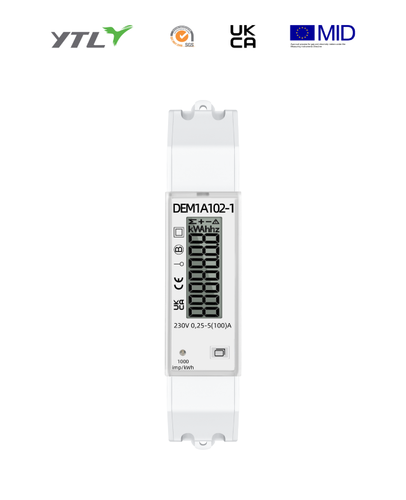
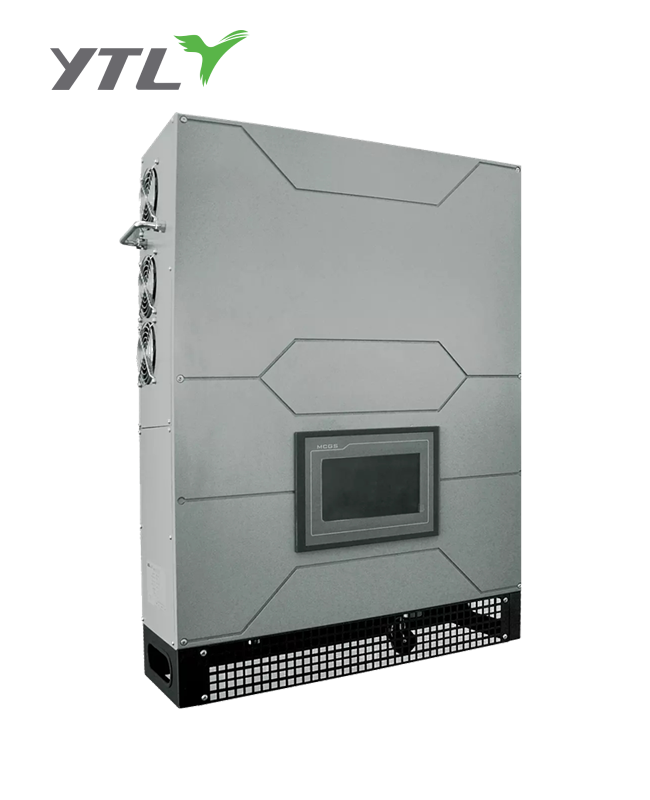
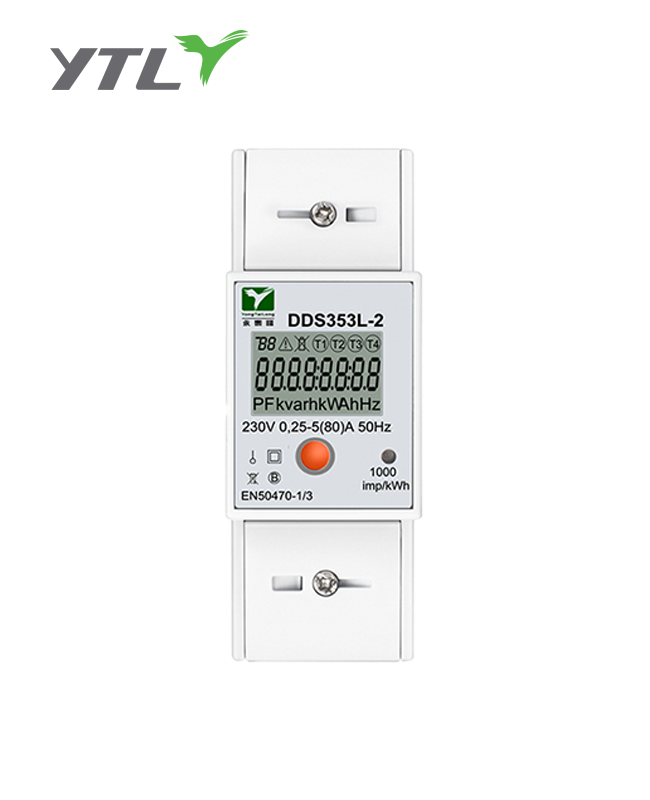
.jpg?imageView2/2/w/500/h/500/format/png/q/100 "YTL Company DTS353C DIN Rail 3P 4 Model Electricity Meter MID")
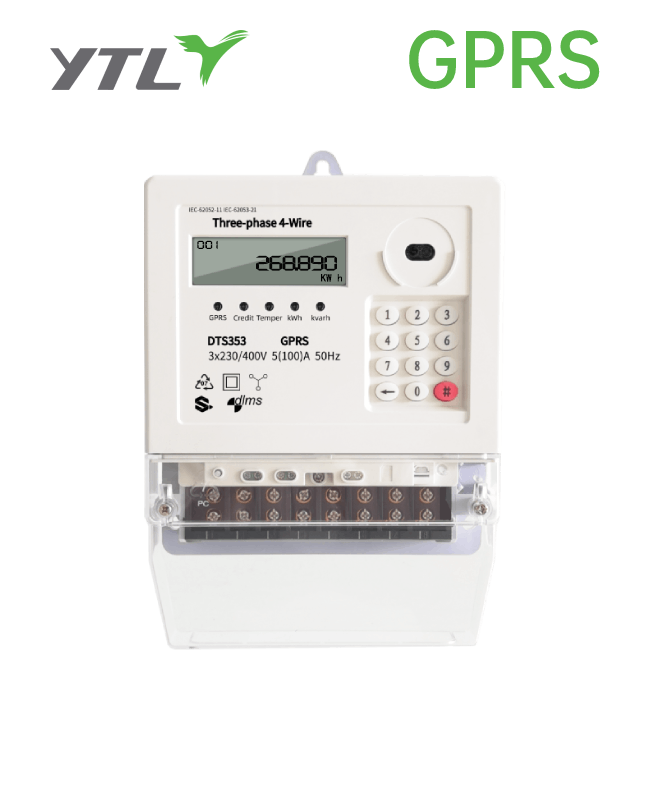
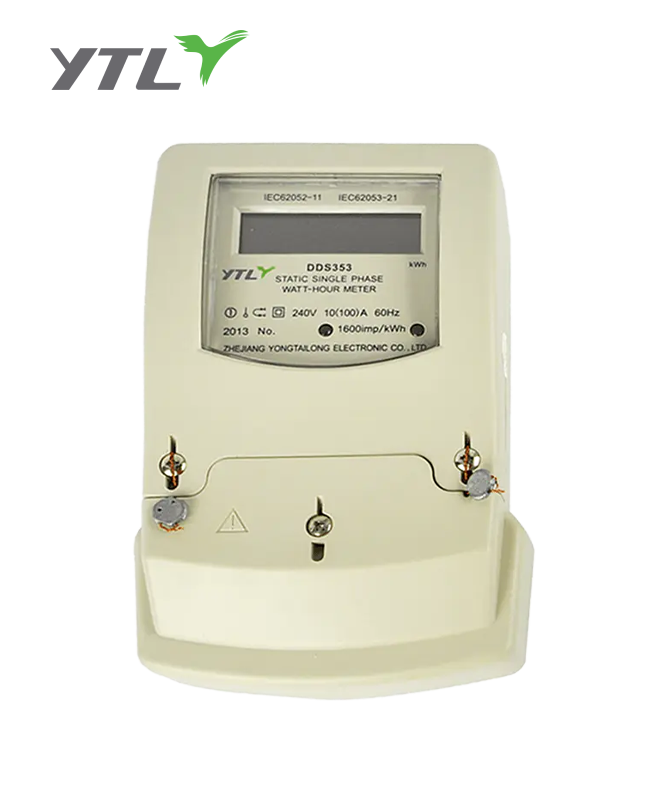
.png?imageView2/2/w/500/h/500/format/png/q/100 "YTL Single Phase Active Electronic Electricity Meter")