
 English
 简体中文
简体中文



With the acceleration of urbanization and the rapid development of intelligent technologies, the concept of smart cities is gradually becoming a reality. Among them, Advanced Metering Infrastructure (AMI) meters, as a crucial component of smart grids, play a significant role in energy management, user services, and environmental protection. This article will explore the applications of AMI meters in smart cities and their future development prospects.
1. Functions and Advantages of AMI Meters
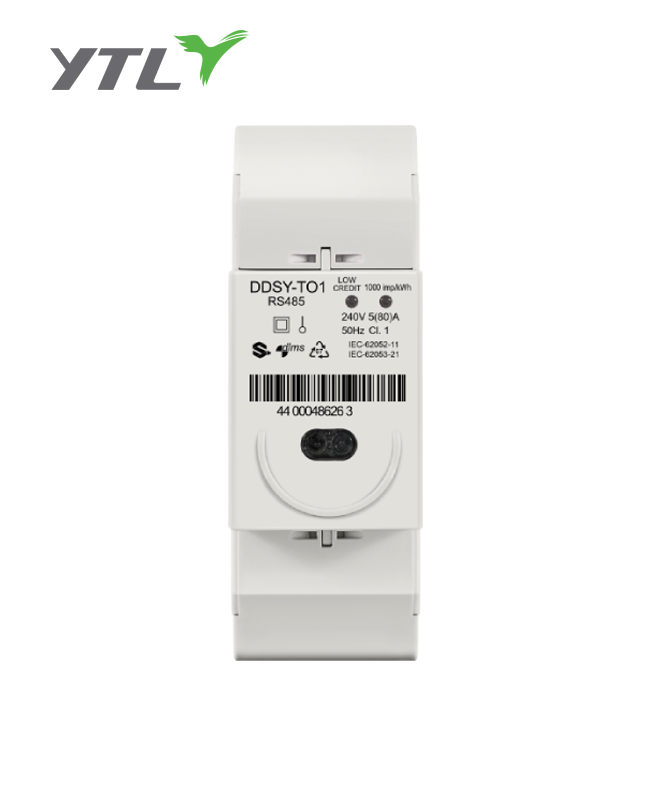
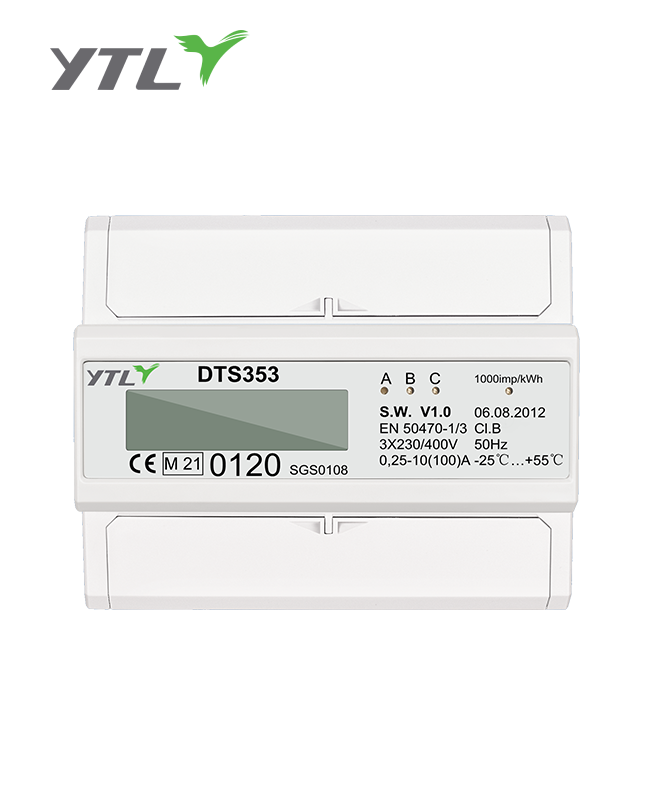
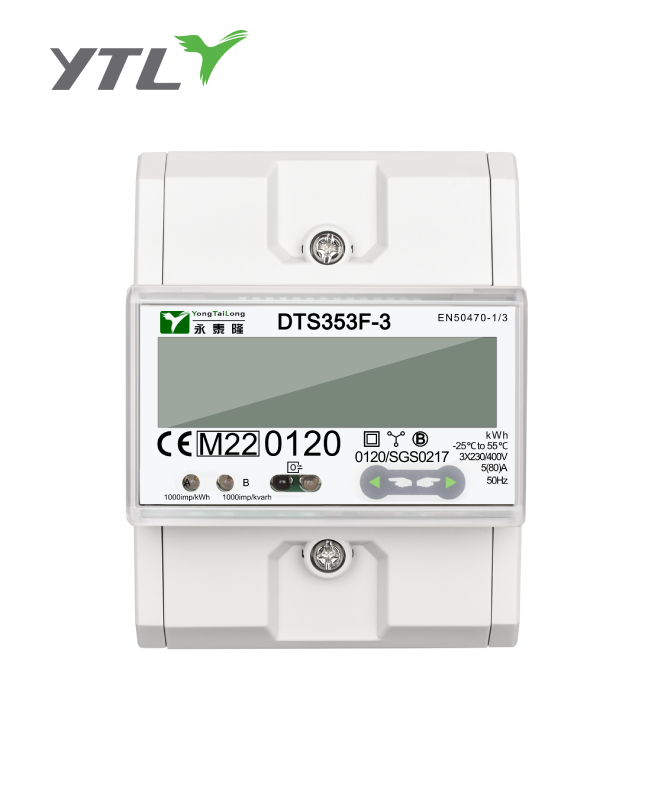
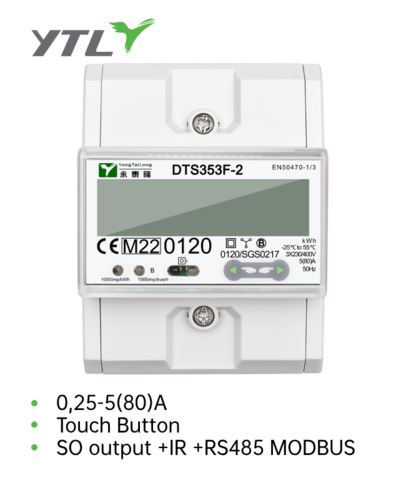
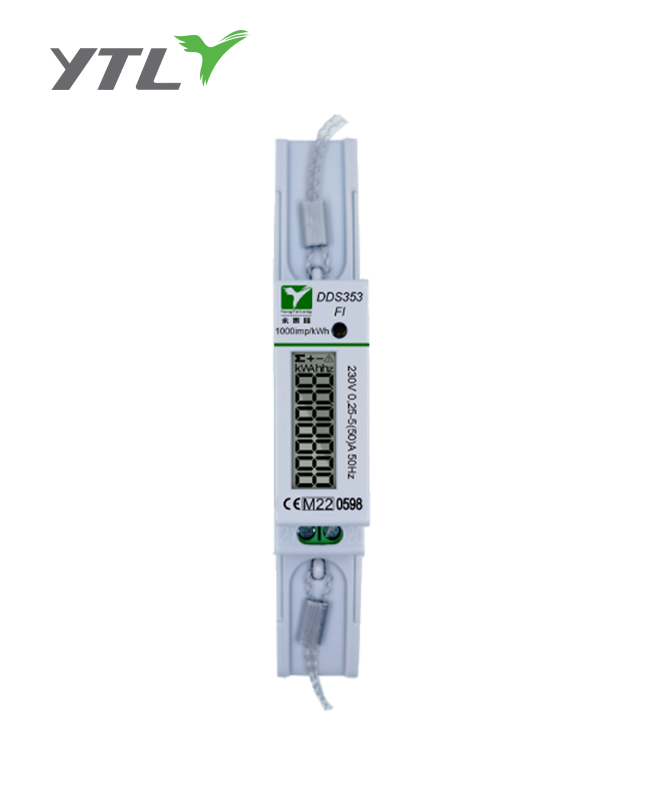
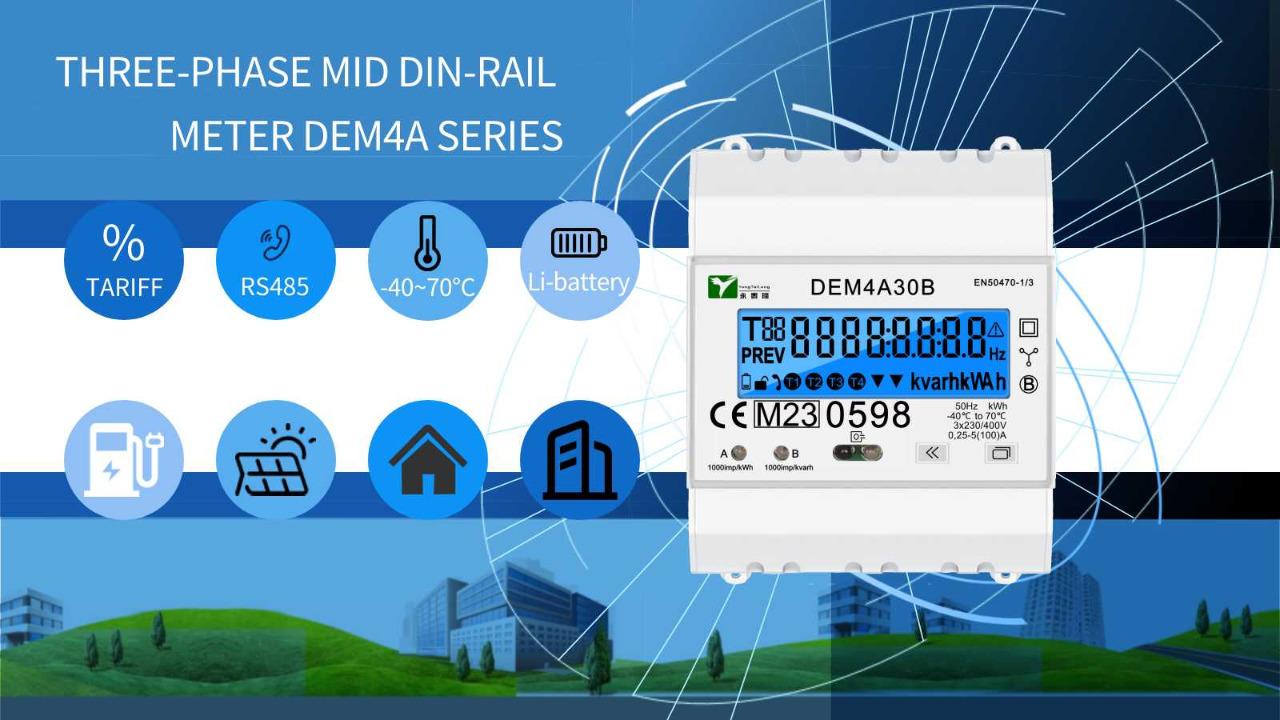
AMI meters are a new generation of intelligent electricity meters that can collect and transmit electricity consumption data in real time. They can not only perform basic electricity measurement but also support functions such as remote meter reading, load control, and fault detection. Through wireless communication technologies, AMI meters form interconnected networks with the power grid system, providing powerful data support for smart cities. Compared with traditional electricity meters, AMI meters have the following advantages:
• Real-time Monitoring: They can update electricity consumption data in seconds, facilitating power grid dispatching and user management.
• High-precision Measurement: AMI meters reduce measurement errors, ensuring the accuracy of electricity consumption records.
• Remote Control: They support operations such as power outage and restoration, significantly improving the operational efficiency of the power grid.

2. Application Scenarios of AMI Meters in Smart Cities
(1) Smart Homes
AMI meters provide users with real-time electricity consumption information, helping them optimize their power usage habits. Through integration with household appliances, intelligent scheduling can be achieved. For example, non-essential loads can be automatically turned off during peak electricity price periods.
(2) Public Facility Management
In public facilities such as urban transportation and lighting, AMI meters can monitor electricity consumption in real time and optimize energy usage. For instance, smart streetlights can automatically adjust their brightness according to pedestrian flow density, saving energy and enhancing the user experience.
(3) Integration of Renewable Energy
With the popularization of distributed generation sources such as solar and wind energy, AMI meters can monitor and coordinate the output of these energy sources in real time, supporting the low-carbon transformation of smart cities.

3. Challenges Faced by AMI Meters
Despite the broad prospects of AMI meters in smart cities, their promotion and application still face some obstacles:
(1) Data Security
With the increase in data transmission, AMI systems have become targets for hackers. To address this threat, it is essential to strengthen security measures such as data encryption and access control.
(2) High Costs
The procurement and deployment of AMI meters require substantial financial support, which poses a significant challenge for regions with limited budgets. Feasible solutions include phased construction or seeking government subsidies.
(3) User Privacy
Some users are concerned that AMI meters may record excessive details of electricity consumption, potentially leaking personal privacy. Therefore, strict compliance with data protection regulations is necessary in system design, and public trust should be enhanced through publicity.
4. Future Prospects
With technological advancements and policy support, the applications of AMI meters in smart cities will become more extensive:
(1) Artificial Intelligence and Big Data
Future AMI systems will be more deeply integrated with AI and big data analysis, enabling advanced functions such as electricity consumption prediction and anomaly detection.
(2) Internet of Things (IoT) Integration
AMI meters will be integrated with more IoT devices, forming a comprehensive smart ecosystem. For example, integration with smart homes and autonomous vehicles will greatly enhance the convenience of urban residents' lives.
(3) Promotion of Green Energy
By optimizing the management of distributed generation and microgrids, AMI meters will assist smart cities in transitioning to a low-carbon economy and provide technical support for sustainable development.
Conclusion
As a vital pillar of smart cities, AMI meters will continue to play a crucial role in the future. Although facing challenges such as data security, high costs, and user acceptance, these issues will gradually be resolved with technological progress and increased social awareness. By promoting AMI meters, smart cities can not only achieve efficient energy use but also contribute to global environmental protection.