
 English
 简体中文
简体中文



In the European energy market, the Measuring Instruments Directive (MID) is the core technological threshold that electric meter products must overcome. This regulation not only requires meters to maintain accurate measurement throughout their entire lifecycle, but also establishes a "technical iron network" that screens global suppliers through rigorous testing standards and production control systems. For Chinese enterprises, understanding the technical logic and industrial significance of MID certification is the key to unlocking the high-end European market.
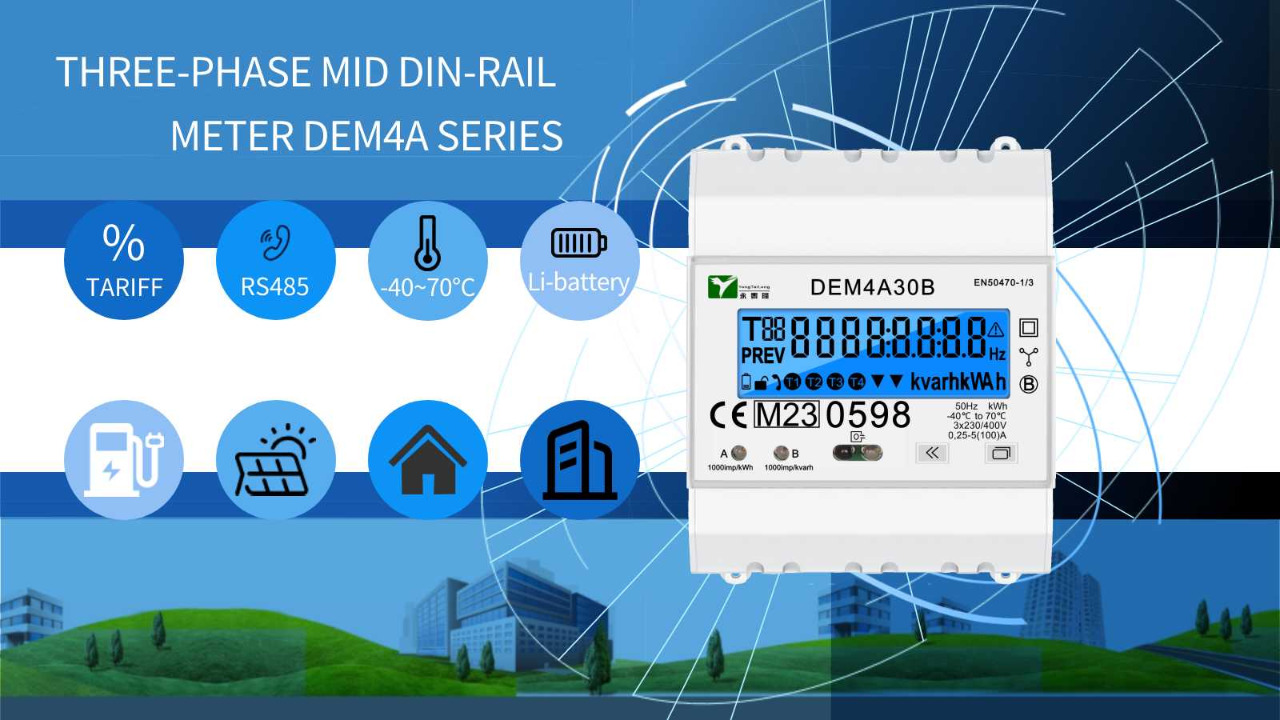
The core goal of MID certification is to ensure the reliability of electricity meter measurement. The EU requires all electricity meters used for trade settlement to pass type tests by notified bodies, covering 46 testing indicators such as environmental adaptability, electromagnetic compatibility, and long-term stability. Taking temperature cycling testing as an example, the electric meter needs to undergo 15 cycles under temperature differences of -40 ℃ to+70 ℃, with a total error of no more than 0.5%. This standard is much higher than the temperature range certified by China CPA. At the software level, MID requires measurement algorithms to have "immutability", and any functional adjustments involving core measurement - even remote upgrades to cost control modules - may trigger a re authentication process. This strictness directly drives up compliance costs: the certification fee for a single three-phase smart meter can reach 120000 to 180000 euros, accounting for 30% of the total R&D investment, and the average initial application cycle is as long as 14 months, with a pass rate of less than 35%.
From the perspective of market competition, MID certification is reshaping the landscape of the European electricity meter industry. Certified companies can bid on public utility projects in EU member states, which typically account for over 60% of the local market share. For example, the Warsaw Smart Grid Transformation Project in Poland explicitly requires bidders to provide MID certified 0.2S level high-precision electricity meters and pass the surge immunity test (6kV/3kA) in Appendix B-EMC. However, unverified enterprises are restricted to the low-end replacement market, with a profit margin of less than 8%. The deeper impact lies in the strengthening of technological barriers: Italy's new regulations in 2024 will include the DC metering module of photovoltaic grid connected meters in the mandatory scope of MID, which directly leads to the withdrawal of more than 30 Chinese small and medium-sized meter factories that have not been laid out in advance from the market.
Although MID certification poses significant challenges, its technological orientation is also driving industrial upgrading. The certification system forces enterprises to optimize product design, such as using military grade solid-state capacitors instead of ordinary electrolytic capacitors, which can reduce the maintenance rate of electricity meters to 0.3 times per meter during their lifecycle; A dedicated metrology chip with pre installed MID algorithm (such as STPM32 series) can shorten the software certification cycle by 40%. At the same time, the EU is extending the scope of certification to emerging fields: the 2024 draft proposed by the German PTB research institute plans to include electric vehicle charging pile metering units in regulation and require the integration of carbon emission tracking functions; The Netherlands will try to link MID certification with carbon tariffs (CBAM) and require manufacturers to provide a full lifecycle carbon footprint report. These trends mean that in the future, enterprises need to build systematic capabilities in material traceability, energy management, data security, and other dimensions.
For Chinese meter manufacturers, a strategic layout is needed to cope with MID certification. On the technical level, it is necessary to introduce MID standards in the early stages of research and development, and cooperate with EU laboratories to conduct pre certification testing, which can increase the final pass rate to 78%; At the business level, modular certification strategies can effectively reduce costs - a Shenzhen company reduced the cost of single model certification by 31% by separating the measurement core and communication module for separate certification. It is worth noting that the UKCA certification implemented after Brexit is equivalent to MID technology, but requires the establishment of technical representatives within the country, which adds a new level of compliance for companies that rely solely on EU channels.
The essence of MID certification is the fusion of technical standards and market rules. In the short term, it selects enterprises with technical strength through a high cost and long-term certification process; In the long run, it will become an invisible driving force for industrial upgrading. Those companies that successfully cross the threshold not only gain entry into the European market, but also take the guide in the competition to cope with the global energy transition. When innovative models such as green power, virtual power plants, and dynamic electricity prices are used to reconstruct the energy system, the technology genes strengthened by MID certification may be the key chips for enterprises to transform from "compliant" to "leading".
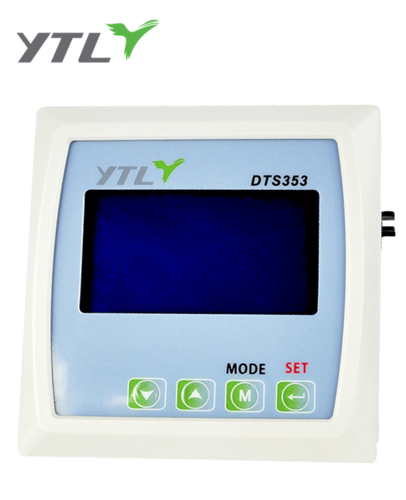
.png?imageView2/2/w/500/h/500/format/png/q/100 "YTL Two Phase Three Wire Big counter Electricity Meter")